Professional Small Business Headshots and Social Media Video Clips

Small businesses depend on trust. Before a customer calls, schedules, purchases, or refers, they often look at the company’s website, LinkedIn profile, social media pages, Google Business Profile, or marketing materials. The quality of those visuals sends an immediate message. Professional headshots and short video clips help small businesses look credible, current, organized, and ready to serve.

St Louis Photo Studio provides professional photography and video production services for small businesses that need polished headshots, branded portraits, social media video clips, interview segments, b-roll, and reusable marketing content. For business owners, consultants, professional service firms, contractors, healthcare practices, nonprofit organizations, real estate companies, financial firms, law offices, and local brands, the right visual assets can make everyday marketing stronger and more consistent.

Why Professional Headshots Matter for Small Businesses

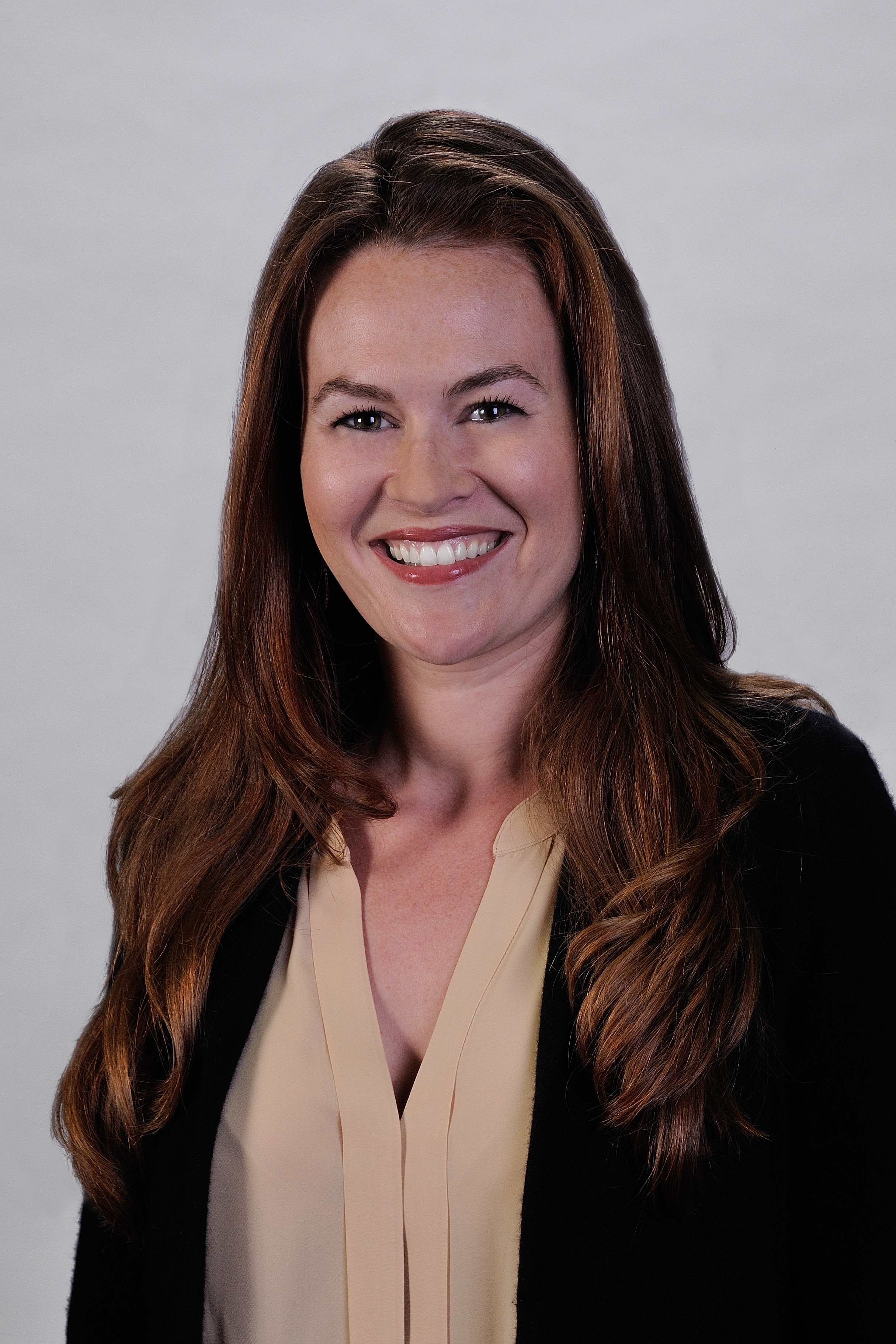
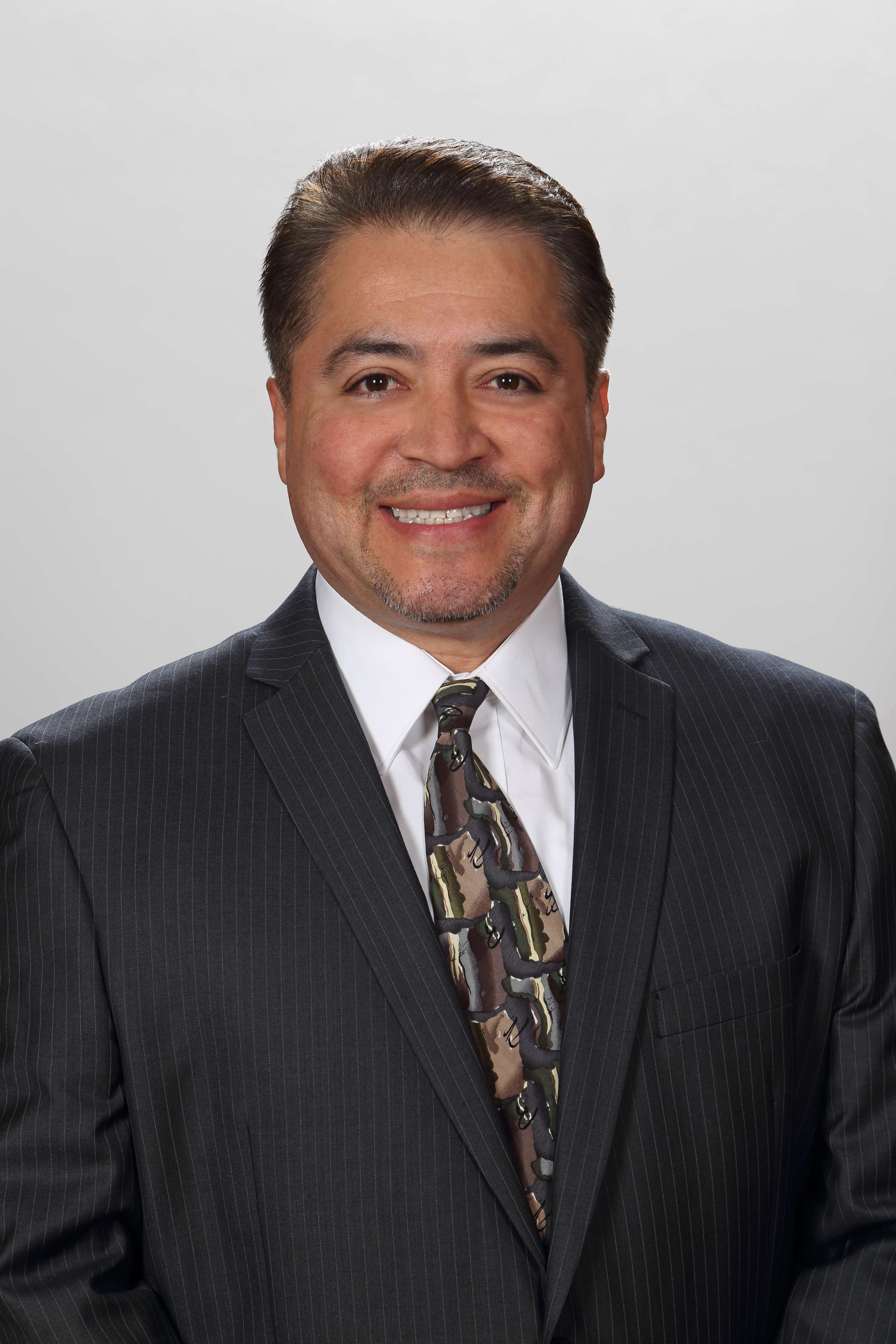
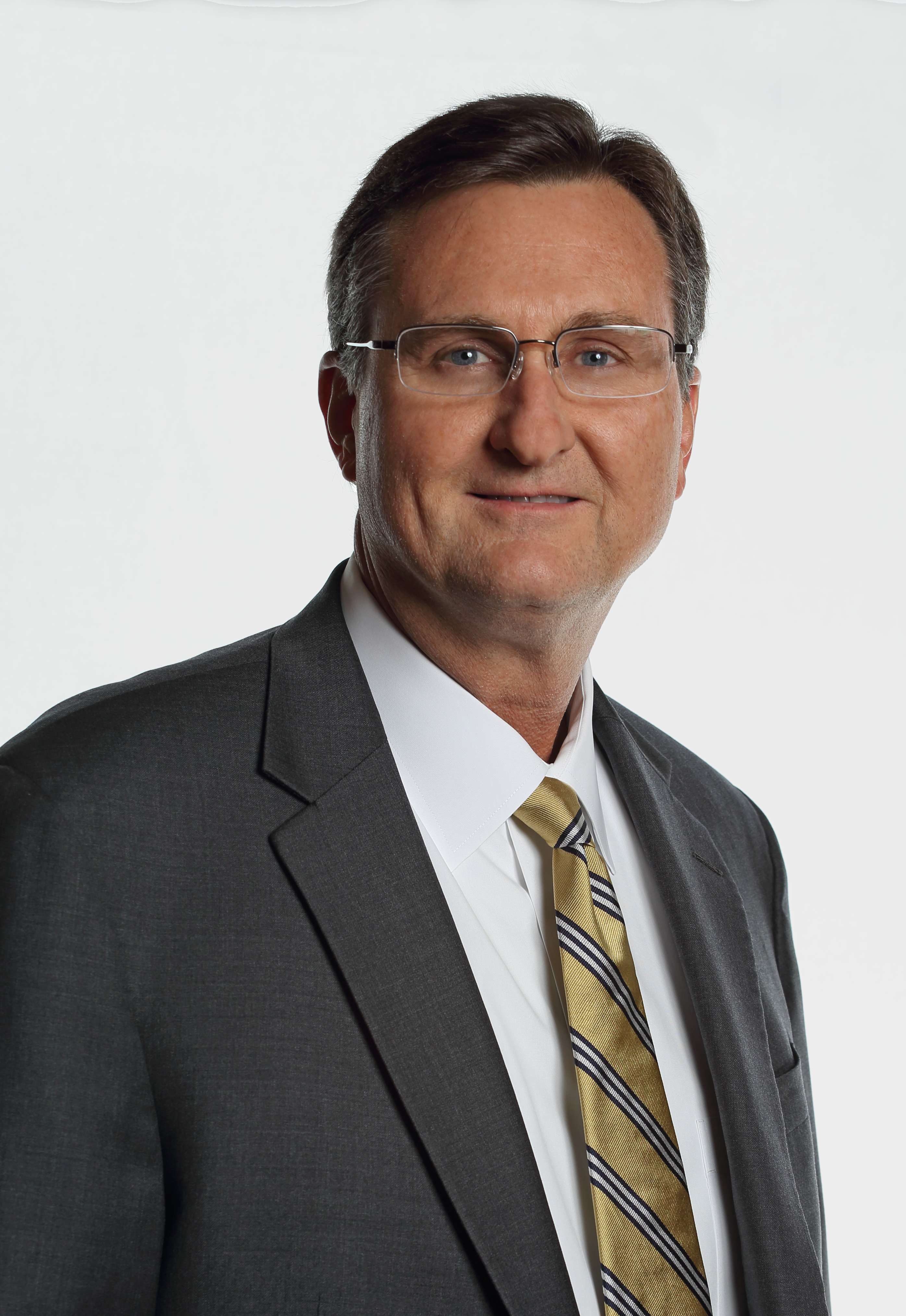
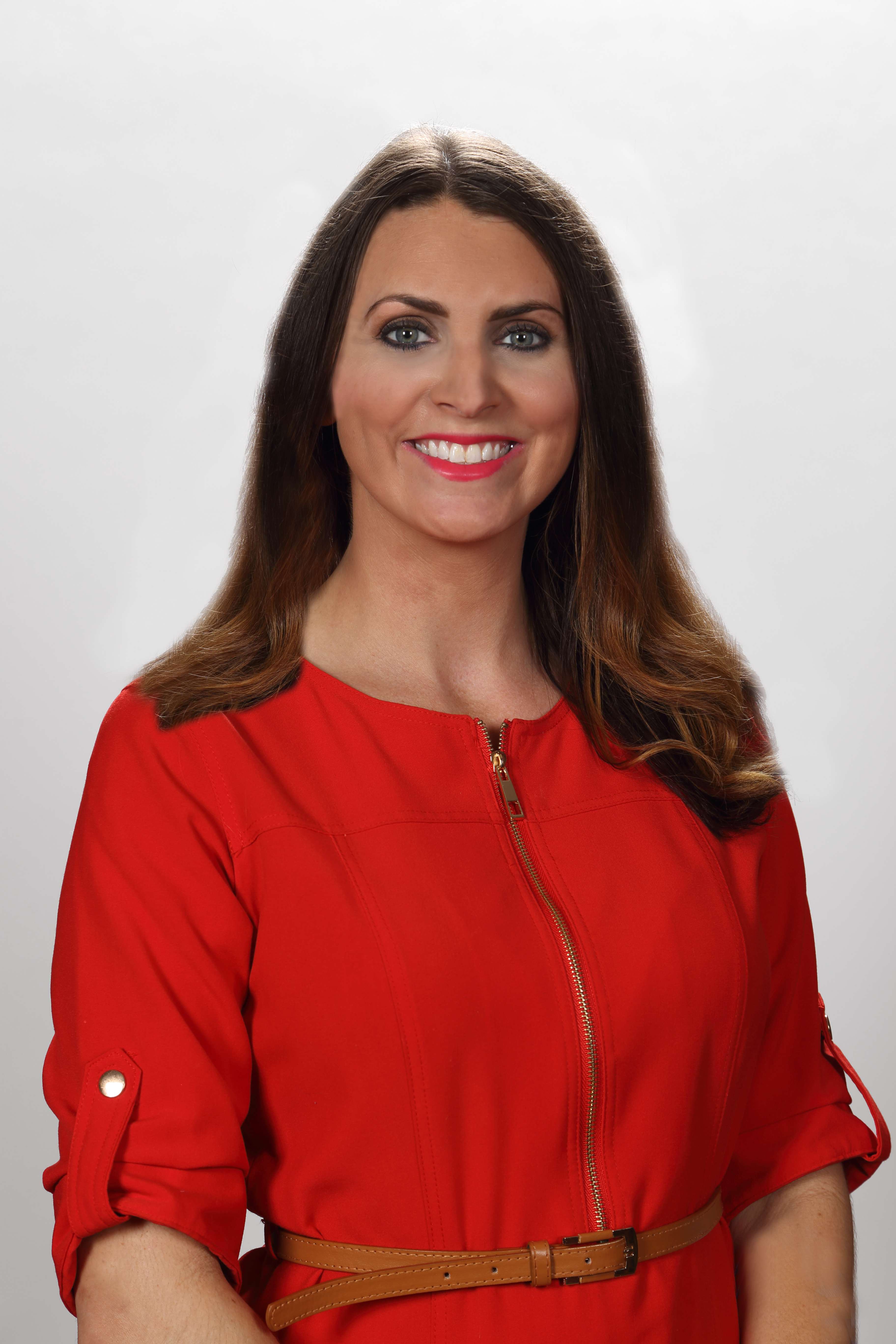
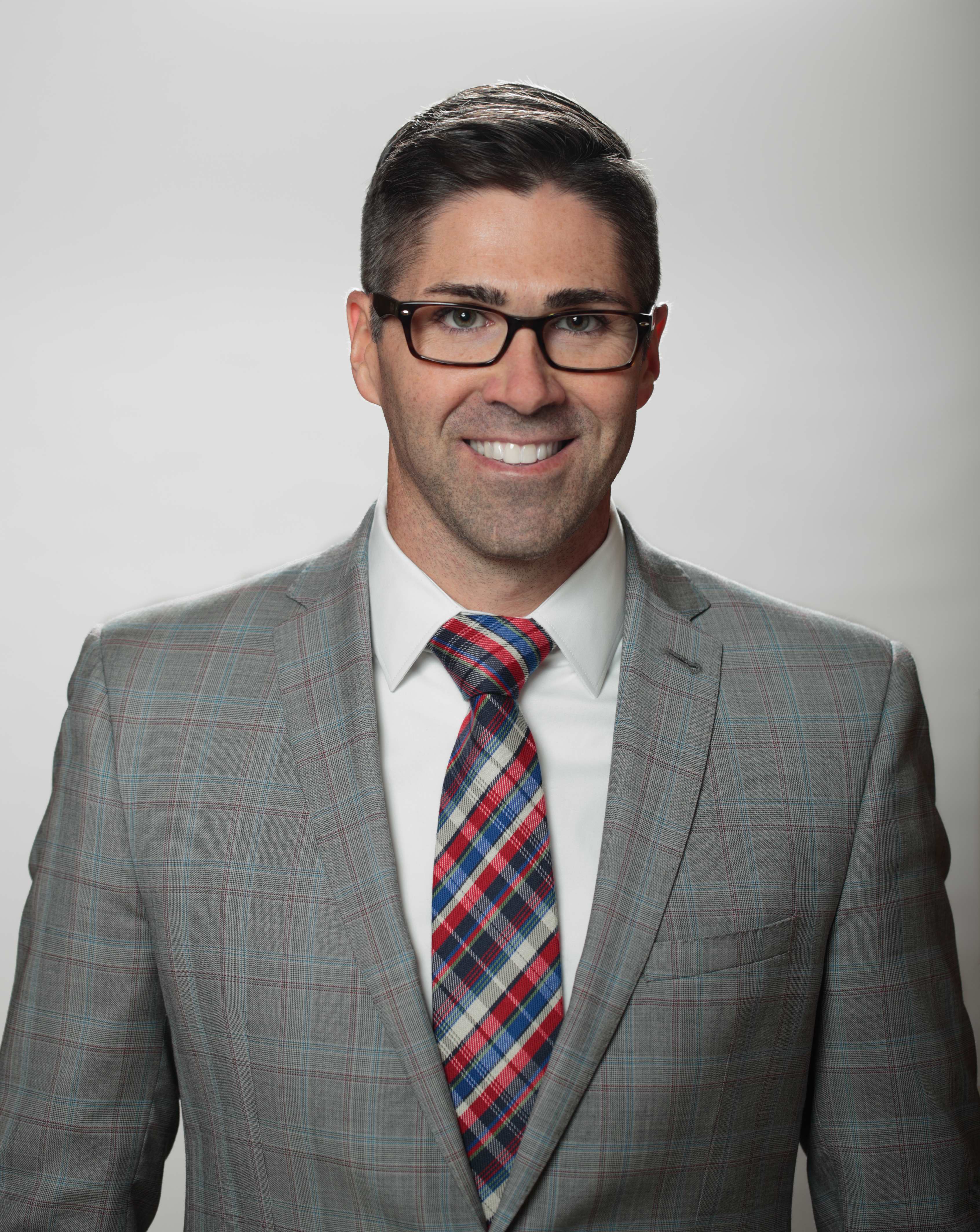
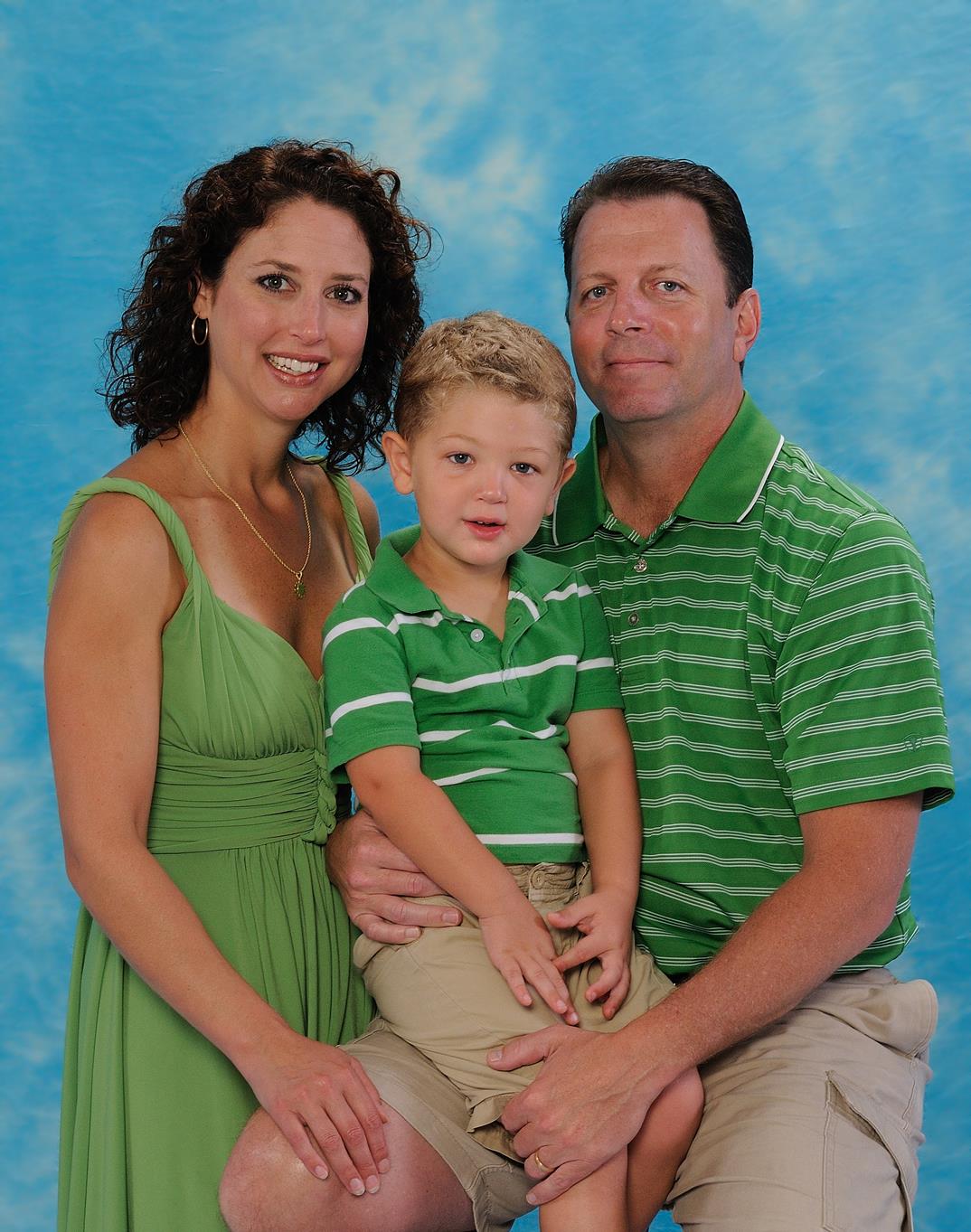
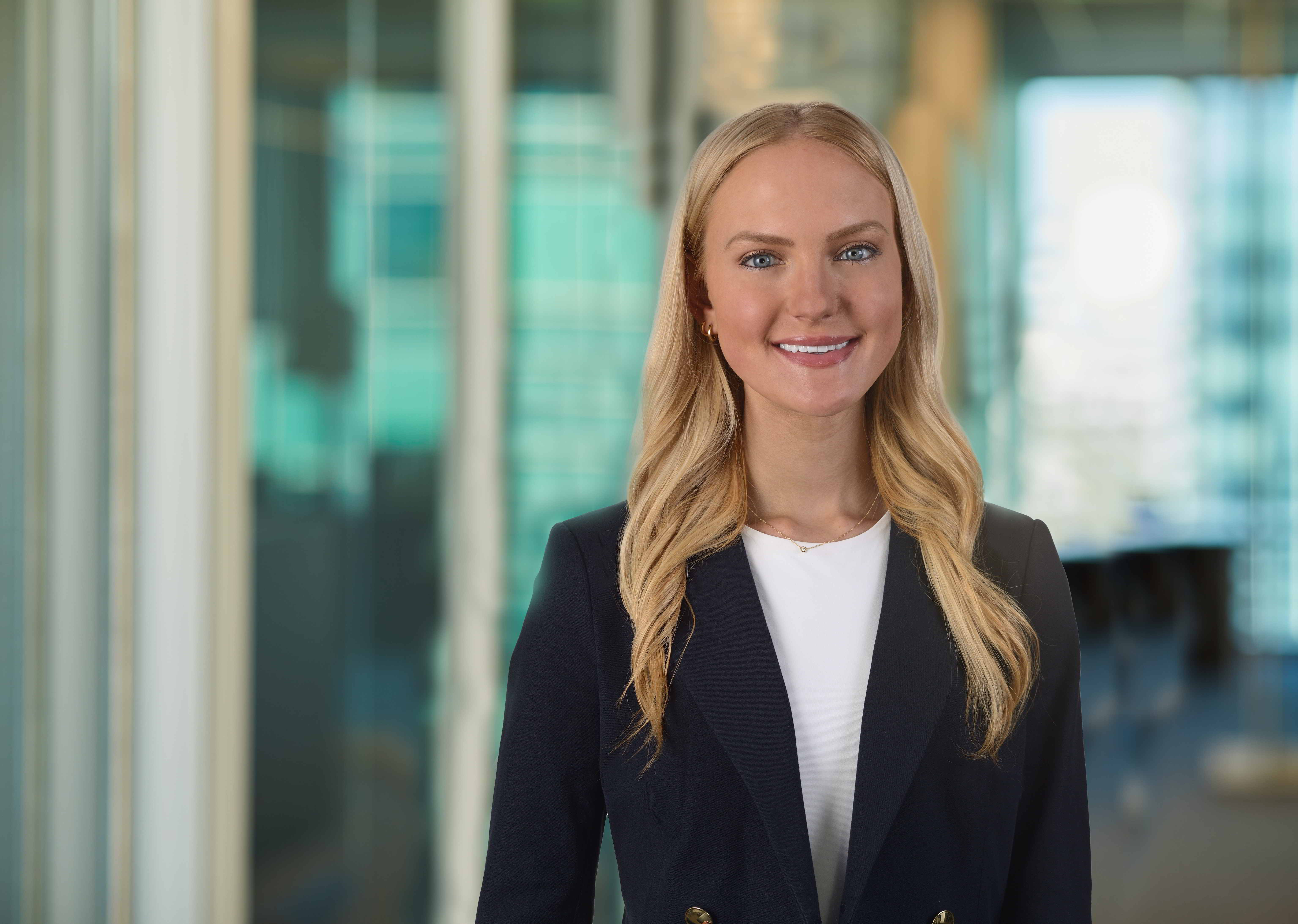
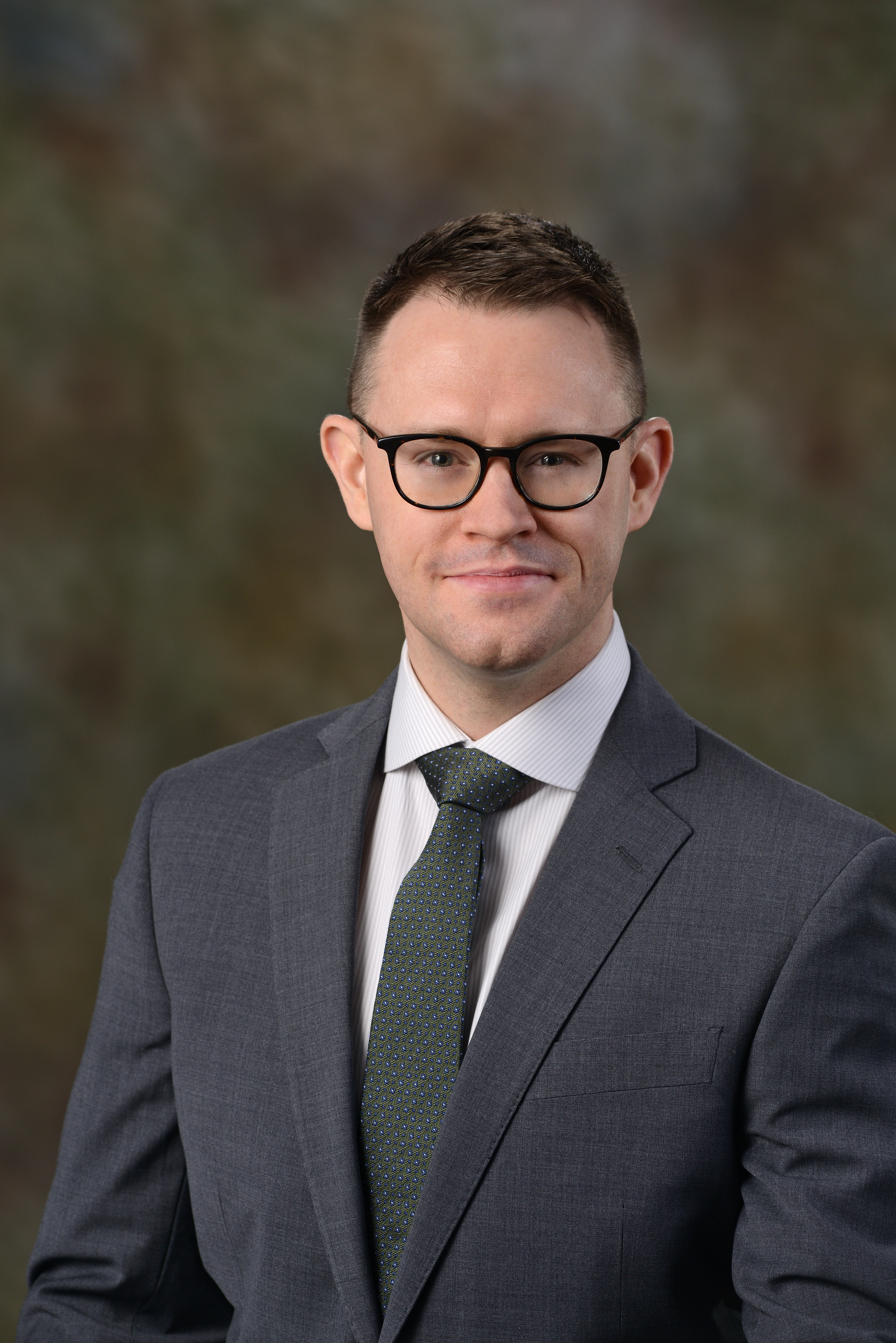
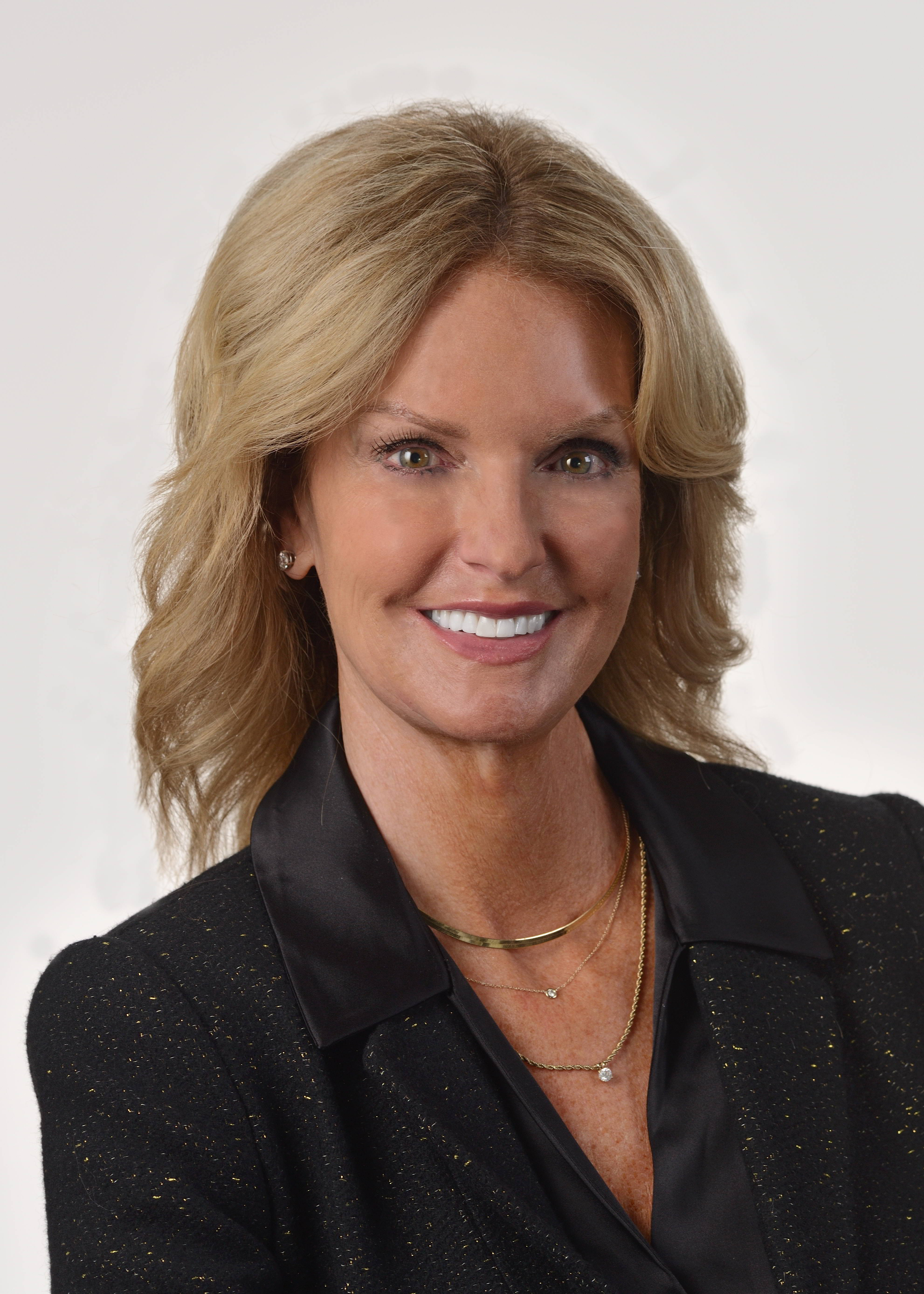
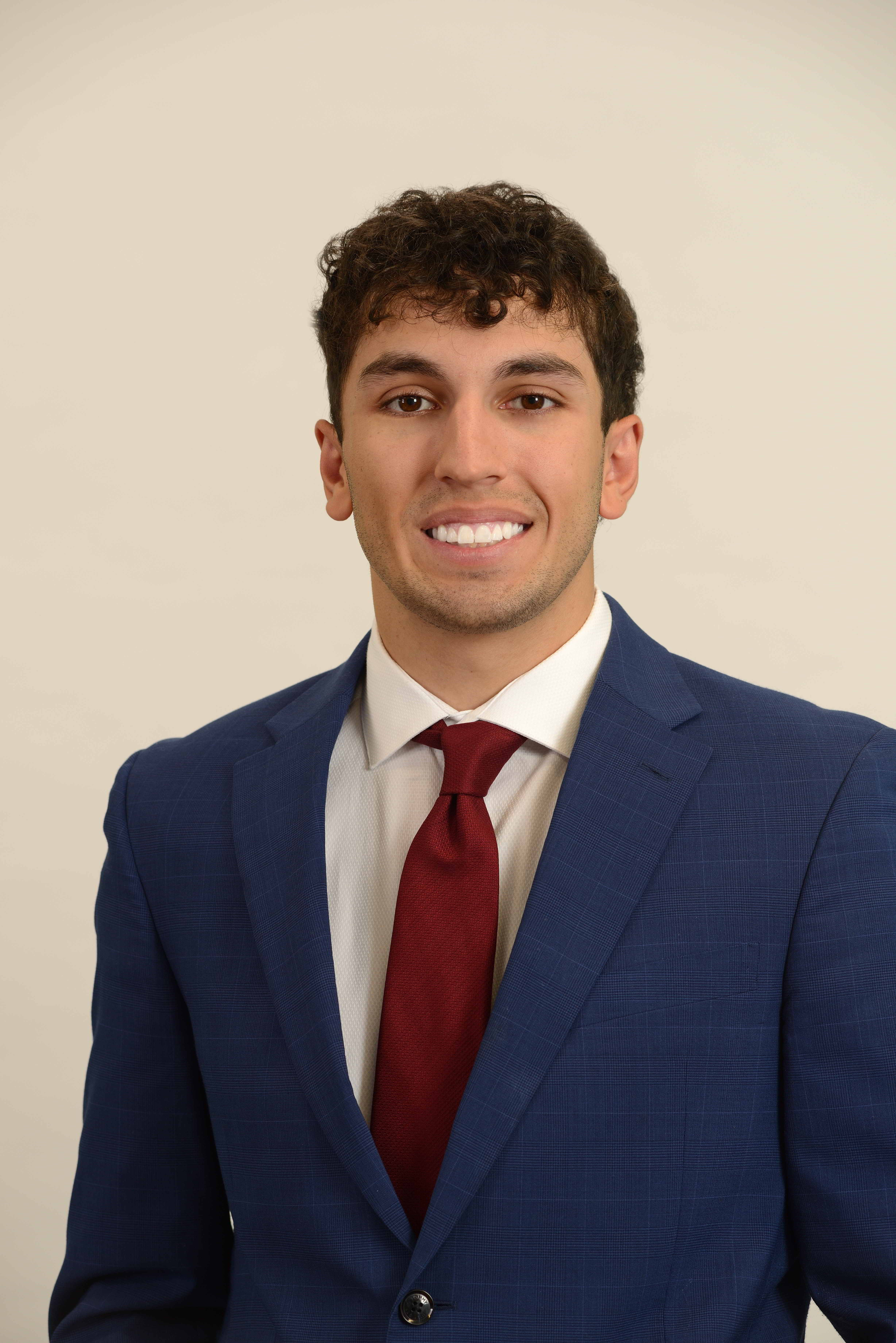
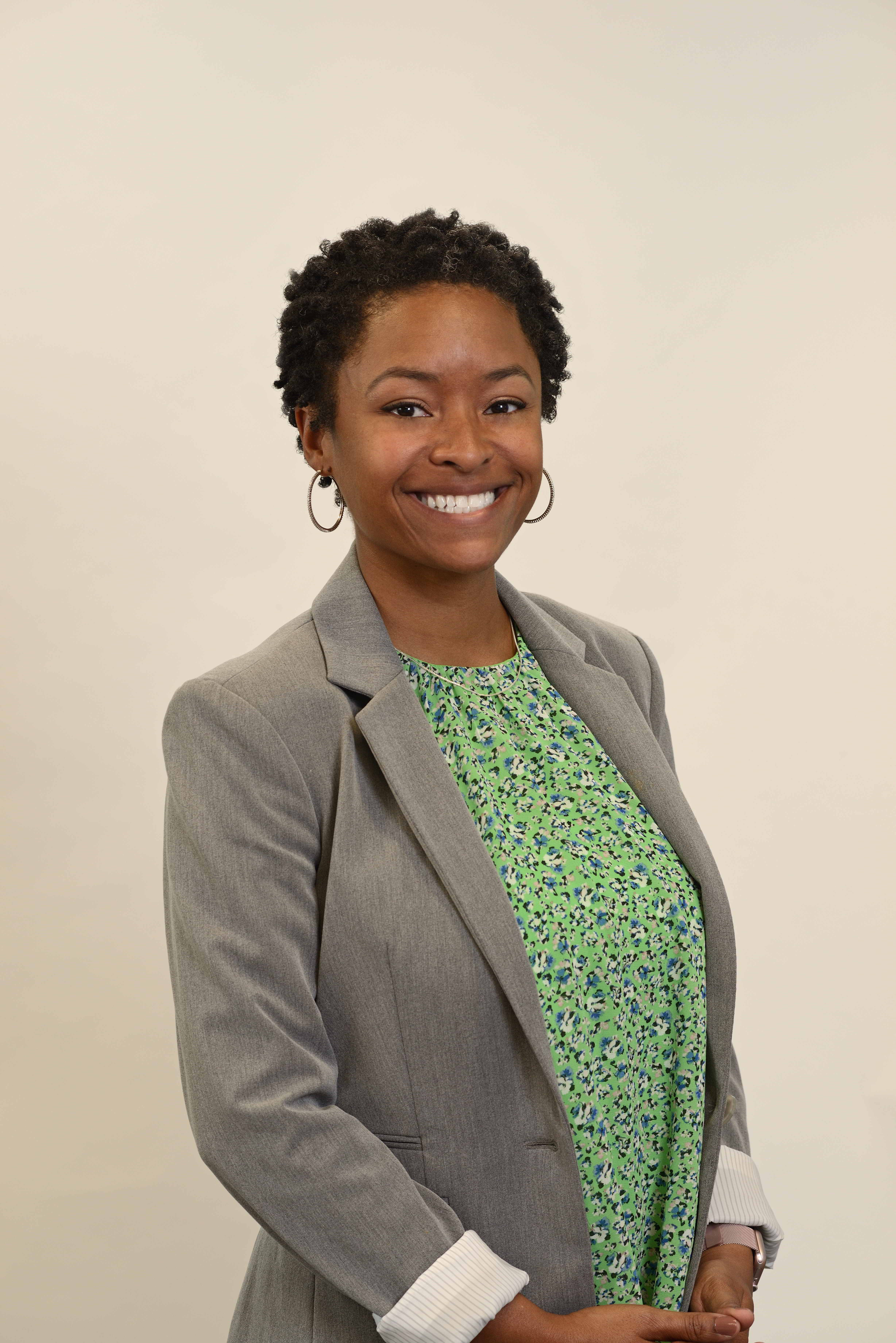
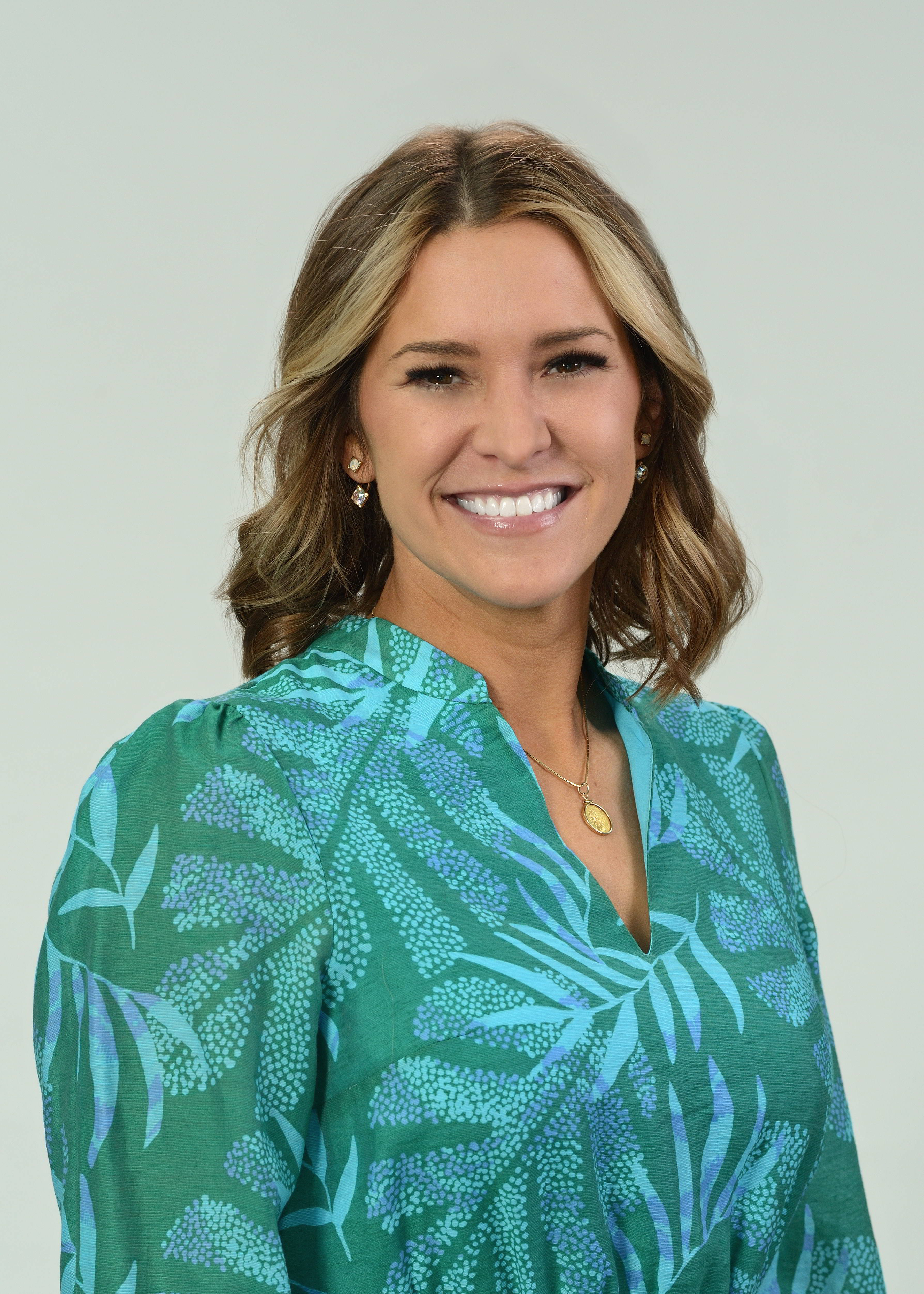
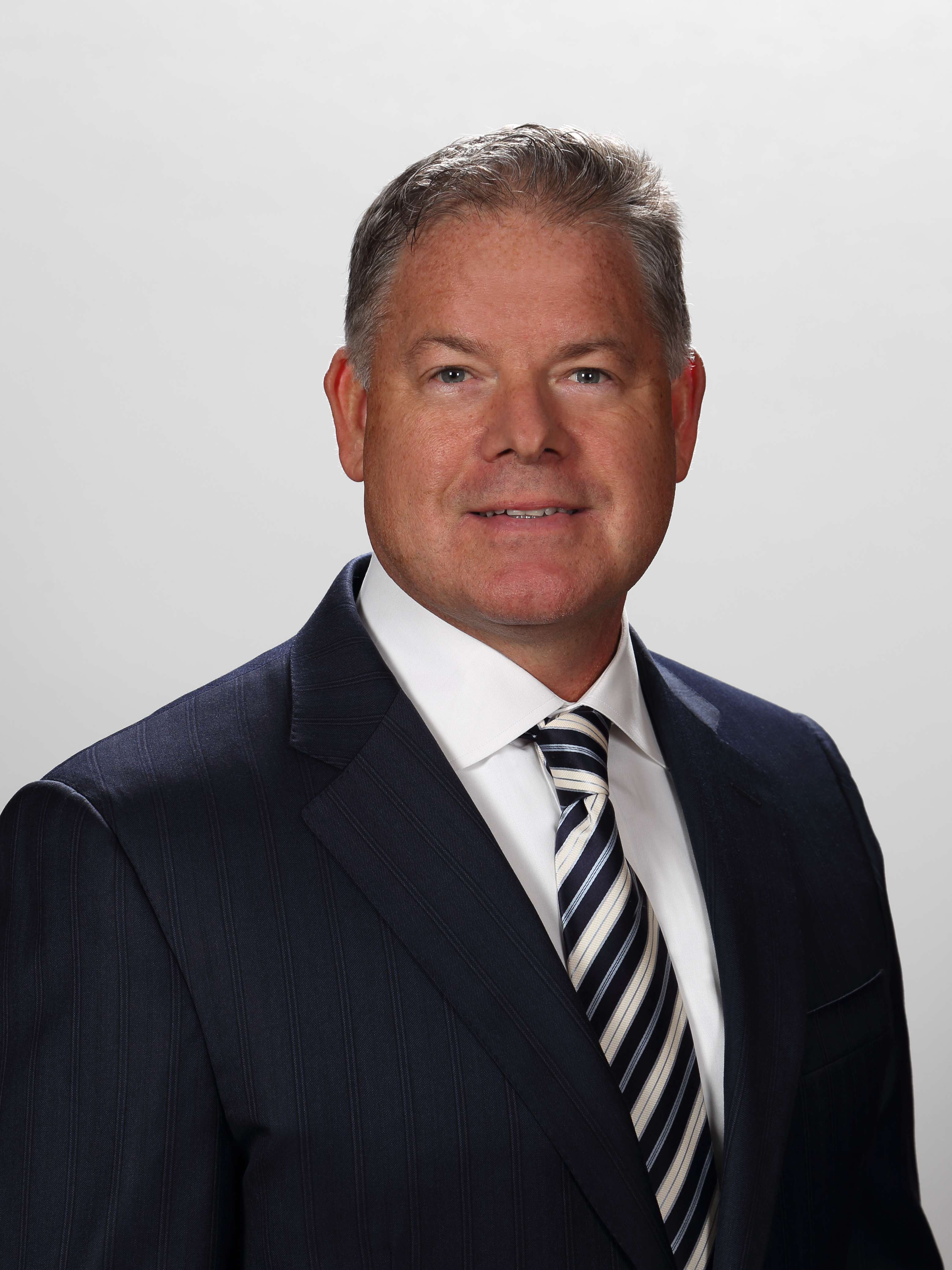
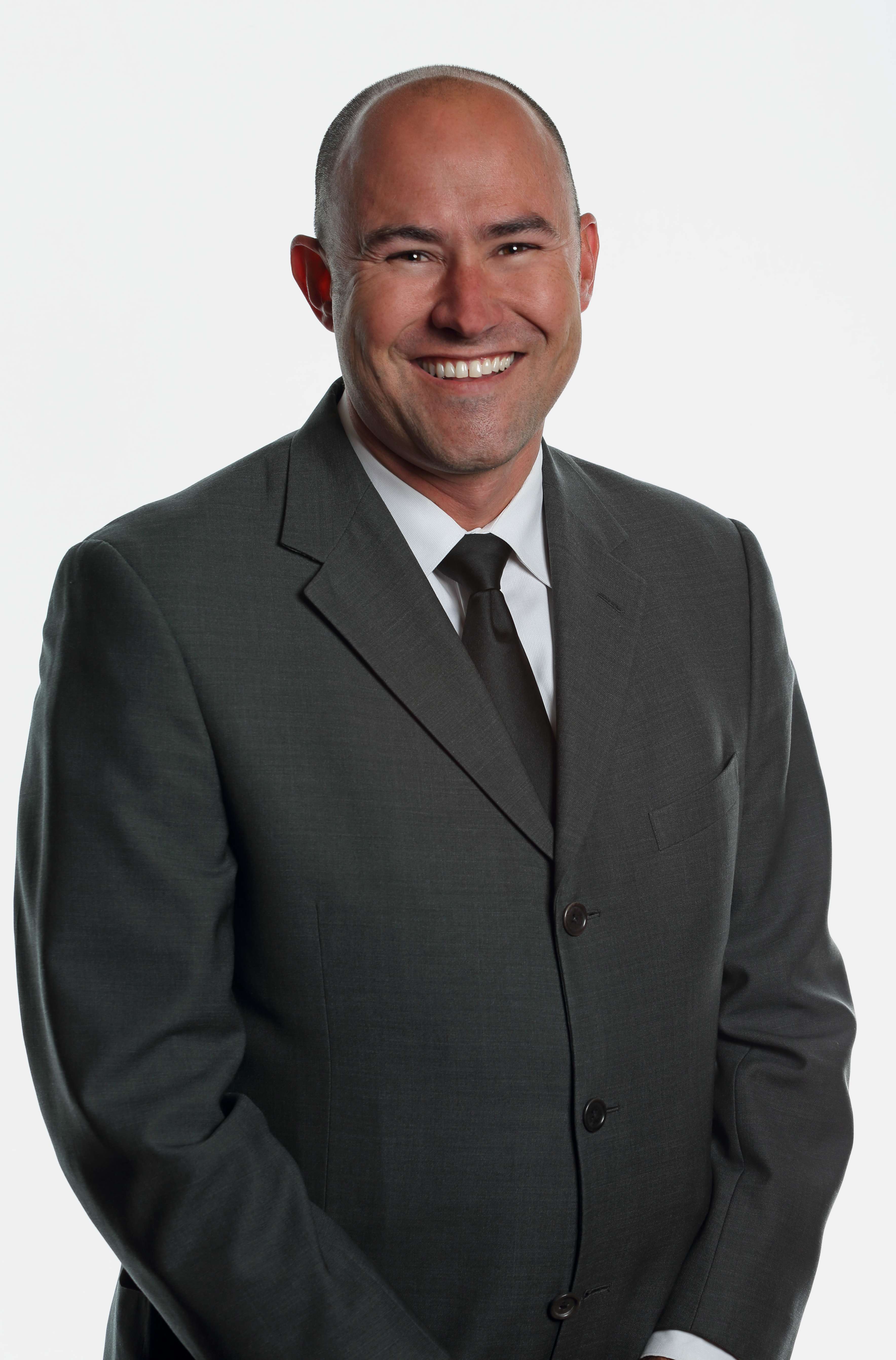
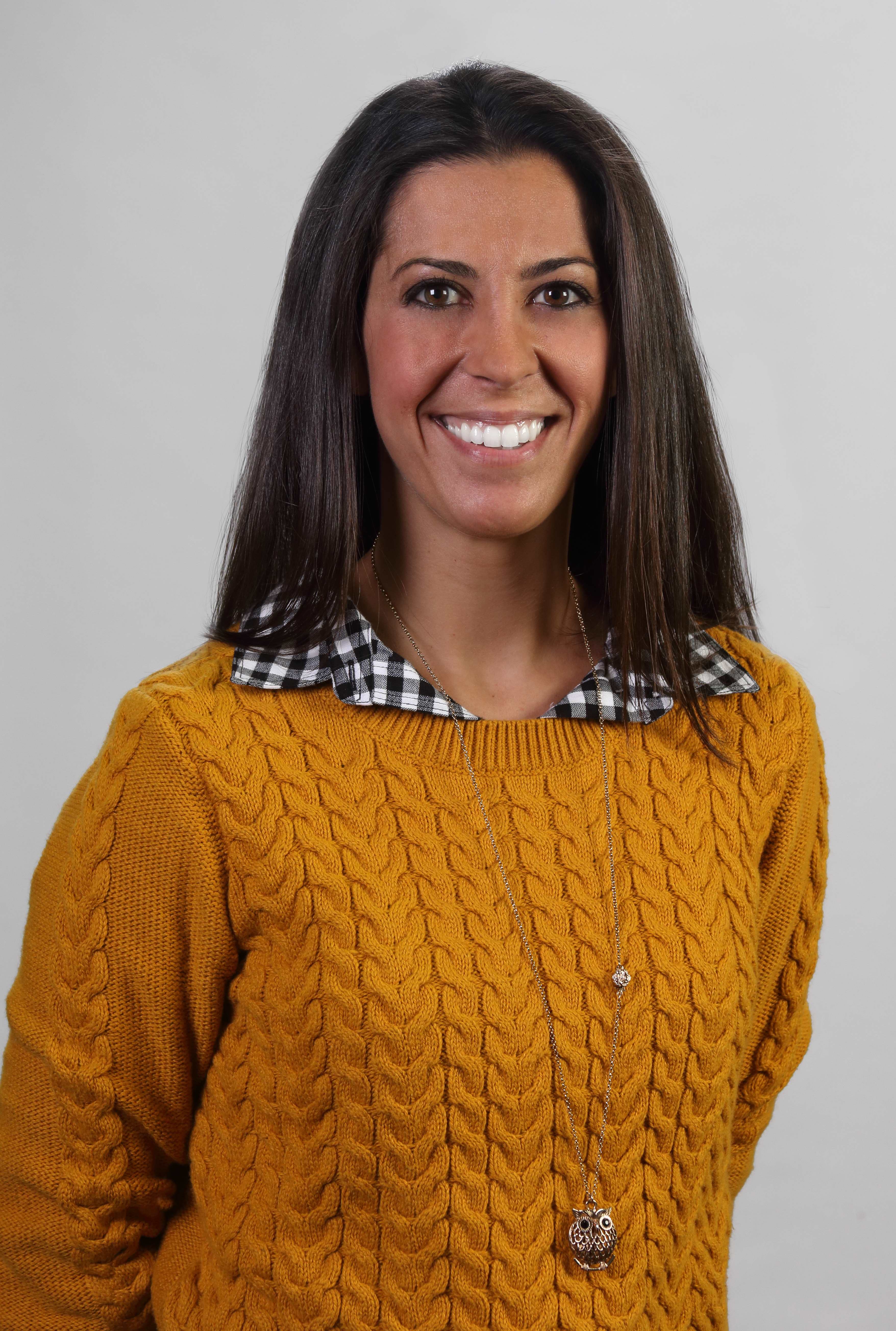
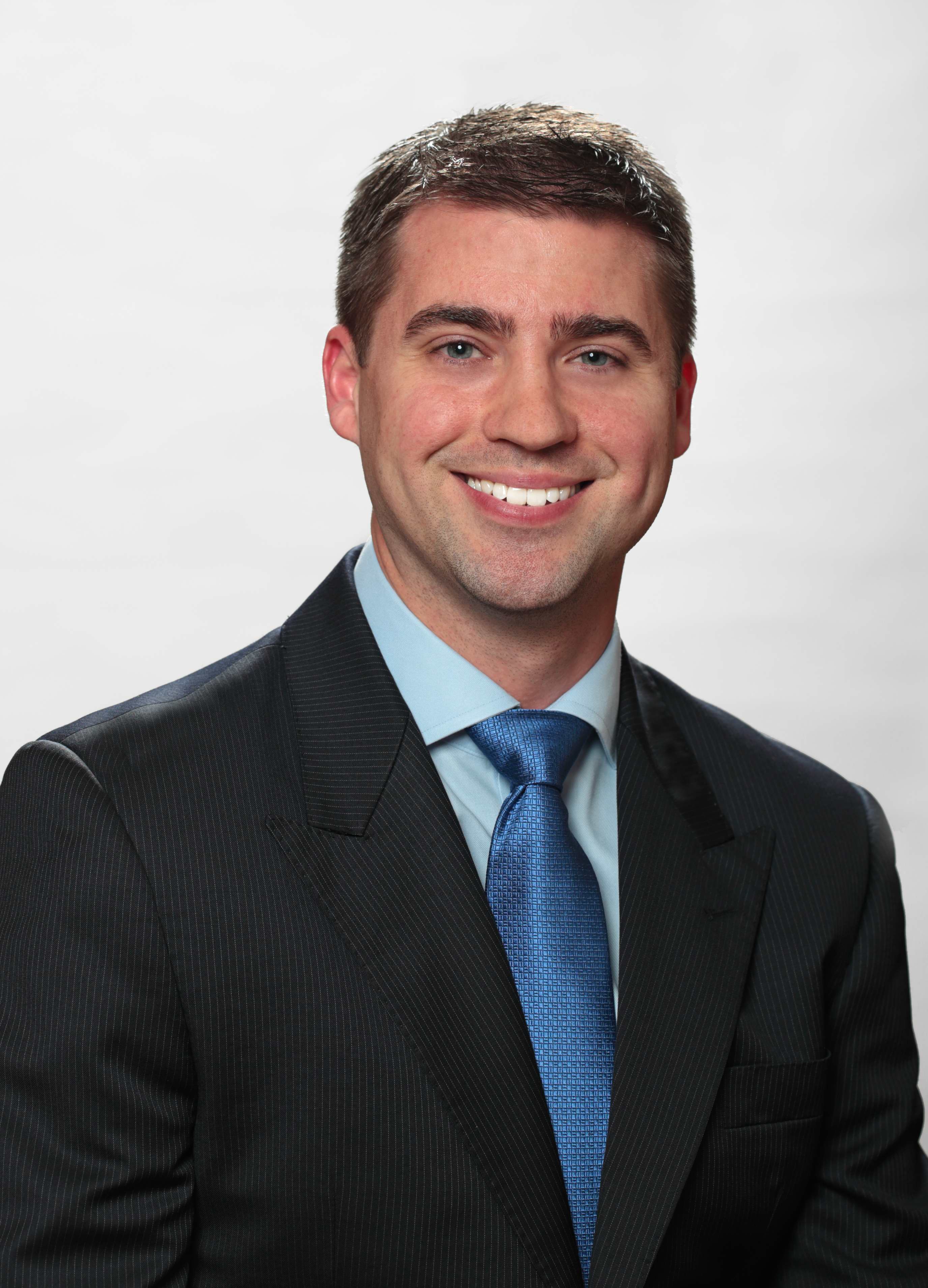
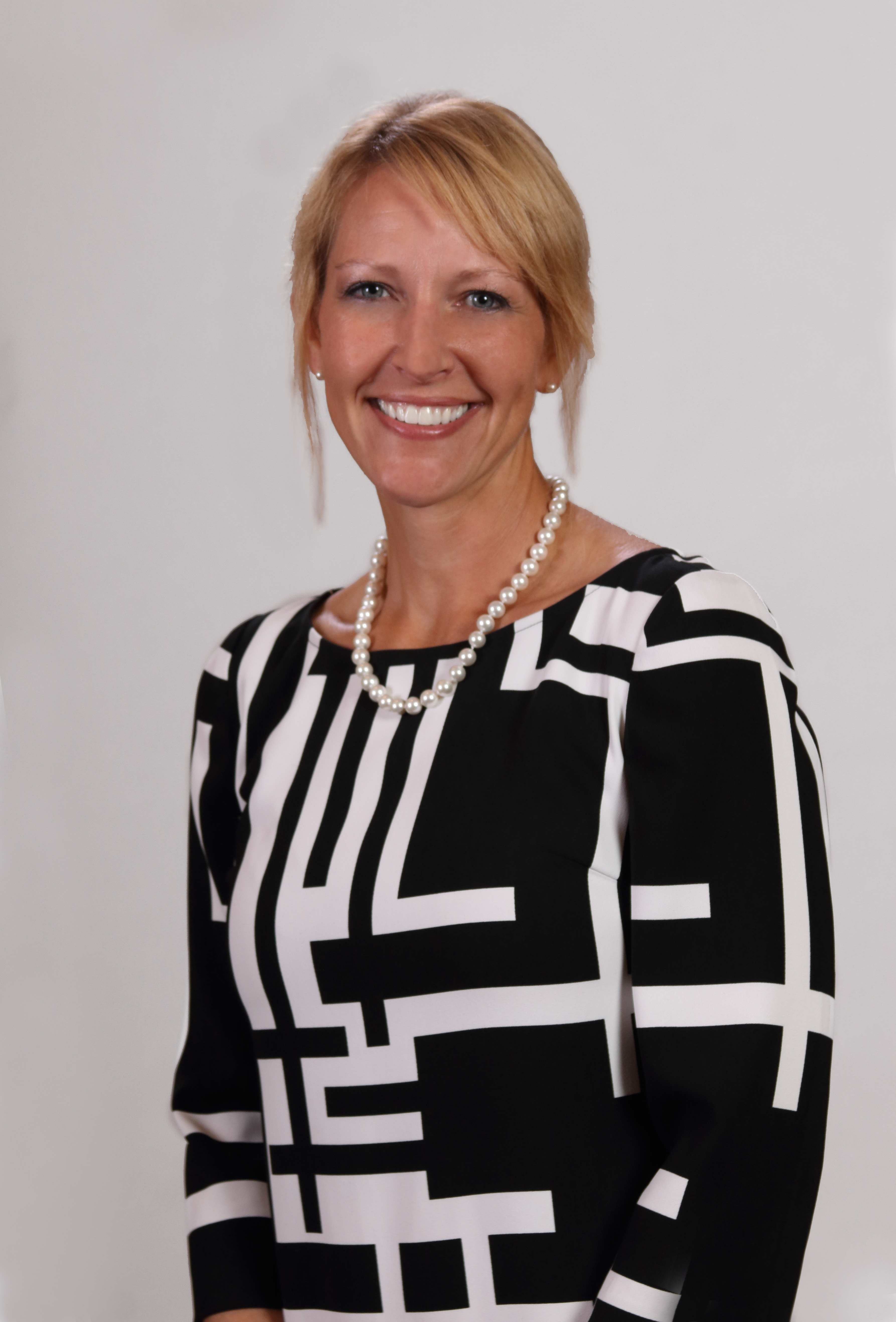
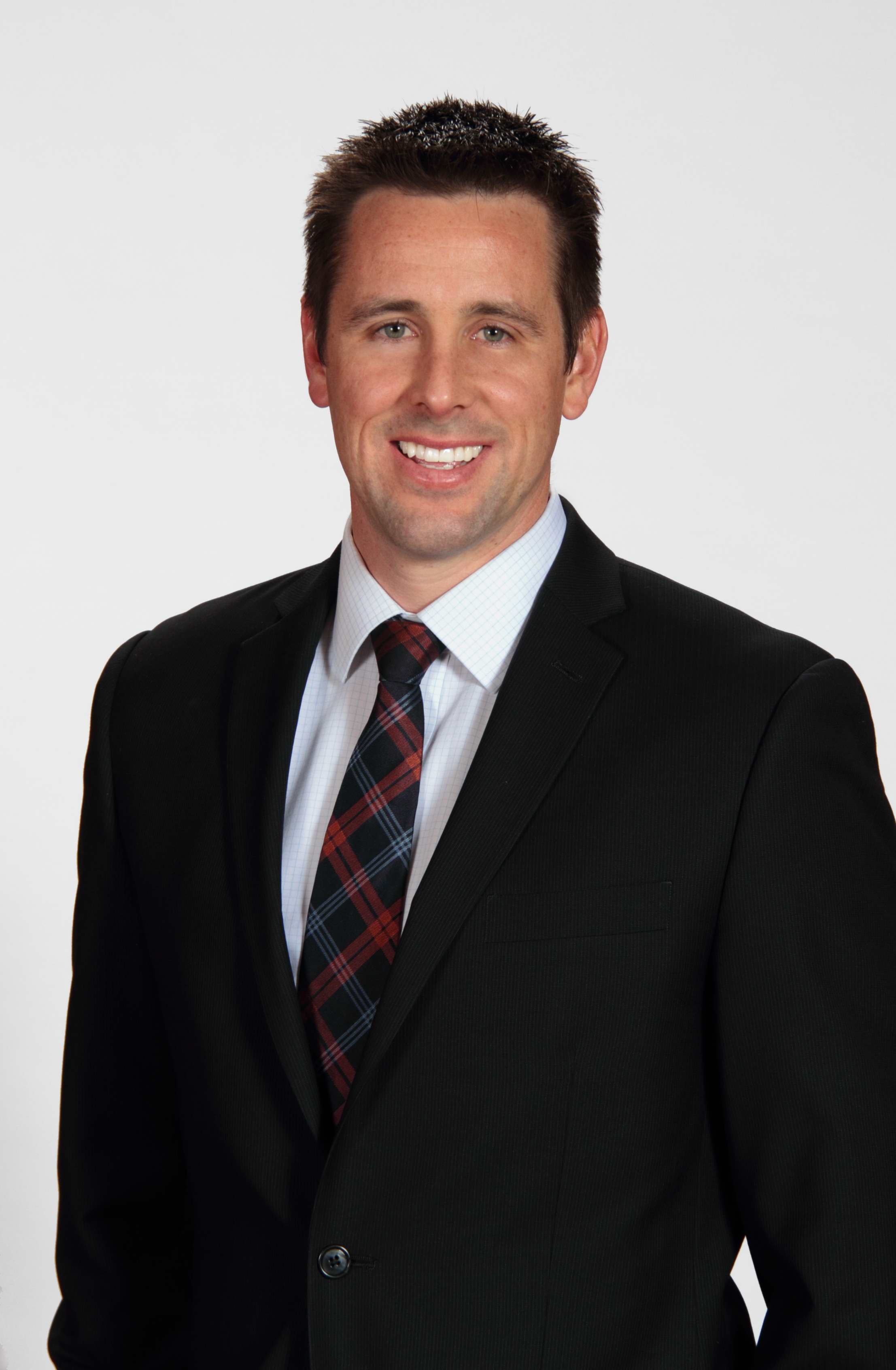
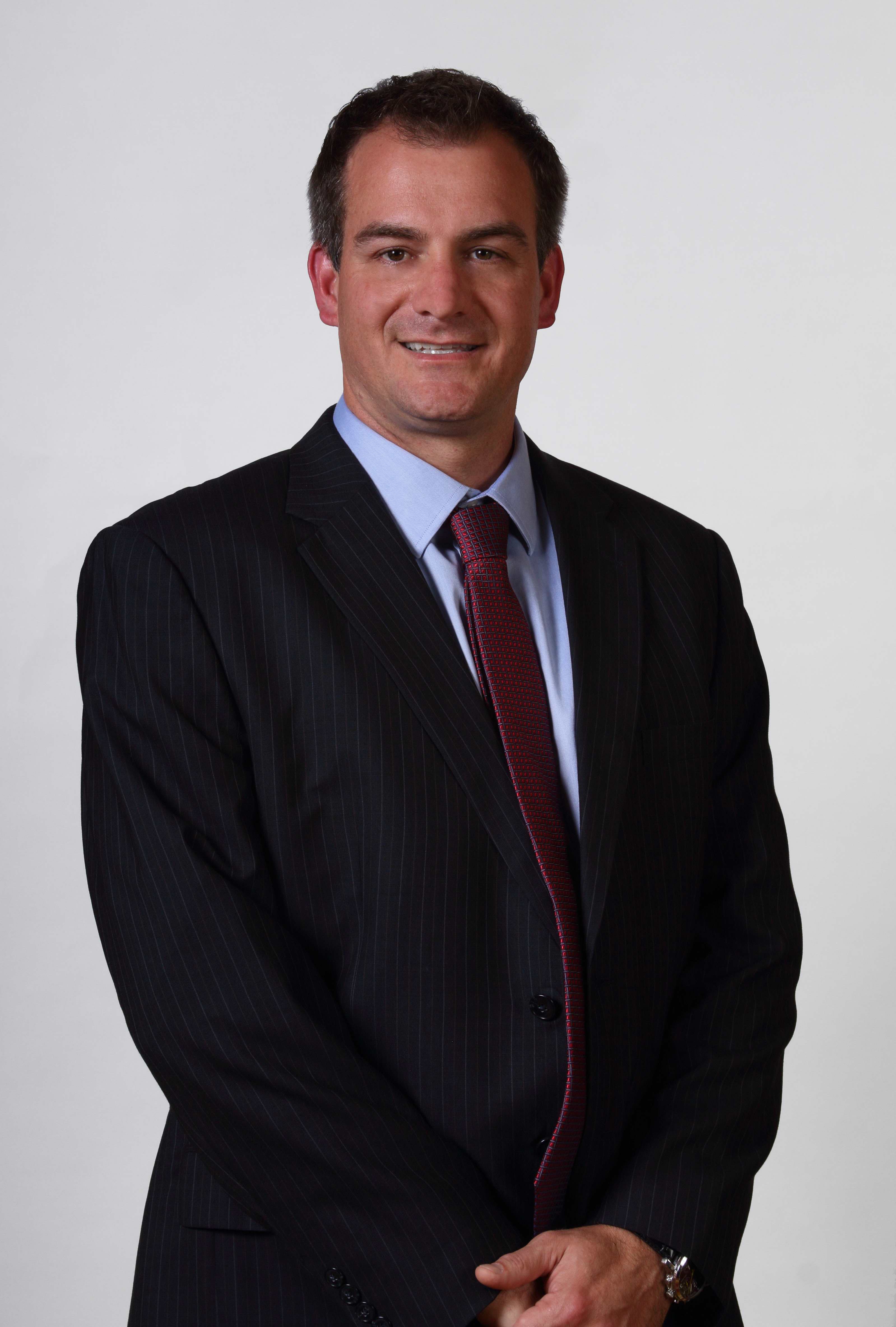
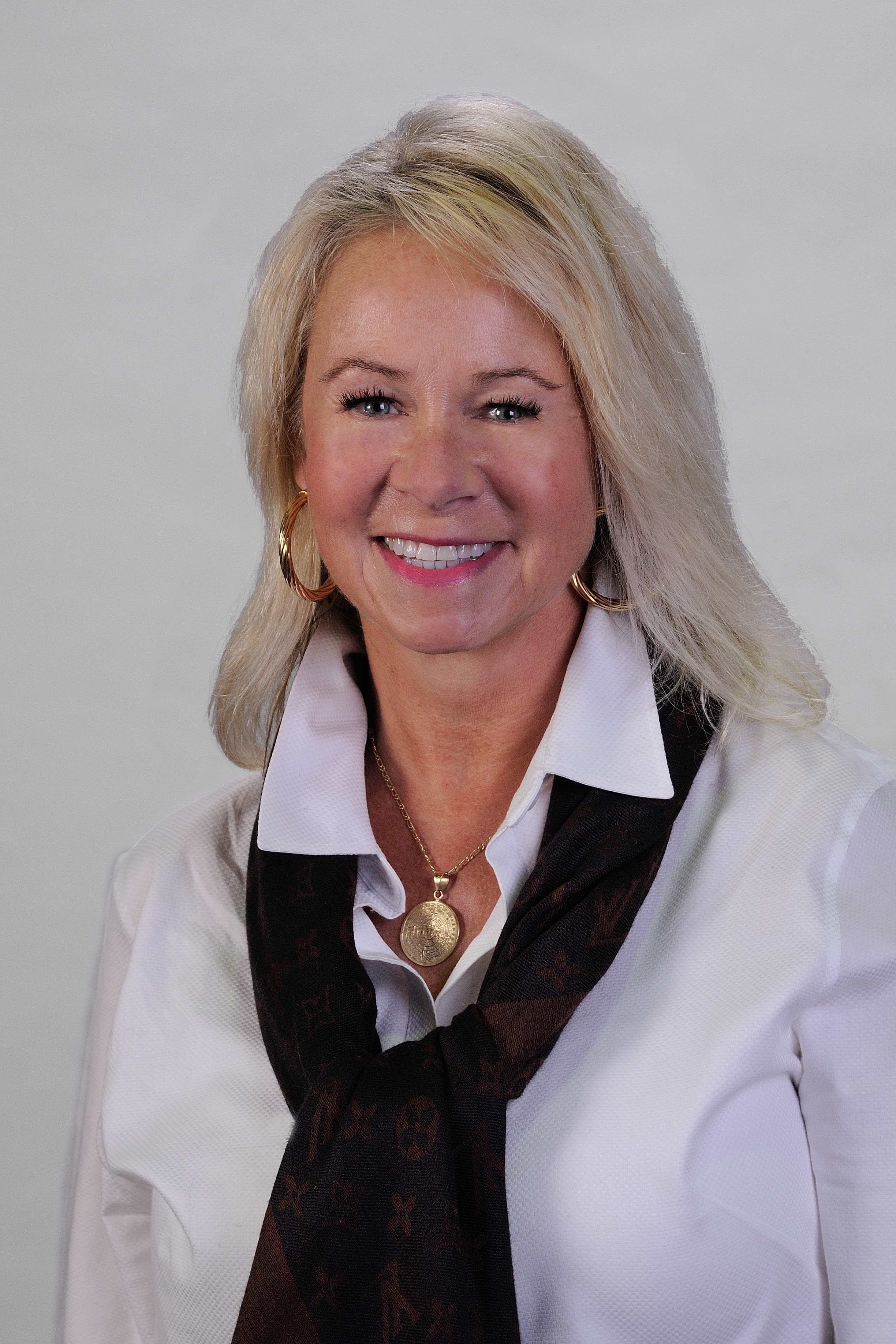
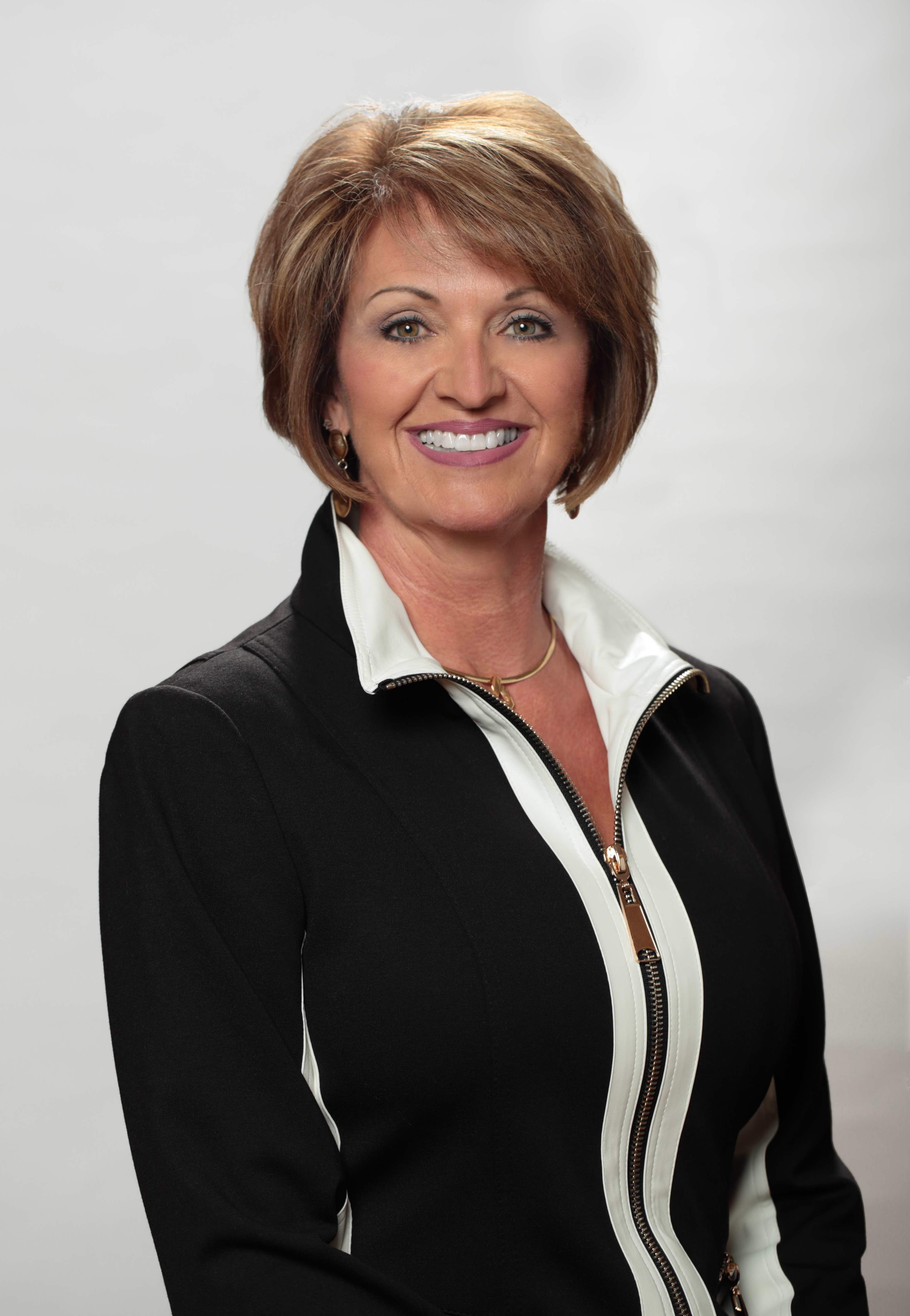
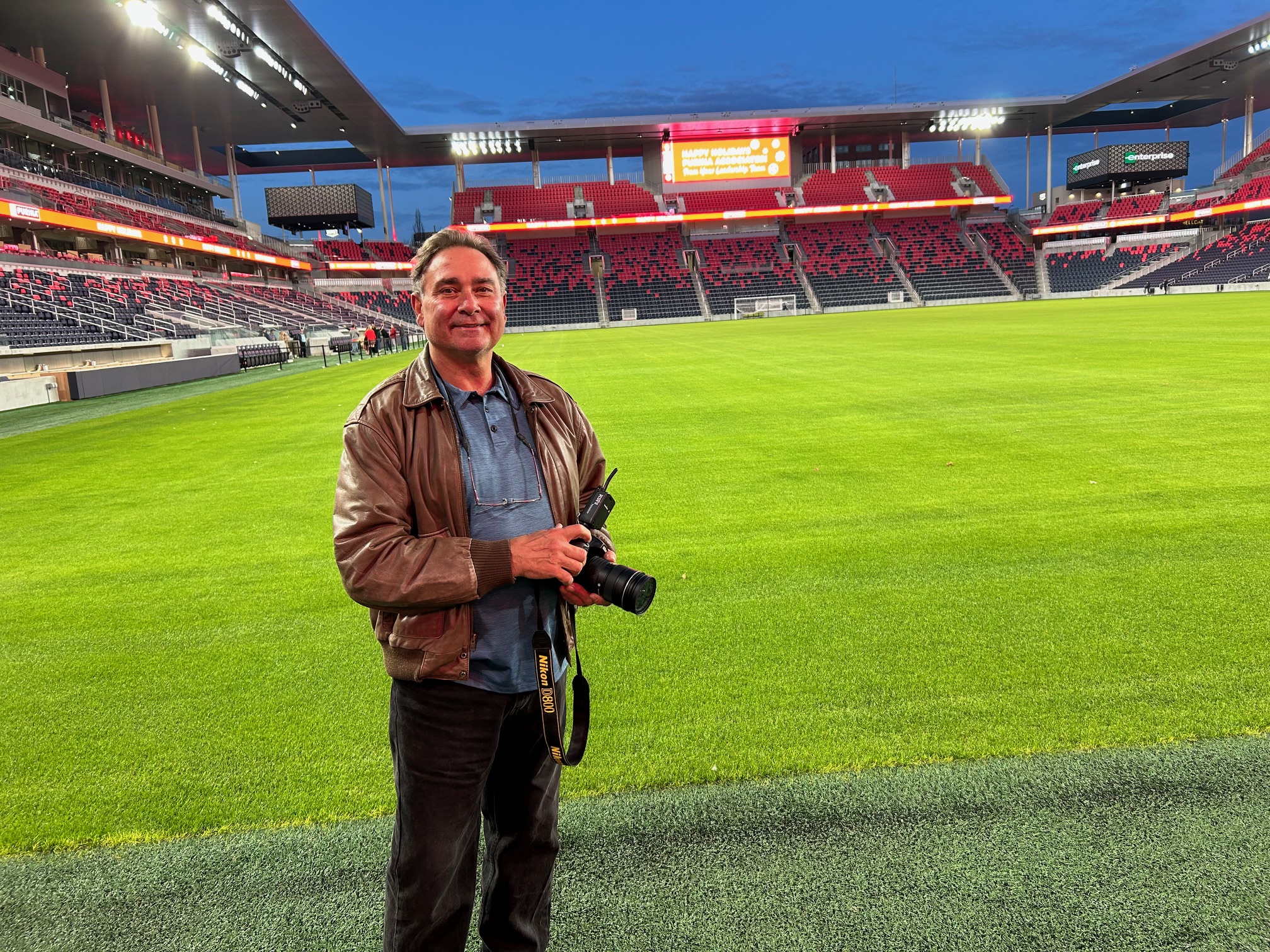
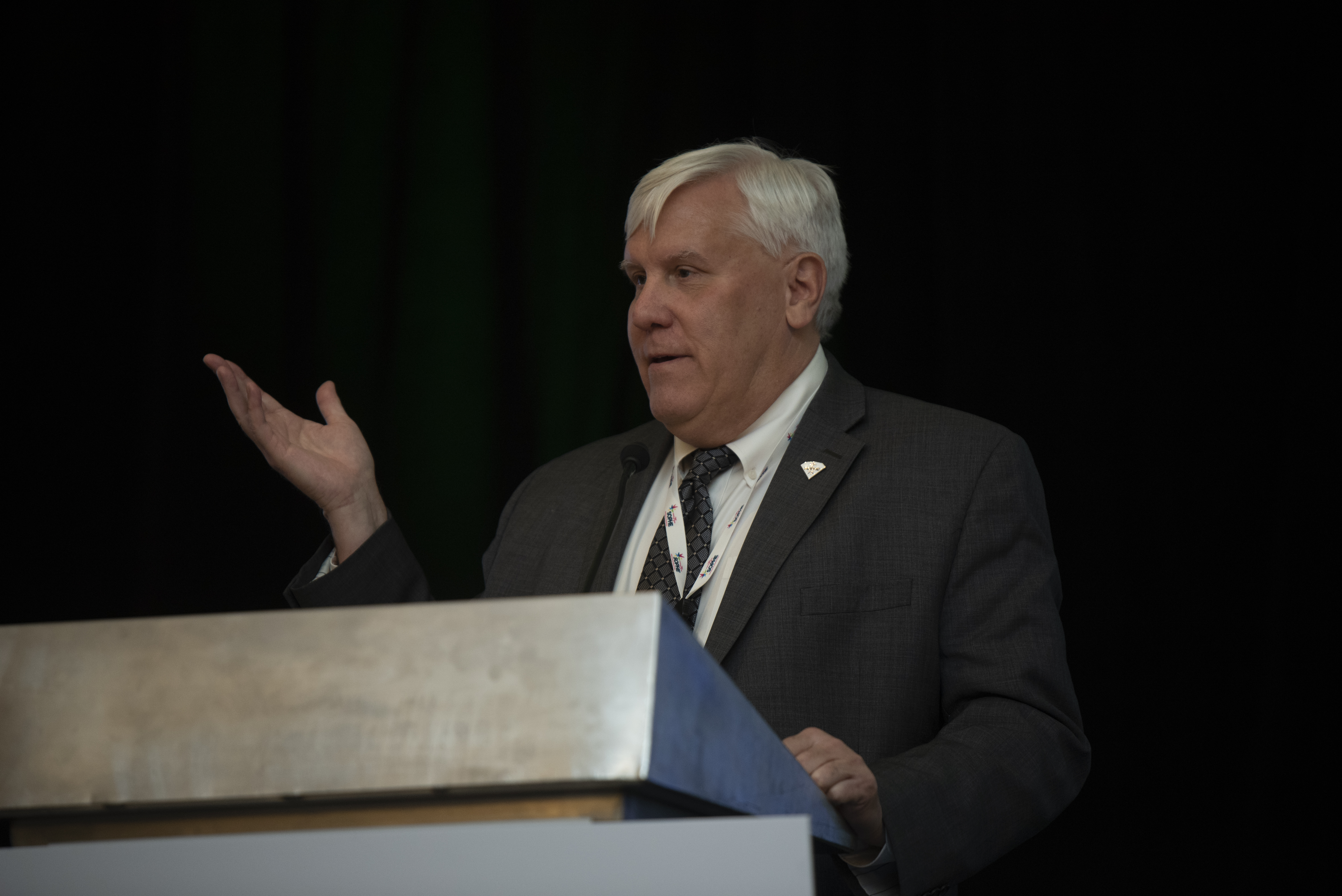
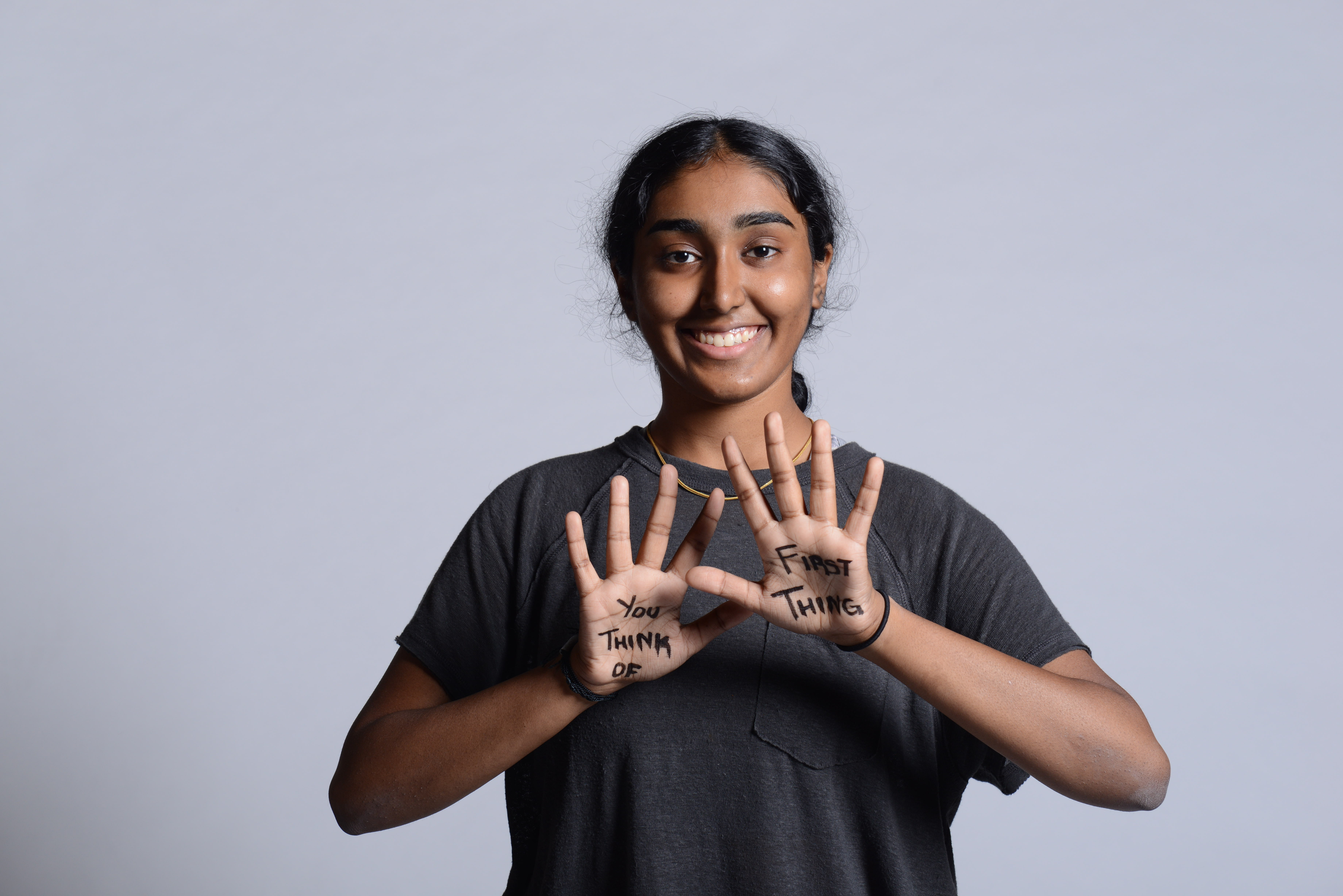
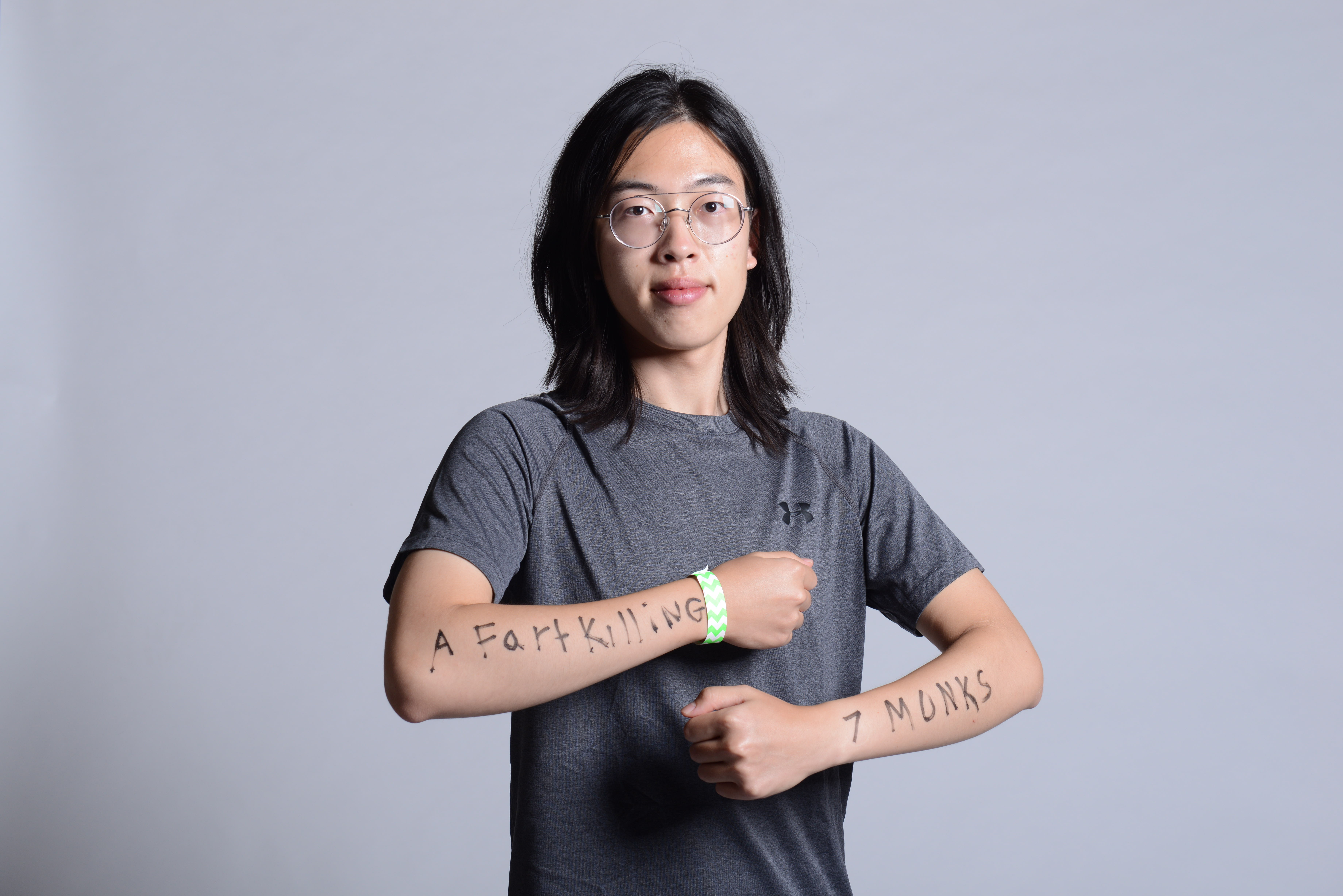
A business headshot is often one of the most visible brand assets a company has. It may appear on a website, proposal, LinkedIn page, email signature, speaker bio, press release, brochure, conference program, or social media profile. When headshots are inconsistent, outdated, poorly lit, or casually photographed, the business can appear less professional than it actually is.

Professional headshots help create a unified public image. They show the people behind the company and make the brand more approachable. For small businesses, this is especially valuable because customers often choose service providers based on confidence, familiarity, and perceived expertise.

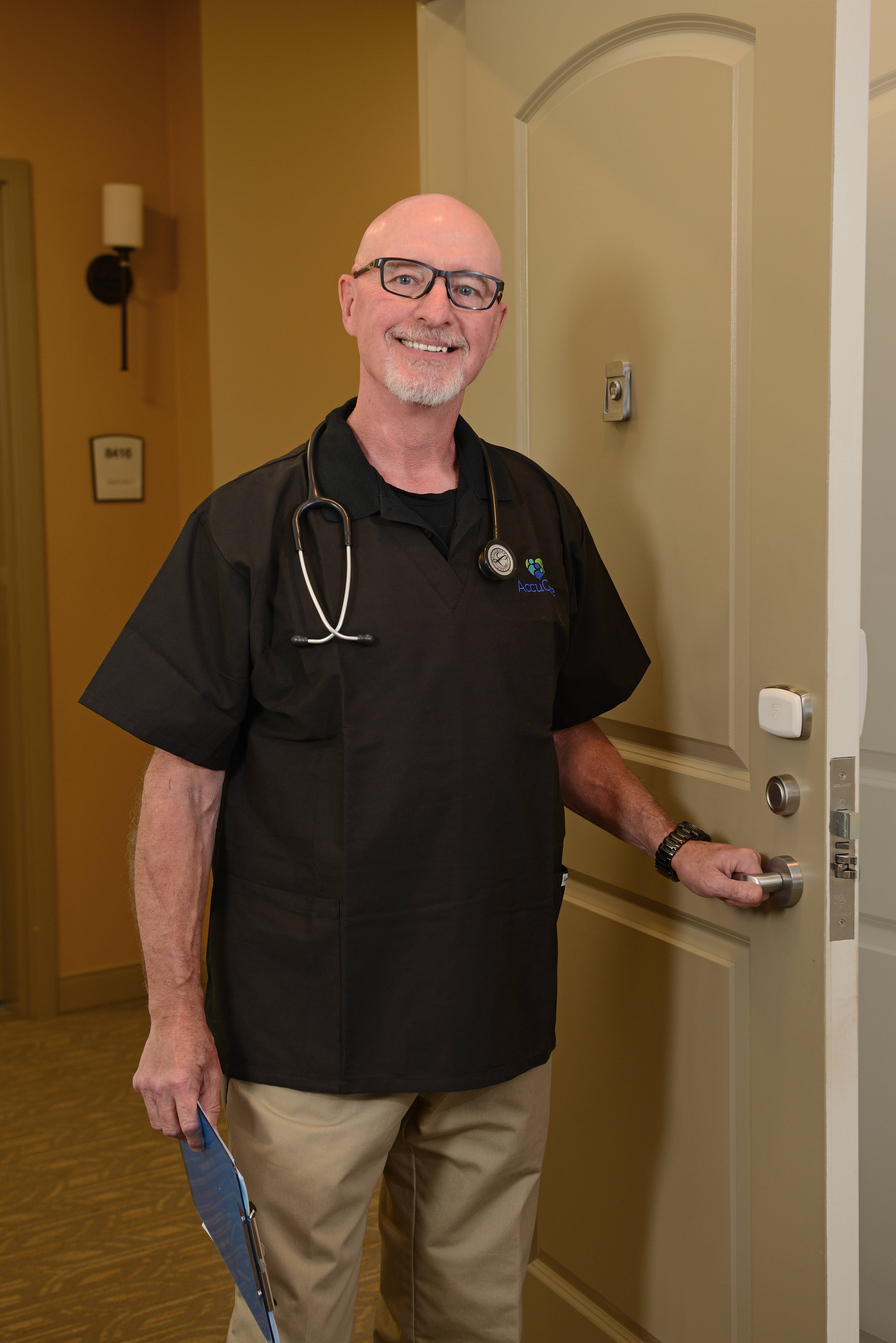
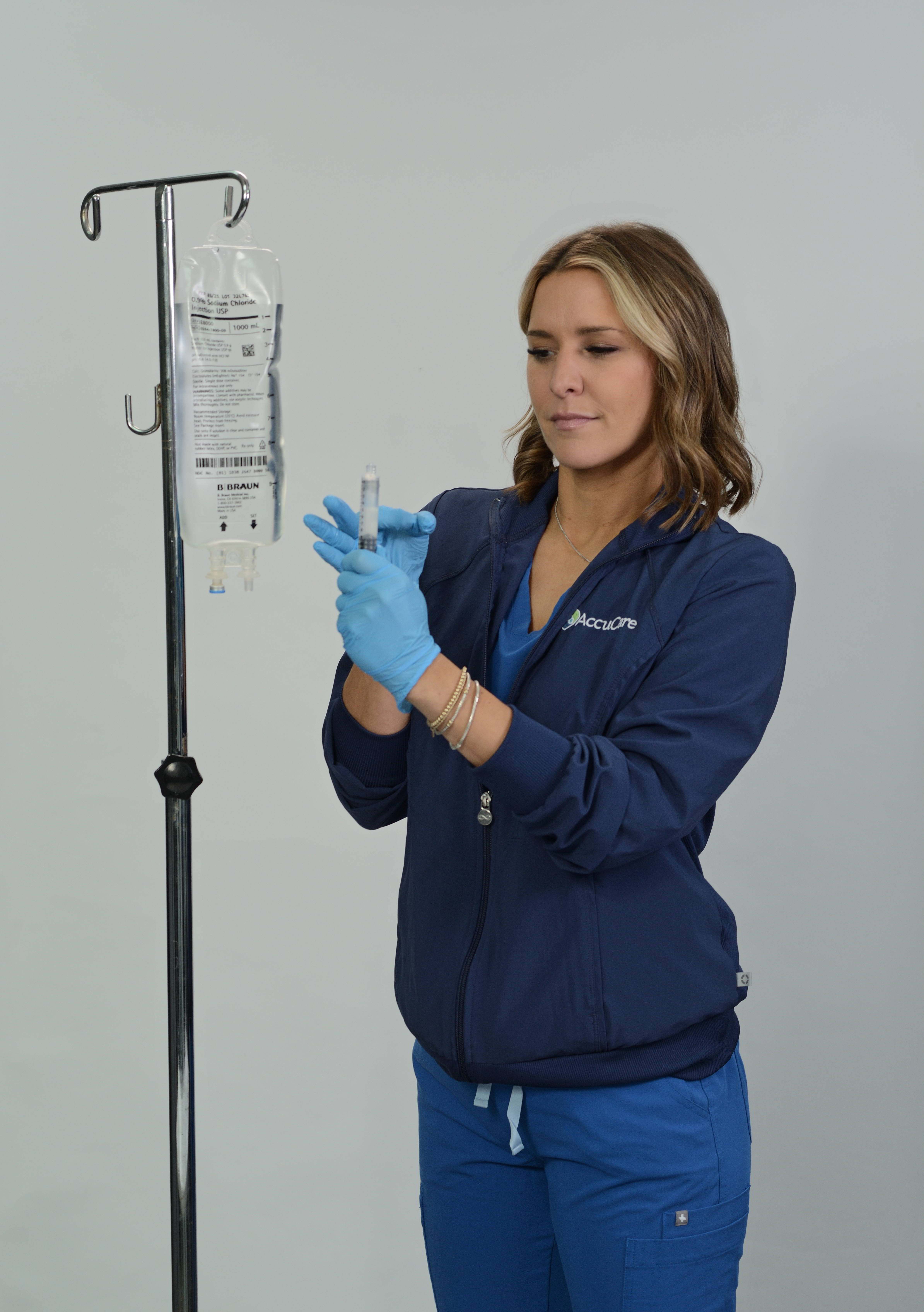
A strong headshot should be properly lit, well-composed, flattering, and appropriate for the company’s industry. Some businesses need formal executive portraits. Others benefit from a warmer, more relaxed style. Creative companies may want environmental portraits in a working space. Medical, legal, financial, construction, consulting, and service-based businesses may each need a different visual tone.

St Louis Photo Studio helps businesses determine the right headshot style for their brand, audience, and intended use.

Headshots That Work Across Websites, LinkedIn, and Marketing Materials

Small business headshots should be created with flexibility in mind. A professional session can provide images for many platforms and marketing needs, including:

Website team pages
LinkedIn profiles
Email signatures
Business cards
Sales proposals
Speaker biographies
Press releases
Social media profiles
Recruiting materials
Digital ads
Company brochures
Trade show displays

The goal is not simply to take a picture. The goal is to create a professional image library that helps the business communicate clearly and consistently across multiple channels.

A well-planned headshot session can include different crops, backgrounds, poses, and file formats. Some businesses may need clean studio portraits on a neutral background. Others may want office portraits, team images, environmental photography, or branded lifestyle images that show the personality of the business.

Short Video Clips for Social Media

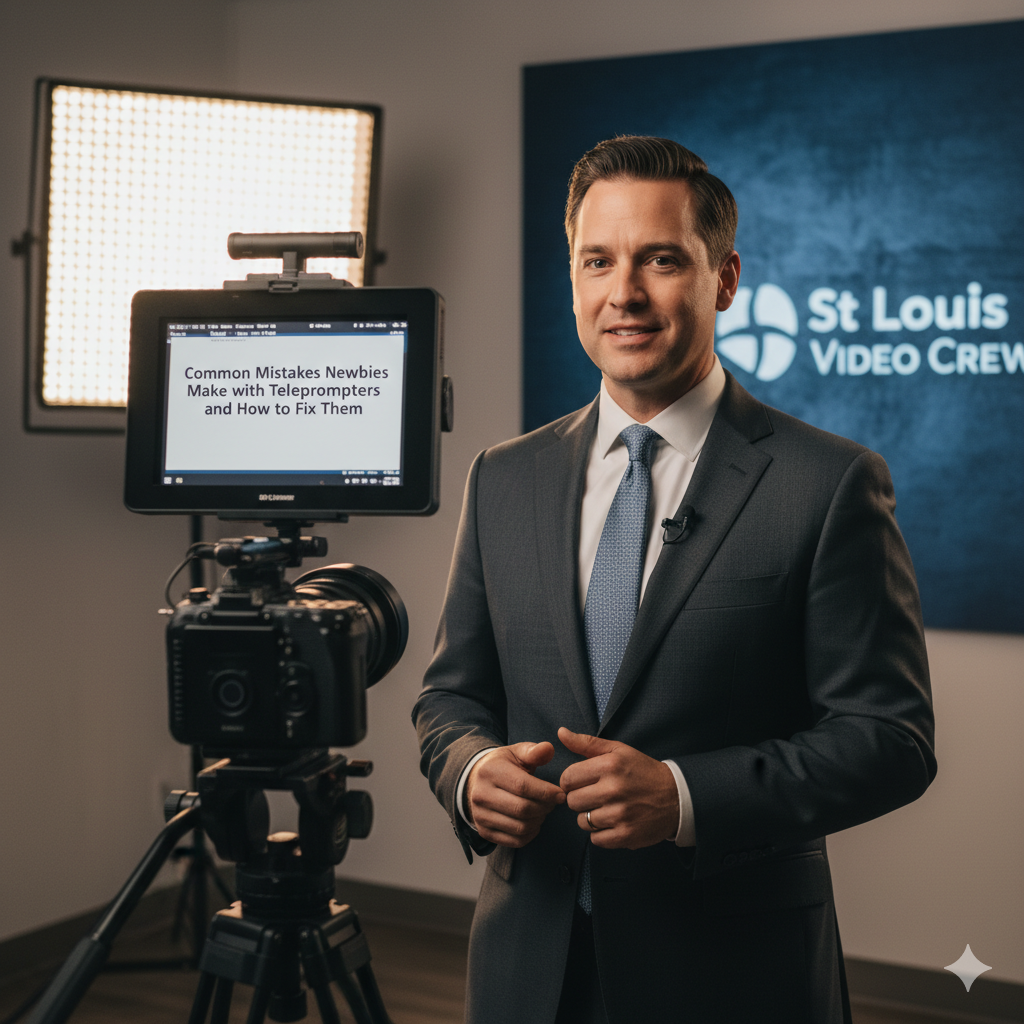
Short-form video has become one of the most practical tools for small business marketing. A 15-second, 30-second, or 60-second clip can introduce a business, explain a service, answer a customer question, promote an event, highlight a project, or demonstrate a process.

Small business video does not always need to be complicated. The most effective clips are often clear, focused, and useful. Instead of trying to say everything at once, a business can create a series of short videos that each address one topic.

Examples include:

Owner introduction videos
Staff profile clips
Service explanation videos
Customer testimonial clips
Behind-the-scenes content
Product or process demonstrations
Project highlights
Frequently asked question videos
Recruiting videos
Event recaps
Facility or office tours
Seasonal promotions
Community involvement clips

These videos can be used on LinkedIn, Facebook, Instagram, YouTube, websites, email marketing, landing pages, digital ads, and sales follow-ups.

Combining Headshots and Video in One Efficient Production Session

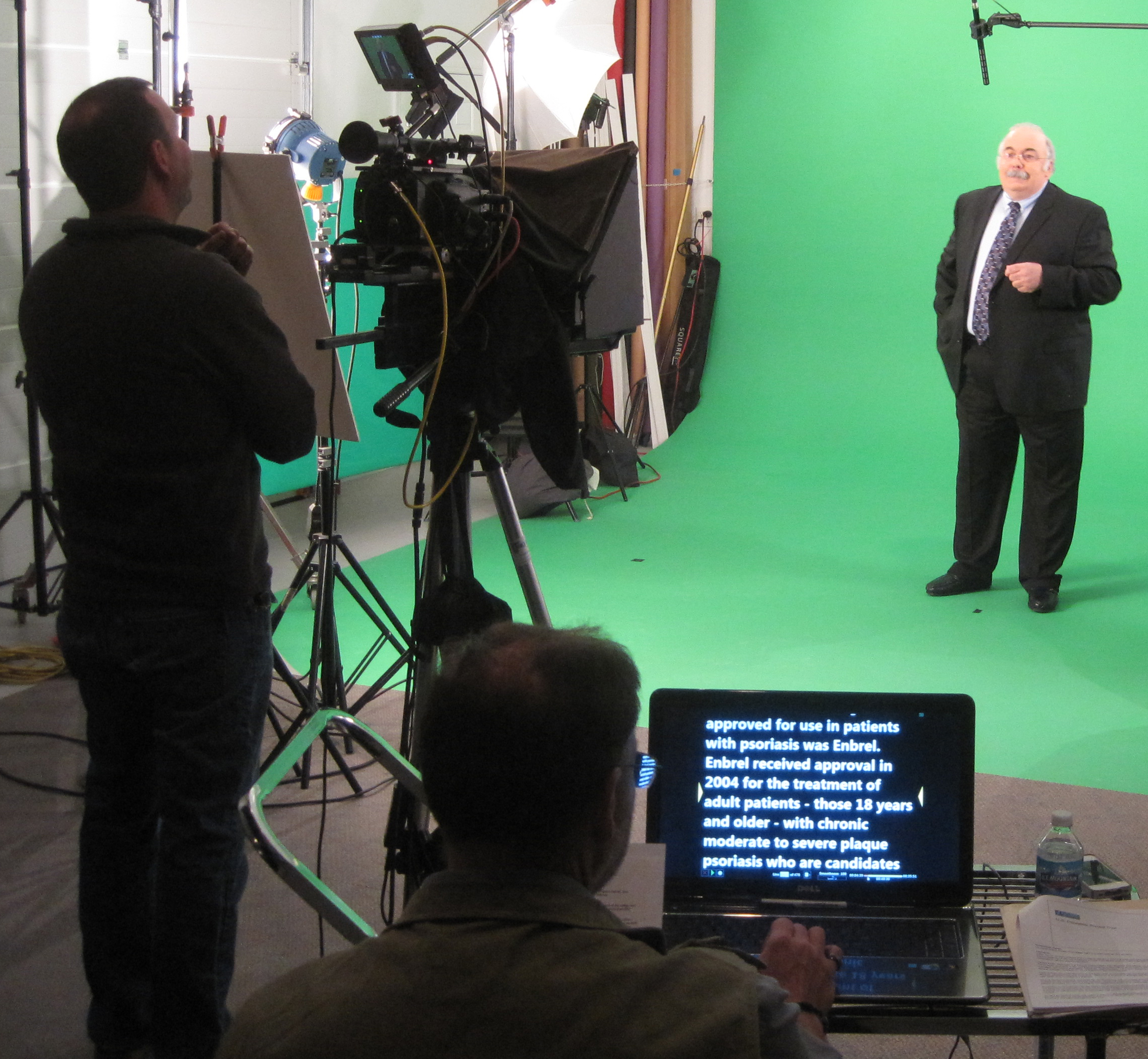
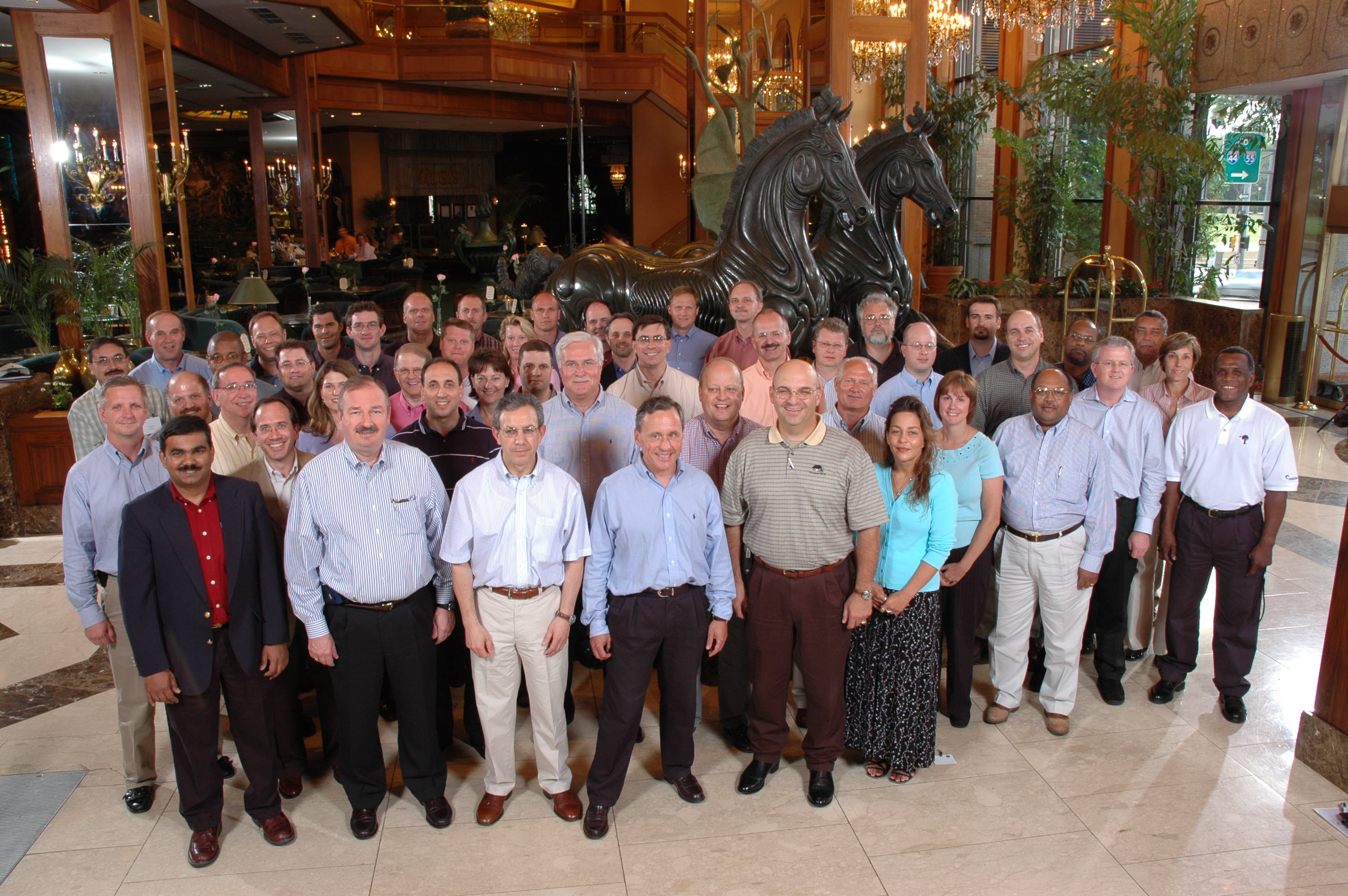
For many small businesses, the smartest approach is to combine headshots and social media video clips into one organized production session. This allows the business to update staff portraits, capture short interviews, record service explanations, film b-roll, and create multiple pieces of content from the same production day.

This approach saves time, keeps the visual style consistent, and gives the company more value from the shoot. A single session can produce website images, LinkedIn headshots, social media clips, testimonial segments, branded b-roll, and still images for future marketing.

For small businesses without an internal media department, this kind of production planning is especially useful. It creates a library of content that can support weeks or months of marketing activity.

Planning the Message Before Production

Professional media is most effective when it is planned around a business goal. Before a headshot or video session, it is important to think through the audience, message, location, visual style, wardrobe, background, and deliverables.

For headshots, planning may include background selection, lighting style, posing direction, wardrobe guidance, retouching preferences, and final image formats.

For video clips, planning should focus on clear, usable messages. A business might prepare short answers to questions such as:

What does your company do best?
Who do you serve?
What problem do you solve?
What makes your process different?
What should customers know before hiring you?
What services are most important to explain visually?

The best social media clips are usually direct and specific. A focused message is easier to edit, easier to watch, and easier to reuse.

The Importance of Lighting, Audio, and Direction

Professional production is not just about owning a good camera. Lighting, audio, framing, background control, direction, and editing all affect the final result.

For headshots, proper lighting shapes the face, controls shadows, improves skin tone, and separates the subject from the background. Good posing direction helps people look confident, natural, and professional.

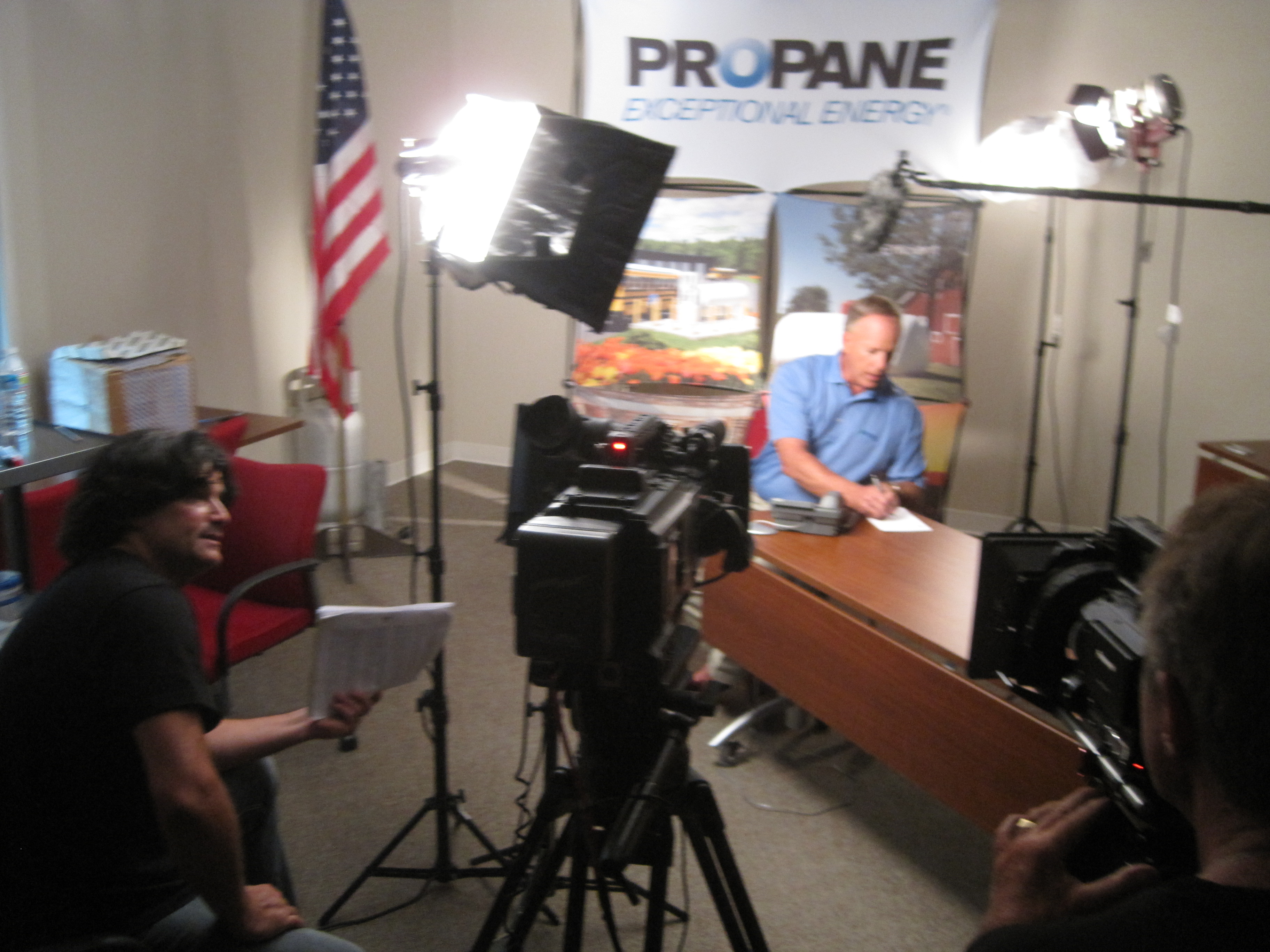
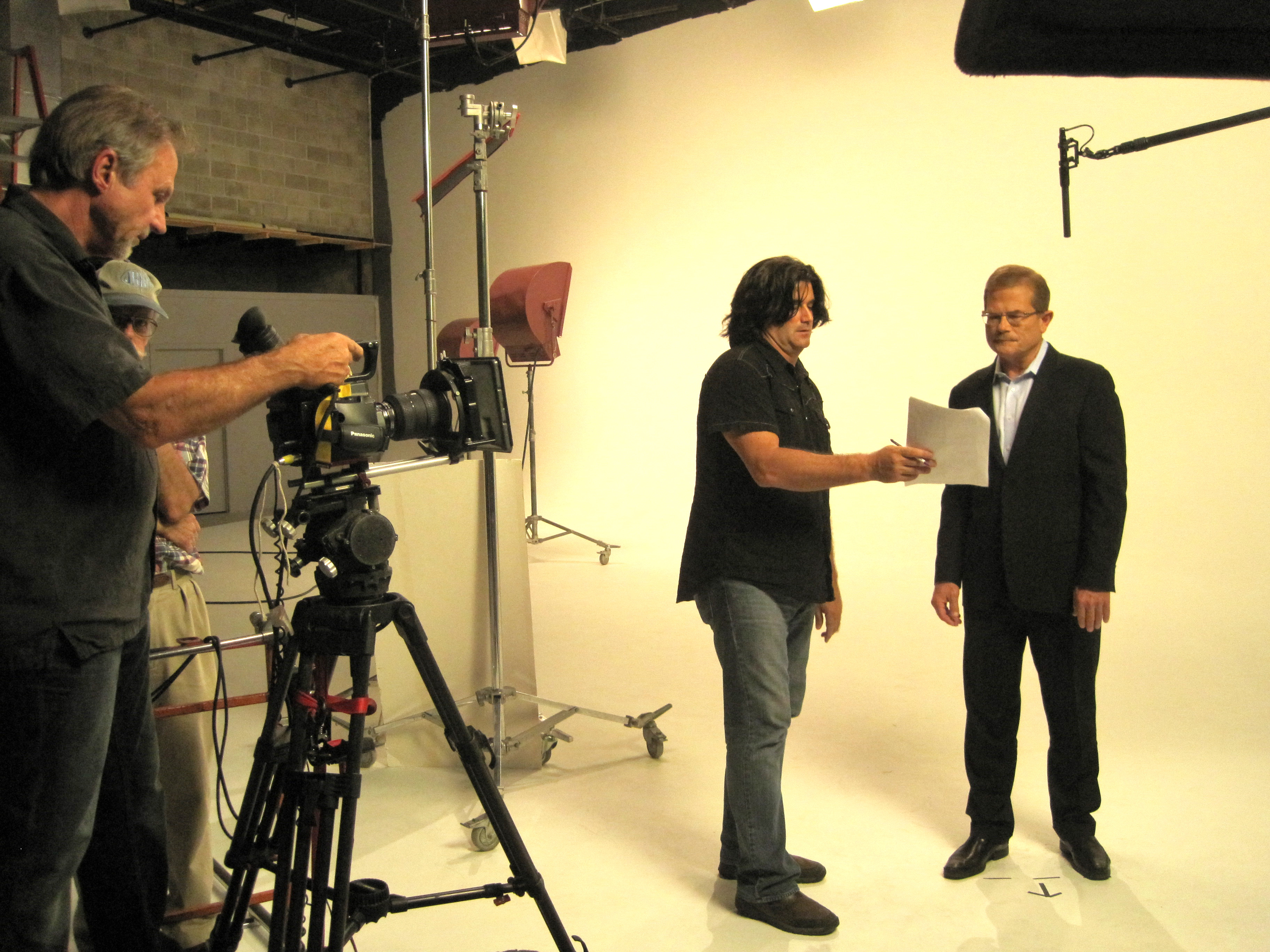
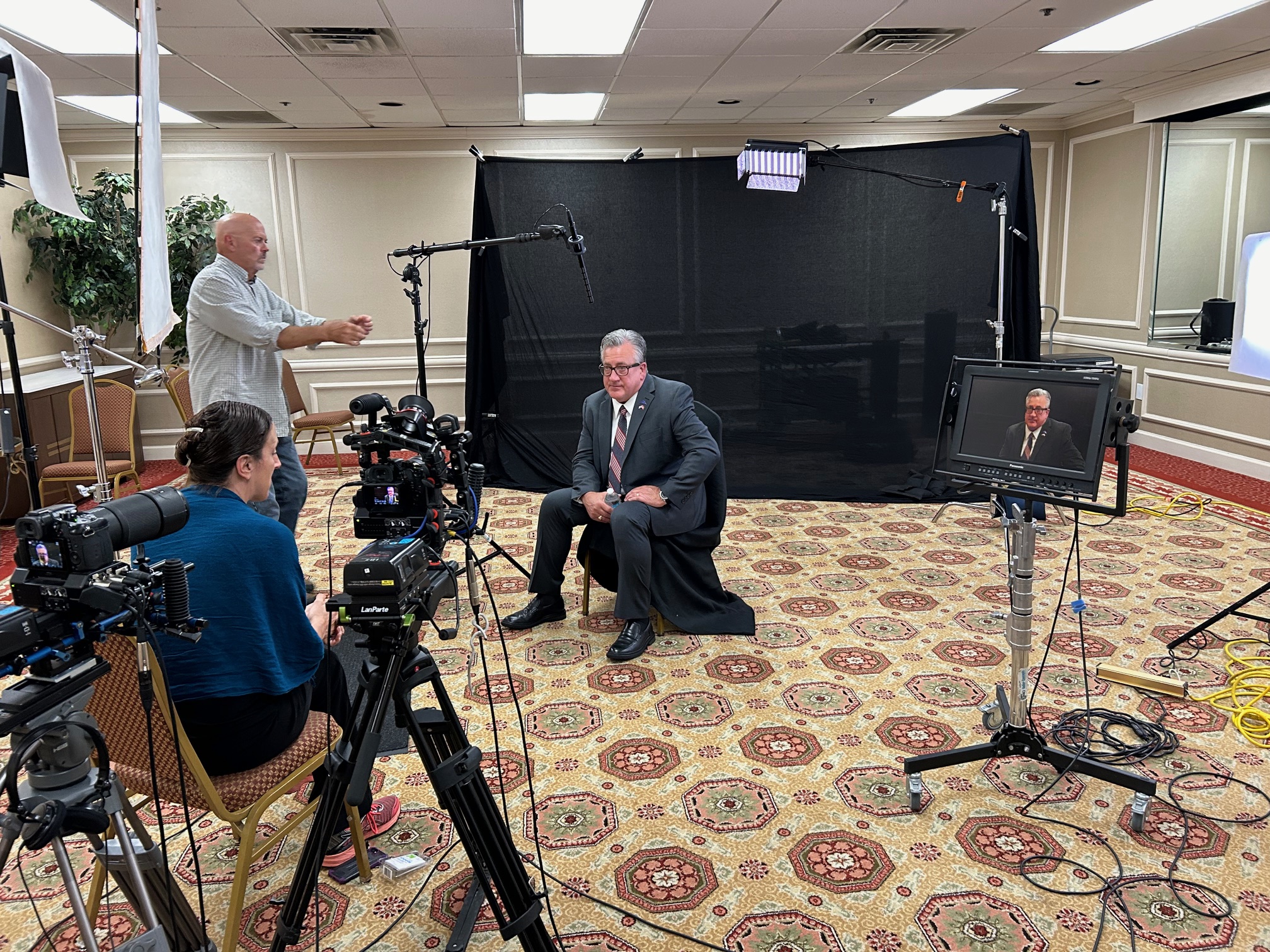
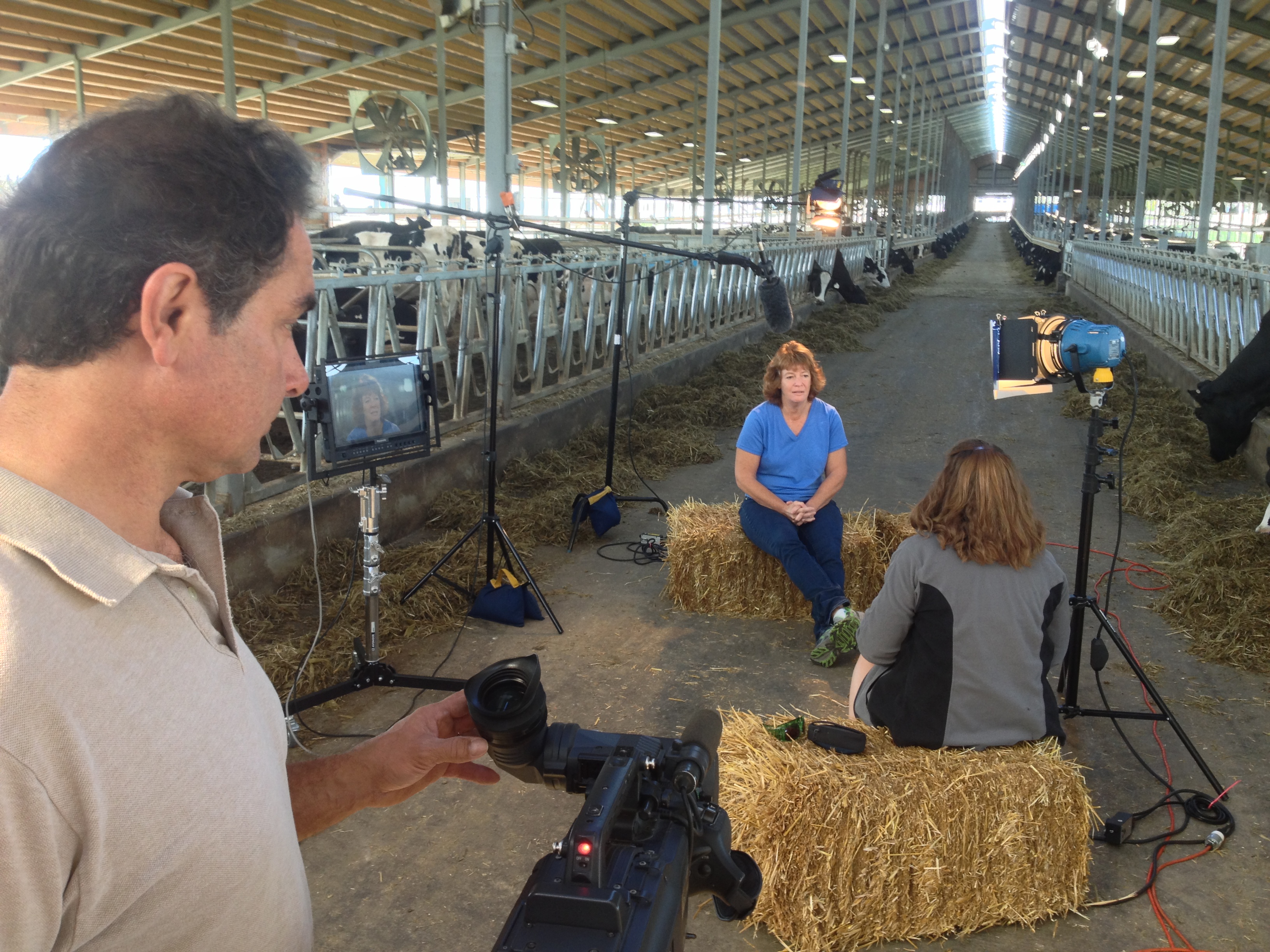
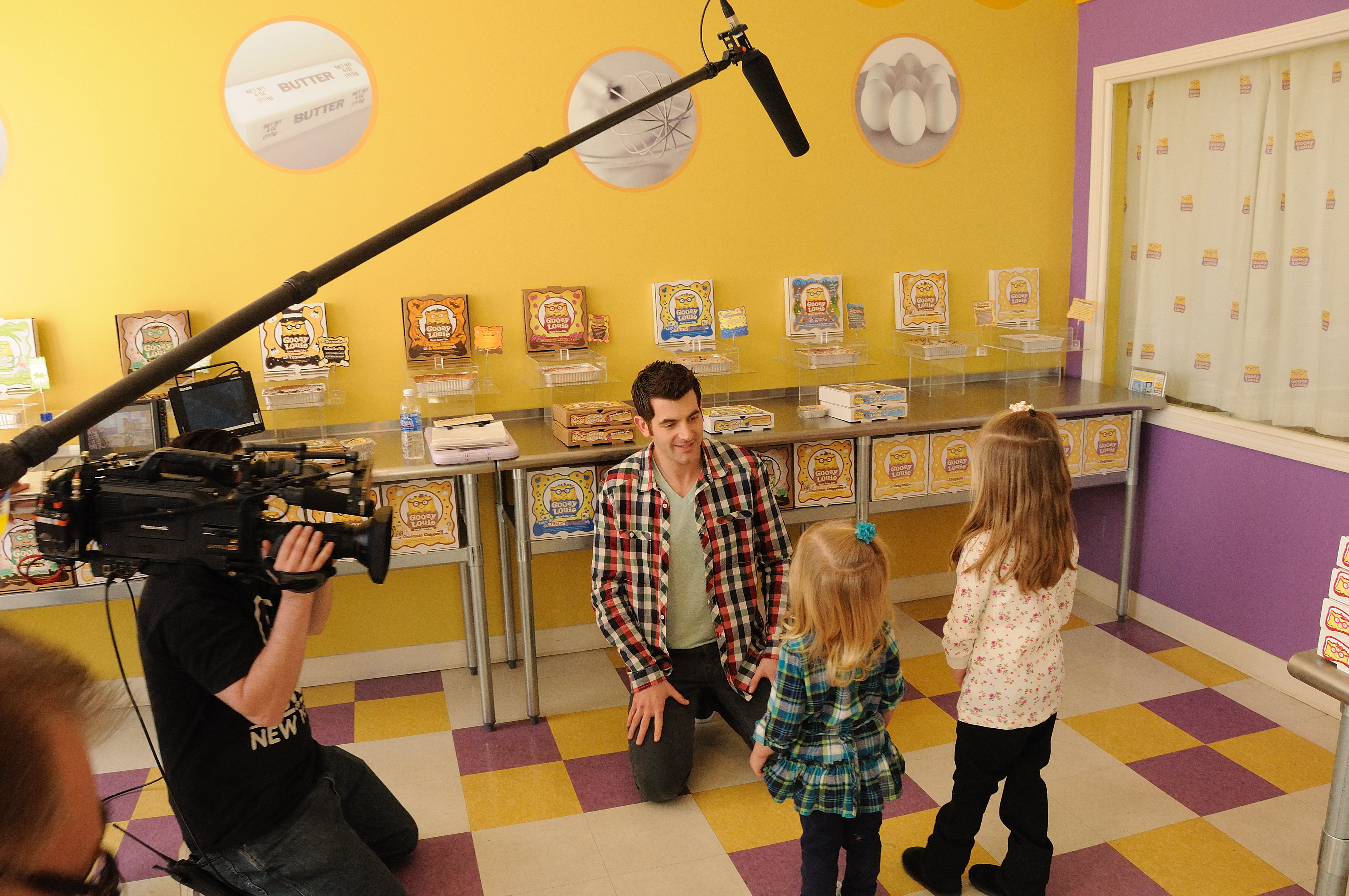
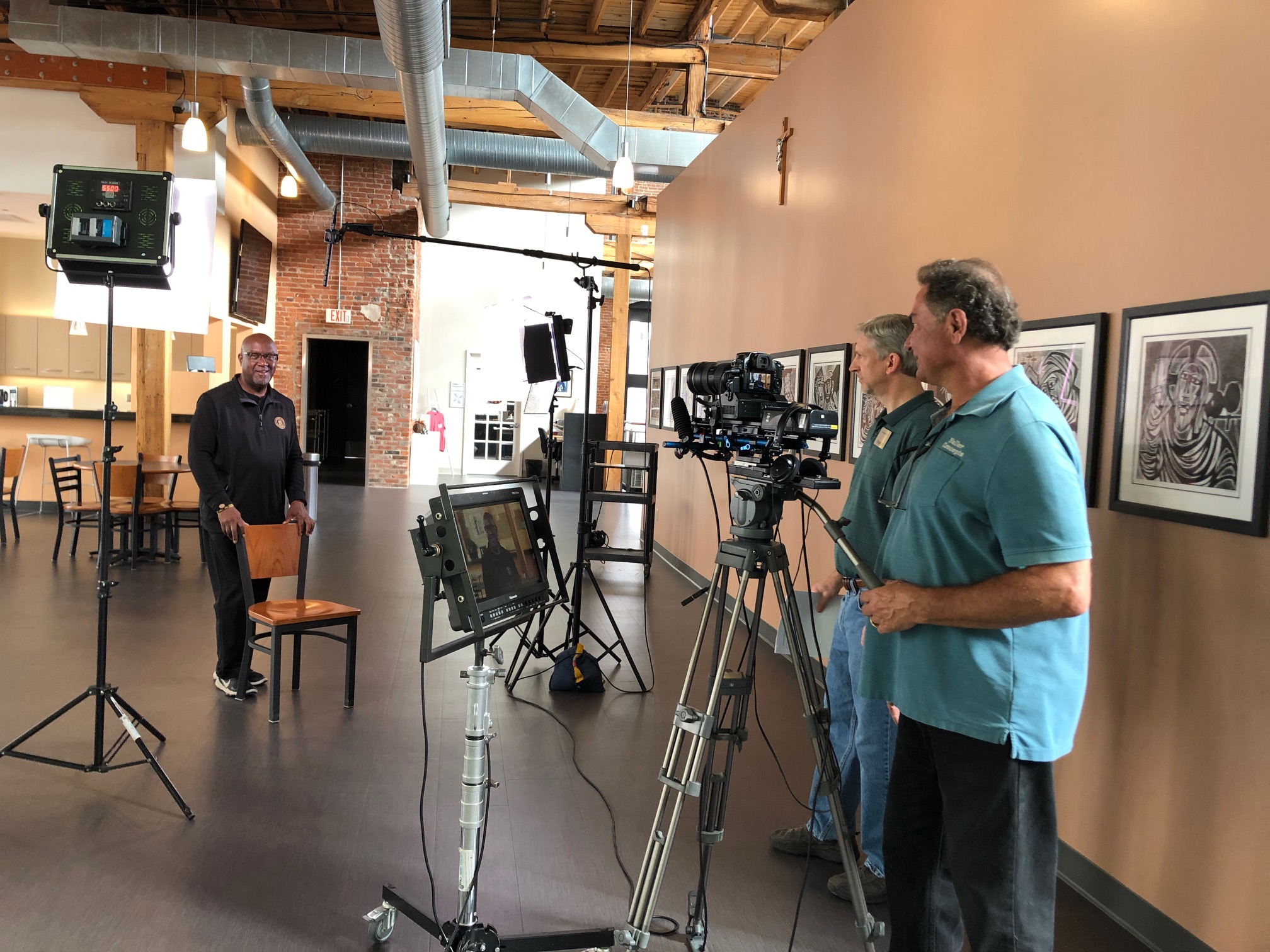
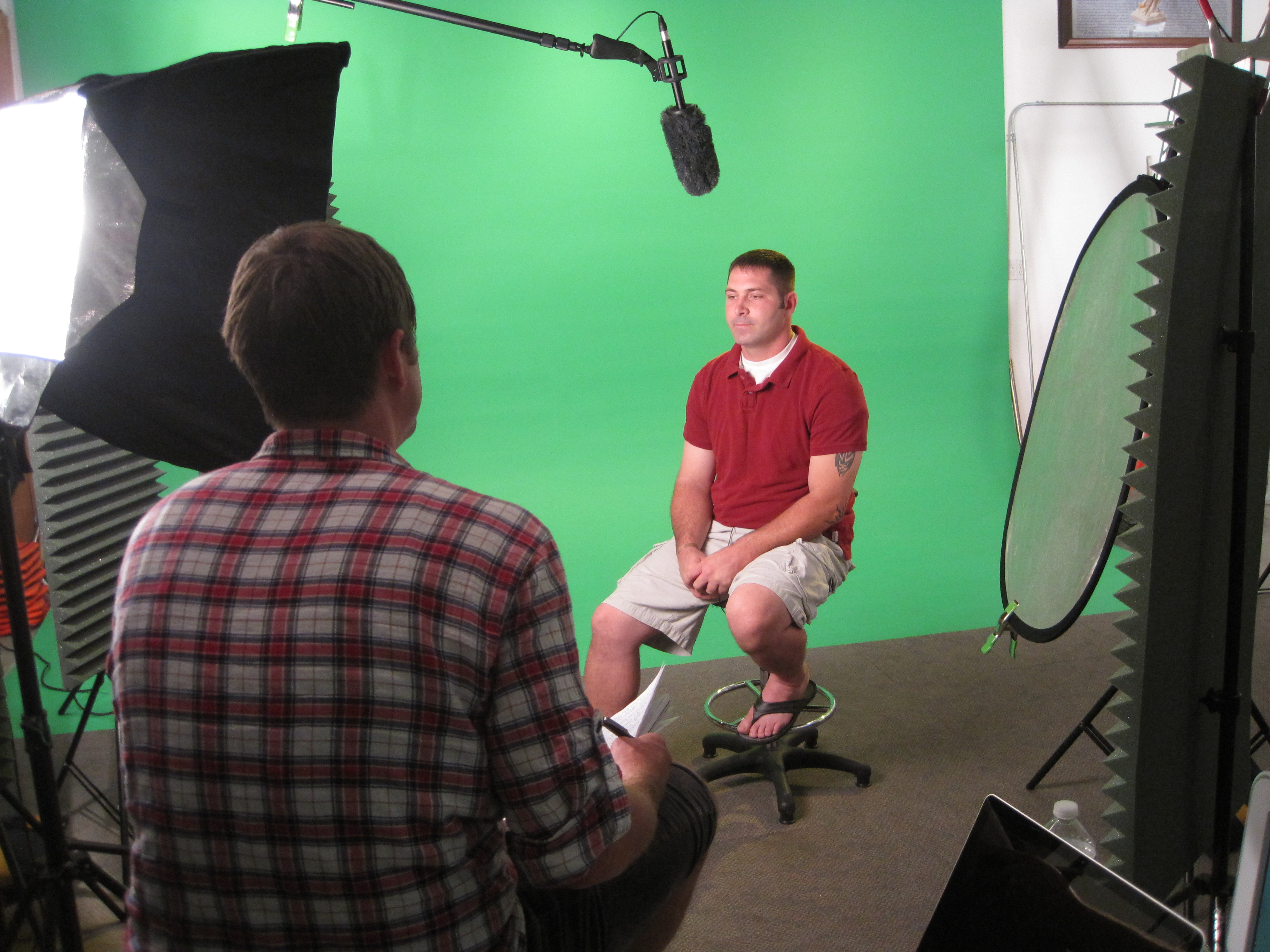
For video, clean audio is essential. Viewers may tolerate a simple visual style, but poor audio quickly damages the message. Professional microphones, lighting, camera support, and thoughtful composition help make short video clips more watchable and credible.

St Louis Photo Studio understands how to create polished, professional content while keeping the process efficient and comfortable for small business owners and staff.

B-Roll Makes Social Media Videos More Engaging

B-roll is the supporting footage that gives a video more visual interest. It may show a team at work, a business location, products, tools, customer interaction, office details, signage, equipment, service processes, or completed projects.

For small business videos, b-roll helps tell the story without relying only on a person speaking to the camera. It gives editors more options and makes the final video feel more complete.

For professional service firms, b-roll may include meetings, consultations, team collaboration, office activity, branded materials, and client interactions. For contractors and service companies, it may include tools, vehicles, jobsites, process footage, before-and-after visuals, and finished work.

Strong b-roll can turn a simple interview clip into a more polished and persuasive marketing video.

Repurposing Content for Better Marketing Value

Small businesses should think beyond one finished video or one set of headshots. A well-planned production can create content that can be reused in many ways.

A single interview can become several short clips. A headshot session can also provide social media profile images, website portraits, and images for proposals. A location shoot can produce website banners, social media posts, thumbnail images, and b-roll for future edits.

Repurposing allows businesses to stretch their production investment. The same material can support:

Website updates
LinkedIn posts
Facebook and Instagram content
YouTube Shorts
Email campaigns
Paid digital ads
Recruiting campaigns
Sales presentations
Proposal packages
Internal communications

St Louis Photo Studio helps small businesses create photography and video assets that are useful across multiple platforms, not just one isolated campaign.

Studio and Location Production Options

Some small business projects are best handled in a controlled studio environment. Others require production at the company’s office, facility, showroom, jobsite, event, or customer location.

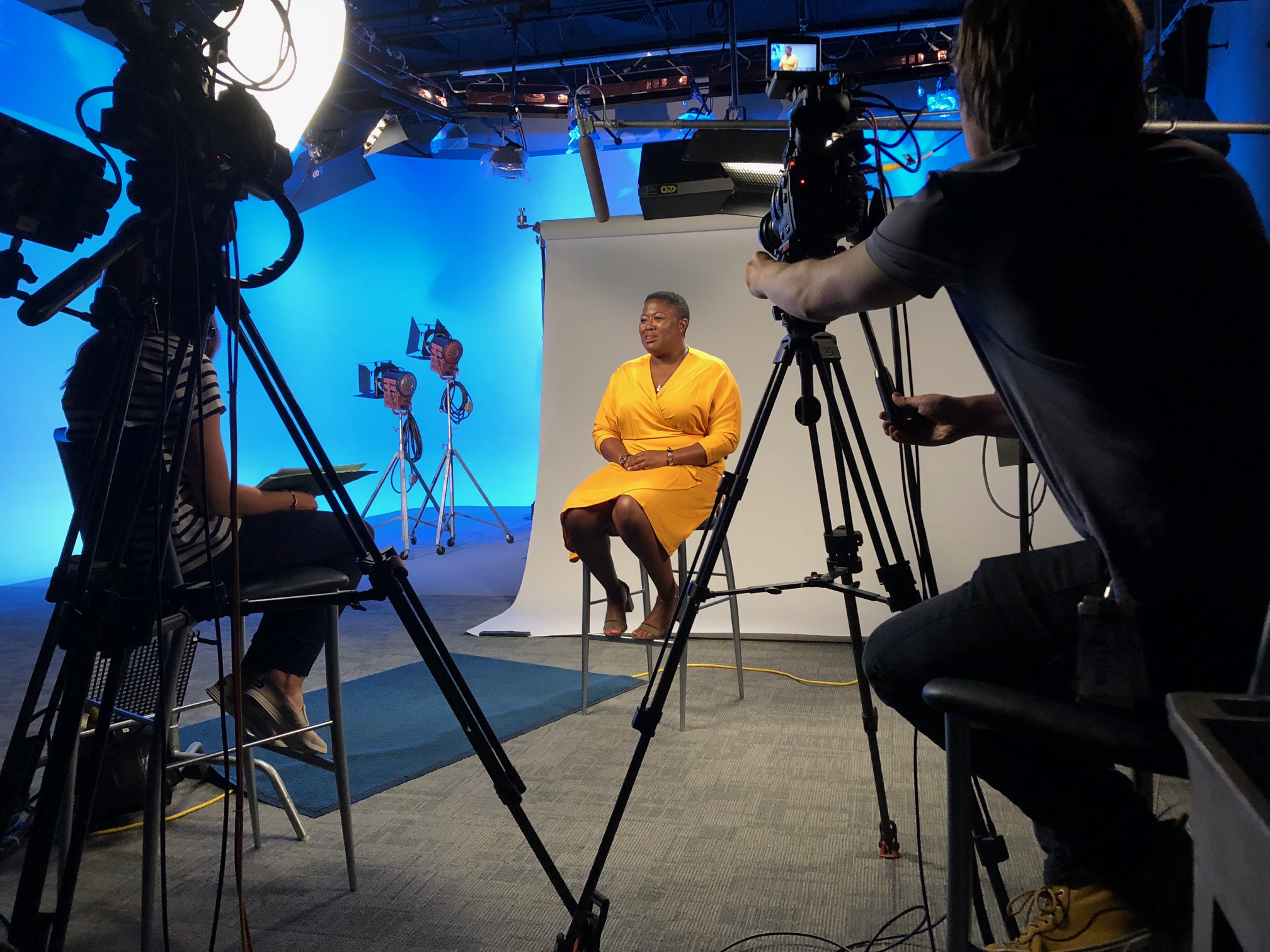
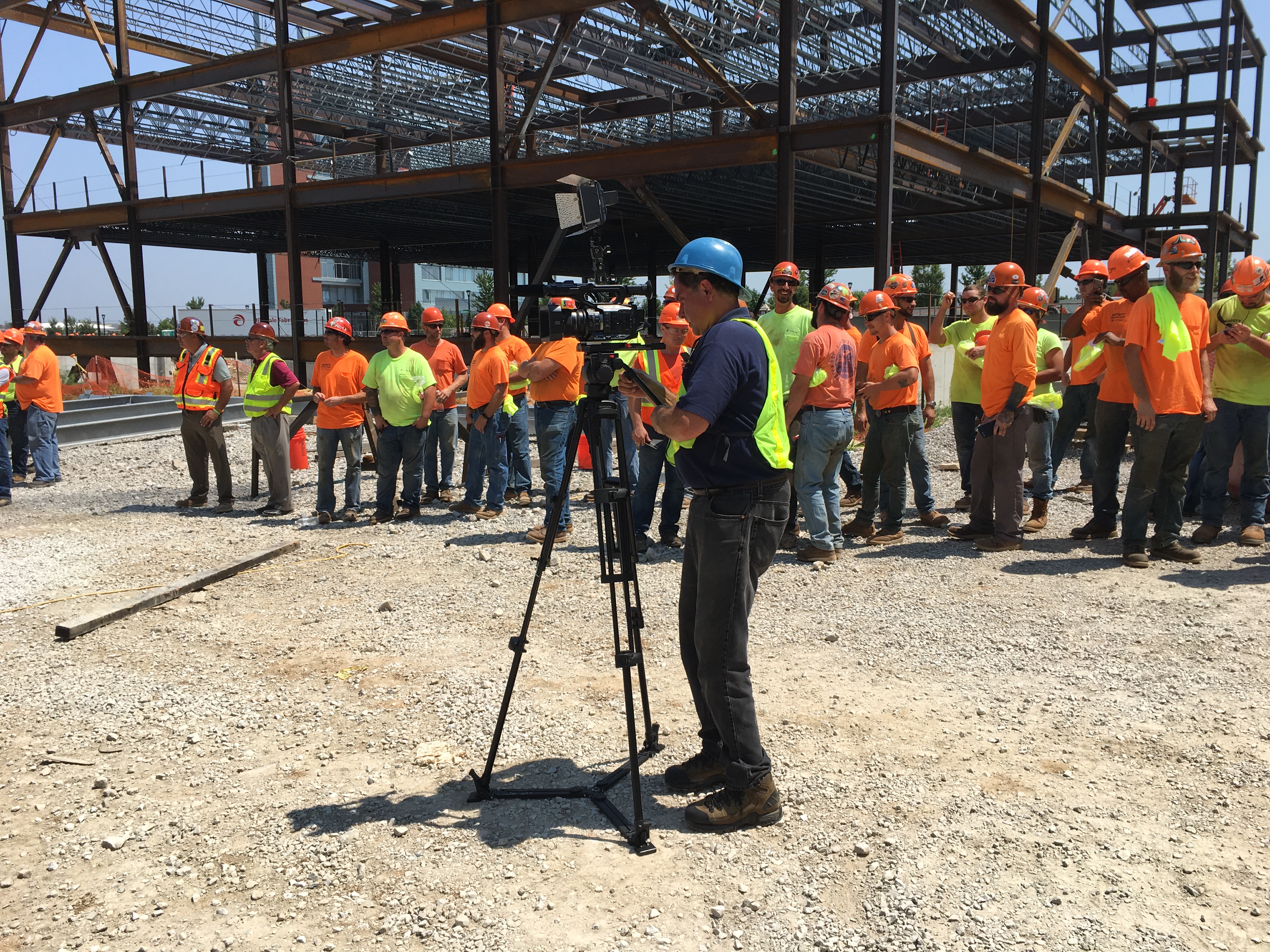
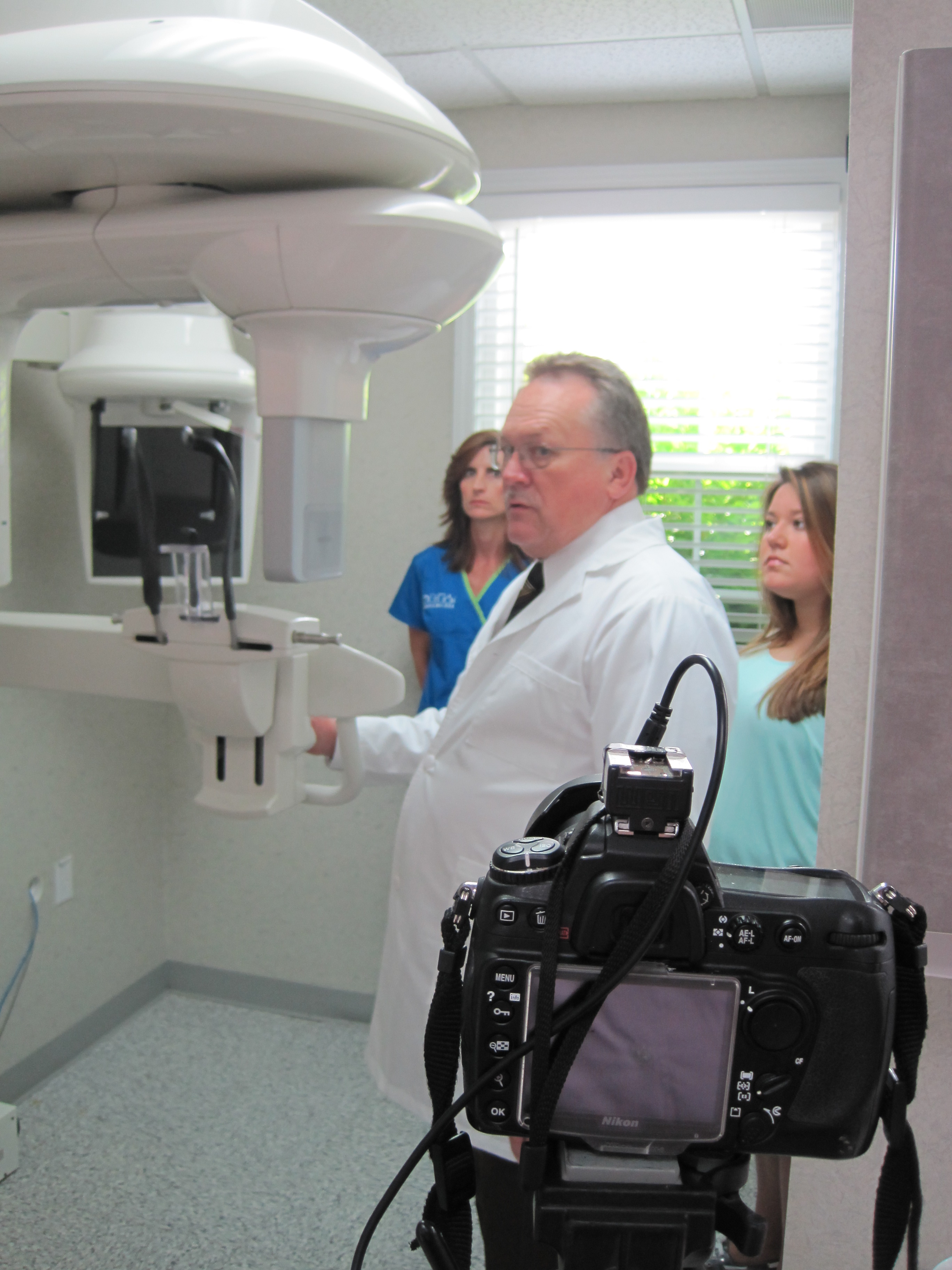
Studio production is ideal for professional headshots, business portraits, interviews, product photography, controlled lighting setups, and clean branded visuals. Location production is useful when the business wants to show its environment, people, process, equipment, or finished work.

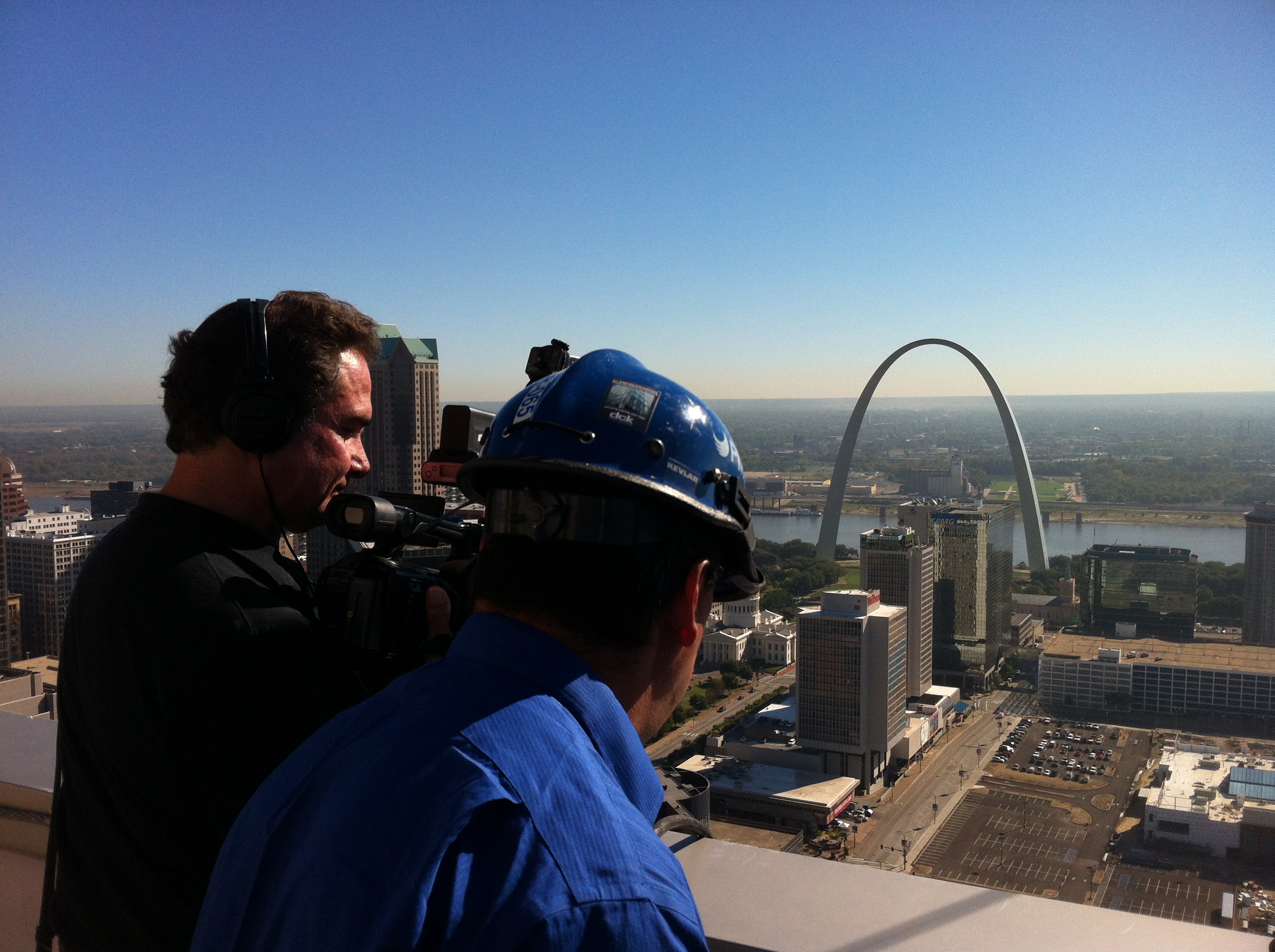
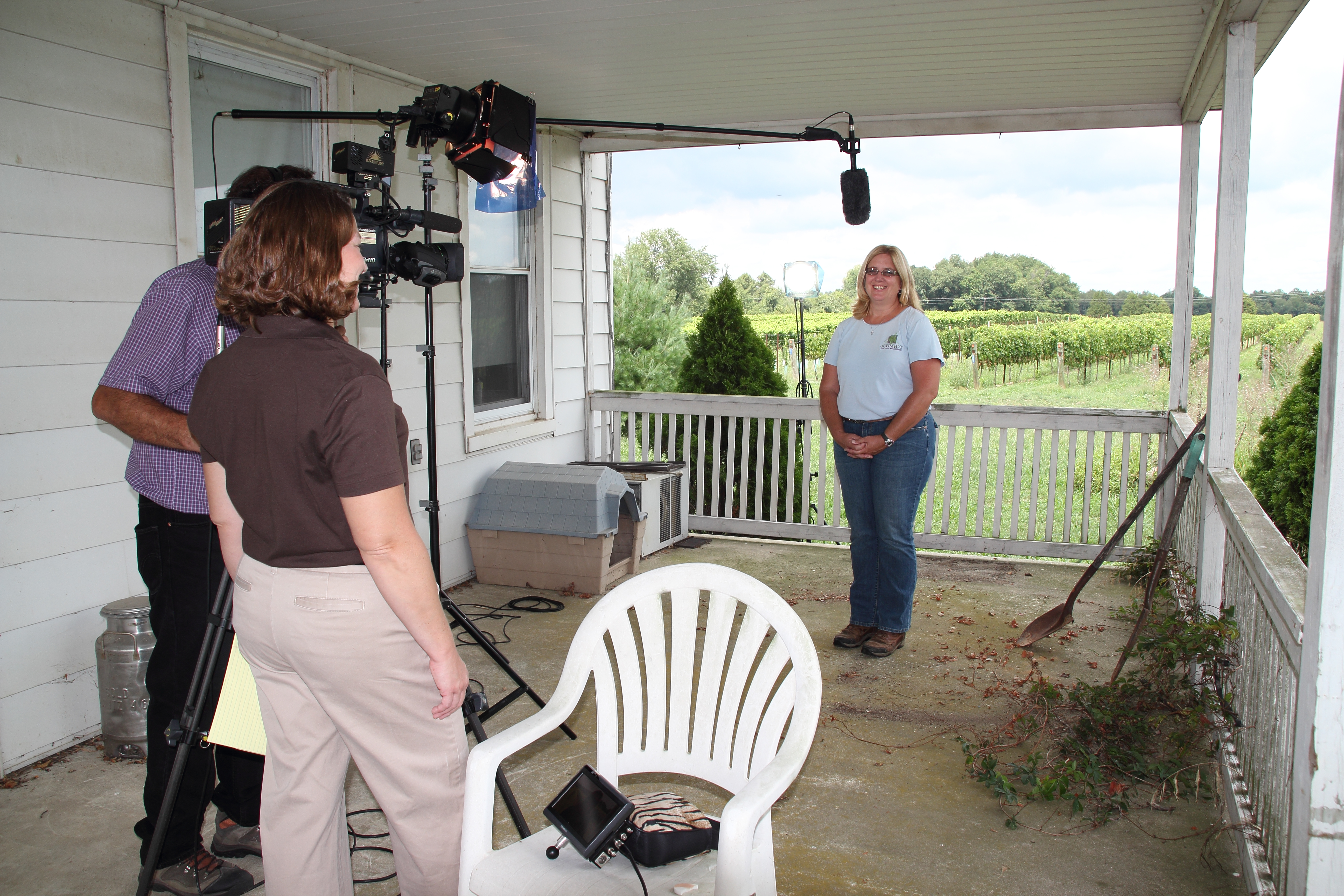
St Louis Photo Studio offers both studio and location video and photography, giving small businesses the flexibility to choose the setting that best supports their message.

Drone and Specialized Imaging Services

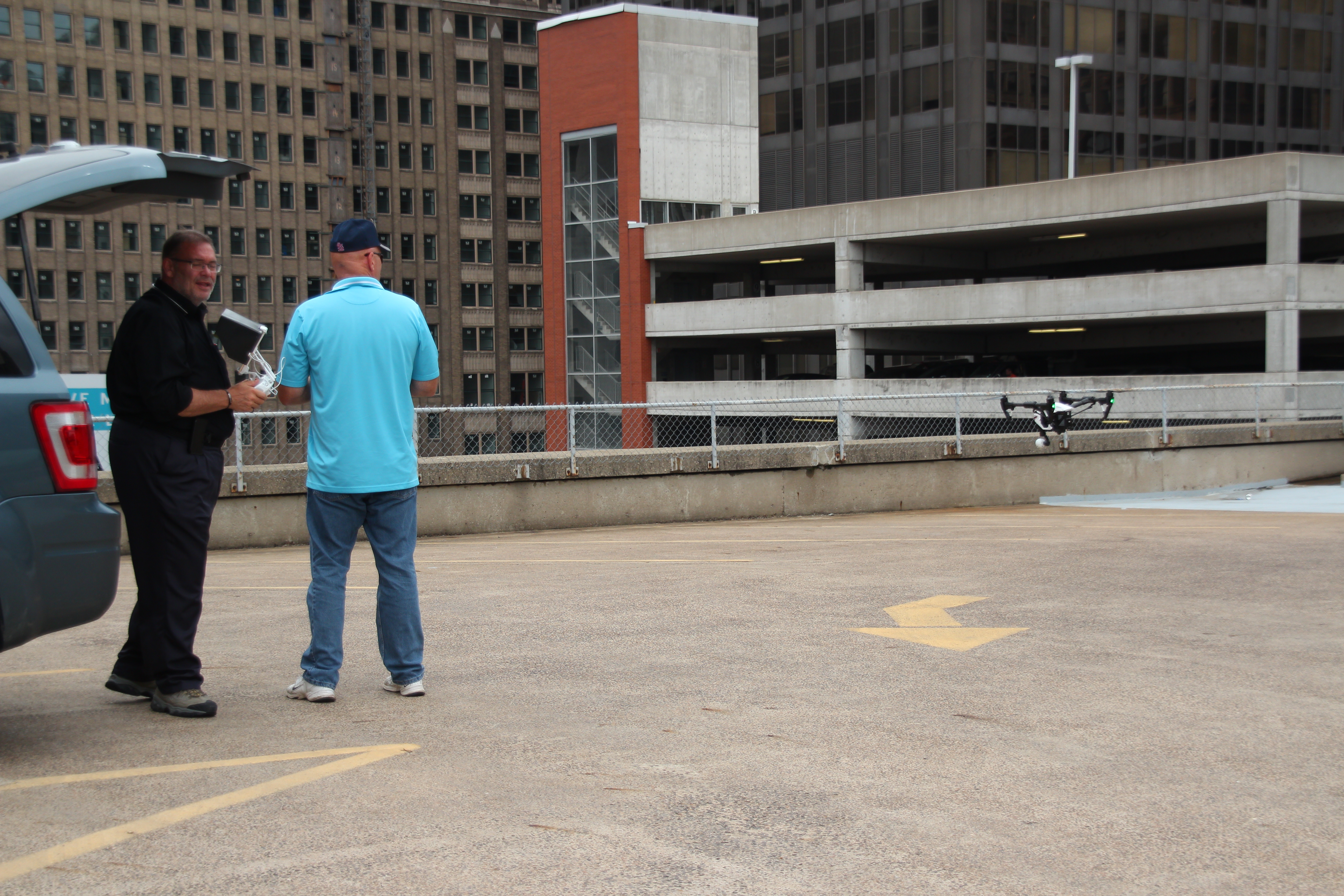
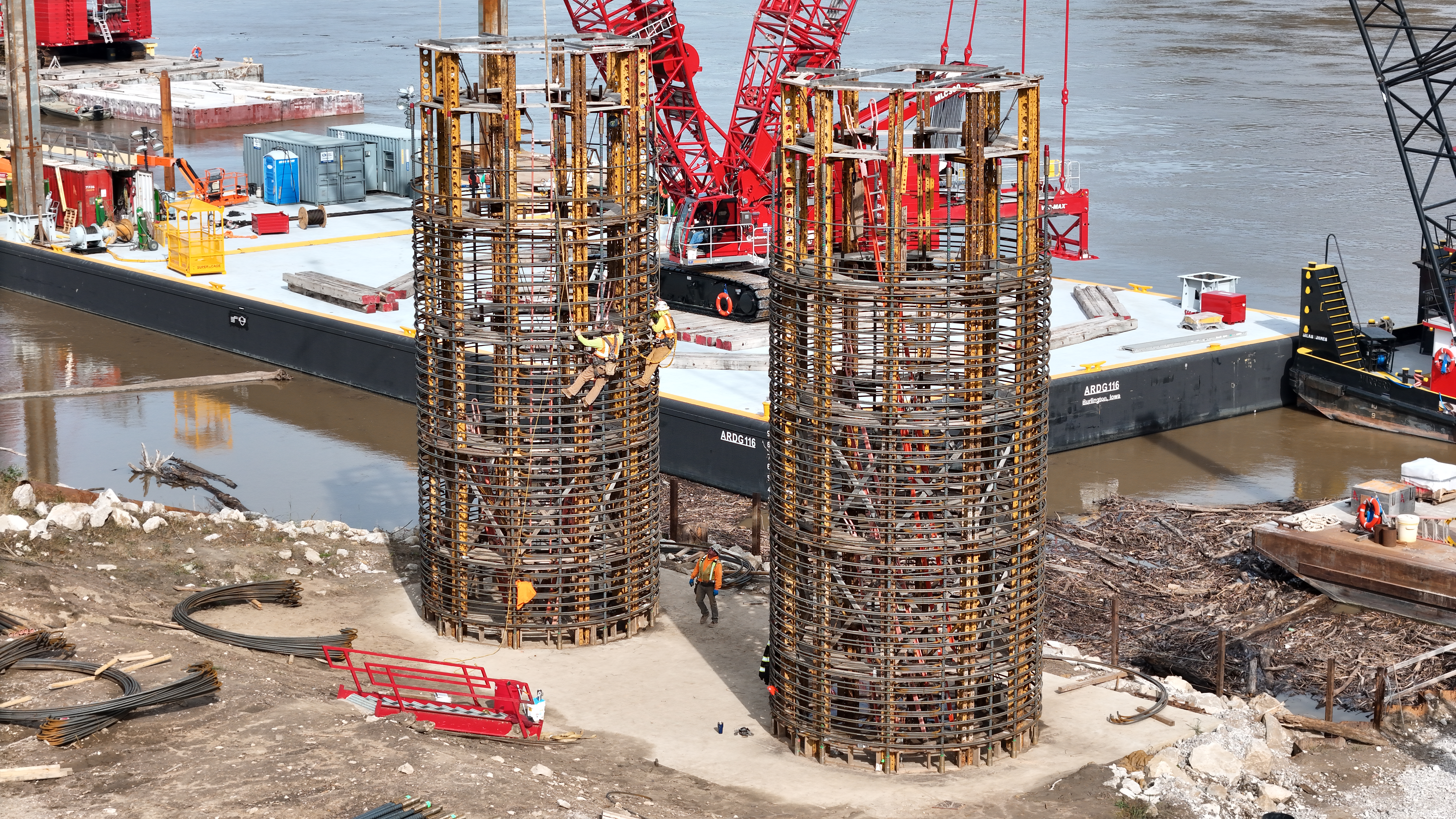
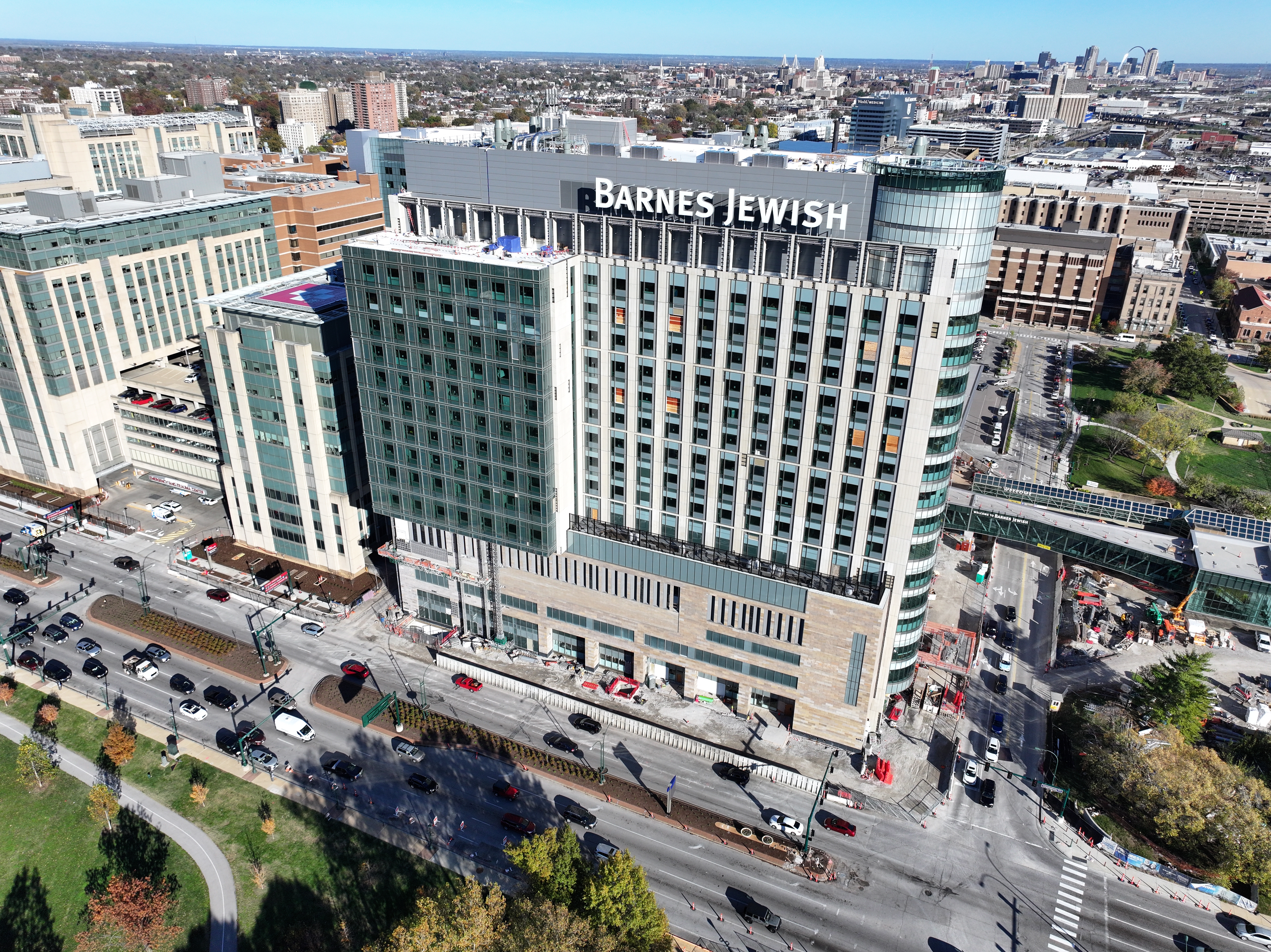
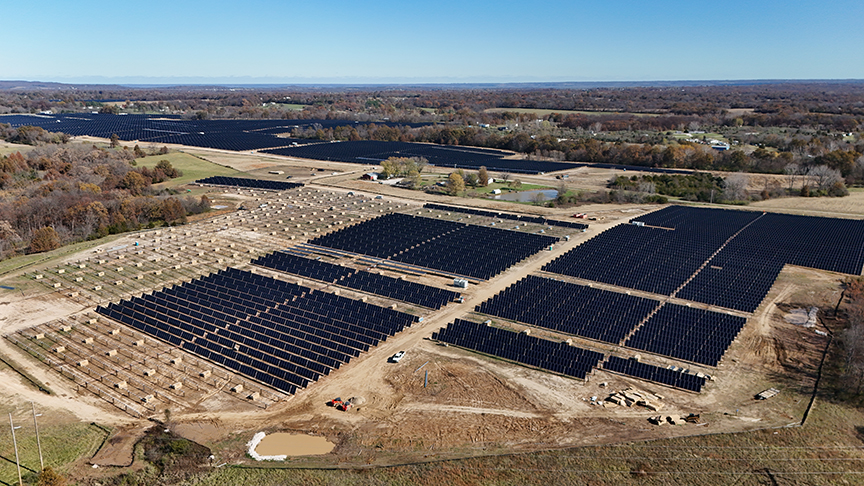
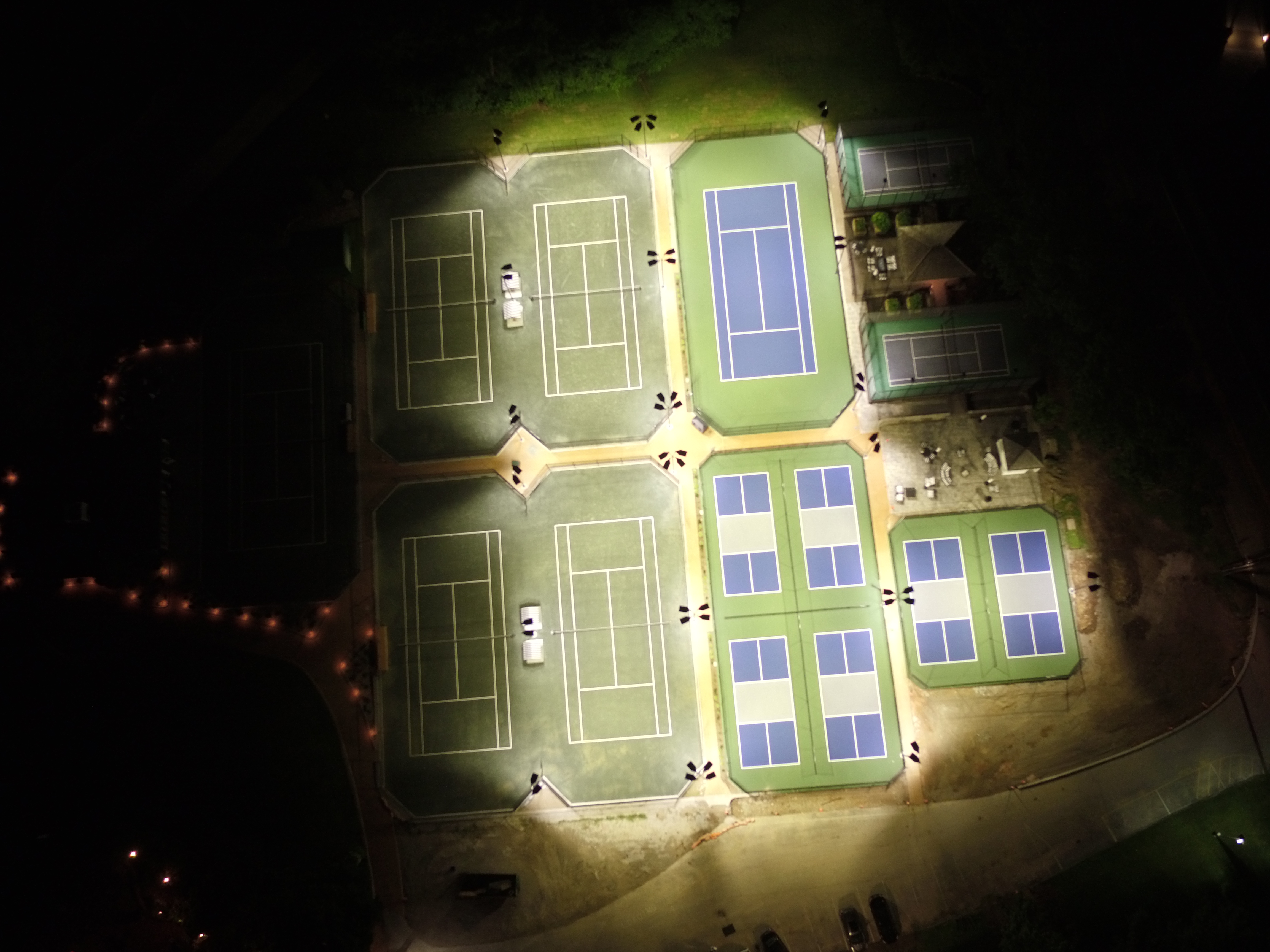
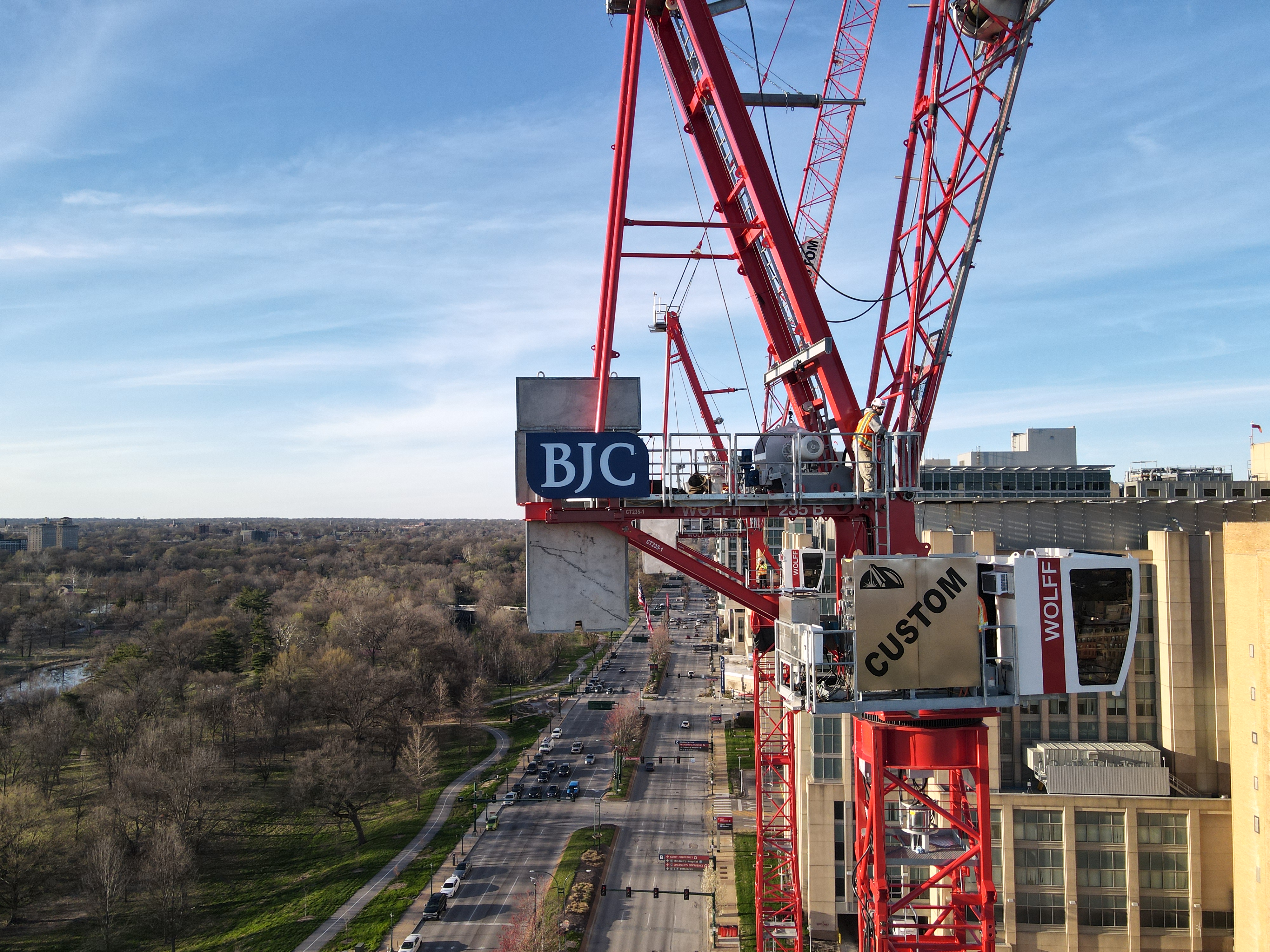
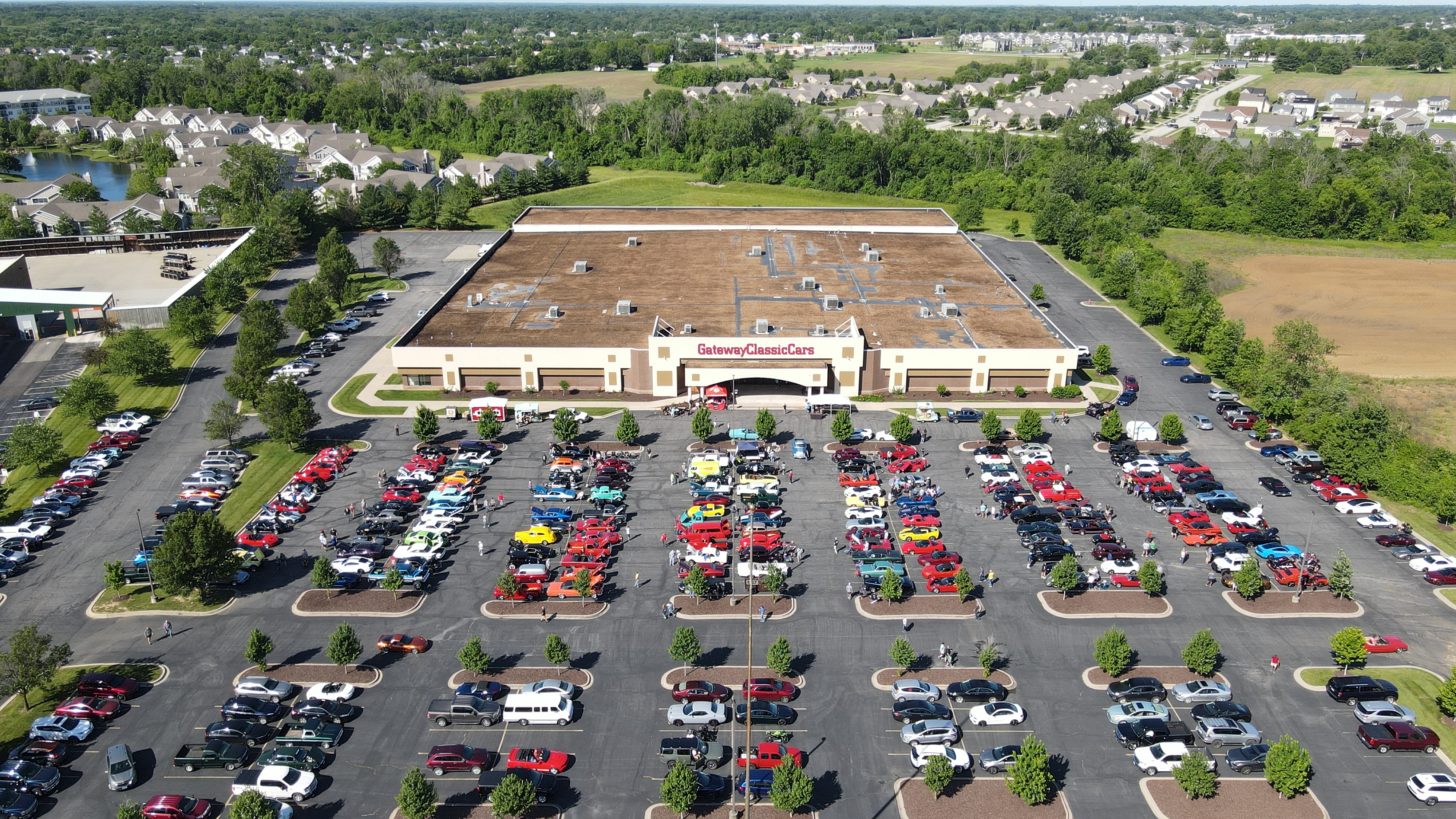
Certain small business and commercial projects can benefit from aerial photography, drone video, or advanced imaging services. Exterior locations, construction sites, commercial properties, campuses, event spaces, industrial facilities, and large work areas can often be better documented from above.

St Louis Photo Studio provides licensed drone services when aerial visuals are appropriate for the project. The company can also fly specialized FPV drones indoors, which can create dynamic movement through offices, warehouses, showrooms, event venues, facilities, and commercial spaces.

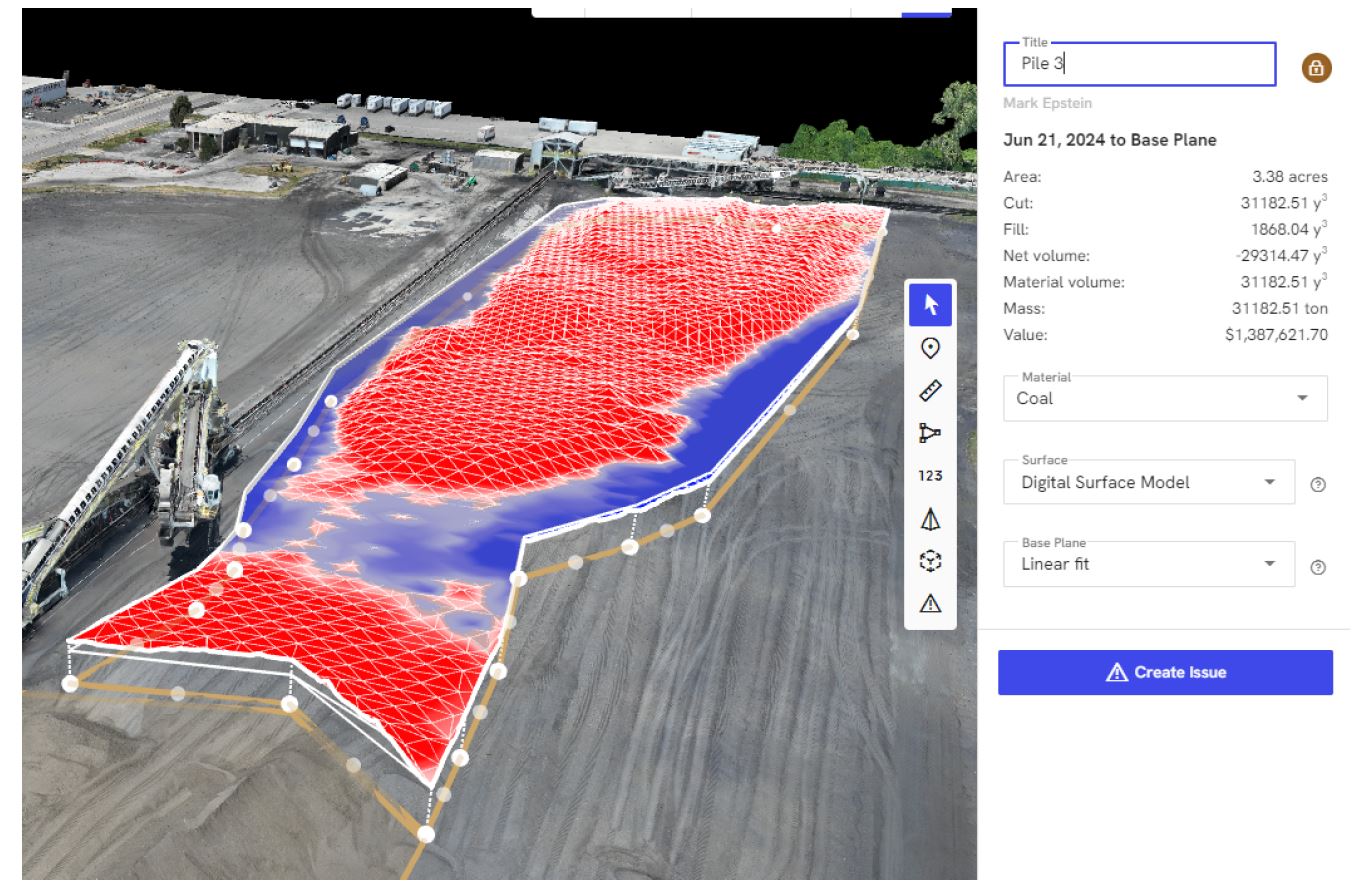
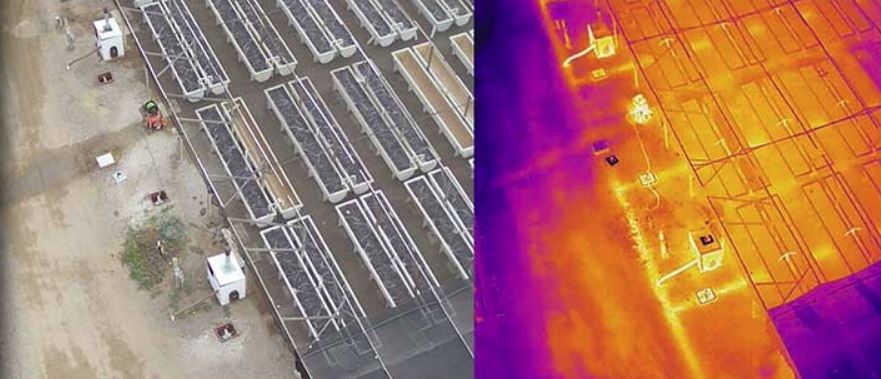
Additional specialized drone services include infrared thermal imaging, orthomosaics, and LiDAR. These services can be useful for inspection, documentation, mapping, measurement, construction, industrial, technical, and analytical projects where standard photography or video is not enough.

Professional Visual Content Helps Small Businesses Compete

Small businesses often compete against larger brands with more resources. Professional photography and video can help create a stronger market presence without requiring a massive campaign.

A polished headshot builds trust. A short video clip explains expertise. A testimonial adds credibility. B-roll shows the business in action. Drone footage adds scale and perspective. Together, these assets help a small business appear more established, more prepared, and more visible.

The best content is not just attractive. It is strategic. It supports sales, marketing, recruiting, customer education, and brand awareness.

Practical Deliverables for Small Business Marketing

A professional headshot and video production can include a variety of useful deliverables, such as:

Retouched professional headshots
Business portraits
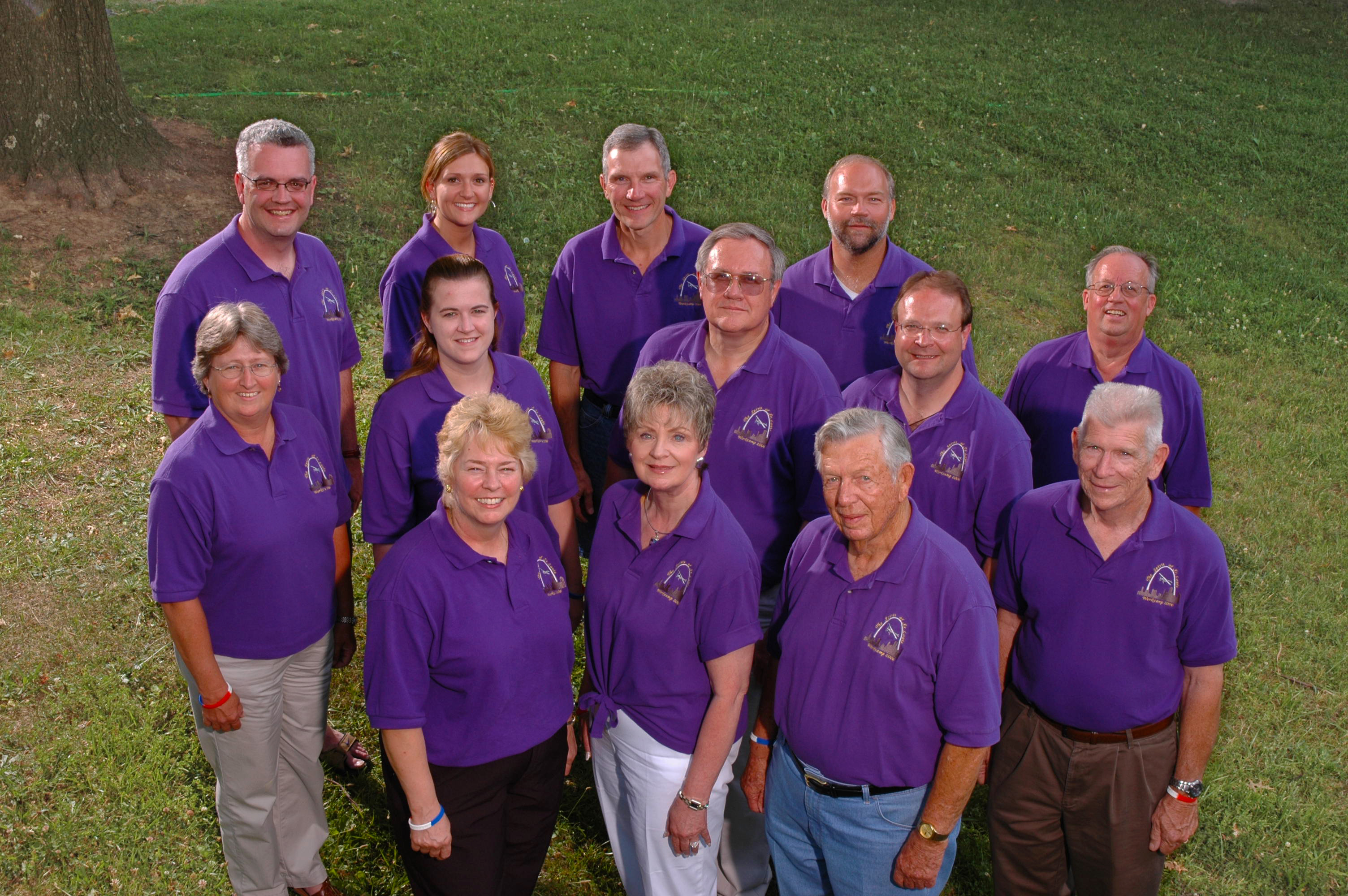
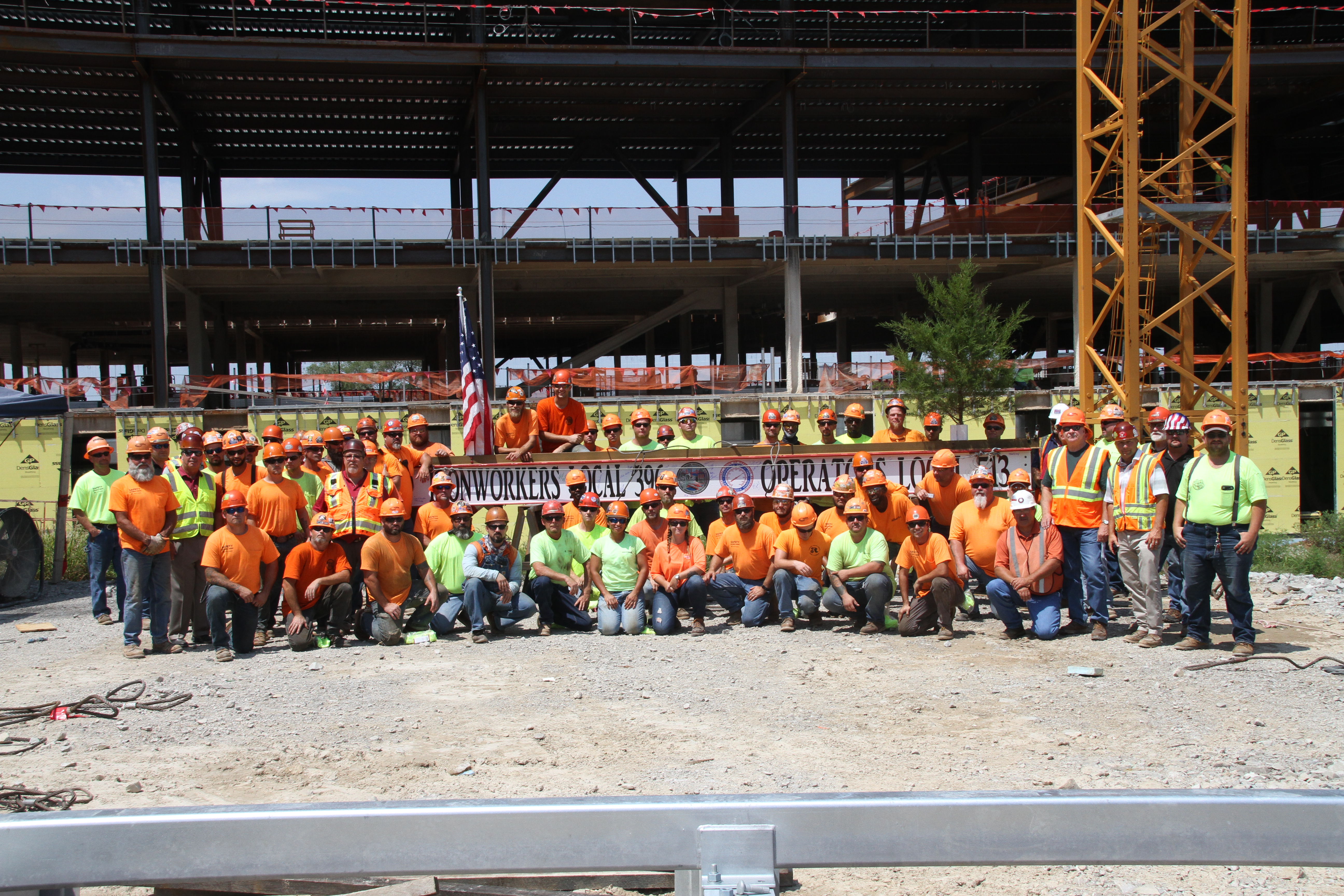
Team photography
Website-ready image files
LinkedIn profile images
Social media-ready photos
Short vertical video clips
Horizontal website videos
Interview clips
Customer testimonial videos
B-roll footage
Branded title graphics
Captioned video versions
Thumbnail images
Drone photography and video
Edited clips for digital advertising
Selected raw footage when needed

The right deliverables should be discussed before production so the session is planned for the platforms where the final content will be used.

Work With St Louis Photo Studio

St Louis Photo Studio is an experienced full-service professional commercial photography and video production company with the right equipment, creative crew service experience, and production knowledge for successful image acquisition. We provide full-service studio and location video and photography, along with editing, post-production, and licensed drone services.

St Louis Photo Studio can customize productions for many types of media requirements, including headshots, business portraits, interviews, social media video clips, website content, marketing campaigns, recruiting materials, testimonials, b-roll, drone footage, and branded visual assets. Repurposing photography and video branding to gain more traction is another specialty. We understand how to create media that can be adapted for websites, social platforms, digital ads, presentations, email campaigns, and internal communications.

We are well-versed in all file types, media styles, and the software needed to prepare professional deliverables. We also use the latest in Artificial Intelligence for our media services, supporting modern workflows, creative development, and efficient post-production.

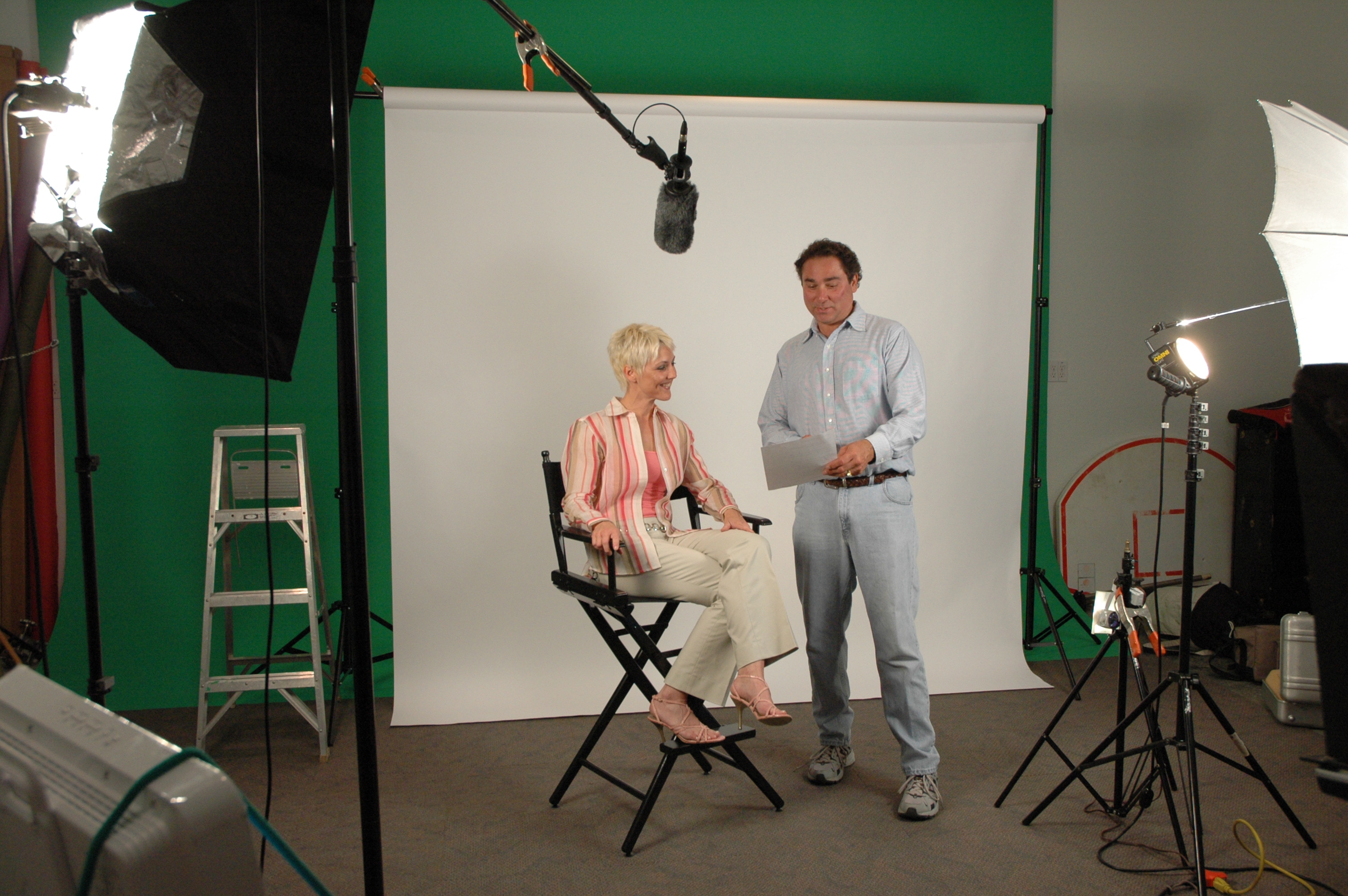
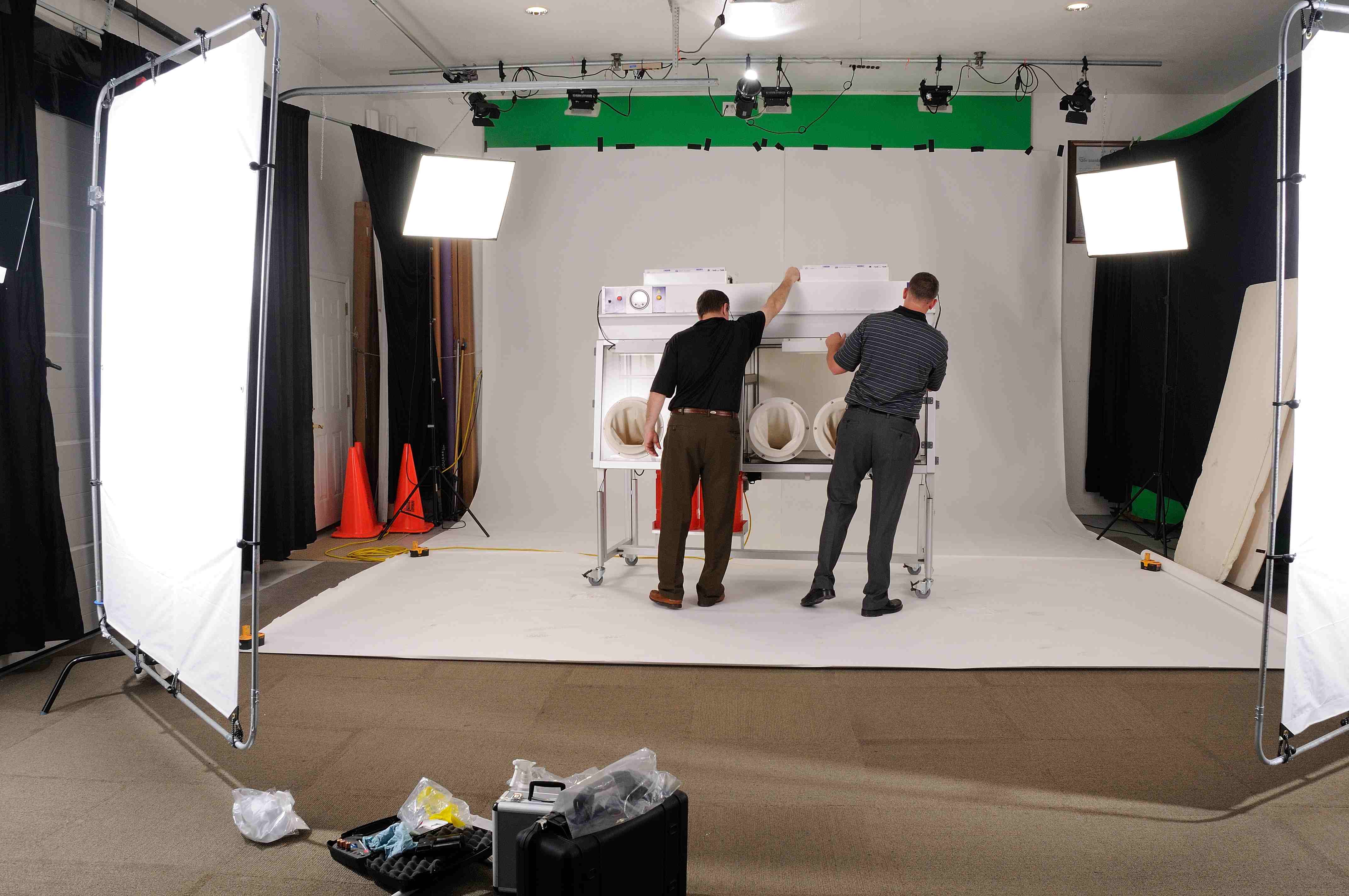
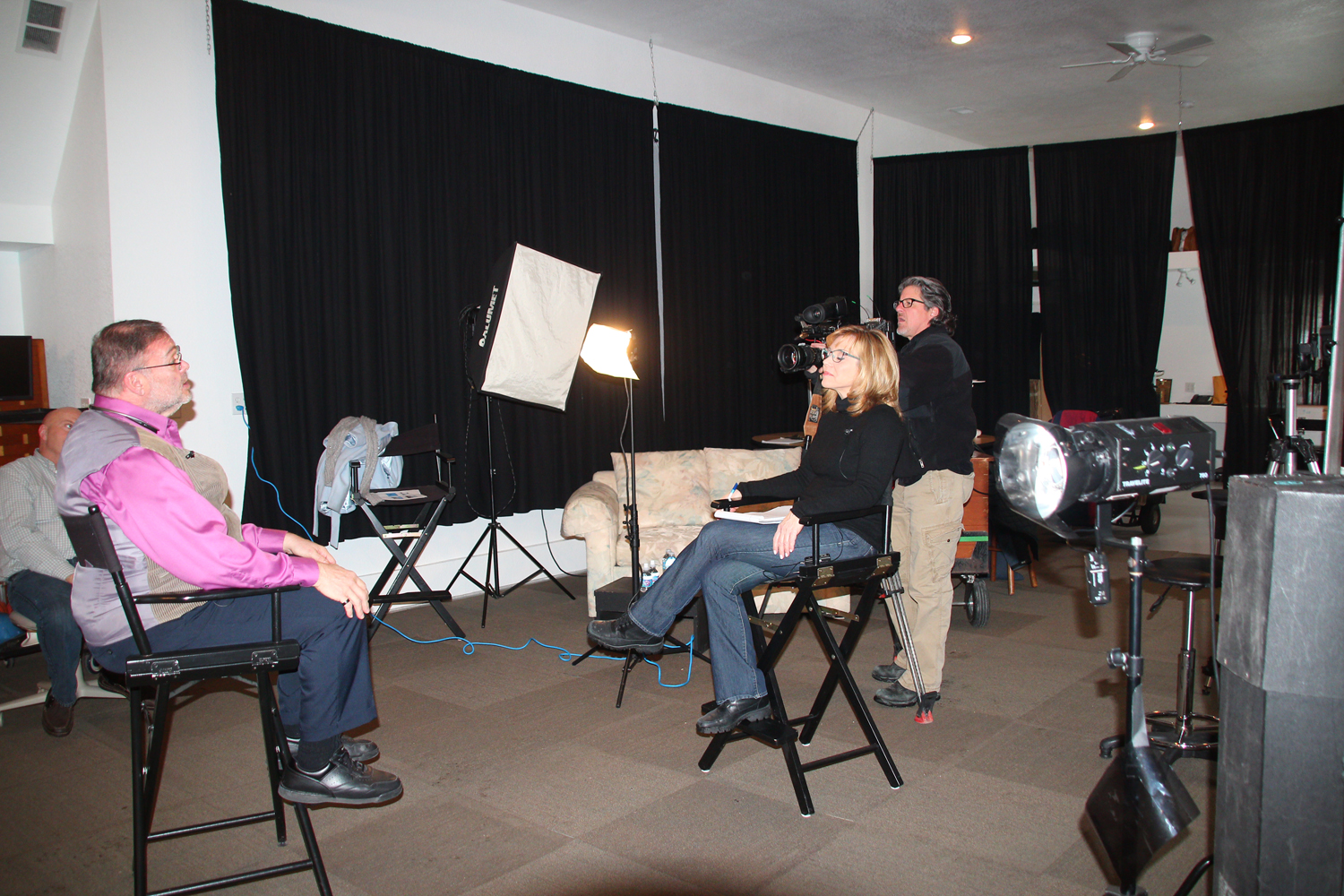
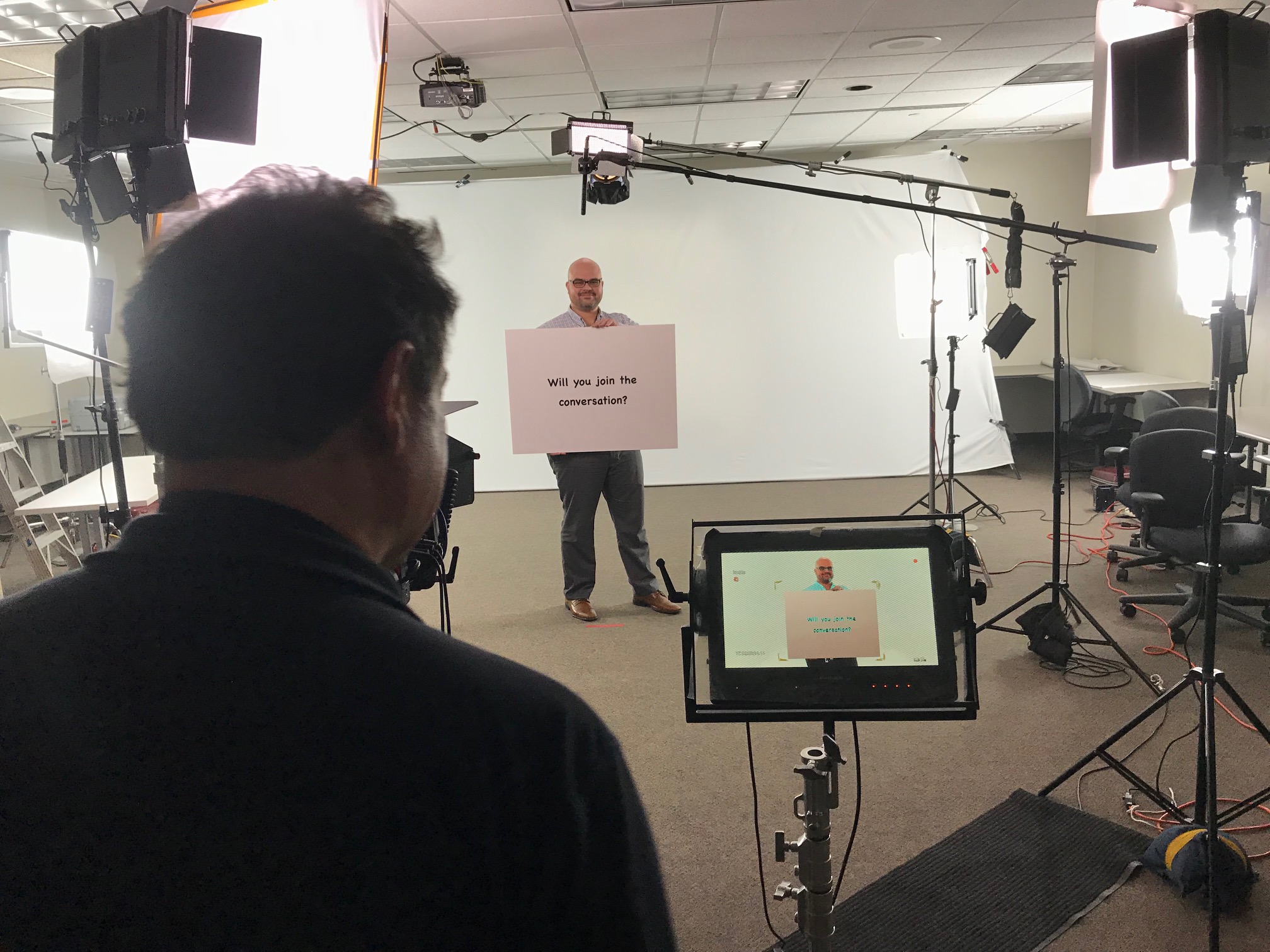
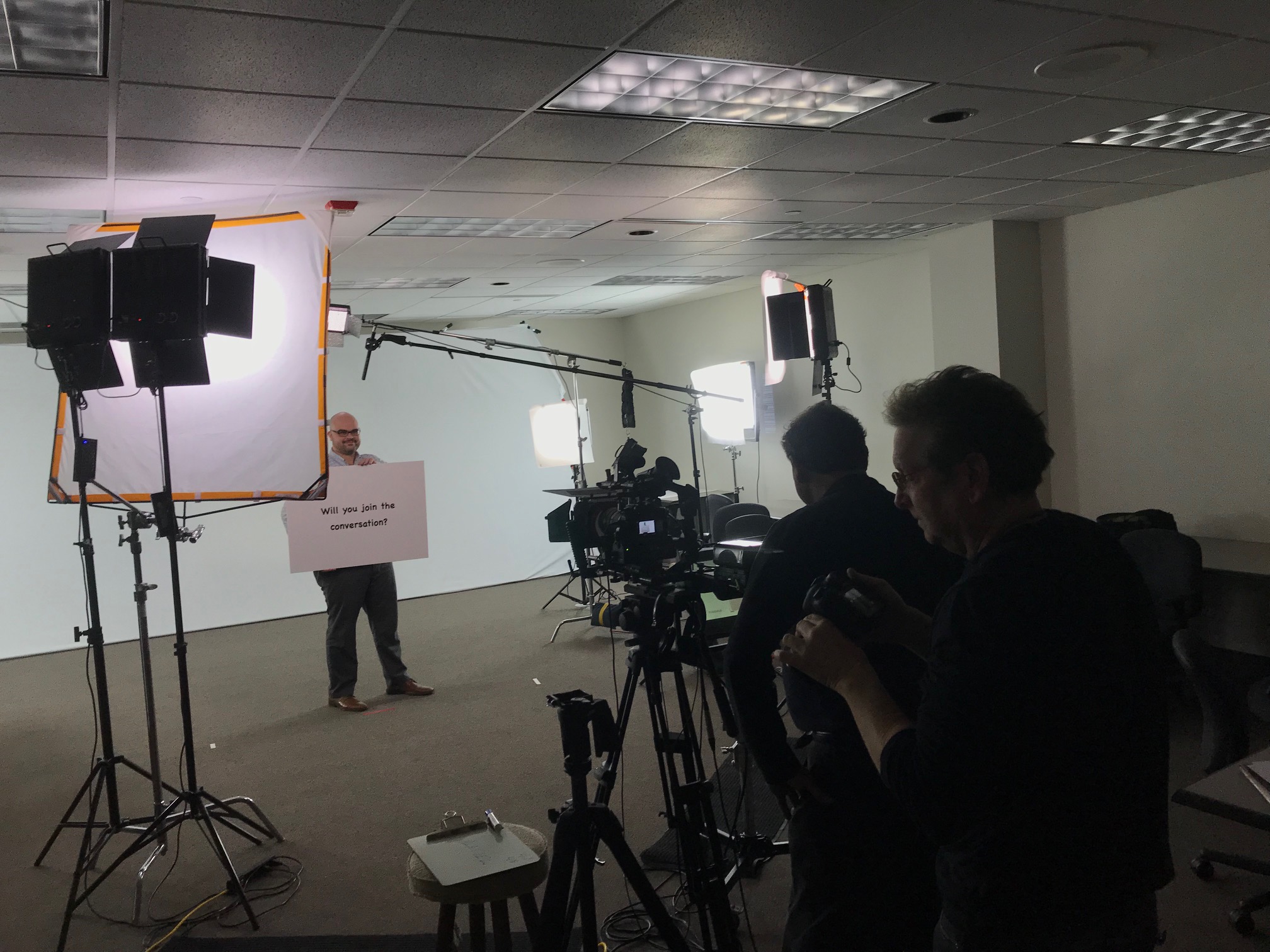
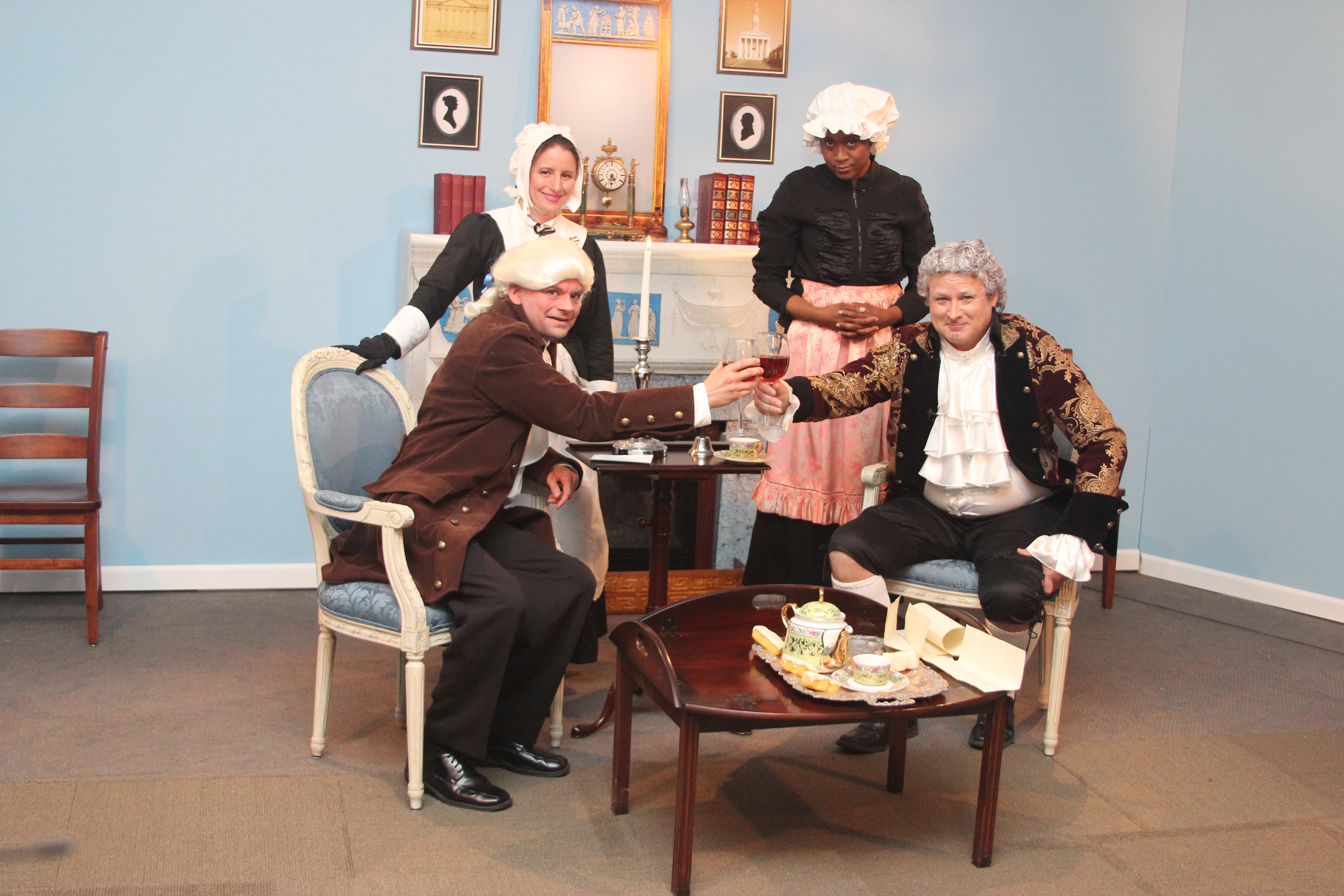
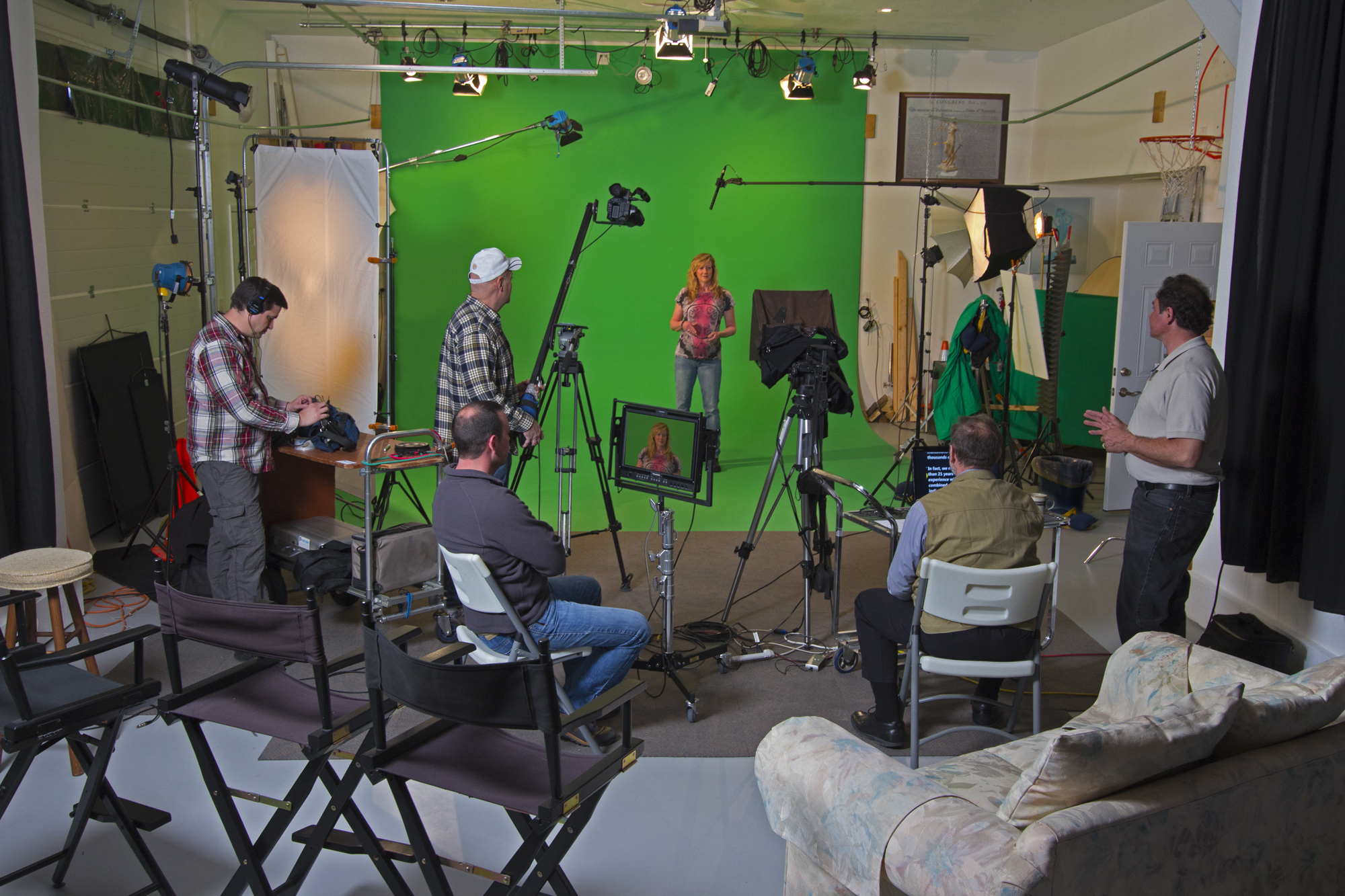
Our private studio lighting and visual setup is ideal for small productions, professional headshots, business portraits, interview scenes, and social media video clips. Our studio is large enough to incorporate props and create a more complete set when needed. We support every aspect of production, from setting up a private custom interview studio to supplying professional sound and camera operators, providing the right equipment, scouting locations, capturing b-roll, and delivering polished final media.

St Louis Photo Studio also provides licensed drone services, specialized indoor FPV drone capabilities, infrared thermal imaging, orthomosaics, and LiDAR services for projects that require more advanced visual documentation.

As a full-service video and photography production corporation since 1982, St Louis Photo Studio has worked with many businesses, marketing firms, and creative agencies throughout the St. Louis area for marketing photography, video production, professional headshots, social media clips, and commercial visual communications.

314-913-5626

stlouisphotostudio@gmail.com

How to Organize Your Photos and Videos After Your Company Event

Capturing the perfect images and videos at your company event is only half of the equation. The true value of these assets comes from how they’re organized, stored, and utilized. Without an effective organization system, even the best shots and videos can get lost in the shuffle, making it harder for your team to leverage them for future marketing, branding, or internal purposes.

In this post, we’ll walk you through the process of organizing your photos and videos after a company event to ensure they’re easily accessible and ready for any marketing or content creation needs. Whether you’re planning to repurpose the footage for social media, internal presentations, or long-term promotional use, proper organization is key to maximizing the potential of your visual assets.

Tags should be added to both images and video files to help with content retrieval.

Step 1: Define Your Categories

Before you start organizing your photos and videos, it’s important to establish categories that will make it easier to locate specific content later. Think about how the content will be used and group your files accordingly. Here are a few common categories you might want to consider:

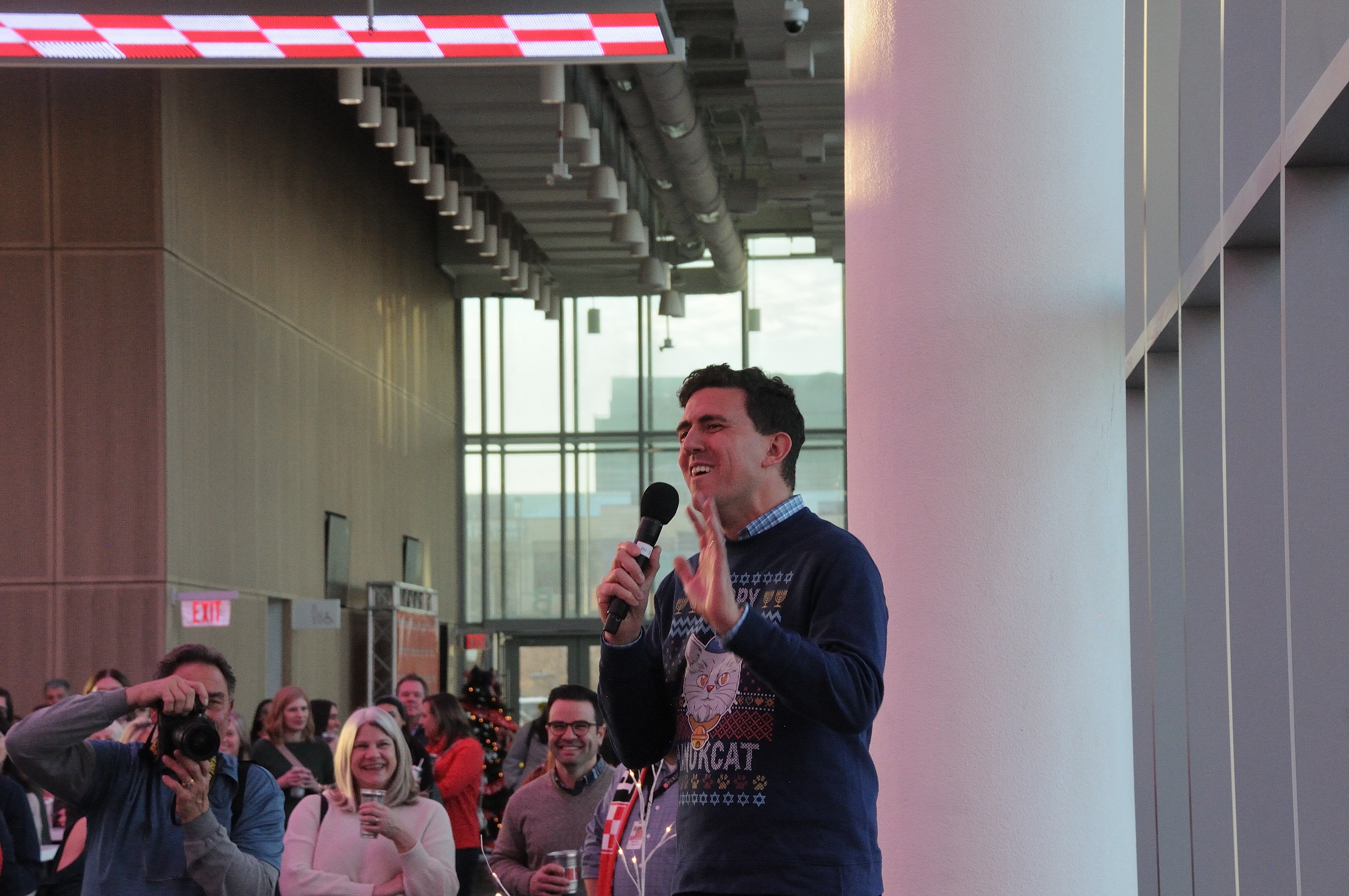
  • Event Highlights: This category includes the most important moments of the event, such as keynote speakers, award ceremonies, and important milestones.
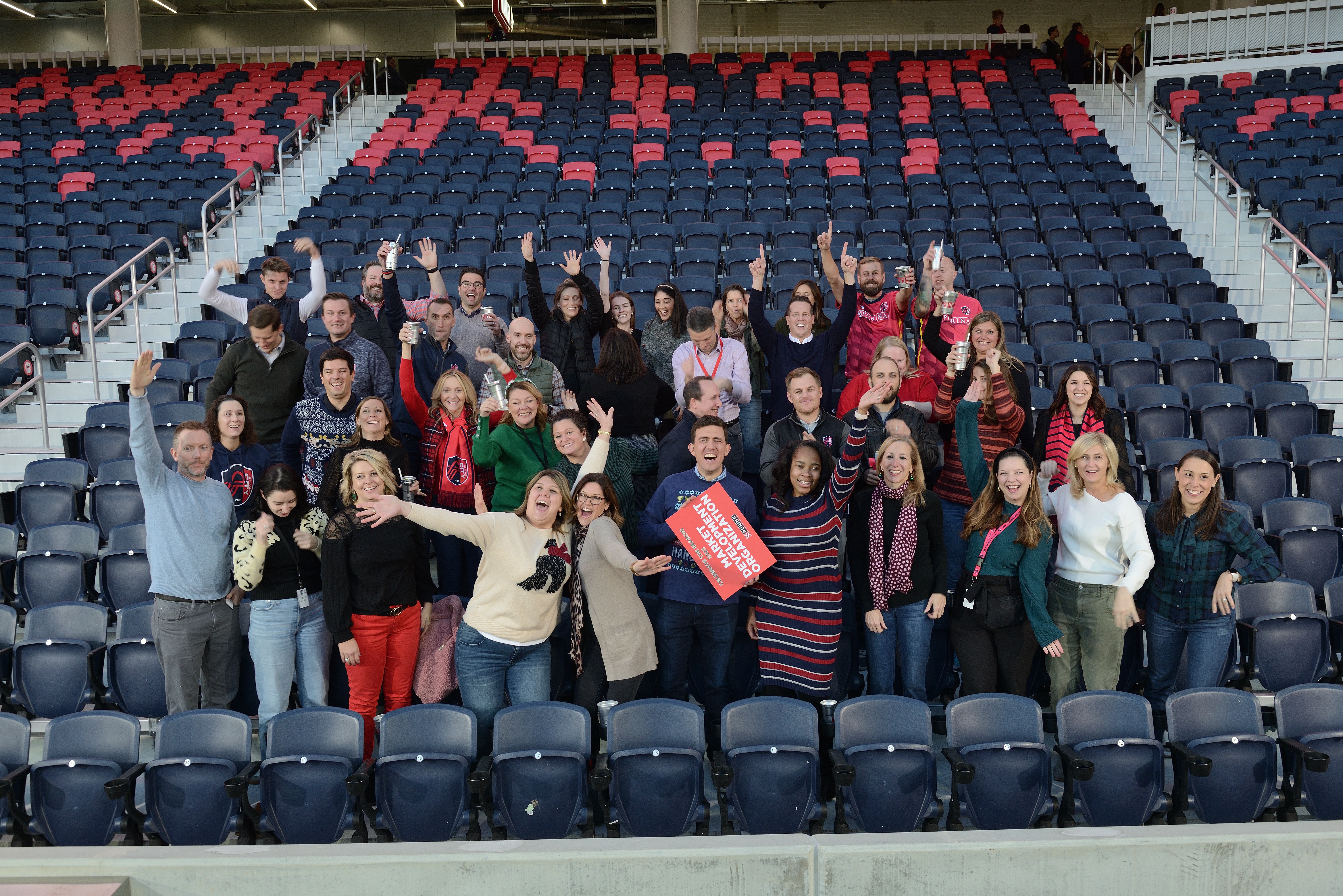
  • People and Attendees: Group images and videos of attendees, networking sessions, and group photos here. If you have shots of key individuals or notable guests, this category should highlight those as well.
  • Behind-the-Scenes: Candid shots or video clips of behind-the-scenes moments during setup or breaks can be great for future marketing materials or social media posts.
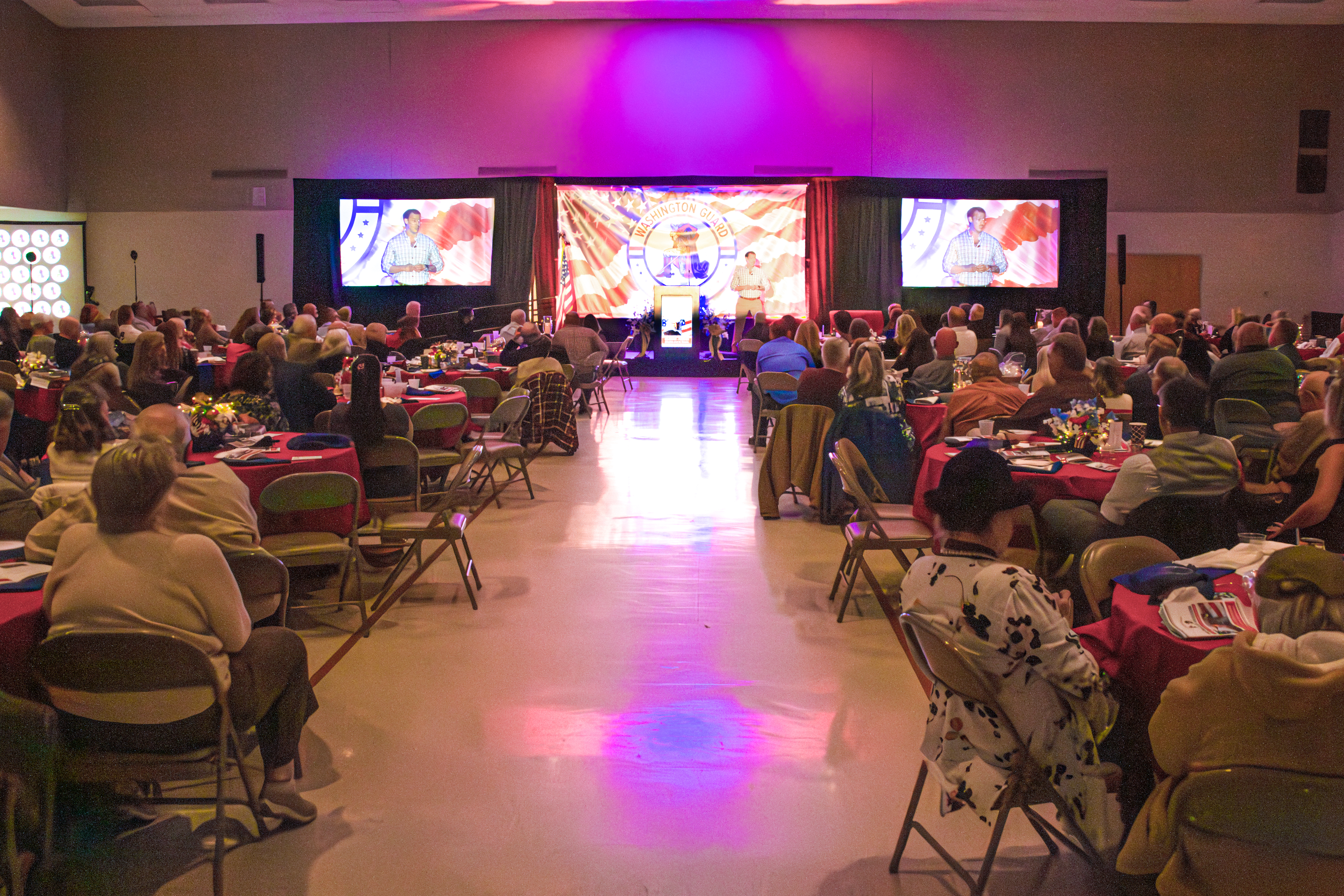
  • Venue and Details: If your event took place in a unique venue or featured significant decor, product displays, or branding, you’ll want to organize these shots separately.
  • Testimonial Videos: If you captured interviews or testimonials from attendees or speakers, these can form a unique category for easy access when creating case studies or promotional content.
  • Promotional Material: For images and videos that are specifically designed for marketing, such as promotional trailers or teaser videos, it’s important to separate these out for easy access during the post-production process.

Step 2: File Naming Conventions

Once you have your categories in mind, it’s time to focus on file naming. This can often be the most tedious part of organizing your visual content, but it is crucial for easy retrieval. Here are some tips to make your file naming system efficient:

  • Consistency Is Key: Stick to a uniform format for naming files. A good structure could include the event name, the date, and a description of the content. For example, “EventName_YYYYMMDD_SpeakerName” for images or “EventName_YYYYMMDD_BehindTheScenes” for video files.
  • Keep It Short and Descriptive: File names should be short but descriptive enough to give an idea of what the content is. Avoid using spaces or special characters, which may cause issues on some systems.
  • Use Folders and Subfolders: Organize your files into folders based on categories and then create subfolders for more specific types of content. This creates a layered approach that’s easy to navigate.

Step 3: Implement a Storage System

With your files named and categorized, the next step is choosing the right storage system. For companies dealing with large volumes of photos and videos, a reliable storage solution is essential. Here are some options:

  • Cloud Storage: Services like Google Drive, Dropbox, or Box allow for secure, remote access to your content, which is perfect for teams that need to share files across locations. The added bonus of cloud storage is that it offers scalability—meaning, as your visual content library grows, you can easily upgrade your storage.
  • External Hard Drives: If you prefer to store your files locally, an external hard drive with ample storage space is a solid option. Make sure to back up your files regularly to avoid data loss.
  • Network-Attached Storage (NAS): For larger organizations or those working with extensive amounts of media, a NAS system can provide centralized, secure storage. This allows your team to access files from multiple devices and workstations, streamlining the production process.

Step 4: Utilize Metadata and Tags

Metadata is an often-overlooked but powerful tool for organizing visual content. By adding relevant metadata (such as keywords, descriptions, and dates) to your files, you can create an extra layer of searchability.

  • Descriptive Tags: Tags should be added to both images and video files to help with content retrieval. Tags could include the event type, key people, themes, or specific moments within the content.
  • Geotagging: For videos or photos taken in different locations, adding geotags can help further organize and sort your media.
  • Using Software for Asset Management: Software like Adobe Bridge, Lightroom, or ACDSee allows you to add detailed metadata and manage your files in a more sophisticated way. These tools enable batch editing, tagging, and categorizing, which makes managing large amounts of content much easier.

Step 5: Editing and Post-Production Workflow

After organizing your raw files, it’s time to start editing and creating final content. A well-defined post-production workflow is critical to ensuring your images and videos are polished and ready for use.

  • Images: Use software like Adobe Photoshop or Lightroom to enhance your photos. Create presets for consistency, such as color correction, cropping, or sharpening. If you’re working with large quantities of images, batch processing can save time.
  • Videos: Video editing software such as Adobe Premiere Pro or Final Cut Pro can help you refine your event footage. Focus on creating short, impactful clips for social media and longer-form content for marketing or internal presentations.
  • File Versions: After editing, it’s essential to save multiple versions of your files—such as raw, edited, and web-ready versions—so that you have the flexibility to repurpose them in different formats.

Step 6: Repurposing Content for Marketing

Repurposing your photos and videos is an effective way to extend the life of your content. A single shot from your event could be used in multiple ways:

  • Social Media Posts: Short clips, behind-the-scenes footage, or powerful photos can be shared on your social media channels to keep the event buzz alive.
  • Website: Highlight key moments from the event in a video gallery or blog post.
  • Email Campaigns: Use images or videos to promote your event or upcoming events in newsletters.

By repurposing content, you’re not only increasing its value but also ensuring that it reaches a wider audience across various marketing channels.

Why Choose St. Louis Photo Studio for Your Event Photography and Video Needs?

At St. Louis Photo Studio, we pride ourselves on our ability to capture the essence of every event, turning moments into lasting memories. As a full-service professional commercial photography and video production company, we have the right equipment and a creative, experienced crew to ensure successful image acquisition. Our studio and location video and photography services are complemented by editing, post-production, and licensed drone pilots, all designed to bring your vision to life.

Since 1982, we have worked with businesses, marketing firms, and agencies in the St. Louis area, providing top-quality photography and video services that help brands engage their audience. We specialize in customizing productions for diverse media requirements and are experts in repurposing photography and video branding to increase traction. Our private studio setup is perfect for small productions and interview scenes, and we can accommodate larger sets with props to enhance your shoot.

Whether you need a custom interview studio setup, sound and camera operators, or indoor drone capabilities, St. Louis Photo Studio is here to support every aspect of your production. Let us help you make your next event a visual success with images and videos that will continue to benefit your business for years to come.

Ready to elevate your next event’s photography and video coverage? Contact St. Louis Photo Studio today!

314-913-5626

Mike Haller
stlouisphotostudio@gmail.com