Every conference, trade show, gala, and corporate event is a limited-time investment of budget, staff hours, and reputation. Once the doors close and the booths come down, the only lasting proof of that investment is the visual record you walk away with. For marketing directors, event producers, and communications leads, professional conference and event coverage isn’t a nice-to-have add-on — it’s the raw material for a year’s worth of recruitment content, sales collateral, sponsor recaps, social proof, and next year’s promotional campaign.
Yet event photography and videography is one of the most misunderstood categories of commercial media production. It looks simple from the outside — show up, take pictures, capture some video — but delivering usable, on-brand assets from a live, unrepeatable event requires a level of planning, technical skill, and post-production discipline that few other production types demand. Here’s what decision makers should understand before their next conference or event.
Why Event Coverage Is a Different Discipline
Studio and controlled-location shoots allow for retakes, adjustable lighting, and a fixed schedule. Conferences and events offer none of that. A keynote happens once. A ribbon-cutting happens once. A candid moment of a client shaking hands with your CEO on the show floor happens once. There is no “let’s do that again.”
This reality changes the entire approach to production:
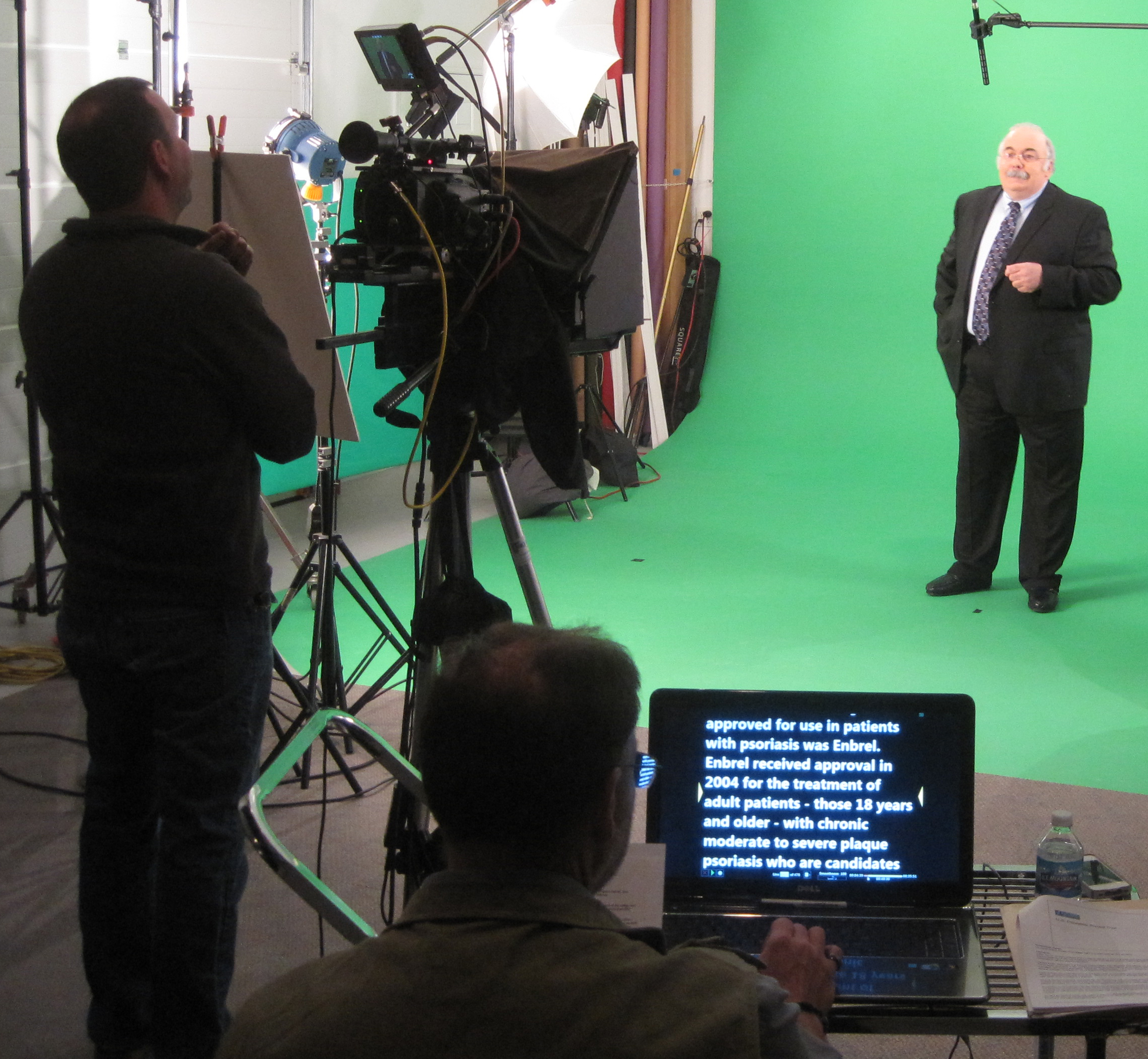
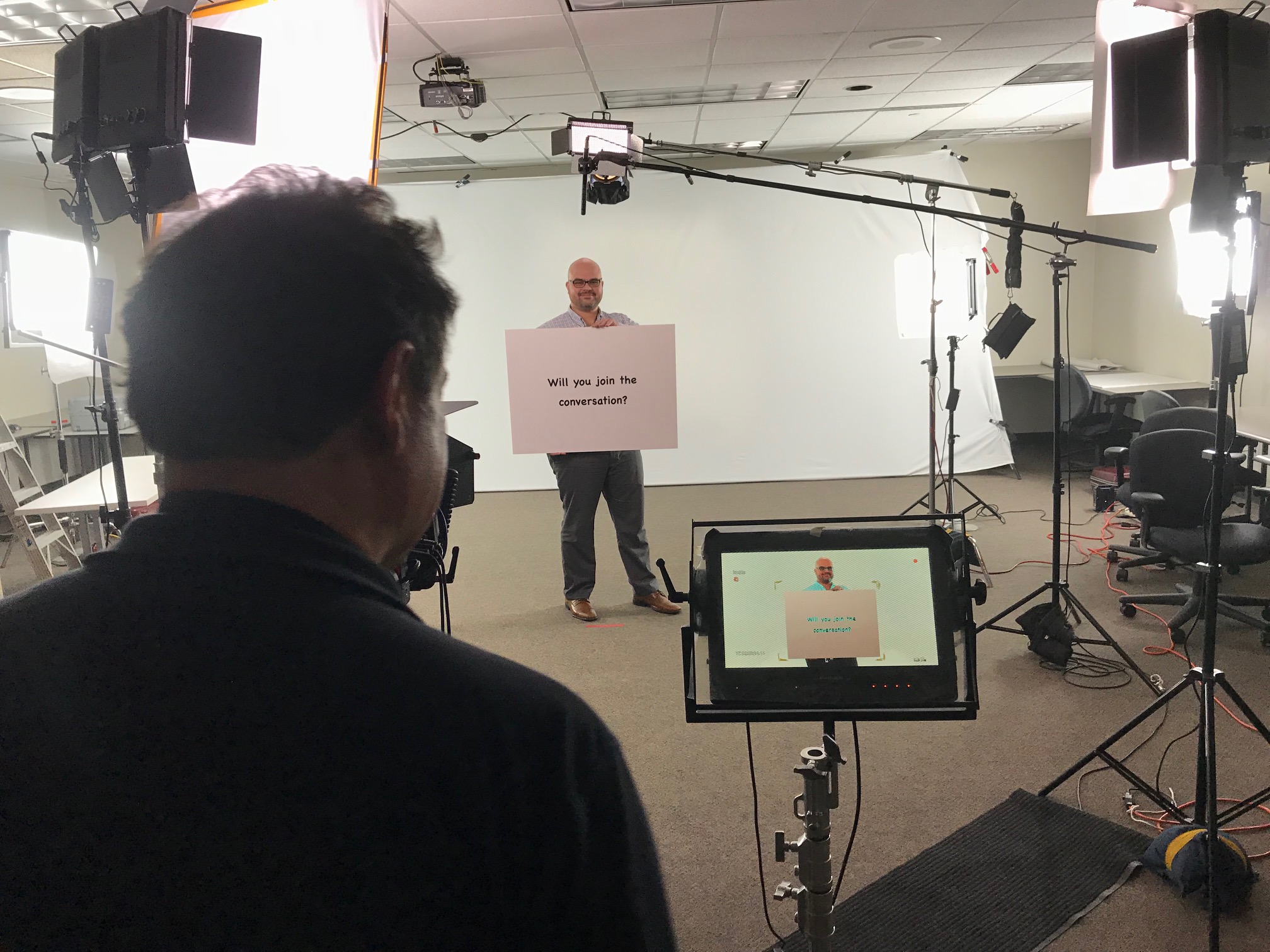
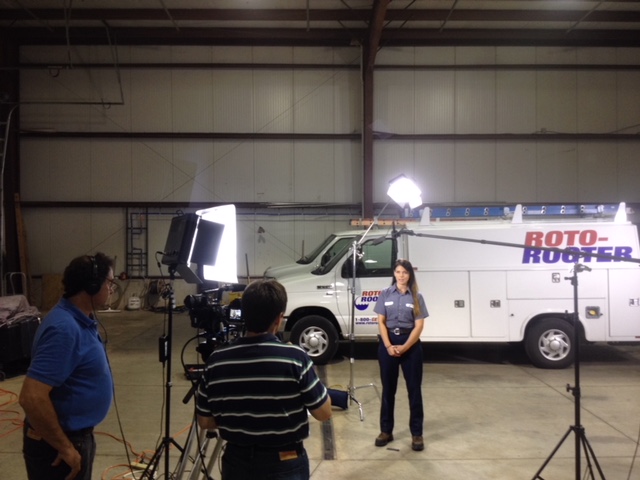
- Anticipation replaces direction. A skilled event photographer or videographer must read a room and predict what’s about to happen — the applause line, the award reveal, the networking interaction — because there’s no second take.
- Coverage must be redundant. Professional crews plan for multiple simultaneous vantage points and backup equipment, because a missed angle or a dead battery during a keynote can’t be recovered.
- Lighting is often uncontrollable. Conference centers, hotel ballrooms, and outdoor venues each present their own lighting challenges. Experienced crews carry adaptable lighting and camera gear calibrated to work in mixed, low, or high-contrast environments without disrupting the event itself.
- Discretion matters. Unlike a studio shoot, an event crew is working inside a live audience experience. Professional operators know how to move, position, and shoot without becoming a distraction to attendees or speakers.
What a Comprehensive Event Coverage Plan Includes
Decision makers should expect (and ask for) a coverage plan that goes well beyond “send a photographer.” A well-run conference or event production typically includes:
1. Pre-Event Strategy and Shot Lists
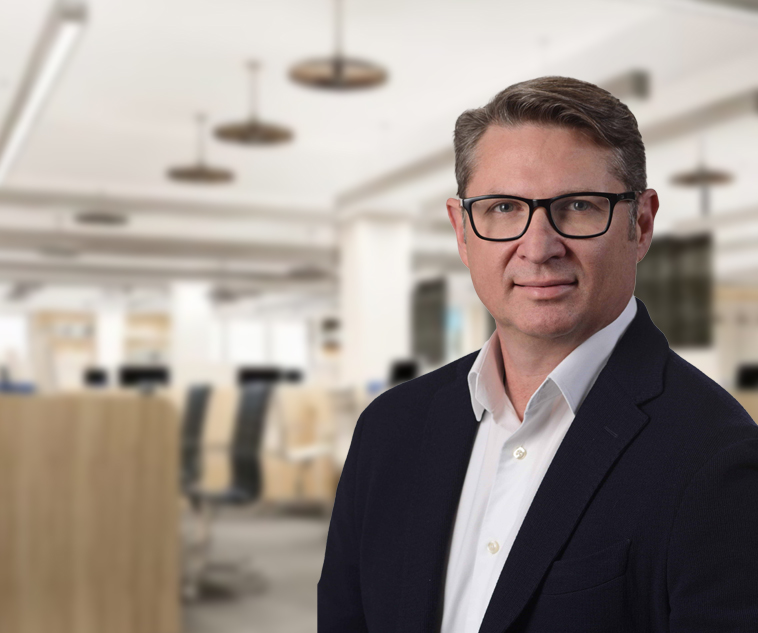
A production partner should meet with your team before the event to understand your marketing goals. Are you building a highlight reel for next year’s promotion? Do you need headshots of speakers? Are sponsors expecting deliverables that feature their branding? This conversation shapes a shot list and schedule that ensures nothing critical is missed.

2. Keynotes and General Sessions
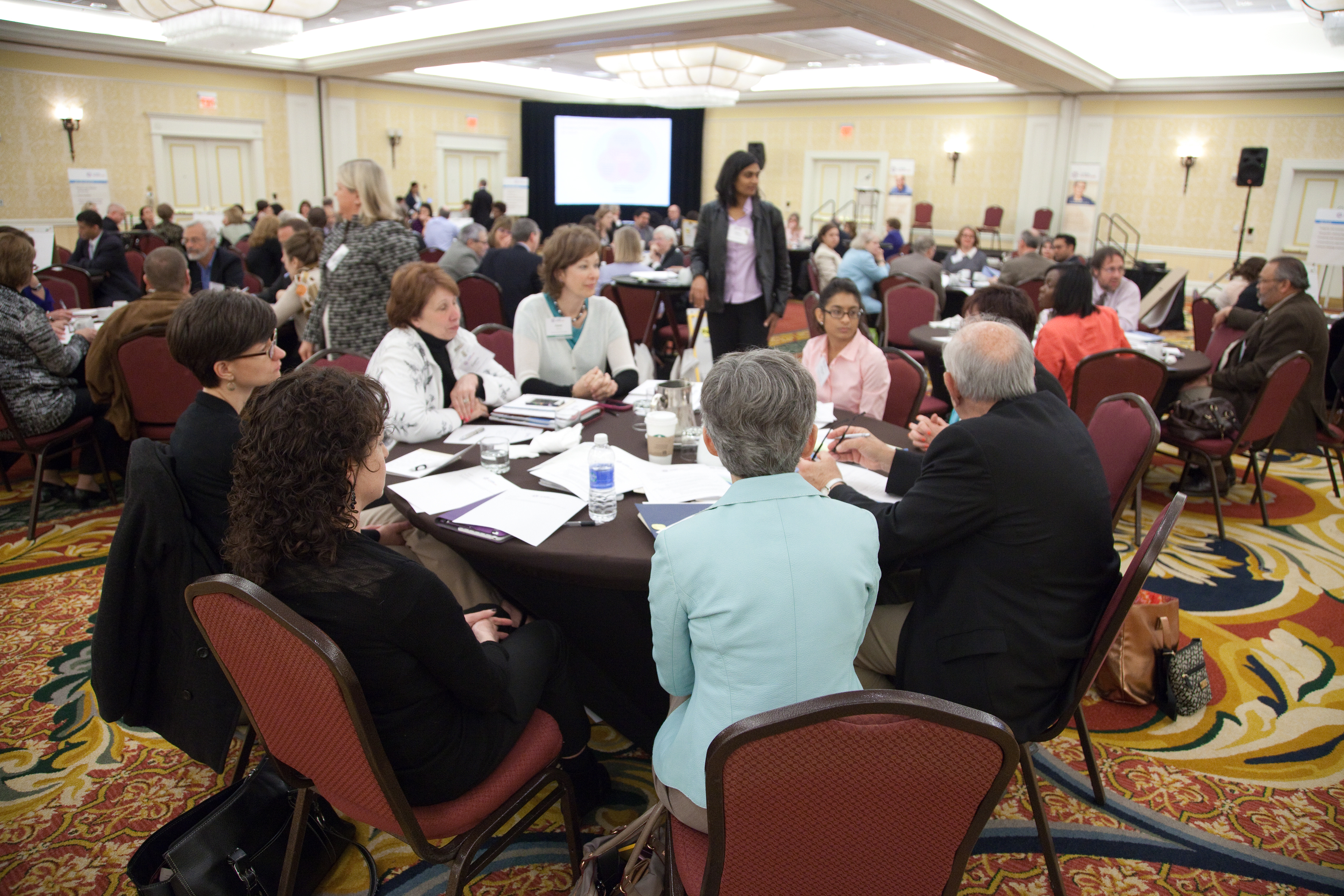
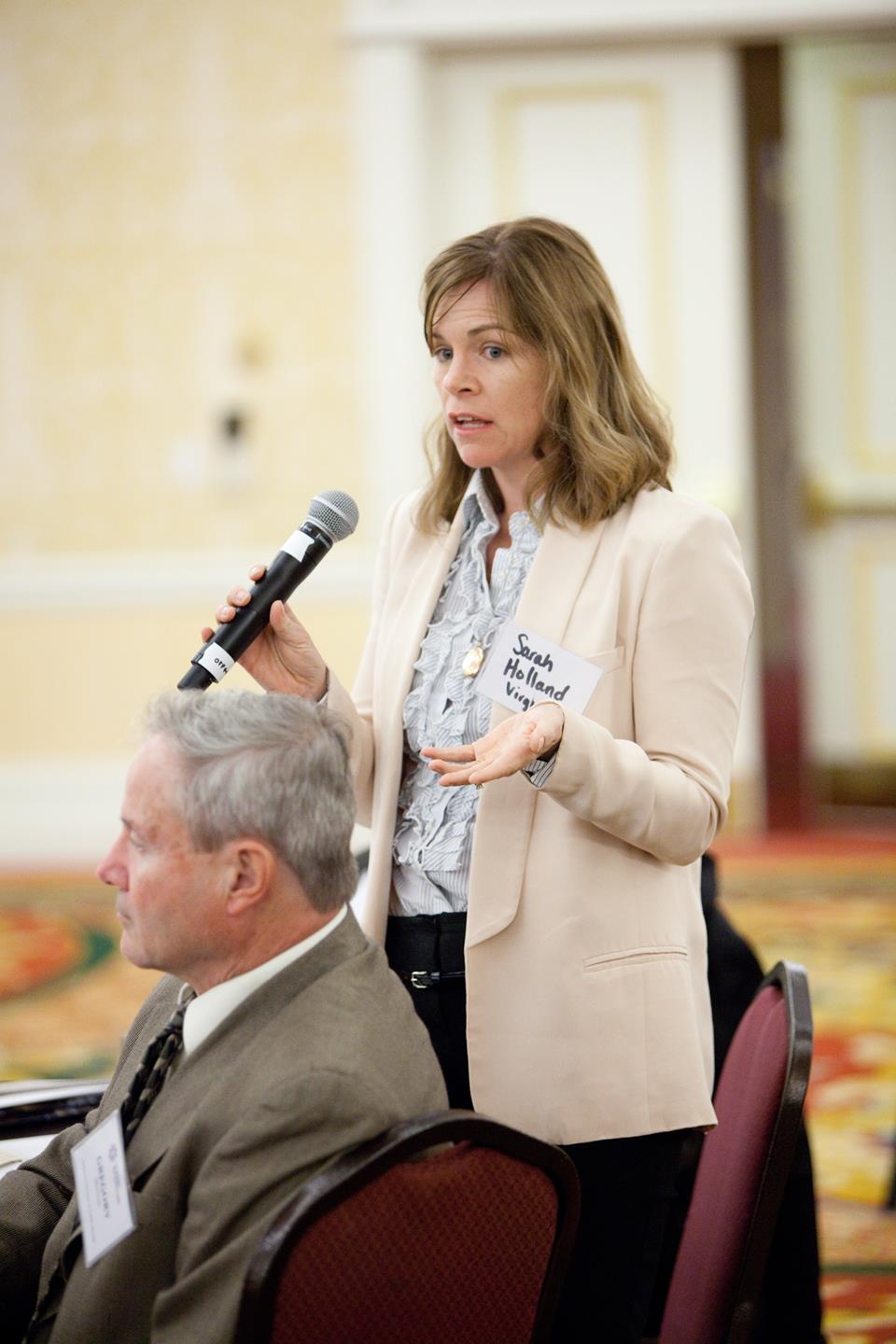
Multi-camera video coverage of keynotes and panels ensures you capture both the speaker and audience reaction, along with clean audio pulled directly from the venue’s sound board whenever possible. This is essential for creating quotable, sharable clips after the event.
3. Candid and Environmental Coverage
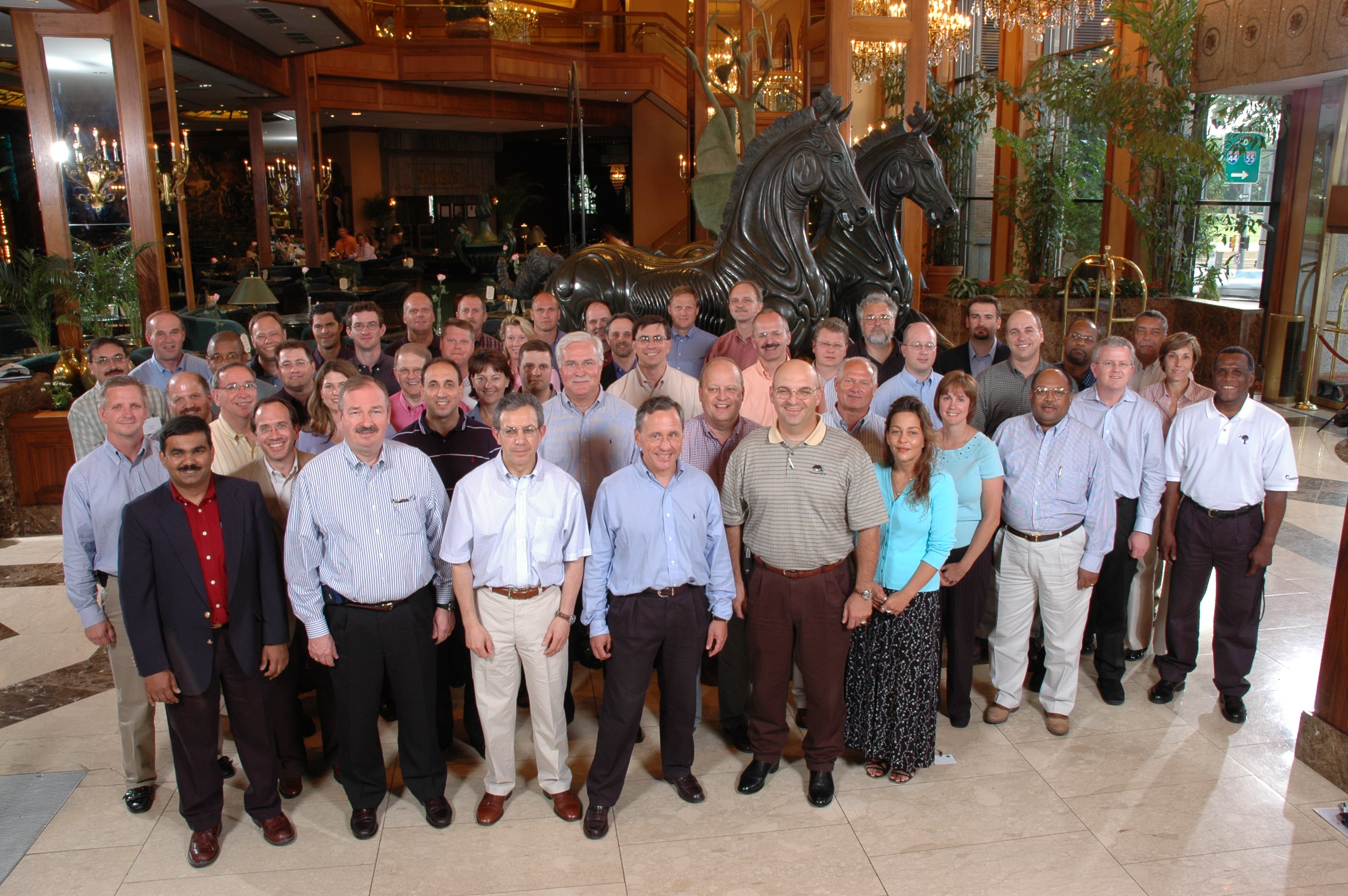
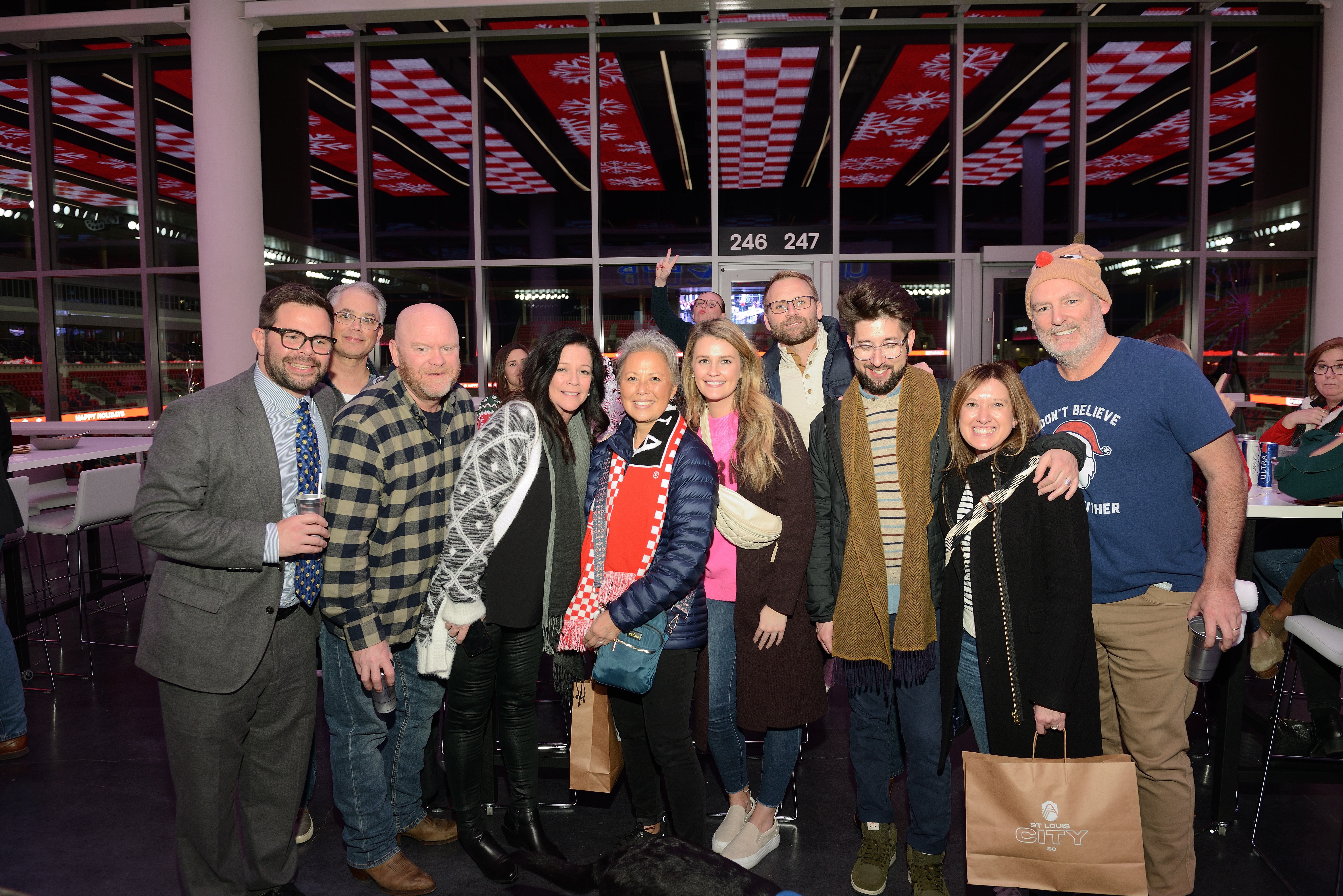
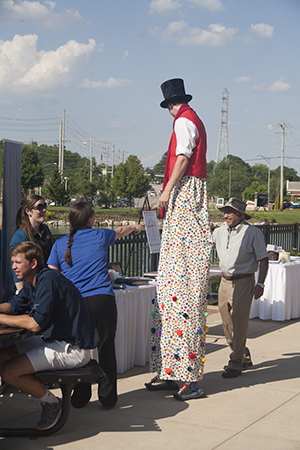
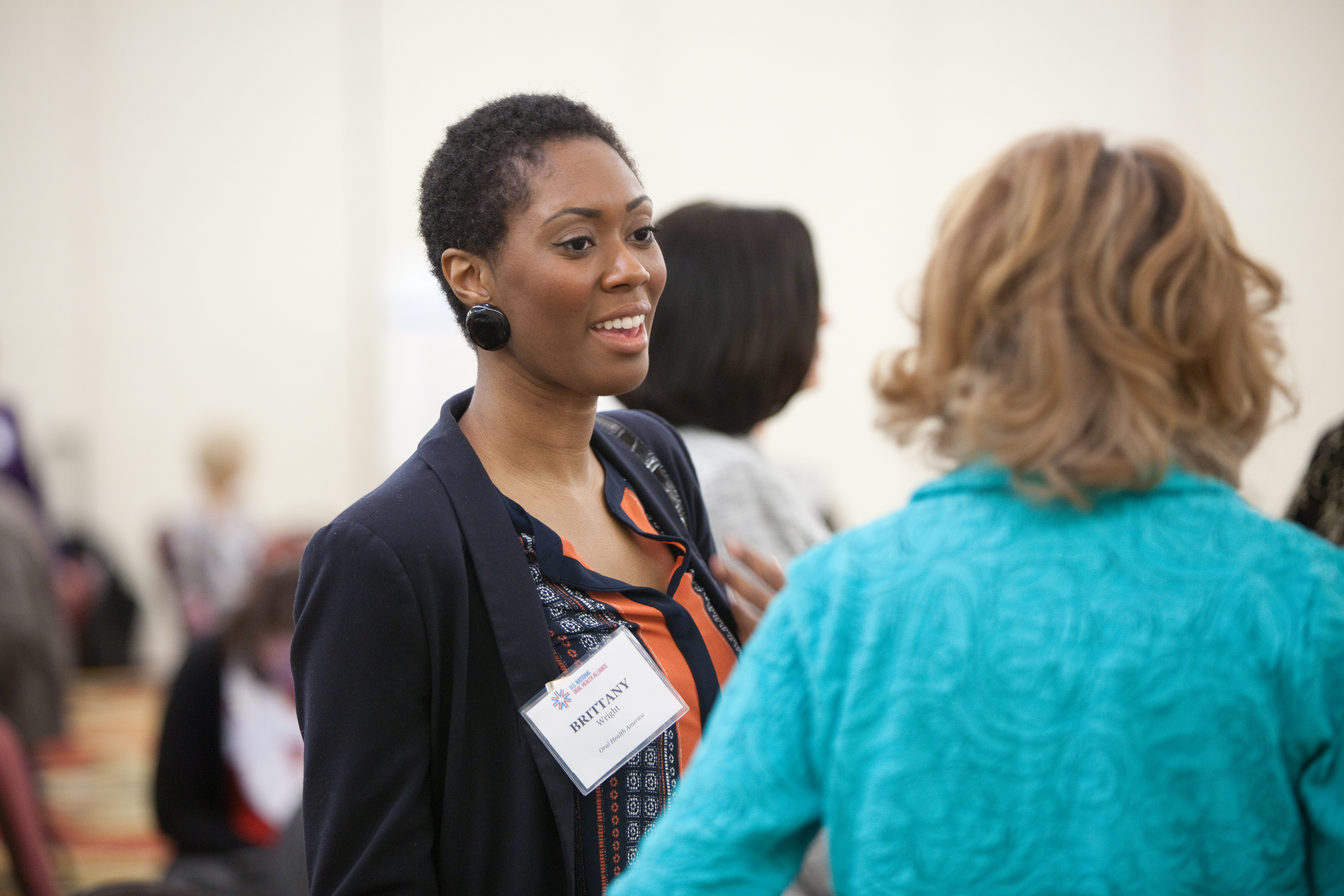
Networking moments, exhibitor booths, breakout sessions, and audience engagement tell the story of your event’s energy. These images and clips are often the most valuable assets for social media and next year’s registration campaigns, because they show real engagement rather than a stage.
4. B-Roll for Post-Production Flexibility
Establishing shots of the venue, signage, crowds arriving, branded environments, and detail shots of materials give editors the flexibility to build a compelling recap video or sizzle reel without relying solely on session footage.


5. Sponsor and Exhibitor Deliverables
For events with sponsors or exhibitors, dedicated coverage of branded spaces and interactions is often a contractual deliverable. Having a plan for this in advance avoids last-minute scrambling and strengthens sponsor relationships for future events.
6. Rapid Turnaround Assets
Same-day or next-day social content has become a standard expectation. A production partner with an efficient post-production workflow can deliver select images or a short recap clip within hours, keeping your event trending on social channels while it’s still relevant.
Photography and Video Work Together — Not Separately
One of the most common mistakes organizations make is treating photography and videography as separate vendor relationships. When both are coordinated under a single production team, the results are far more cohesive:
- Photographers and videographers can share intel on schedule changes in real time.
- Lighting and positioning can be planned to serve both mediums without one crew getting in the other’s shot.
- Final deliverables — photos, video clips, and social content — maintain consistent color grading, branding, and tone.
- A single point of contact simplifies logistics, credentialing, and communication with venue staff and event organizers.
Post-Production: Where the Real Value Is Delivered
Raw event footage and images are only the beginning. The value decision makers actually use comes from post-production:
- Photo culling and retouching to deliver a curated, brand-ready gallery rather than thousands of unsorted images.
- Video editing into multiple formats — a full recap, a 30-second social cut, vertical formats for Reels and Stories, and sponsor-specific edits.
- Color grading and audio mixing to ensure professional polish across varied lighting and sound conditions.
- Metadata and file organization so your marketing team can quickly locate and repurpose assets months later.
- AI-assisted workflows for faster culling, transcription, and rough-cut assembly, allowing for quicker turnaround without sacrificing the human judgment needed for brand-accurate final edits.
Questions Decision Makers Should Ask a Production Partner
Before booking coverage for your next conference or event, ask potential partners:
- How many crew members will be on-site, and how is coverage divided across simultaneous sessions or spaces?
- What is your backup plan for equipment failure during a live, unrepeatable moment?
- Can you deliver same-day or next-day social content?
- Do you provide both photography and videography under one coordinated team?
- What does your post-production process look like, and what file formats and resolutions will we receive?
- Can assets be repurposed across web, social, print, and future campaigns?
- Do you have experience navigating large venues, credentialing, and coordinating with event staff and AV teams?
The answers to these questions separate production partners who understand events from those who are simply available on the date you need them.
About St Louis Photo Studio
St Louis Photo Studio has served as a full-service professional commercial photography and video production company since 1982, working alongside businesses, marketing firms, and creative agencies throughout the St. Louis area on their marketing photography and video needs — including conferences and live events.
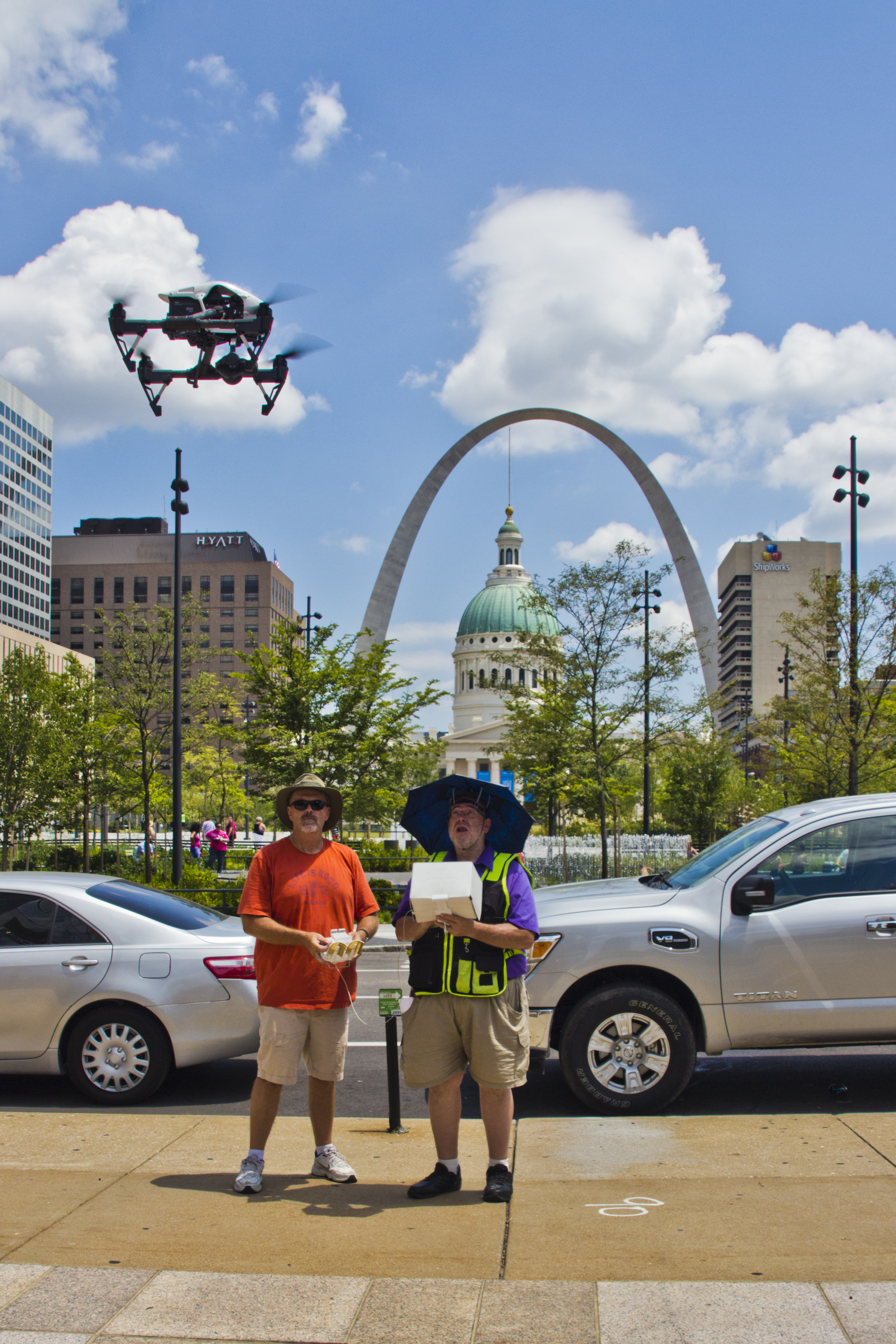

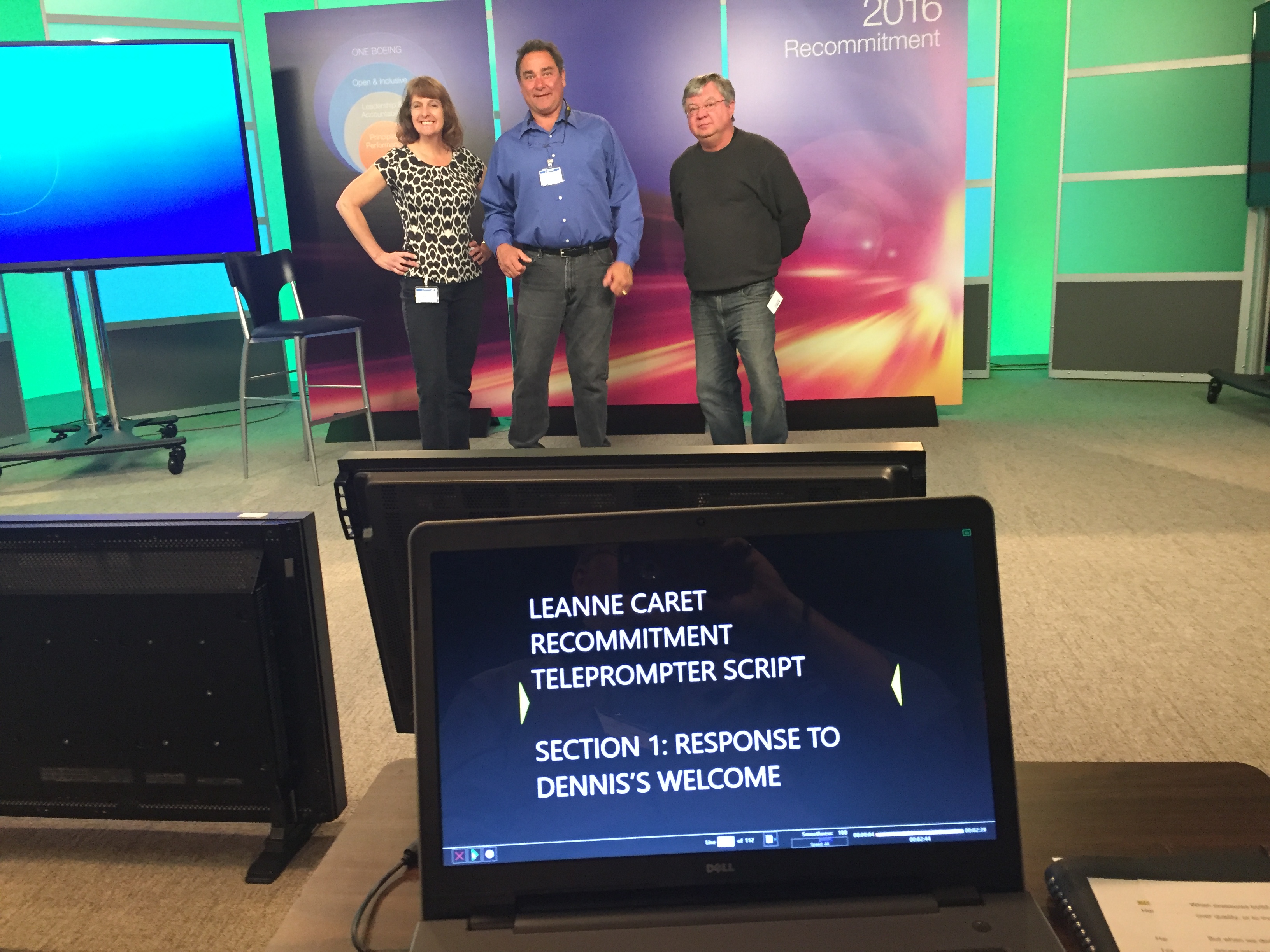
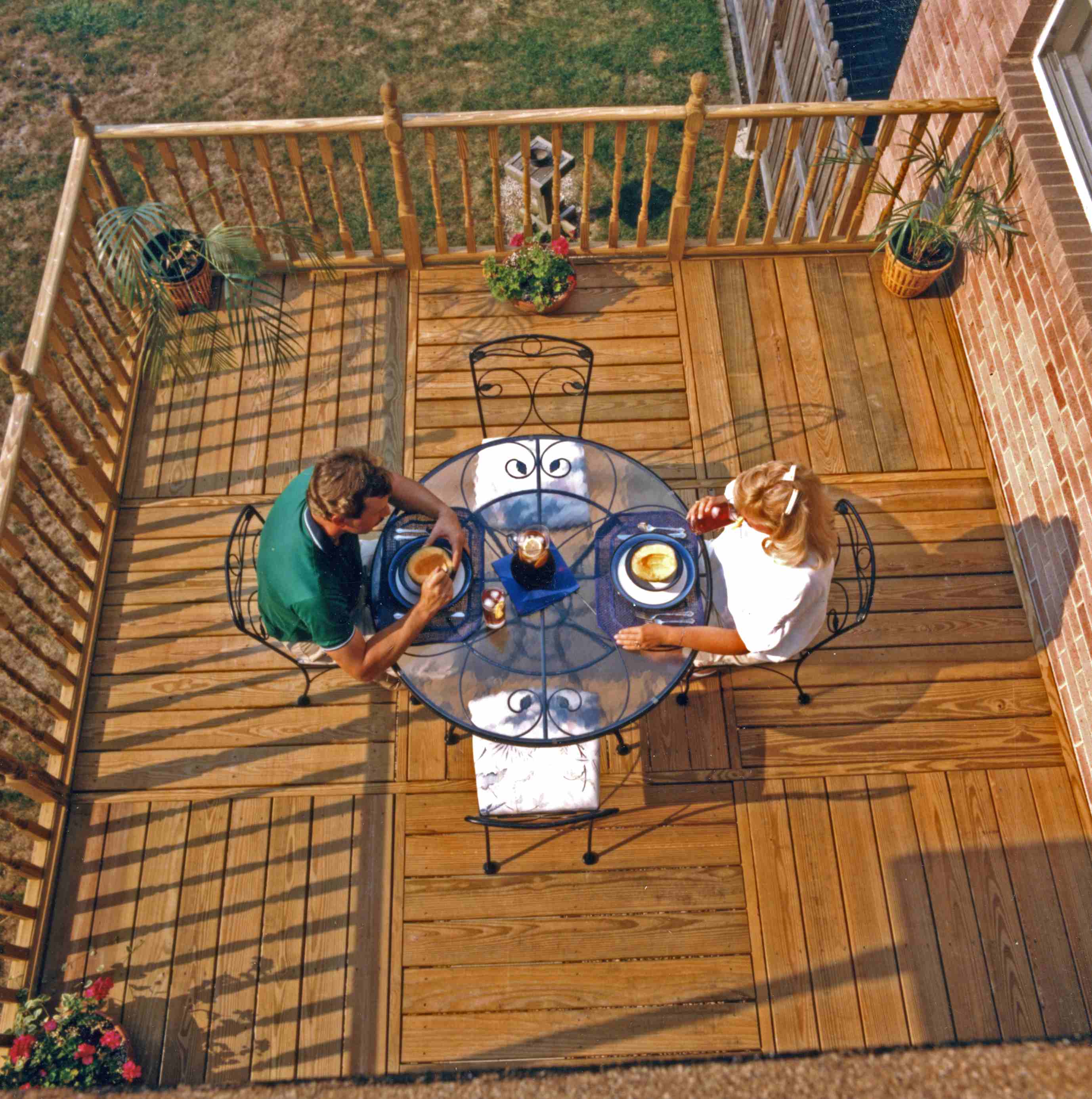
We bring the right equipment and an experienced creative crew to every production, whether that’s a multi-day conference, a corporate gala, a trade show, or an intimate executive briefing. Our team handles full-service studio and location video and photography, along with editing, post-production, and licensed drone services, giving your organization one coordinated partner instead of multiple vendors to manage.
For conferences and events specifically, our crews specialize in location scouting and b-roll, ensuring your recap videos and social content are built on strong environmental and establishing footage in addition to session coverage. We’re well-versed in every file type, media style, and accompanying software your marketing and creative teams use, and we integrate the latest in artificial intelligence across our media services to speed up culling, editing, and turnaround without compromising creative quality.
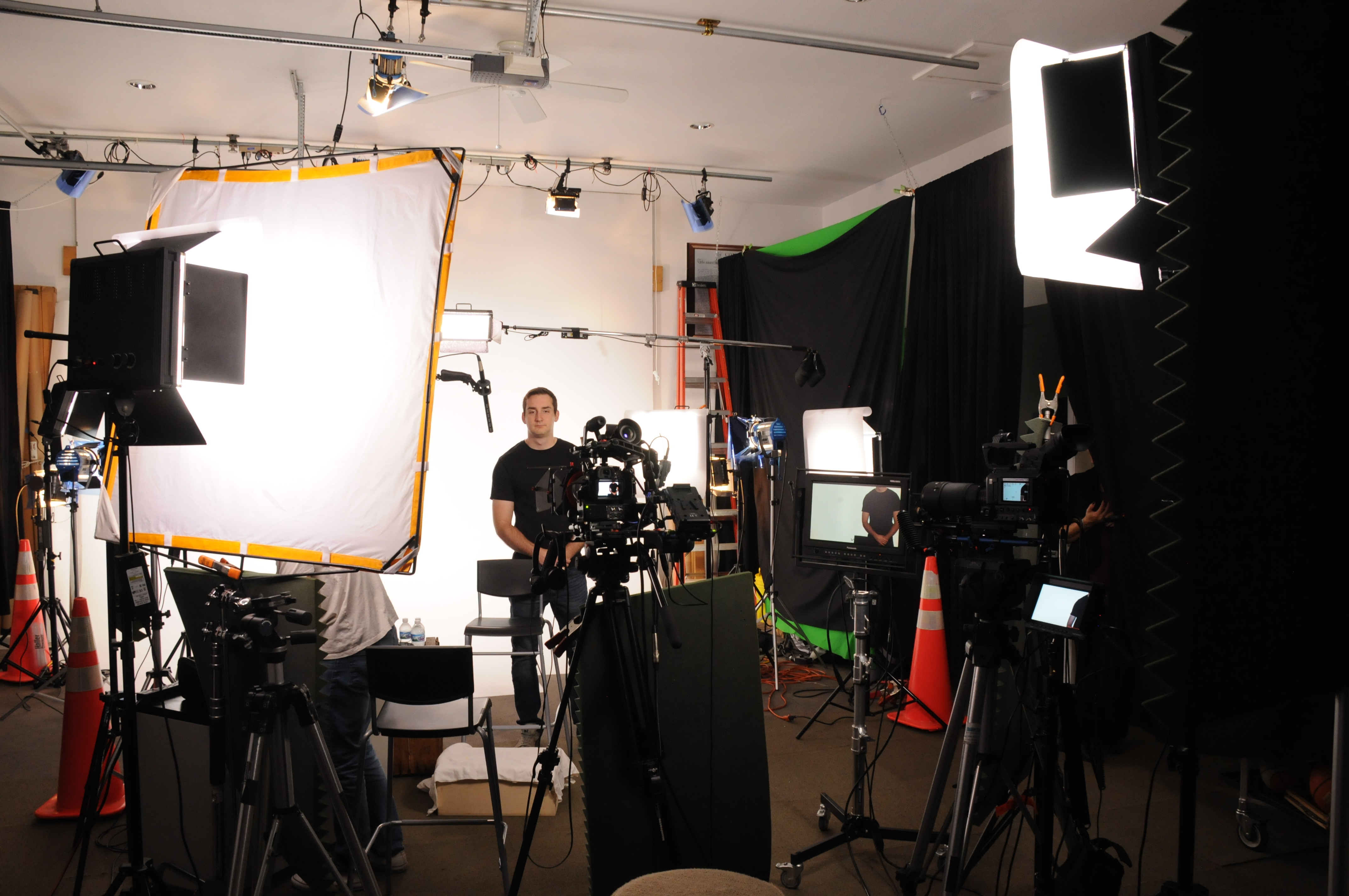
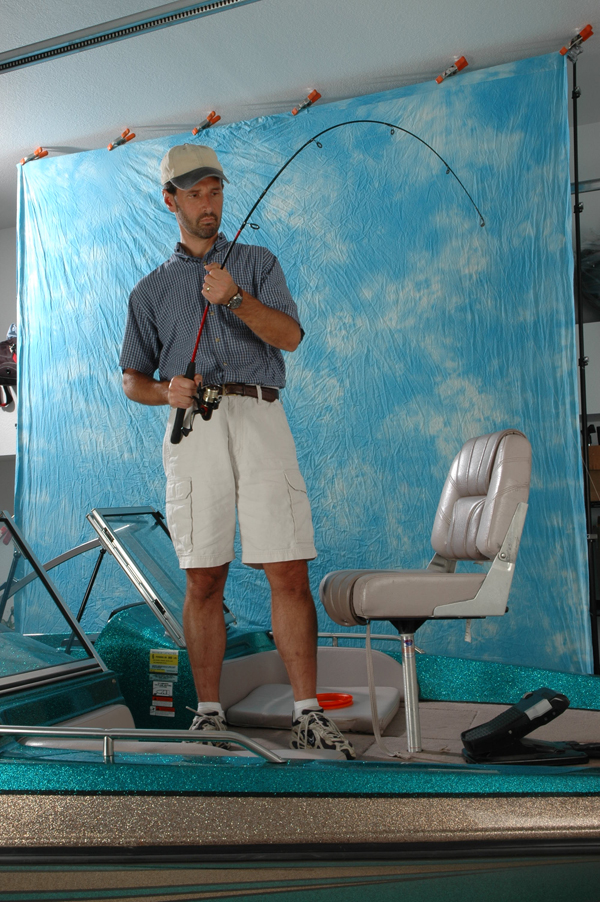
When an event calls for a private, controlled setting — executive interviews, speaker sit-downs, or branded portrait sessions — our studio’s private lighting and visual setup is ideal for small productions, with enough space to incorporate props and build out a complete set. We also support every other aspect of your production, from professional sound and camera operators to the full equipment package your shoot requires.


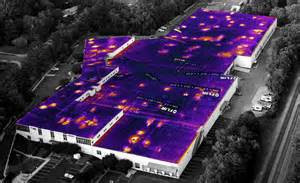
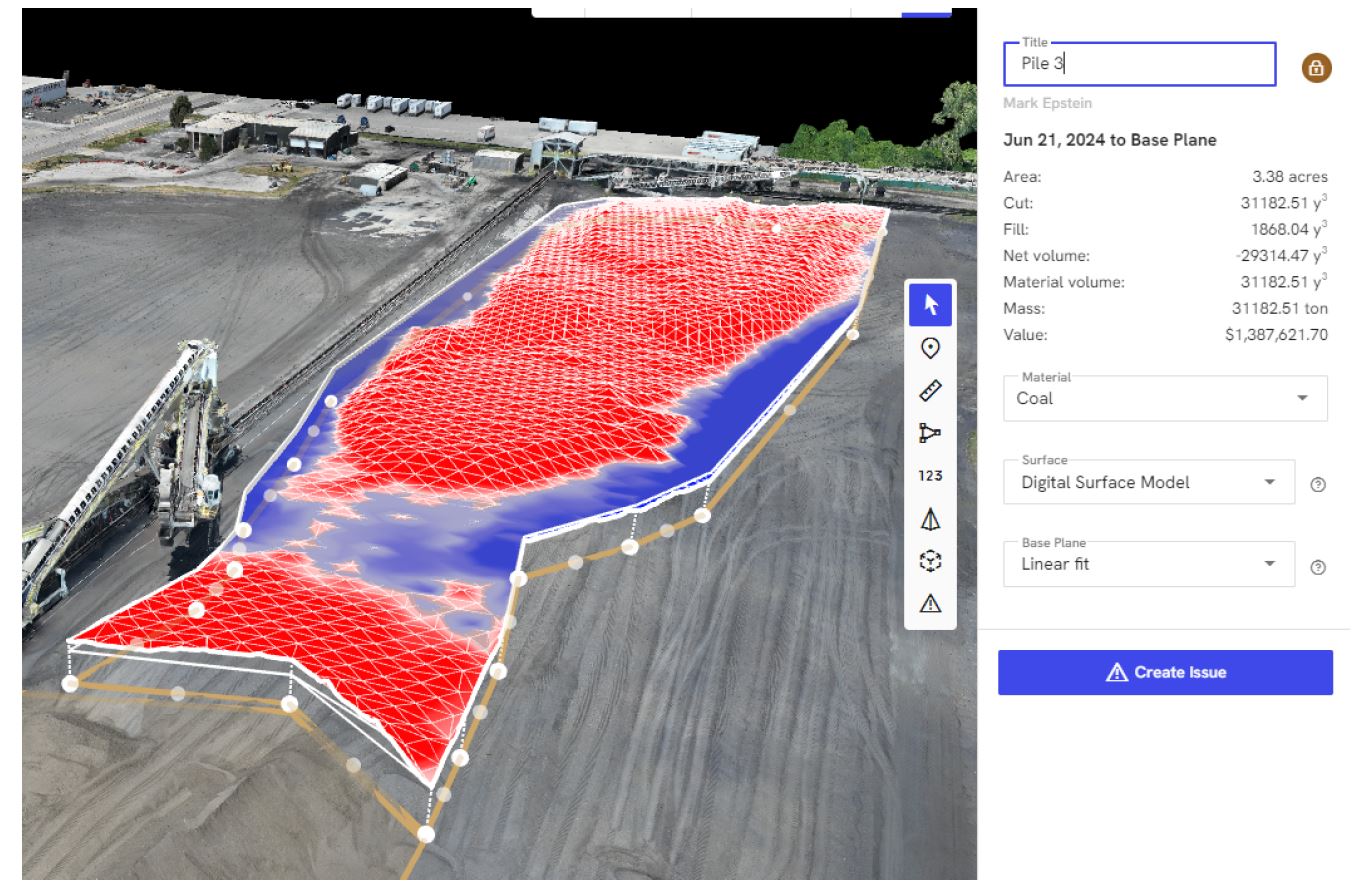
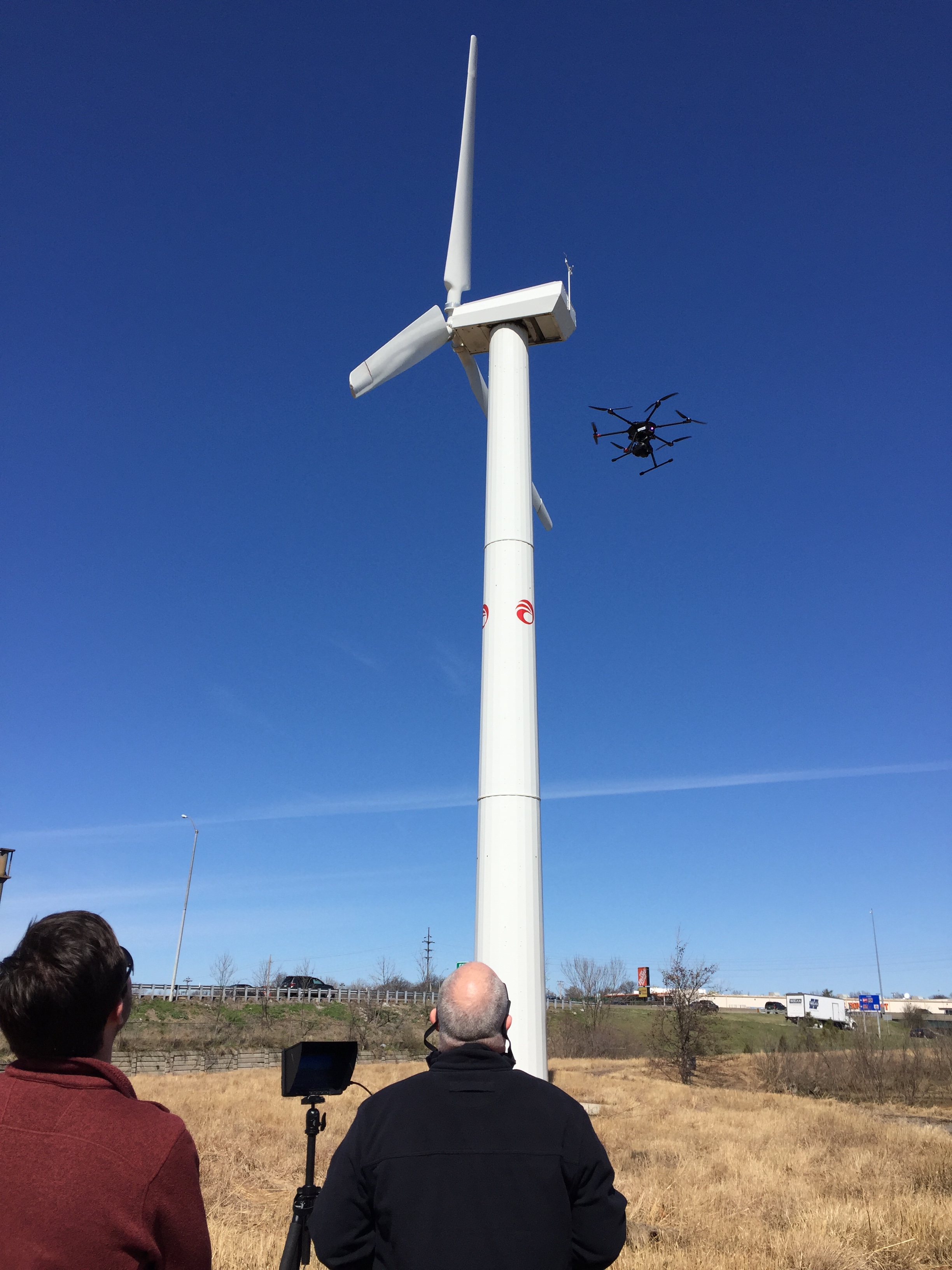
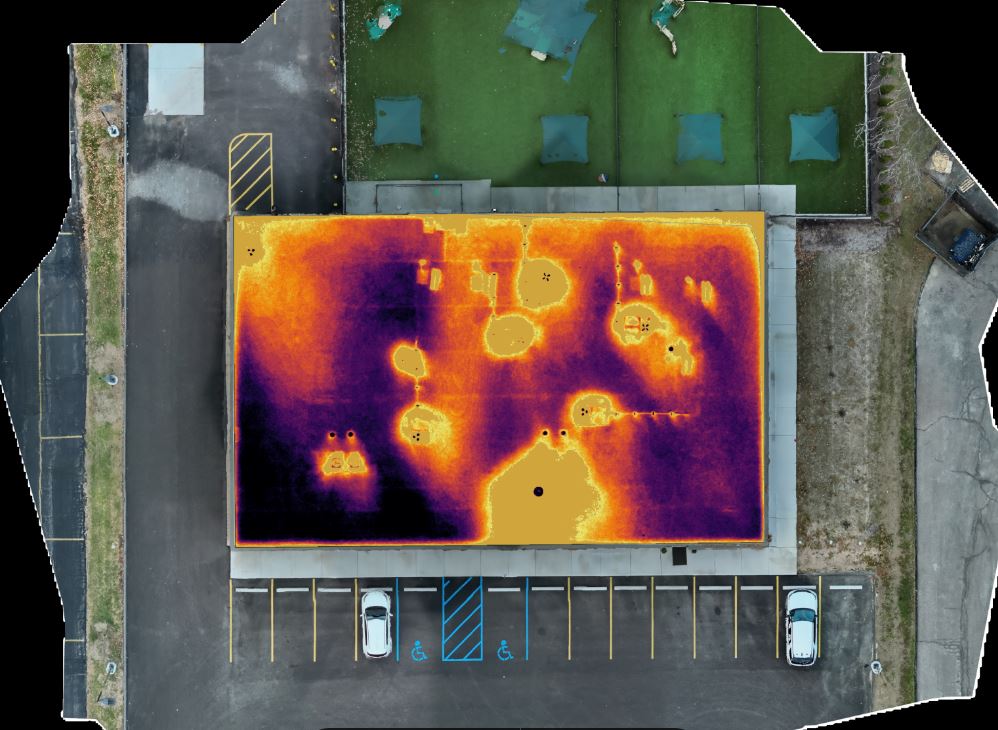
Our licensed drone services extend event coverage in ways ground-based crews can’t, including specialized FPV drones capable of flying indoors for dynamic venue shots, along with infrared thermal, orthomosaic, and LiDAR capabilities for organizations with more advanced documentation or facility needs.
Beyond the event itself, we specialize in repurposing your photography and video branding to help your organization gain more traction from every shoot — turning a single conference or event into a year’s worth of marketing, recruitment, and sponsor content.
If your organization has a conference or event on the calendar, St Louis Photo Studio is ready to build a coverage plan tailored to your goals, your venue, and your audience.
314-913-5626
Mike Haller
stlouisphotostudio@gmail.com
Studio by Appointment: 4501 Mattis Road St Louis, MO 63128


