When planning a successful event, whether it’s a corporate gathering, conference, or a product launch, ensuring you capture every important moment is crucial. Having a shot list in place is the best way to organize and prioritize the key moments of your event that need to be photographed or filmed. A well-planned shot list not only ensures that all important aspects of your event are covered, but it also ensures that your photography and video production team works efficiently, delivering stunning, high-quality results.
In this post, we will walk you through how to create an effective shot list, which will help your production team deliver exactly what you need.
1. Define the Purpose and Goals of Your Event Coverage
Before you start creating a shot list, it’s important to clarify the purpose of your event. Are you aiming for corporate branding shots, capturing a keynote speaker, or documenting a networking session? The goal will guide the types of shots you prioritize.
- Corporate Branding: Focus on high-quality, professional shots of your venue, attendees, and staff, emphasizing your brand’s identity.
- Networking Sessions: Look for candid moments where attendees are interacting and forming relationships.
- Keynote Speakers: You’ll want clear, dramatic shots of the speaker with audience engagement.
- Behind-the-Scenes: Capture your team preparing and setting up for the event.
2. Create Categories Based on Your Event
Divide your event into distinct categories so that you don’t overlook any aspect of it. Here are some common categories you might want to include:
- Venue and Décor: Wide shots of the venue and close-ups of décor elements that emphasize the atmosphere.
- Speakers and Presentations: Candid and posed shots of the speakers in action, including close-ups of their expressions and interactions with the audience.
- Audience Engagement: Capturing audience reactions and participation helps to tell the full story.
- Networking and Social Interactions: These shots include people chatting, networking, and enjoying your event.
- Details: Close-ups of event signage, badges, handouts, or product displays.
3. Plan the Timing of Key Shots
Understanding the schedule of the event will help you plan the timing of your shots. For example, during a conference, you will want to capture the opening speech, lunch, breakout sessions, and any awards ceremony. A good shot list includes both the timing of the event and the shots that should be taken at each stage. Be mindful of overlapping moments to avoid missing key shots.
4. Assign Roles to Your Production Team
Ensure you have the right people in the right places at the right times. Assign specific roles to your camera operators and photographers based on the shot list, ensuring each person knows exactly where they need to be and what they need to focus on. This coordination is critical to avoiding missed moments and ensuring smooth coverage.
- Camera Operators: Capture wide-angle shots, close-ups, and other details as required.
- Photographers: Focus on candid moments, group shots, and posed photos.
- Drone Operators: For large events, drones can offer a unique perspective, especially when flying indoors in larger spaces.
5. Organize Shots by Priority
Not all shots are created equal, and it’s essential to prioritize which shots are most important for your event. Assign a priority level to each shot: high, medium, and low. Your high-priority shots should be captured first, ensuring the most critical moments of the event are well-documented. Low-priority shots are backups or opportunities that can be captured during downtime.
6. Adapt the Shot List for Your Venue and Event Style
If your event has a unique venue, such as a large convention center, a rooftop, or an intimate venue, adapt your shot list to account for the location’s specific characteristics. Consider factors such as lighting, angles, and crowd size when determining what shots will be best for your venue.
7. Be Flexible and Ready for the Unexpected
While having a shot list is essential for a smooth production process, always remain flexible to accommodate unexpected moments. These could be spontaneous reactions, last-minute guest arrivals, or unplanned events that might make for memorable photos and video clips.
How St. Louis Photo Studio Can Help
At St. Louis Photo Studio, we understand how important it is to get the perfect shot at your event. As an experienced full-service professional commercial photography and video production company, we have the right equipment and creative crew to ensure the success of your production.
We specialize in studio and location video and photography for all types of events. Whether it’s corporate events, networking sessions, or product launches, we can customize your production to meet your unique needs. Our team is well-versed in all file types and media styles, and we are proficient in using the latest software to ensure your content is optimized for your desired platforms.
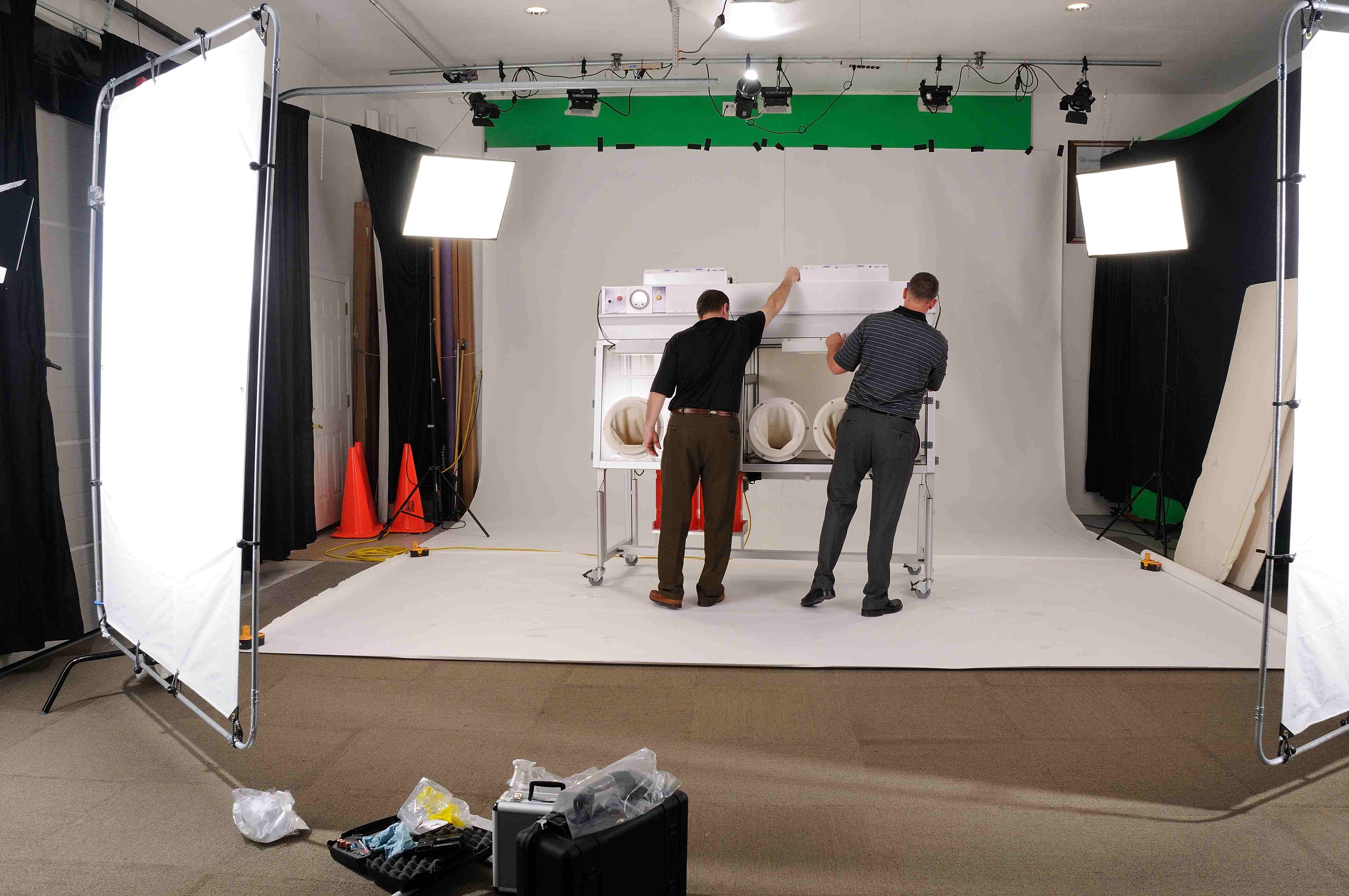
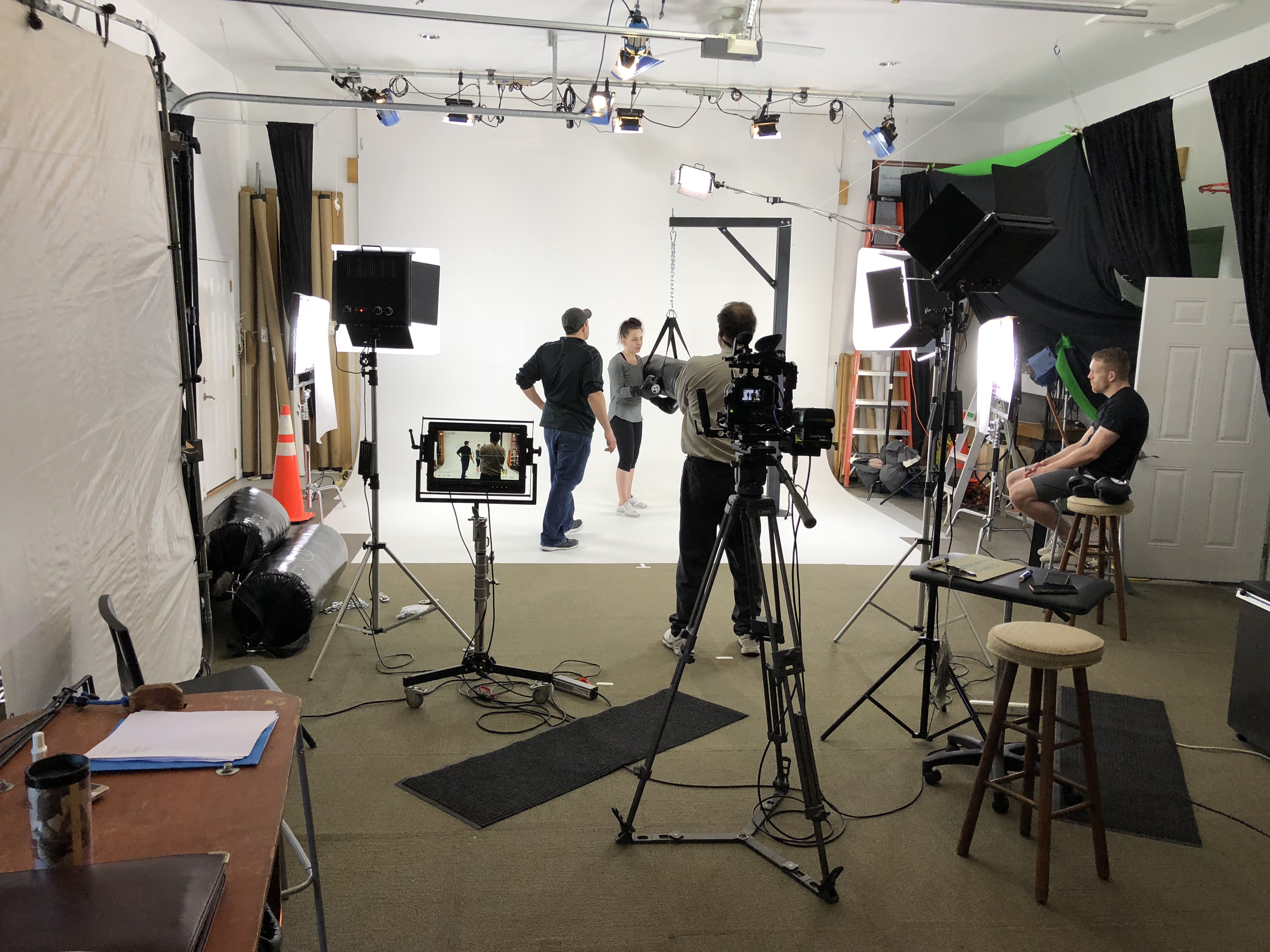
Our private studio lighting and visual setups are ideal for small productions and interview scenes. If you need something larger, our studio space is ample enough to incorporate props and provide the perfect backdrop for your production.
From a custom interview studio setup to providing sound and camera operators, we handle every aspect of your video production. We can even fly specialized drones indoors, offering you dynamic aerial shots of your event.
Since 1982, St. Louis Photo Studio has worked with many businesses, marketing firms, and agencies in the St. Louis area. Our team of experts is committed to creating high-quality visuals that help bring your brand’s story to life.
Let us help you create a shot list that ensures you don’t miss a single important moment at your event. With our extensive experience and creative expertise, we’re here to provide everything you need for a successful, seamless production.
 St Louis Photo Studio