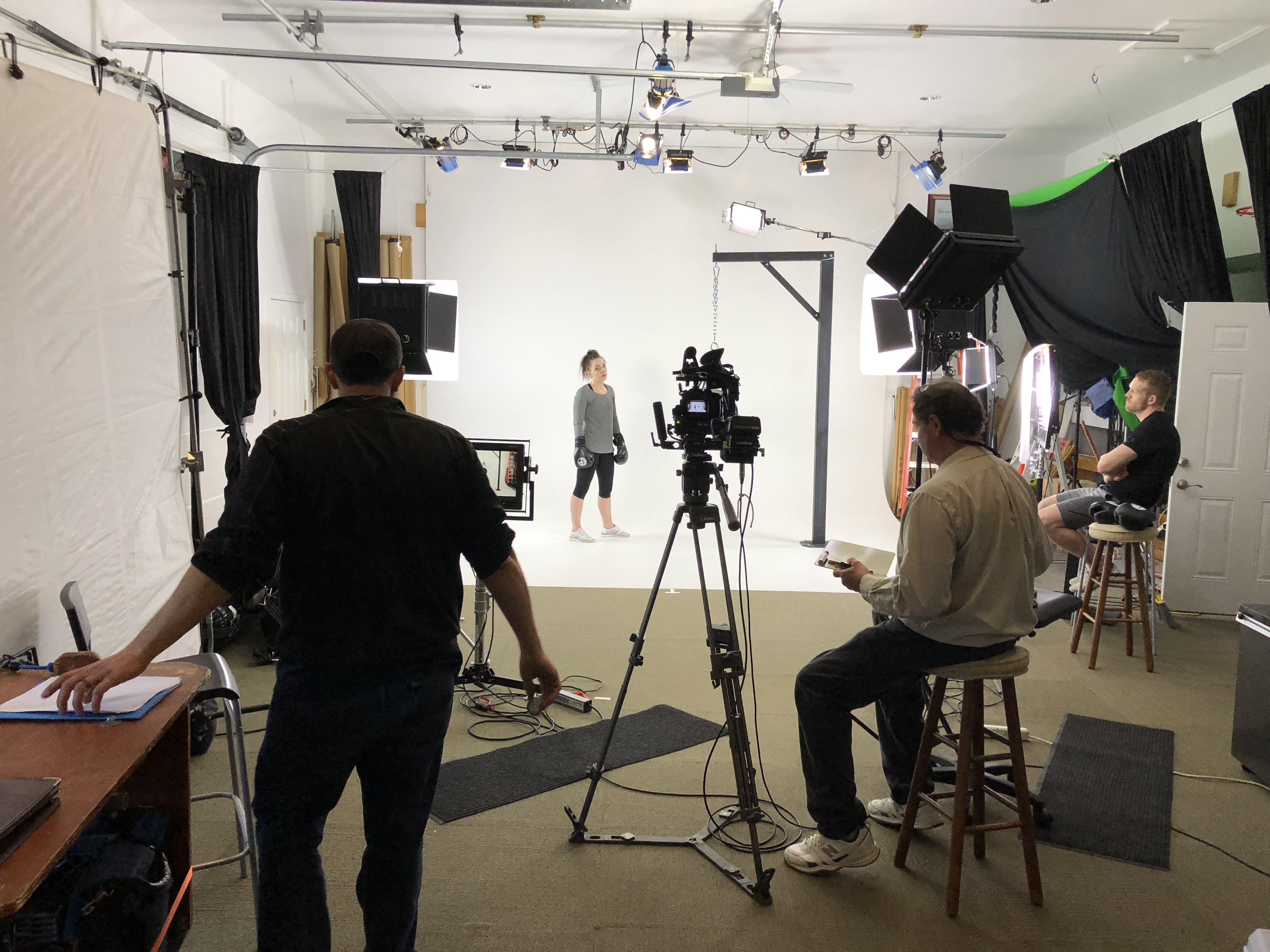
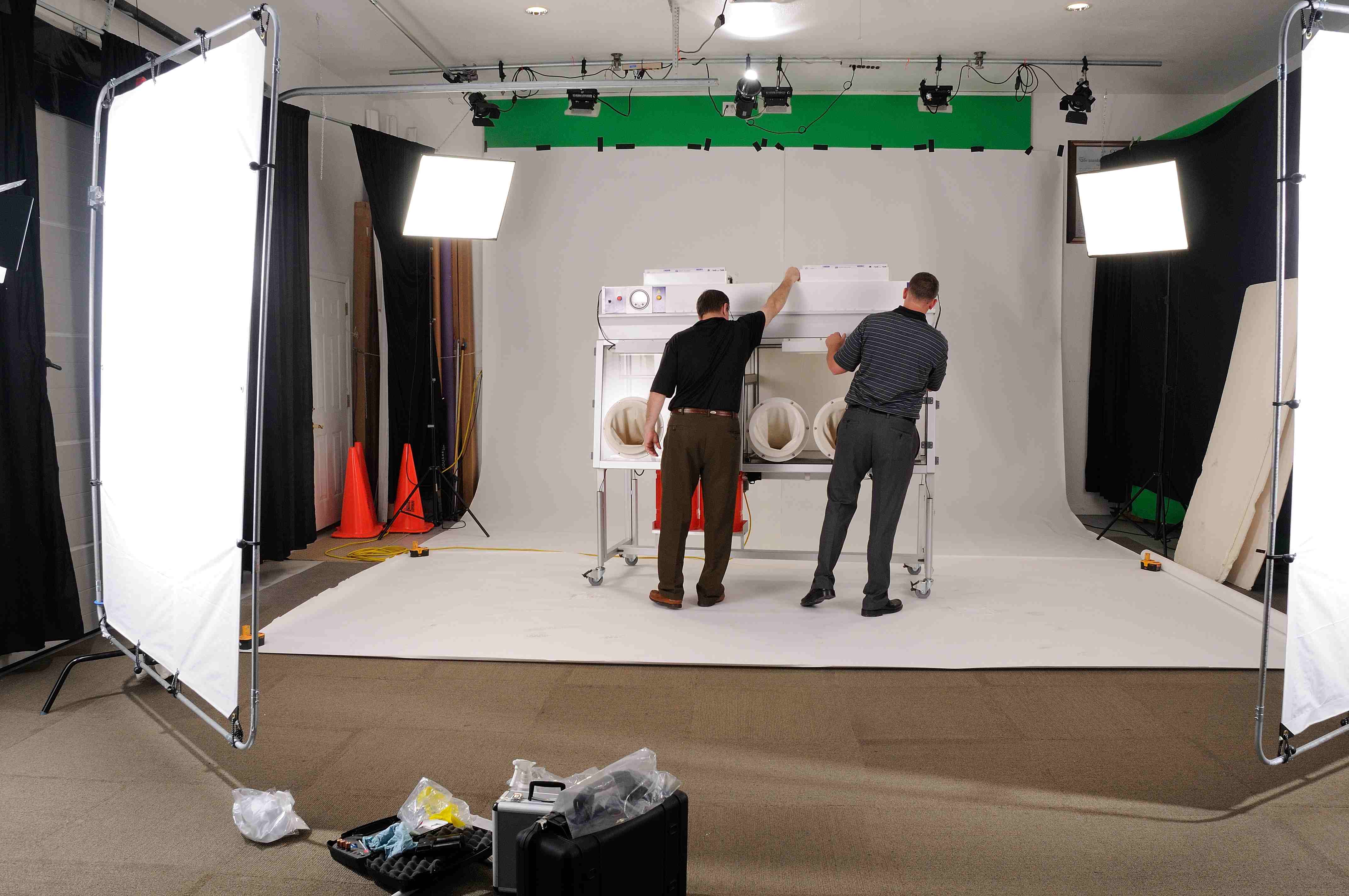
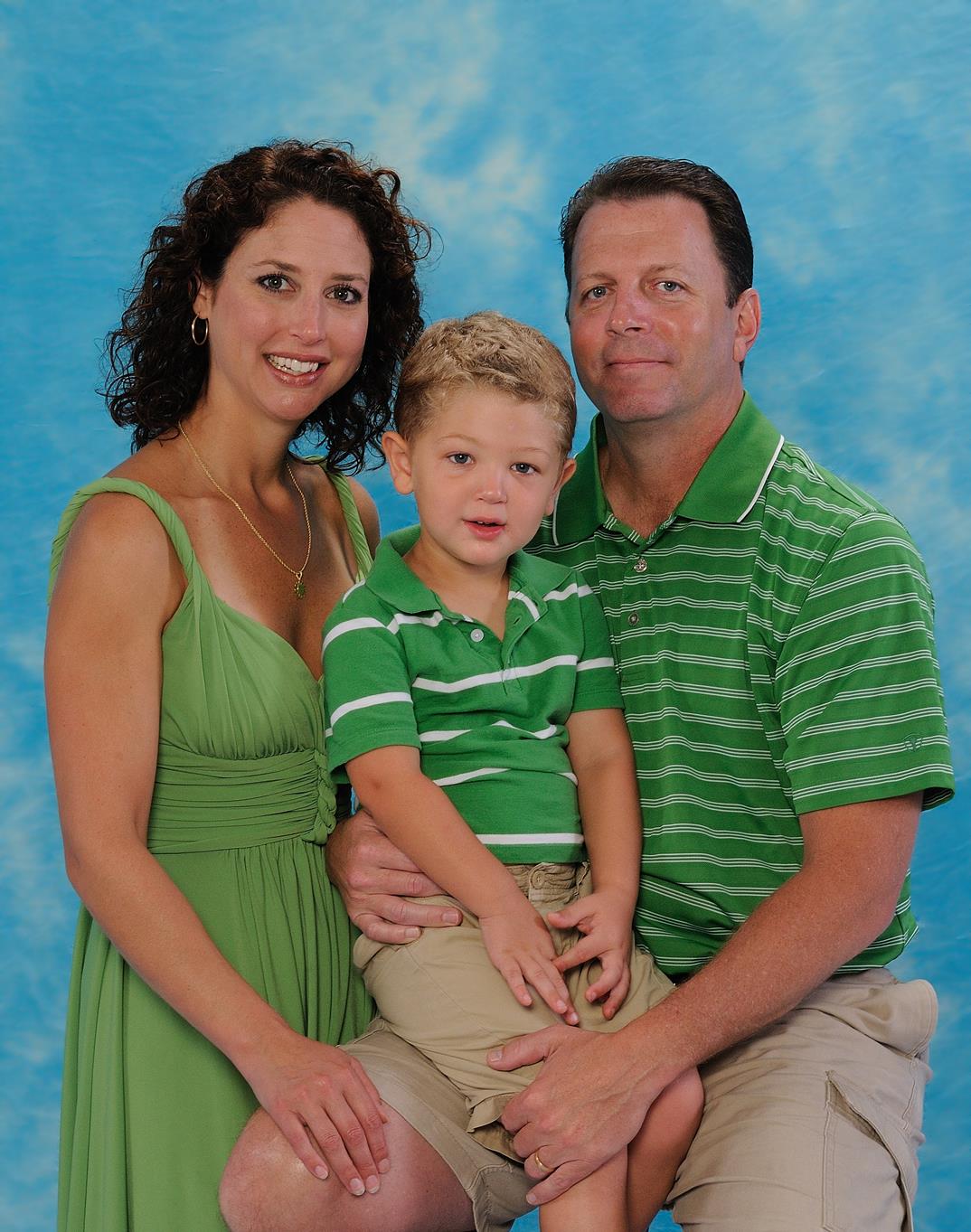
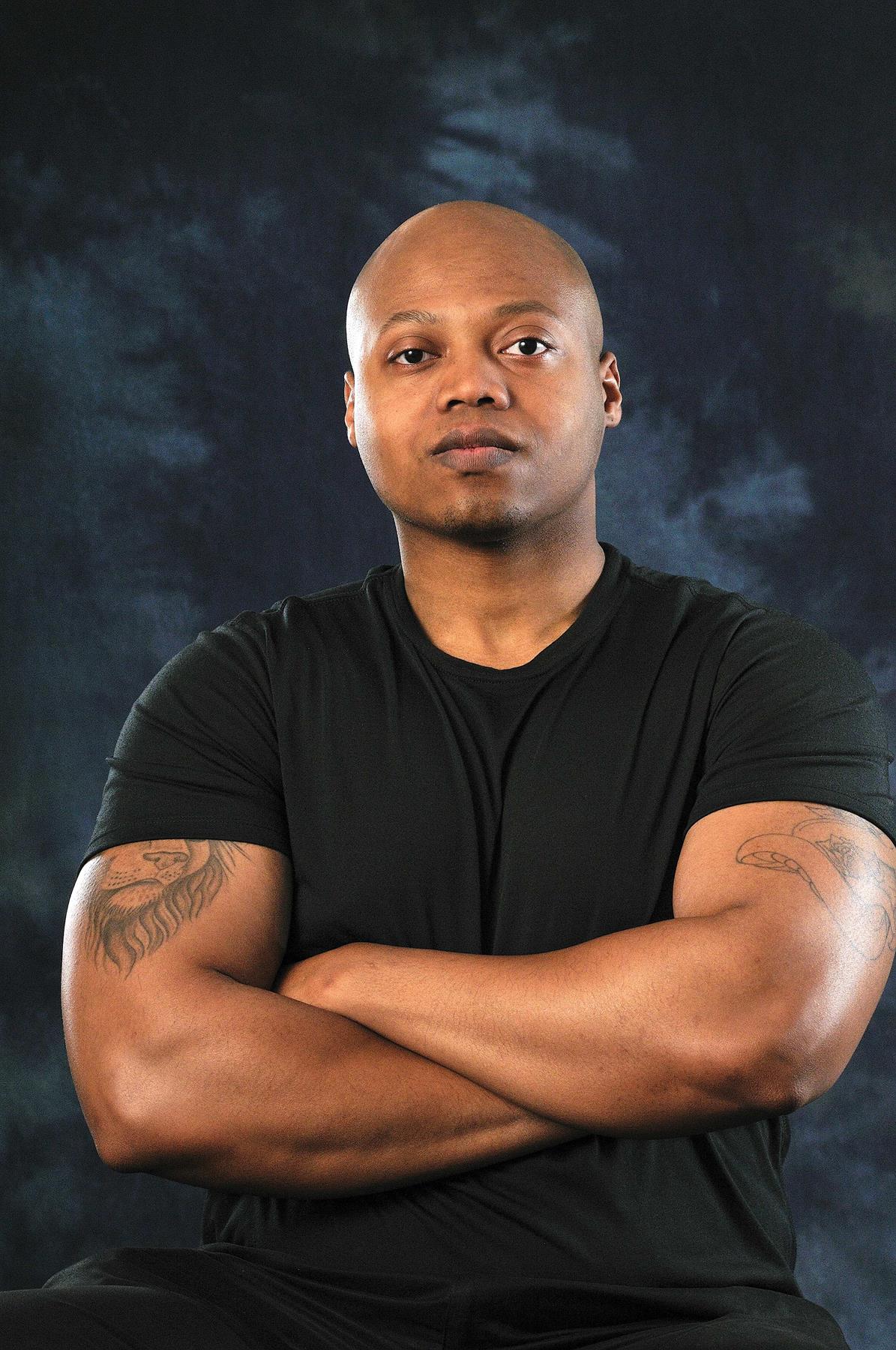
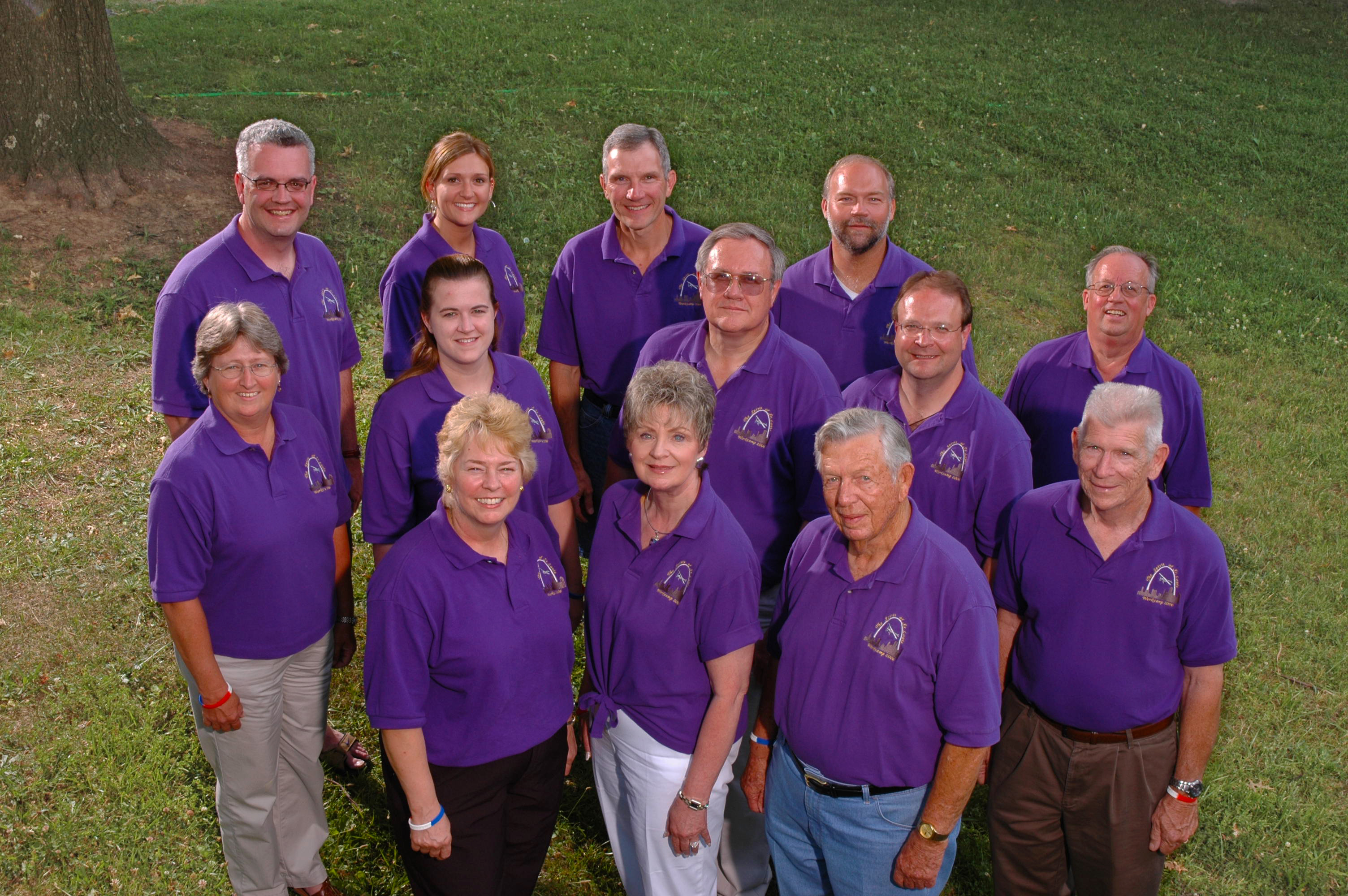
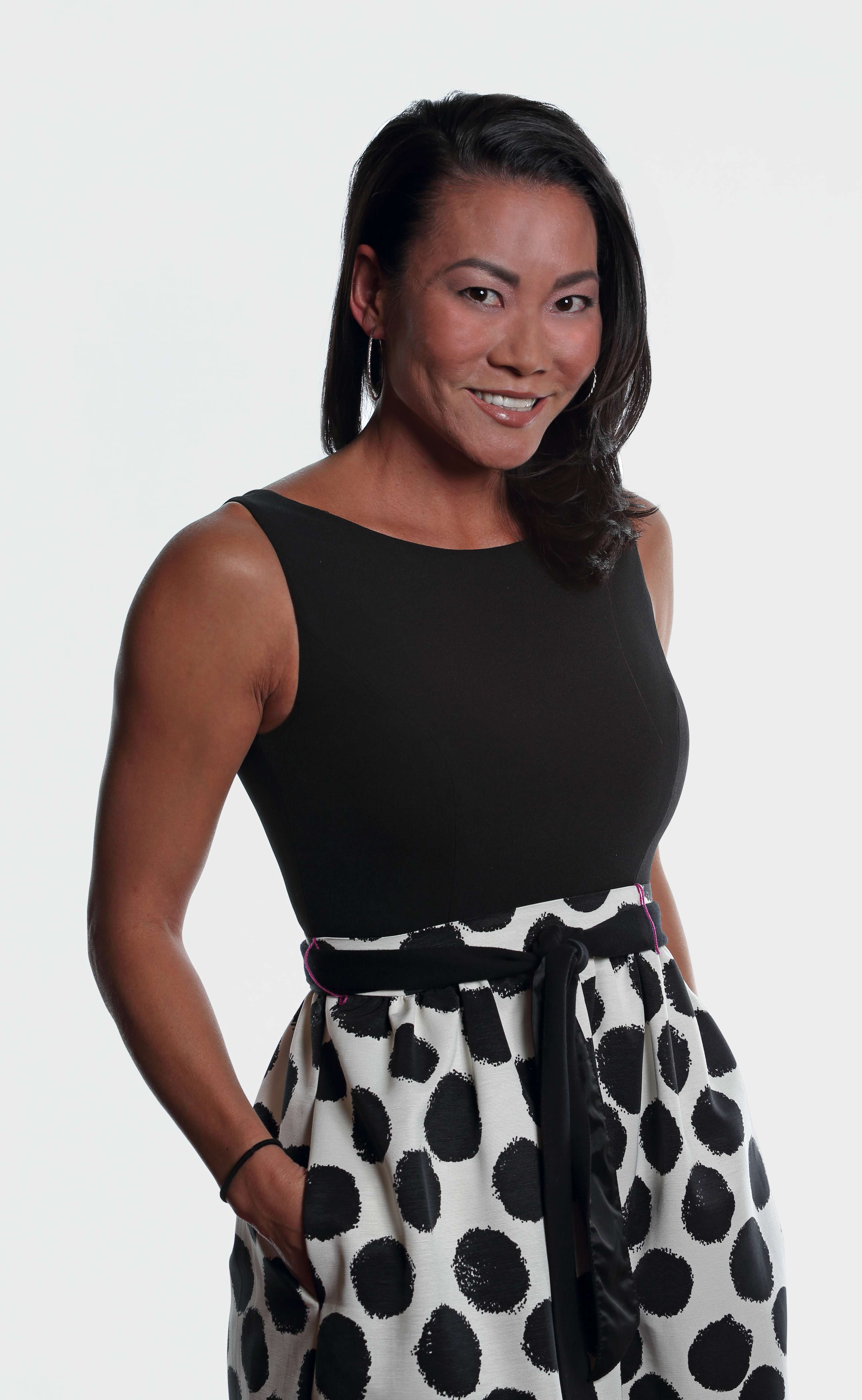
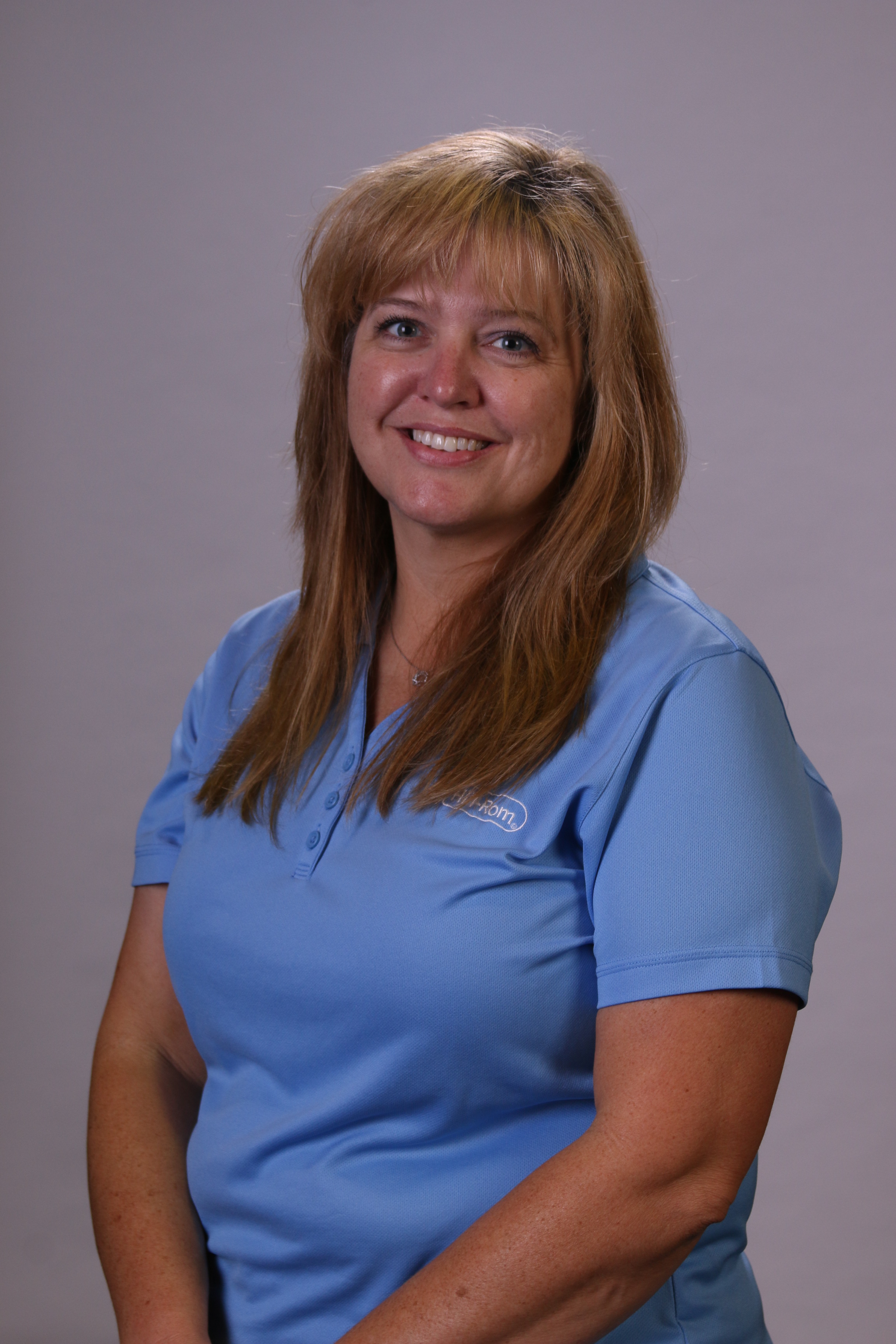
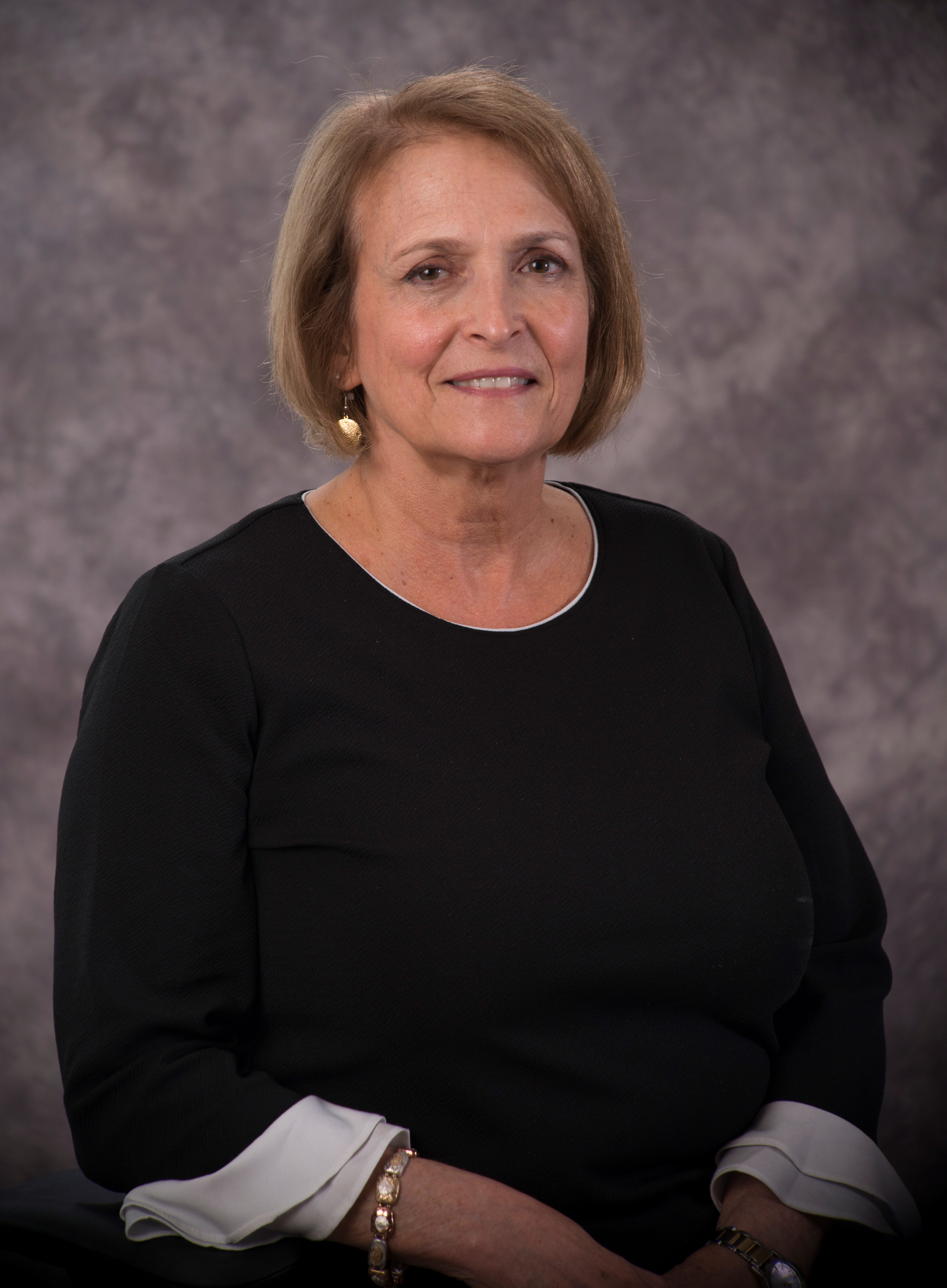
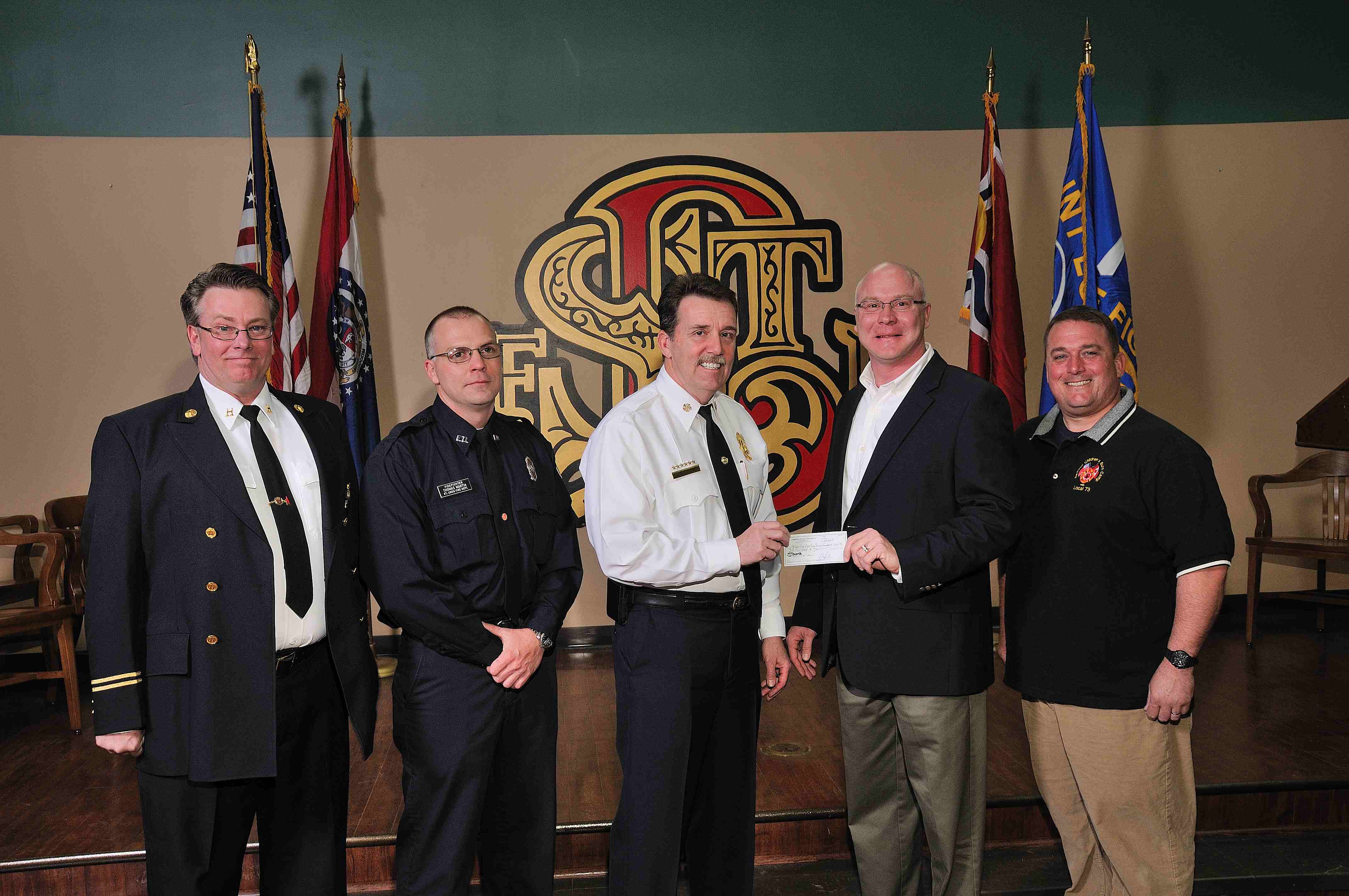
Lighting is one of the most important technical and creative elements of photography.
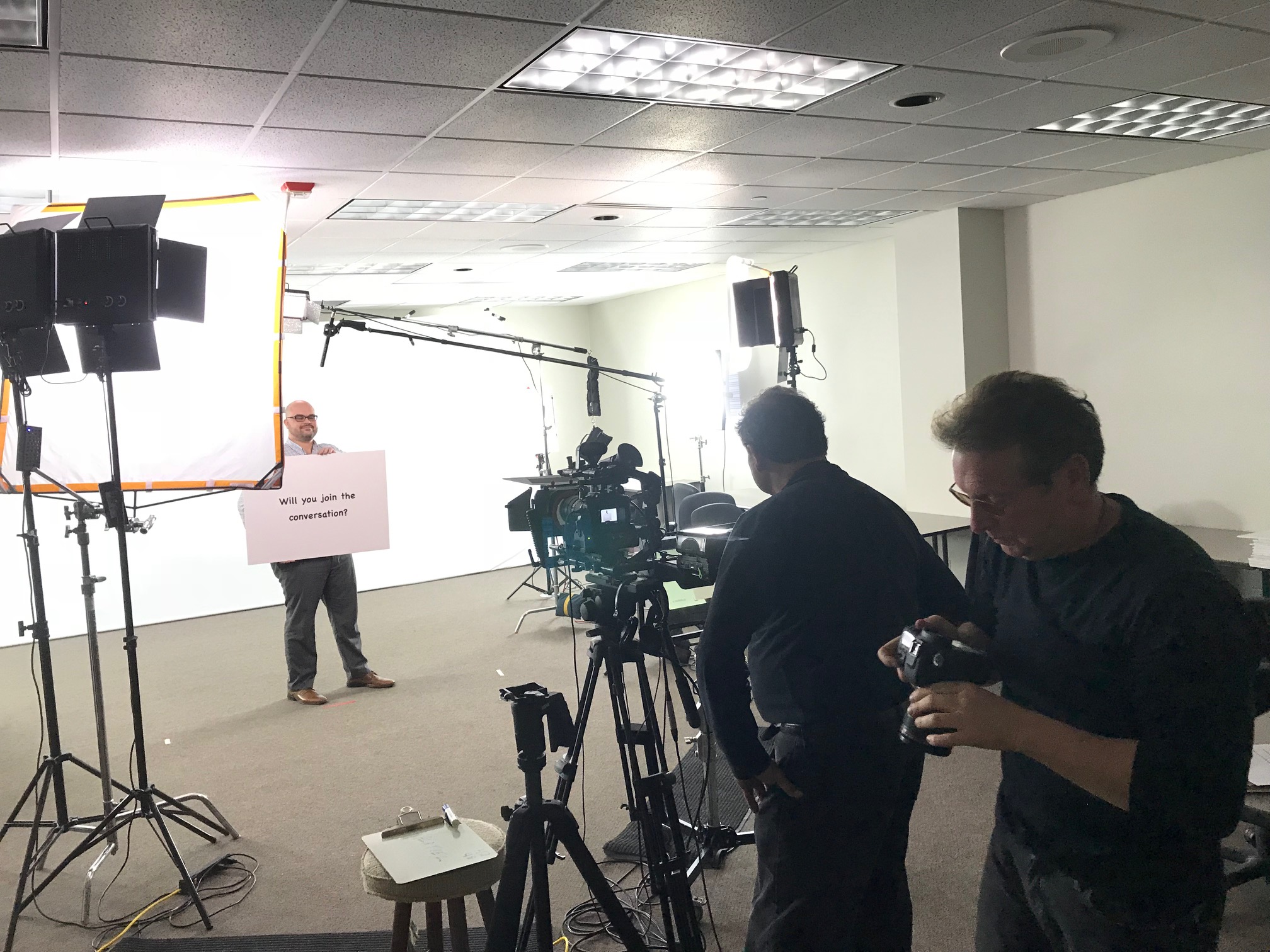
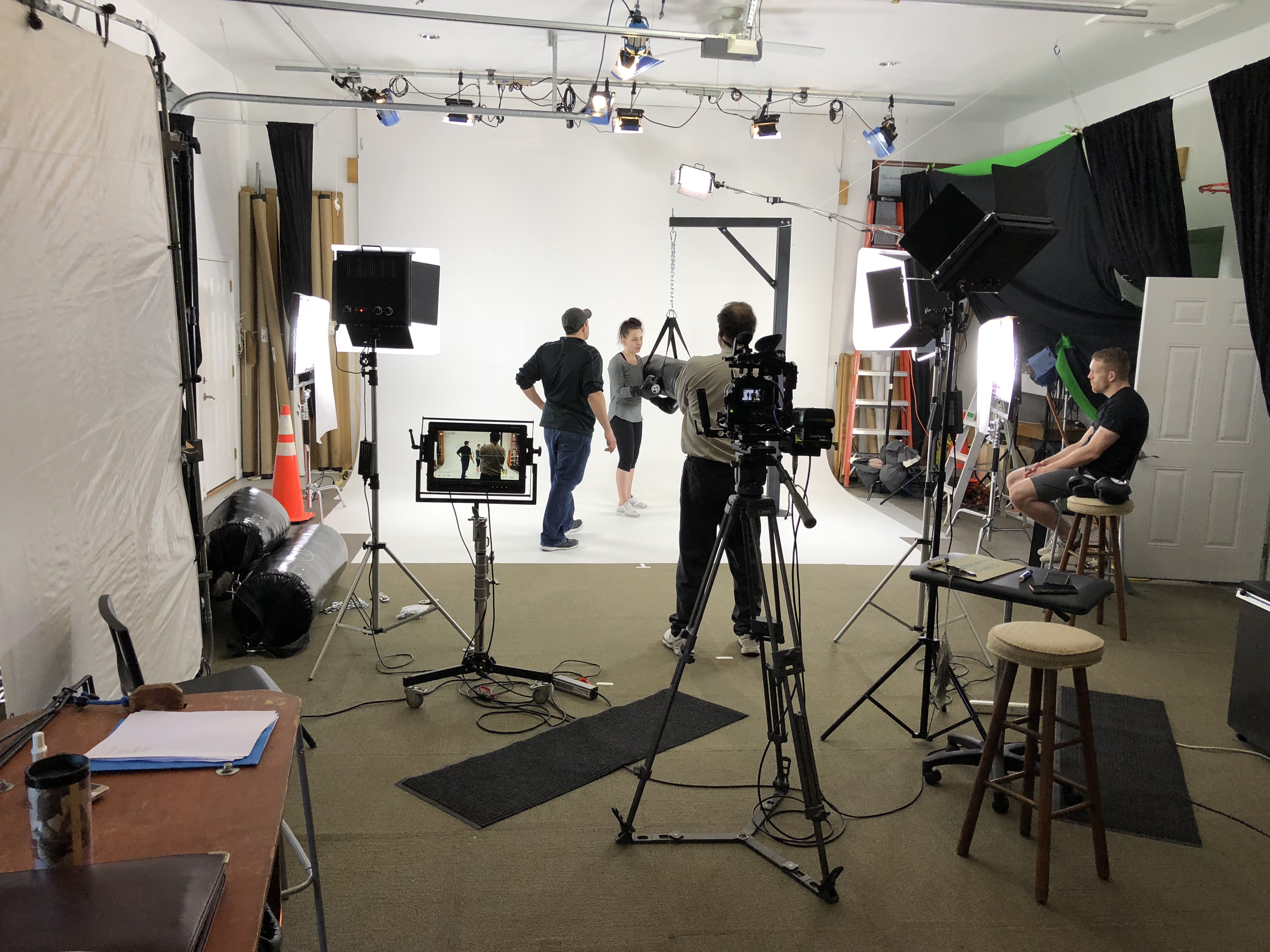
Commercial photography studios employ specialized lighting equipment that allows photographers to control exposure, direction, contrast, color temperature, shadow detail, reflections, and background separation.
Unlike natural lighting, which changes throughout the day, professional studio lighting can be precisely adjusted and replicated.
This is particularly important for organizations producing multiple employee portraits, product images, executive headshots, or advertising photographs over an extended period.
For example, a business photographing its leadership team may need additional portraits months later. Documented studio lighting arrangements and consistent camera techniques allow the new photographs to closely match the original collection.
This consistency reinforces the company’s professional appearance across its website, business publications, and marketing campaigns.
2. Privacy and Fewer Production Distractions
Corporate executives and employees are not necessarily comfortable appearing in front of a camera.
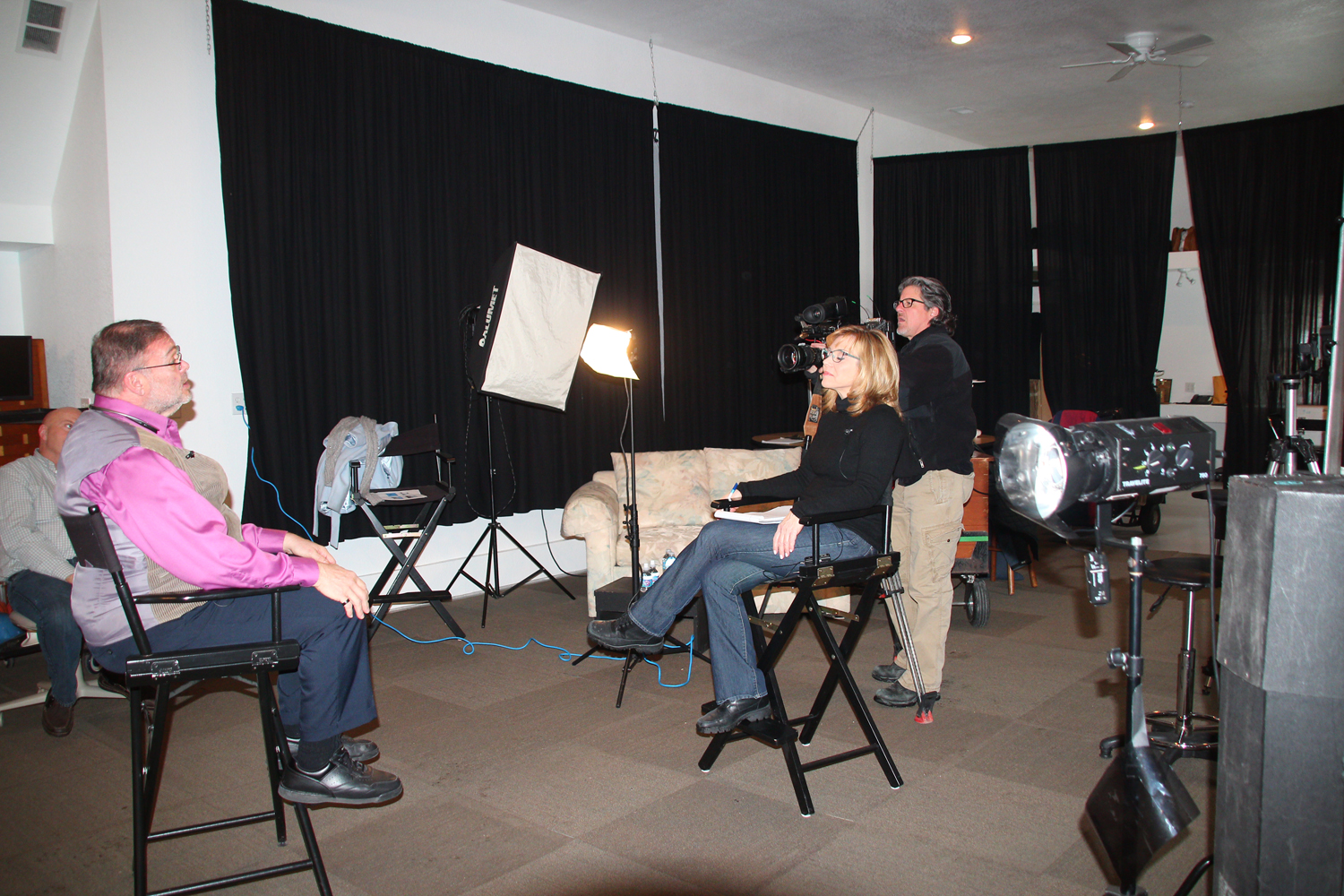
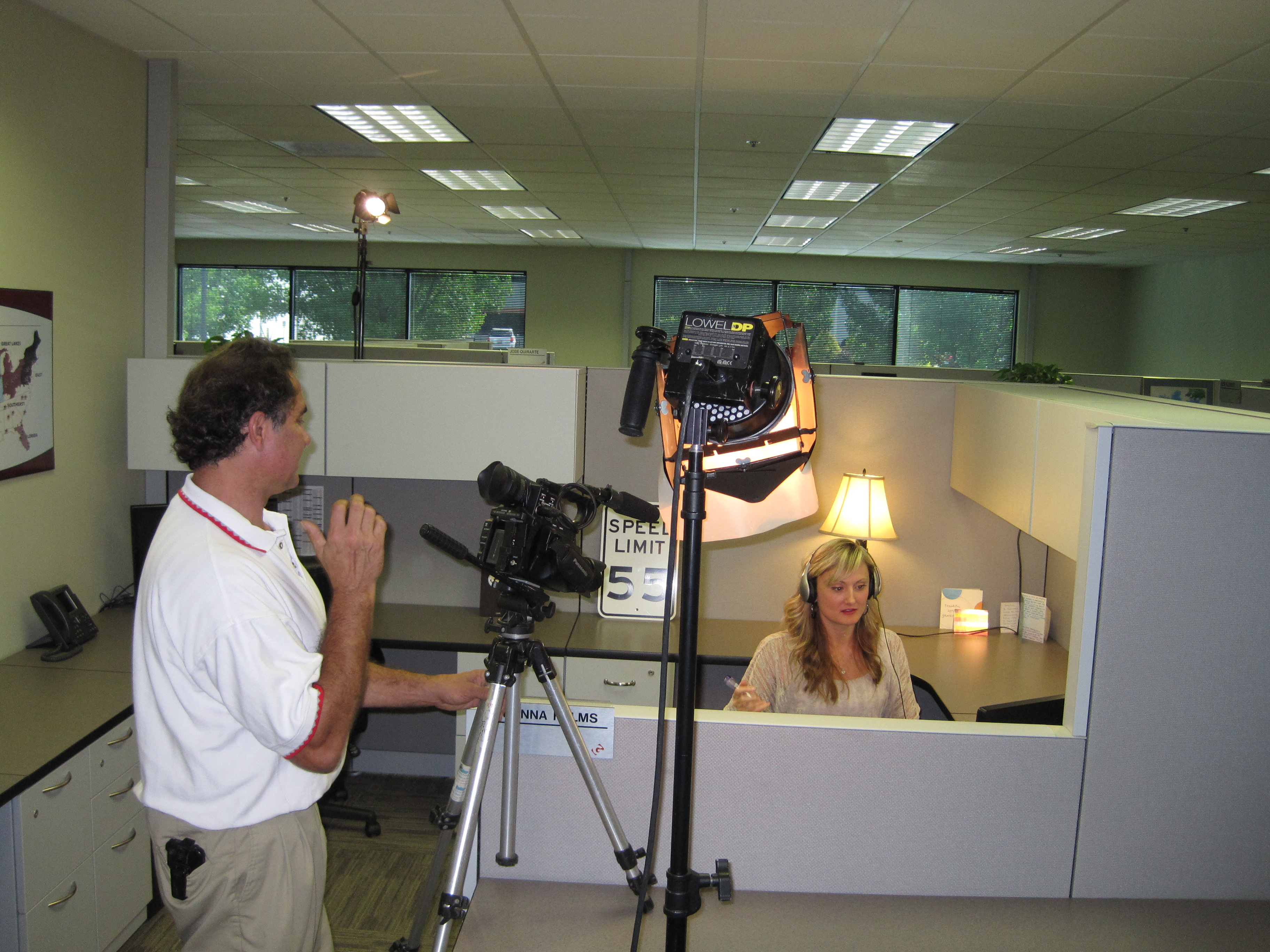
A private photography studio provides an environment where subjects can concentrate on the assignment without interruptions from employees, customers, workplace activity, or passing visitors.
Privacy is particularly valuable for executive portraits, confidential corporate presentations, interviews, and professional testimonial productions.
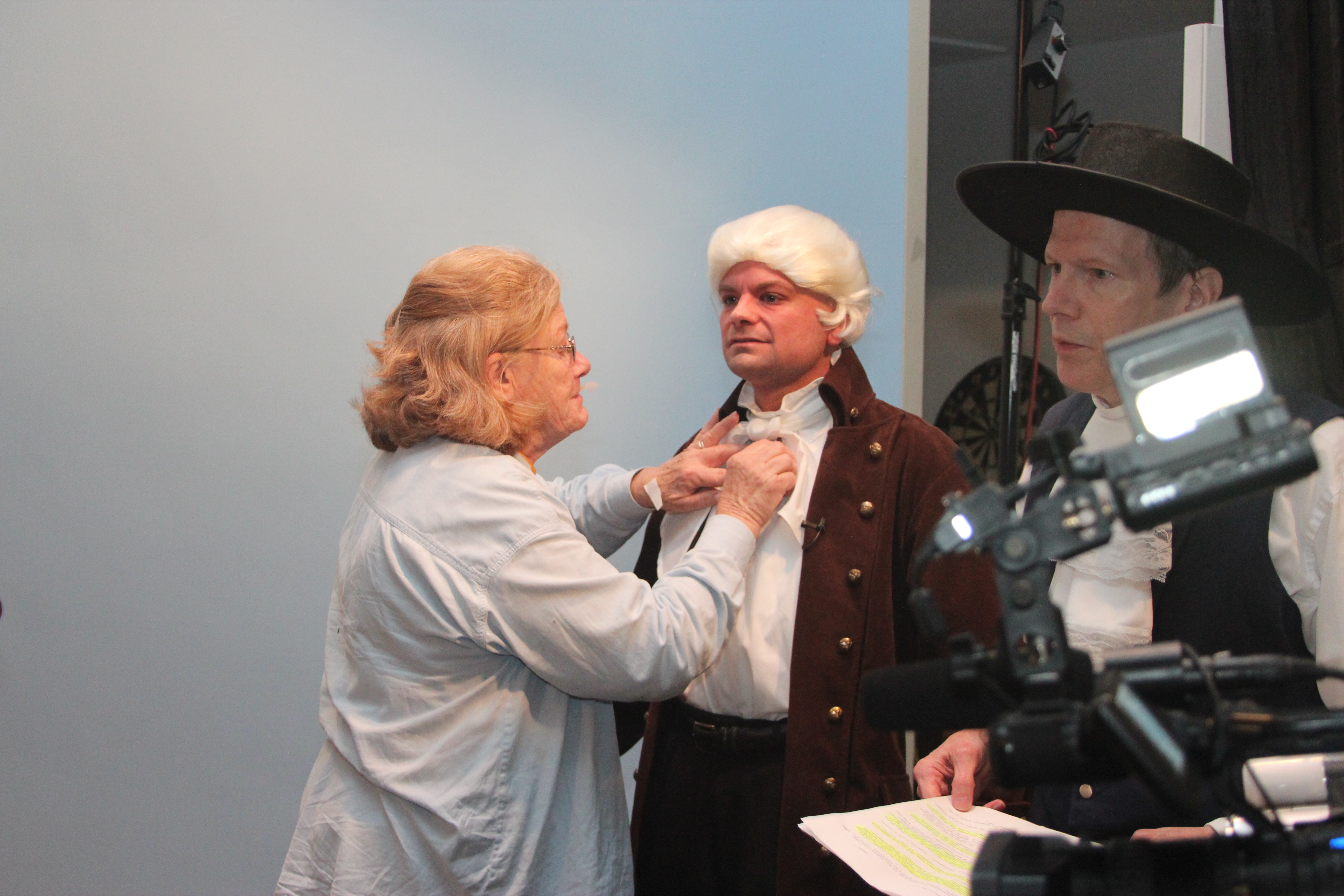
Studio environments also make it easier to manage schedules, coordinate wardrobe adjustments, control backgrounds, and maintain a professional atmosphere throughout the session.
3. Custom Backgrounds, Props, and Set Design
A versatile professional photo studio can be adapted to support a variety of creative requirements.
Backgrounds, furnishings, tables, architectural elements, products, branded graphics, and other props can be introduced to establish a specific appearance.
A business portrait might require a simple neutral backdrop, while a corporate interview could benefit from a more developed setting featuring furniture, decorative lighting, and carefully arranged branded elements.
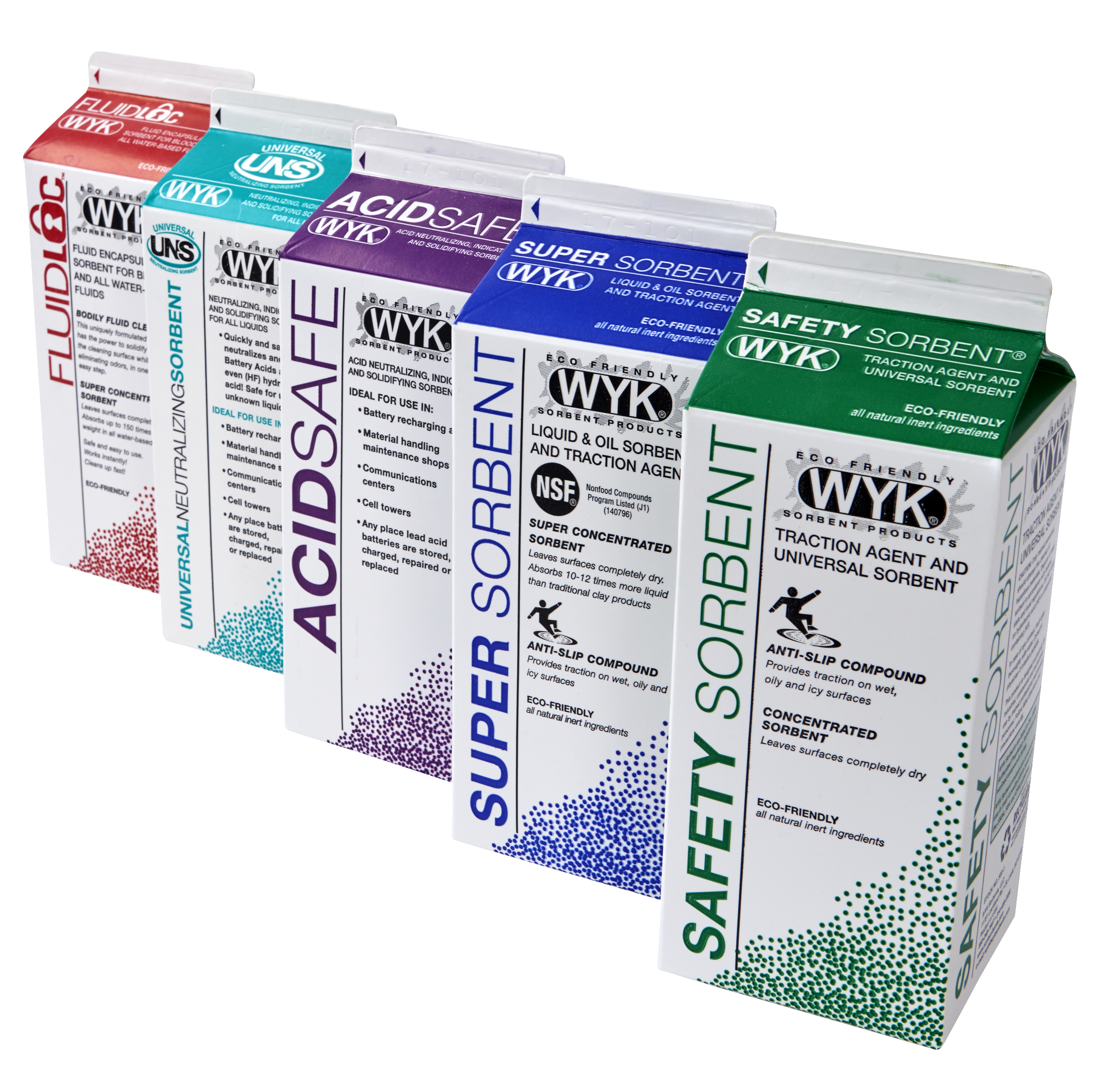
For product photography, backgrounds and lighting can be customized to emphasize texture, shape, color, and surface characteristics.
A thoughtfully designed studio set helps ensure the finished image communicates the intended brand message without unnecessary visual distractions.
Commercial Photography Applications That Benefit From Studio Production
A professional commercial photography studio can serve numerous departments within the same organization.
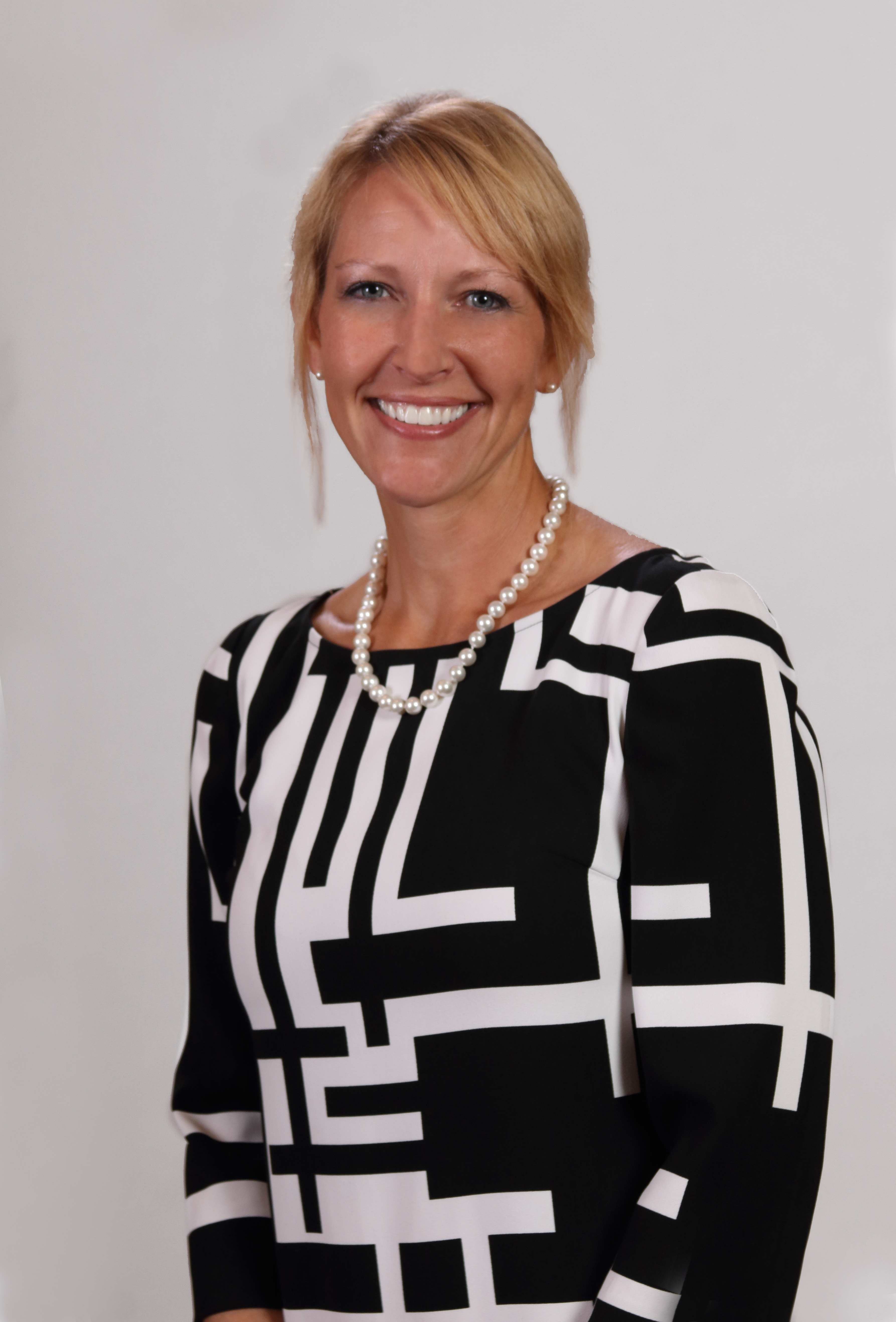
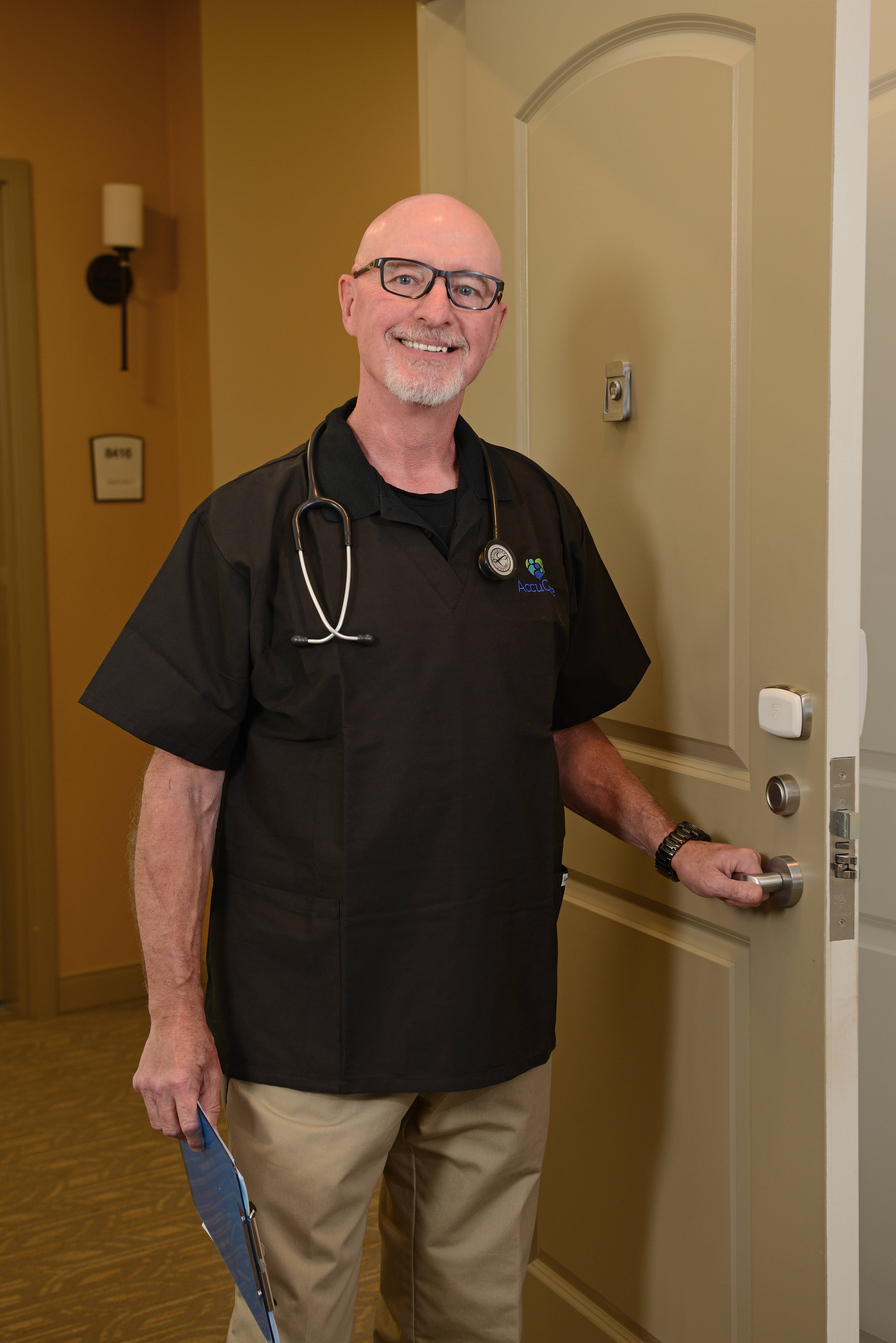
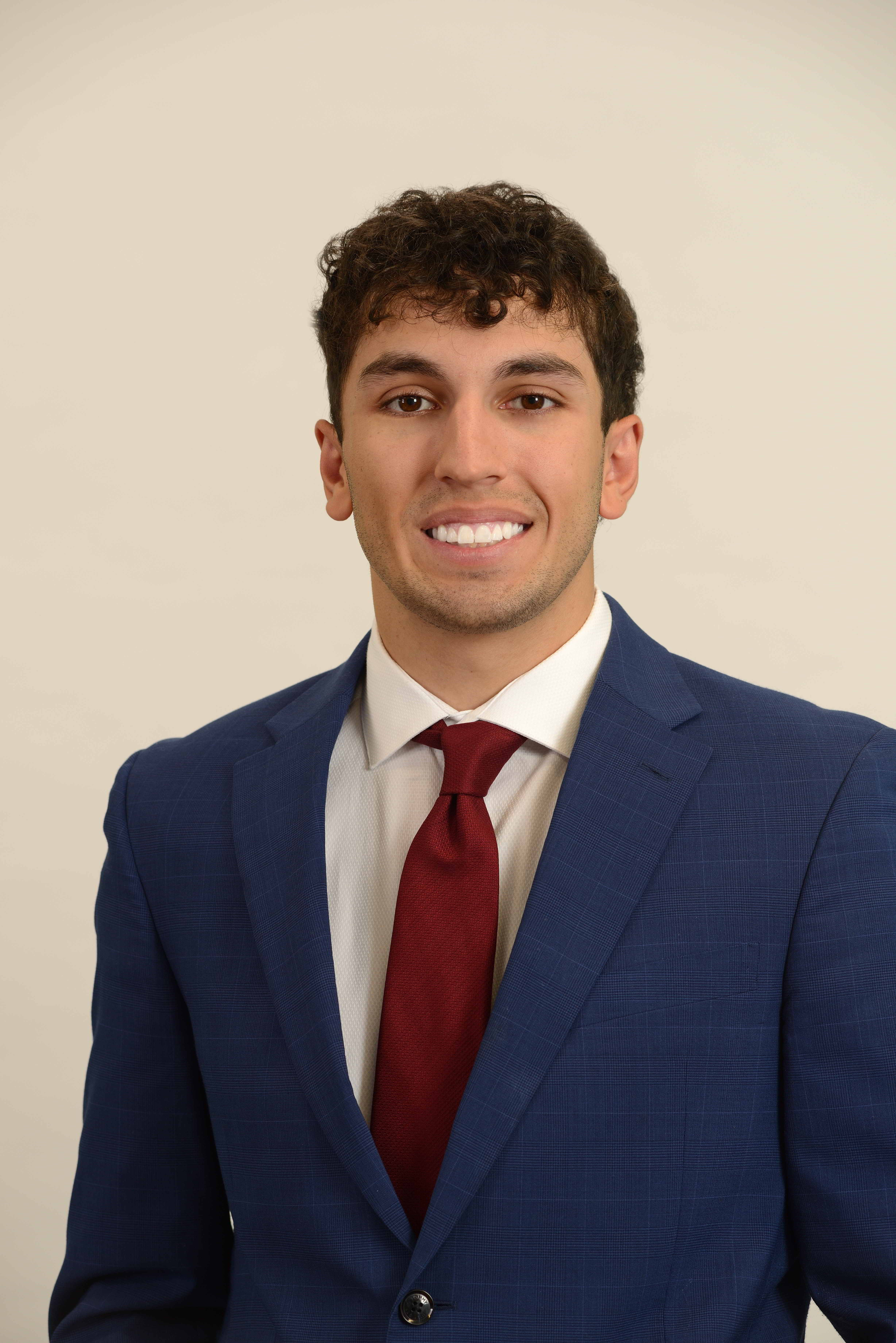
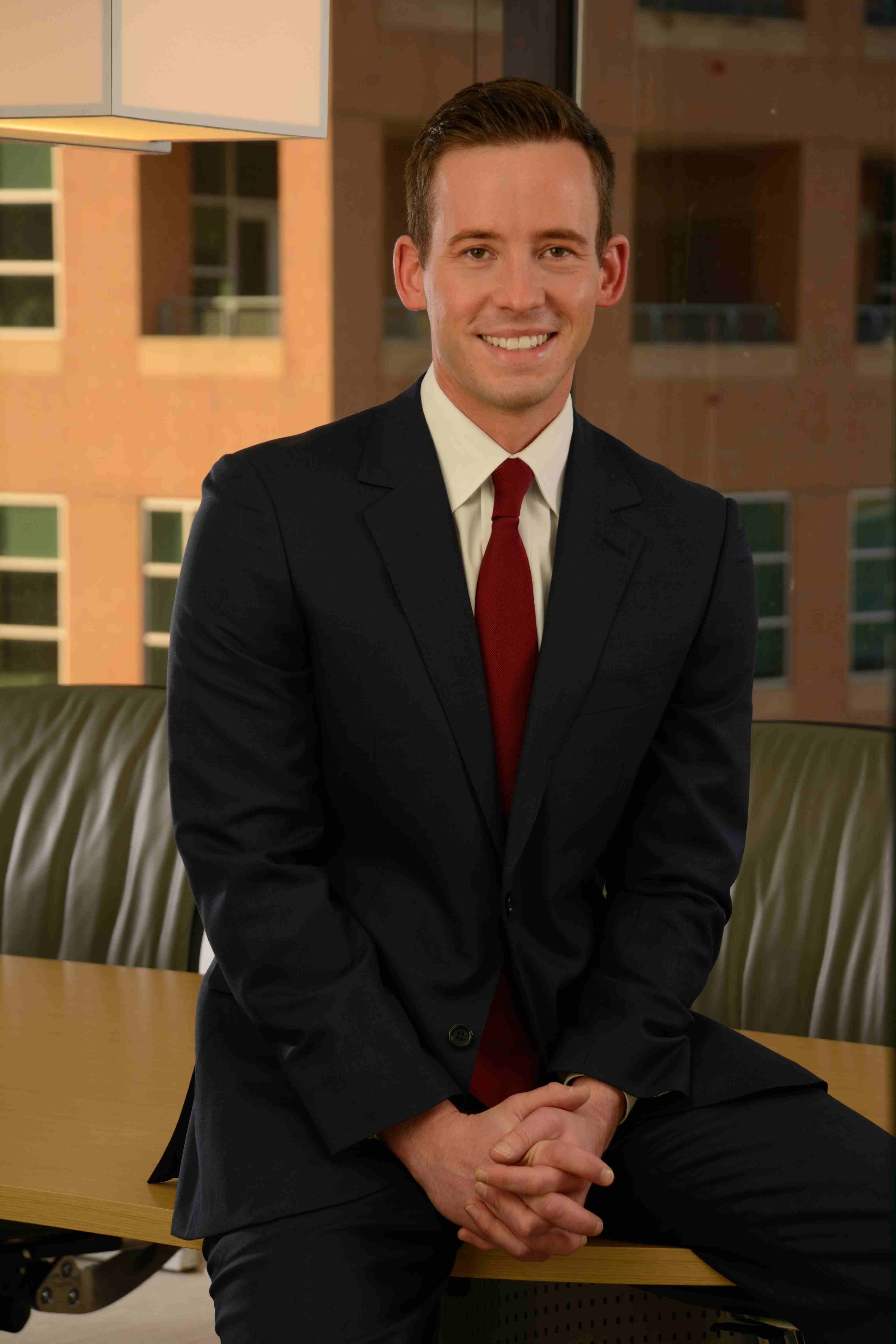
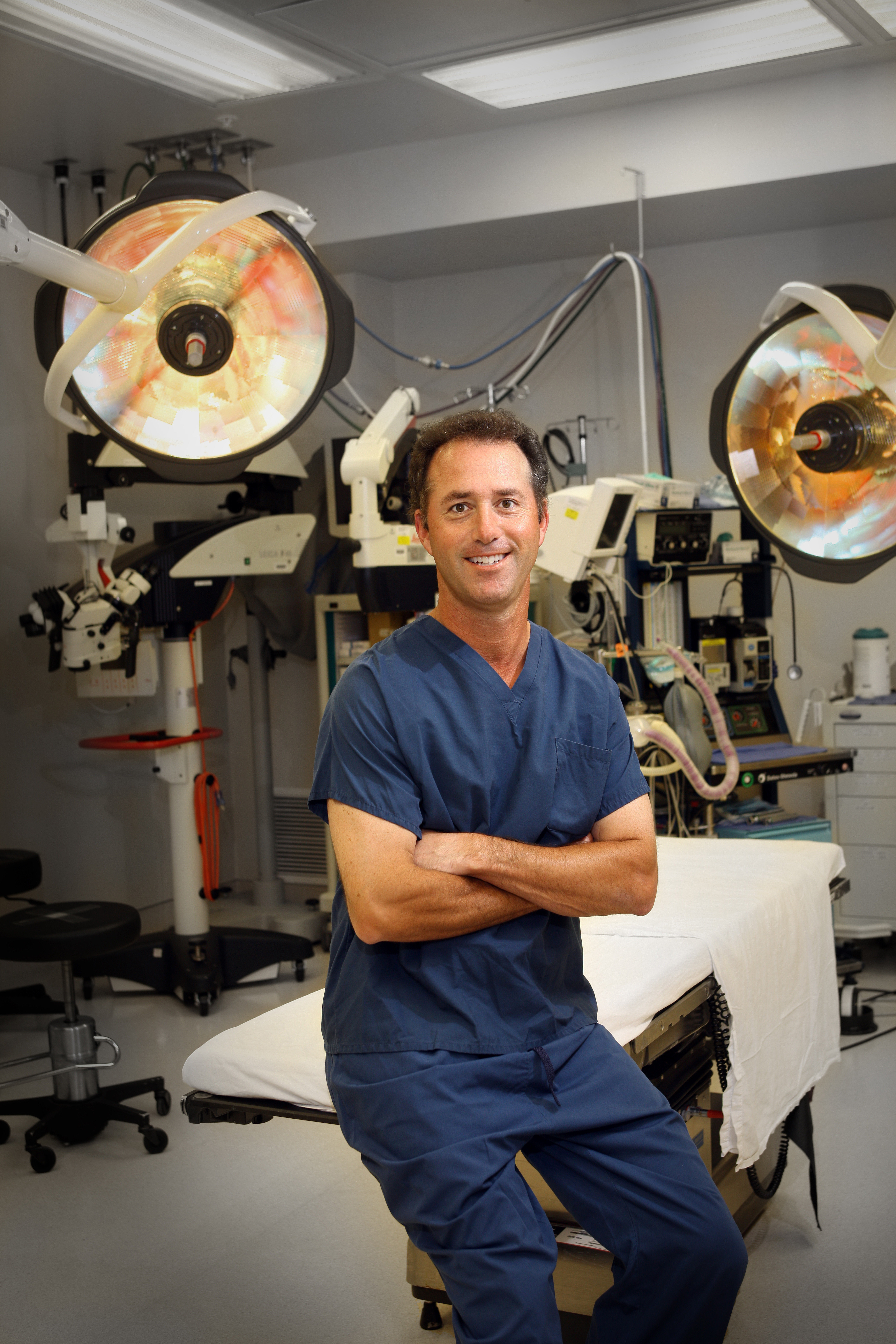
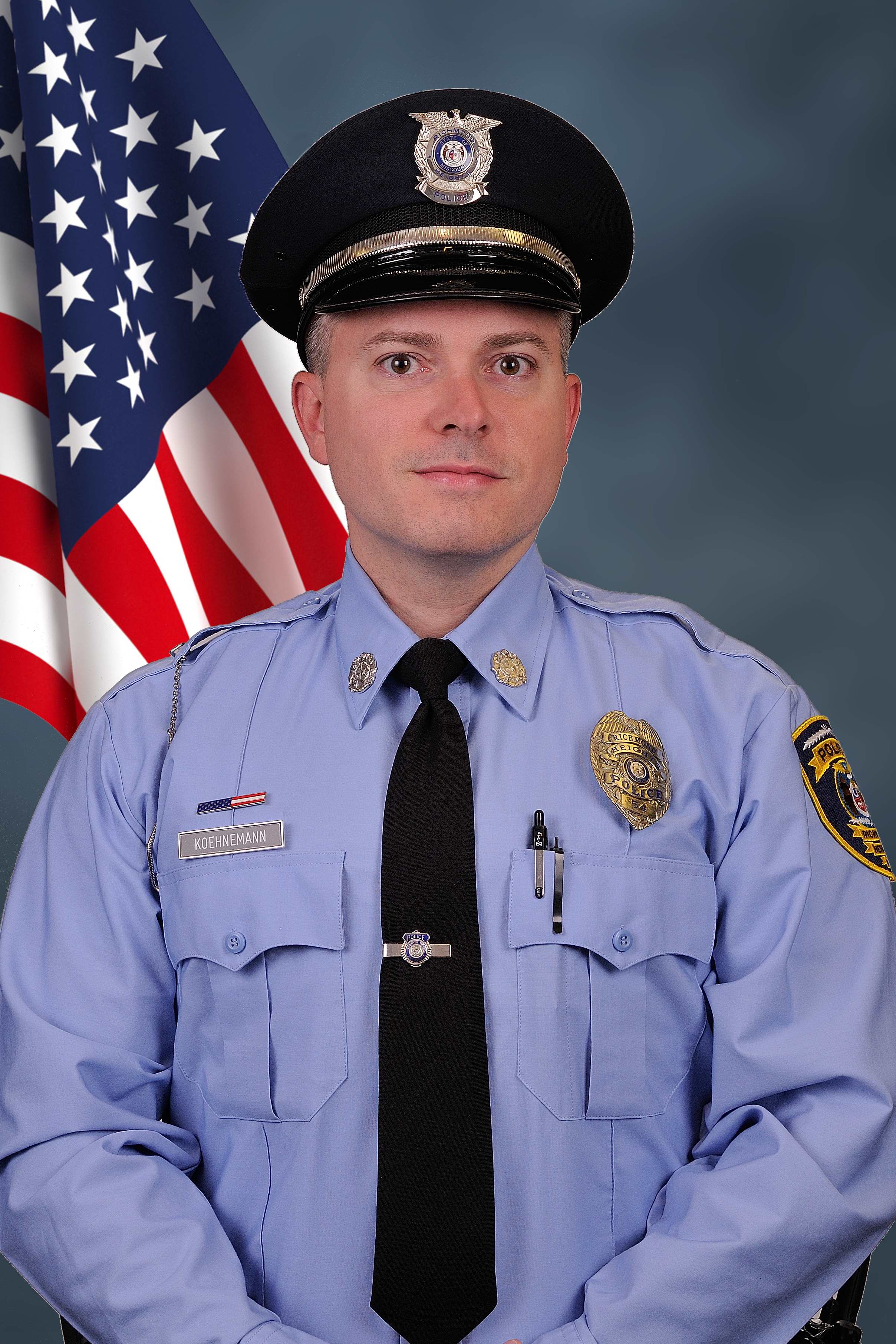
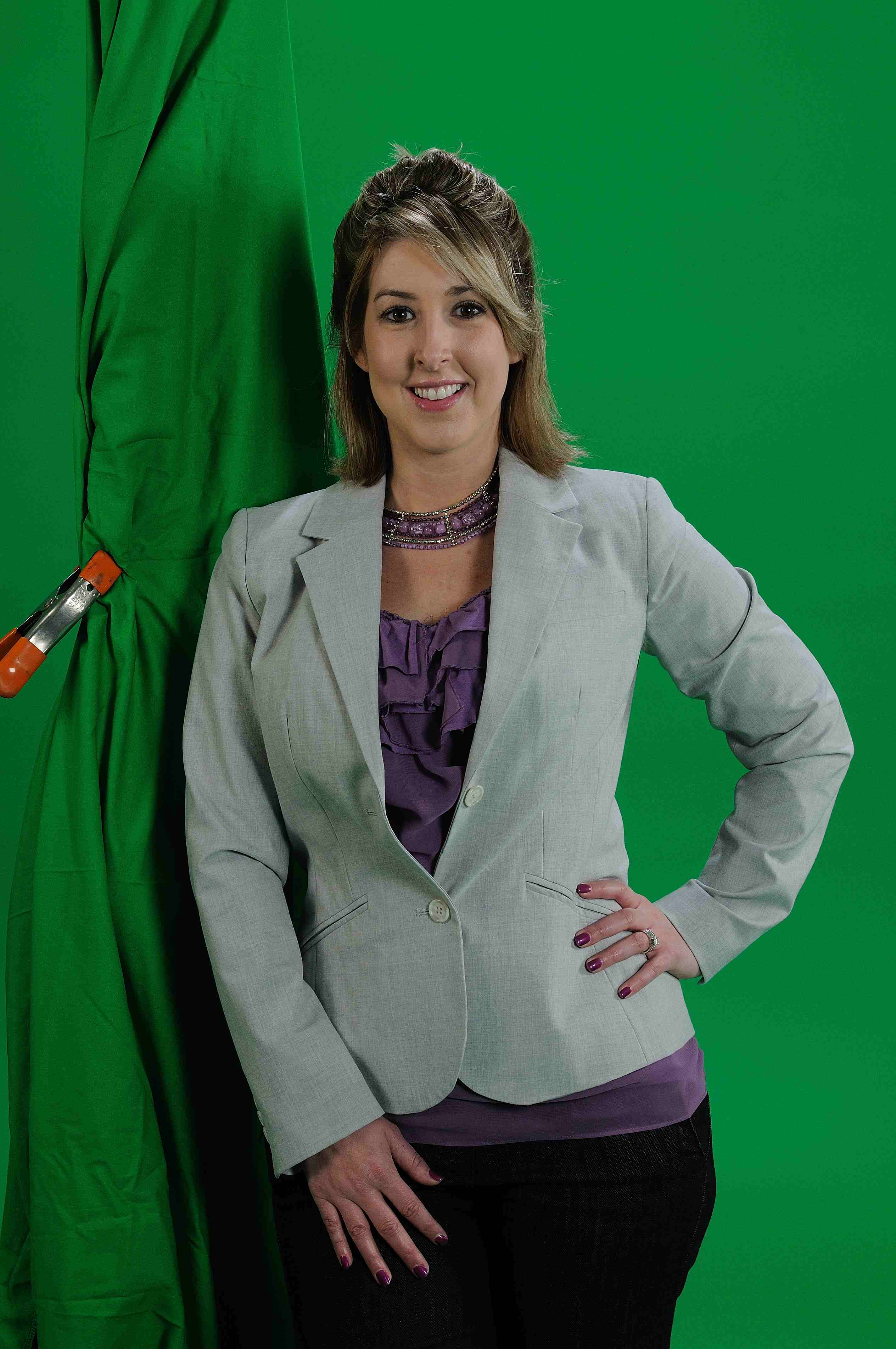
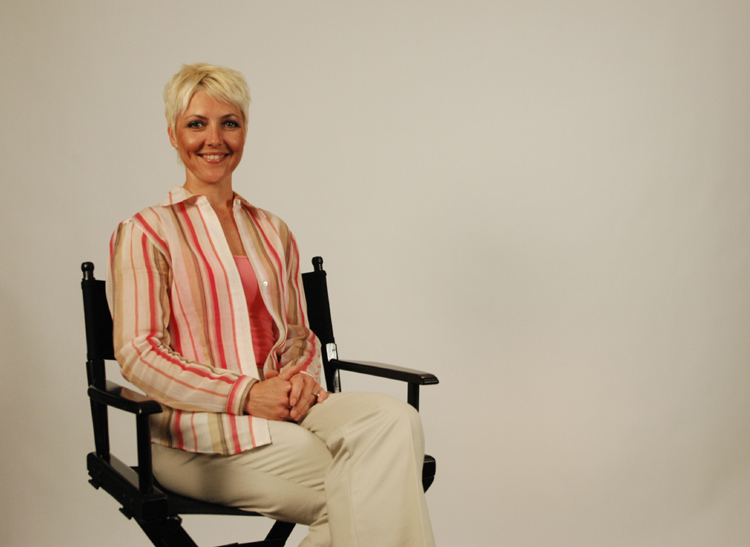
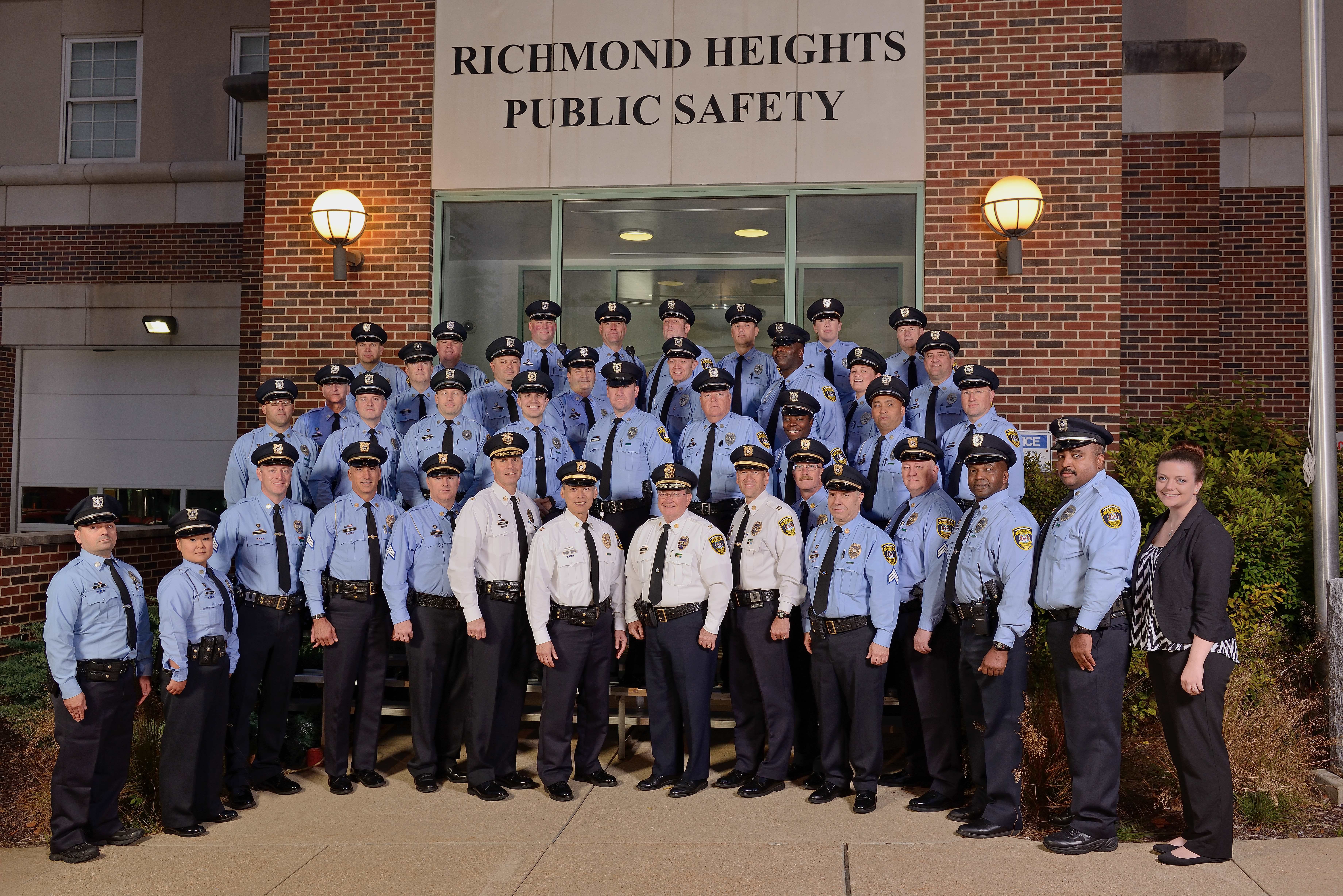
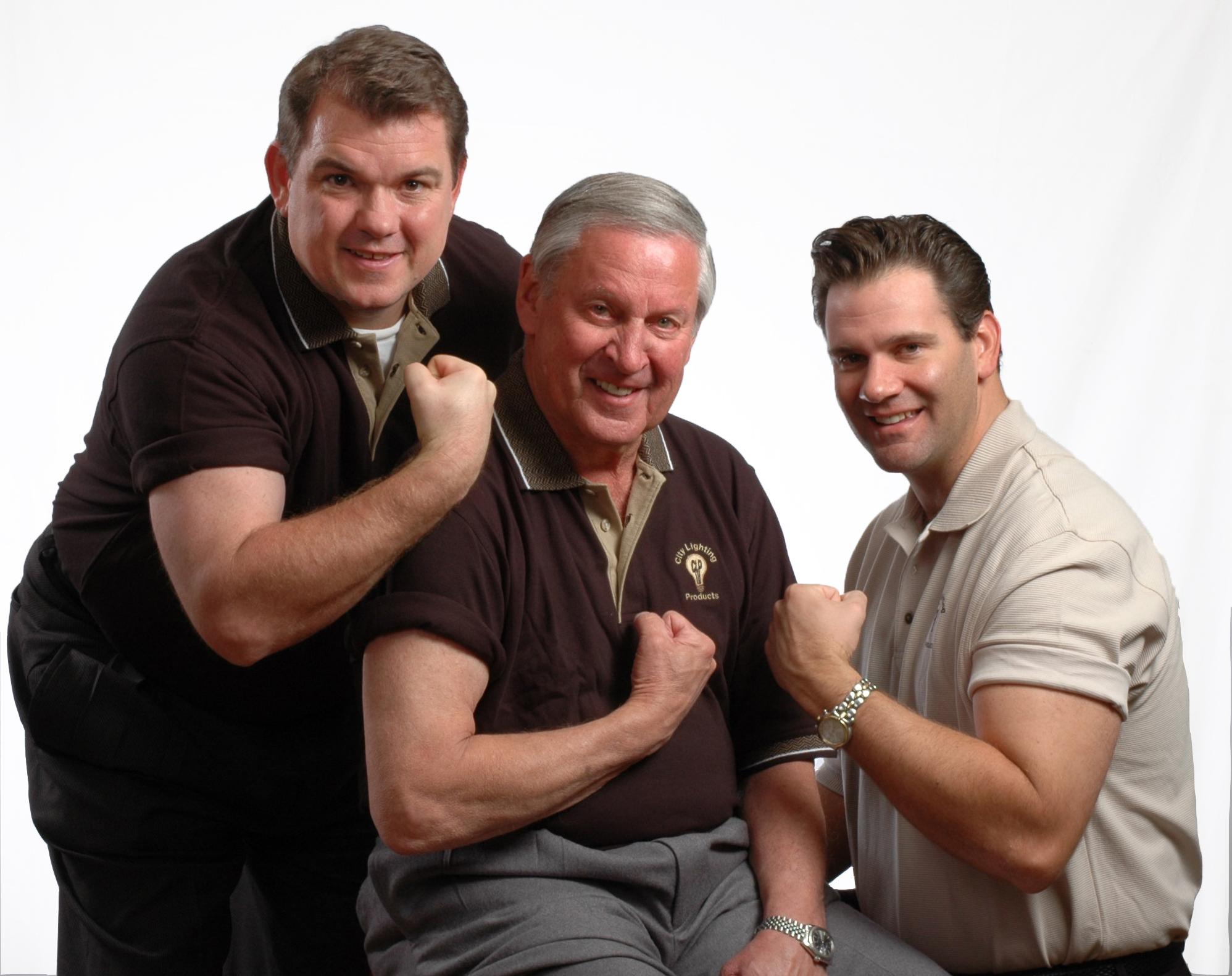
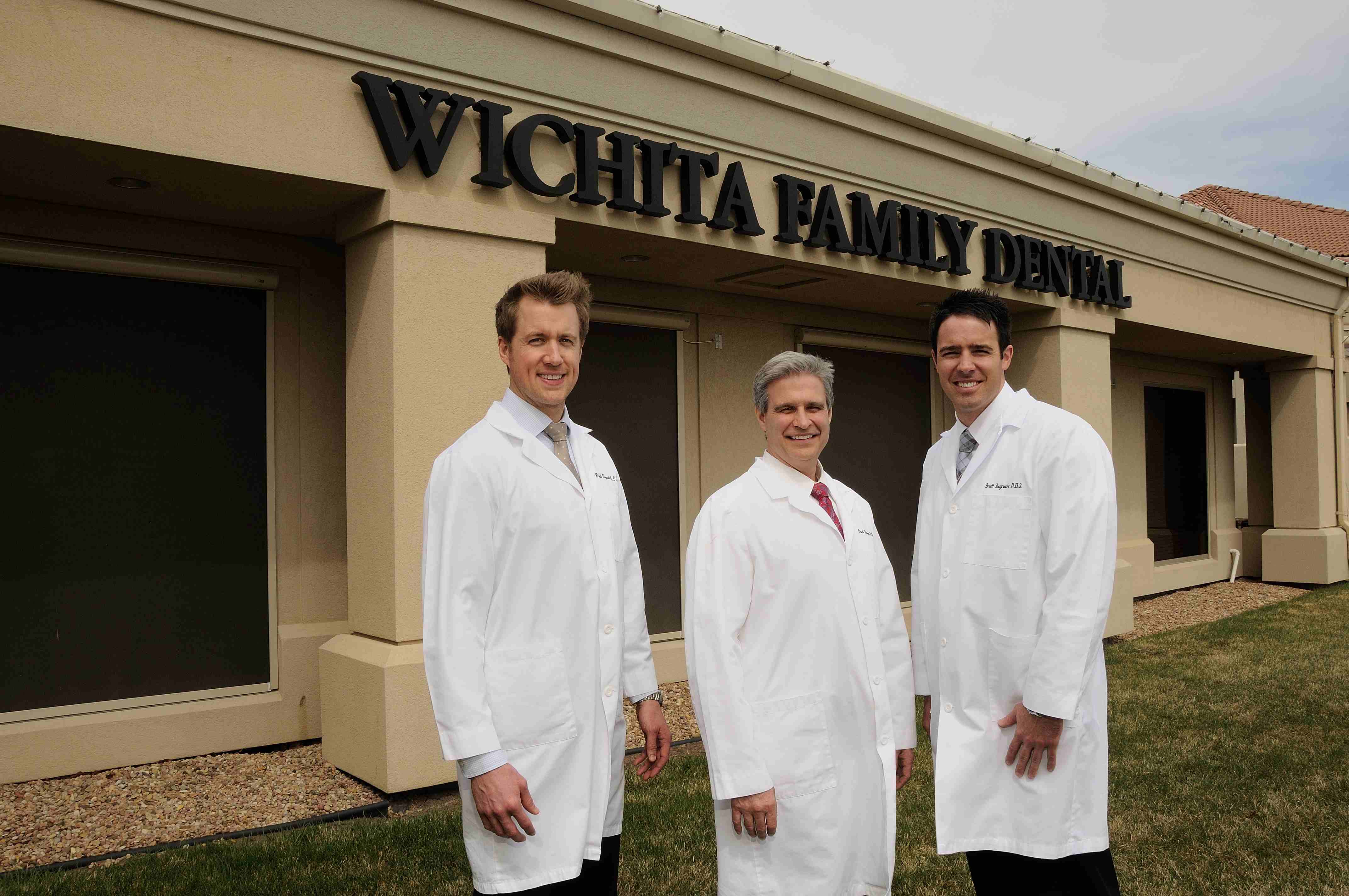
Corporate Headshots and Executive Portraits
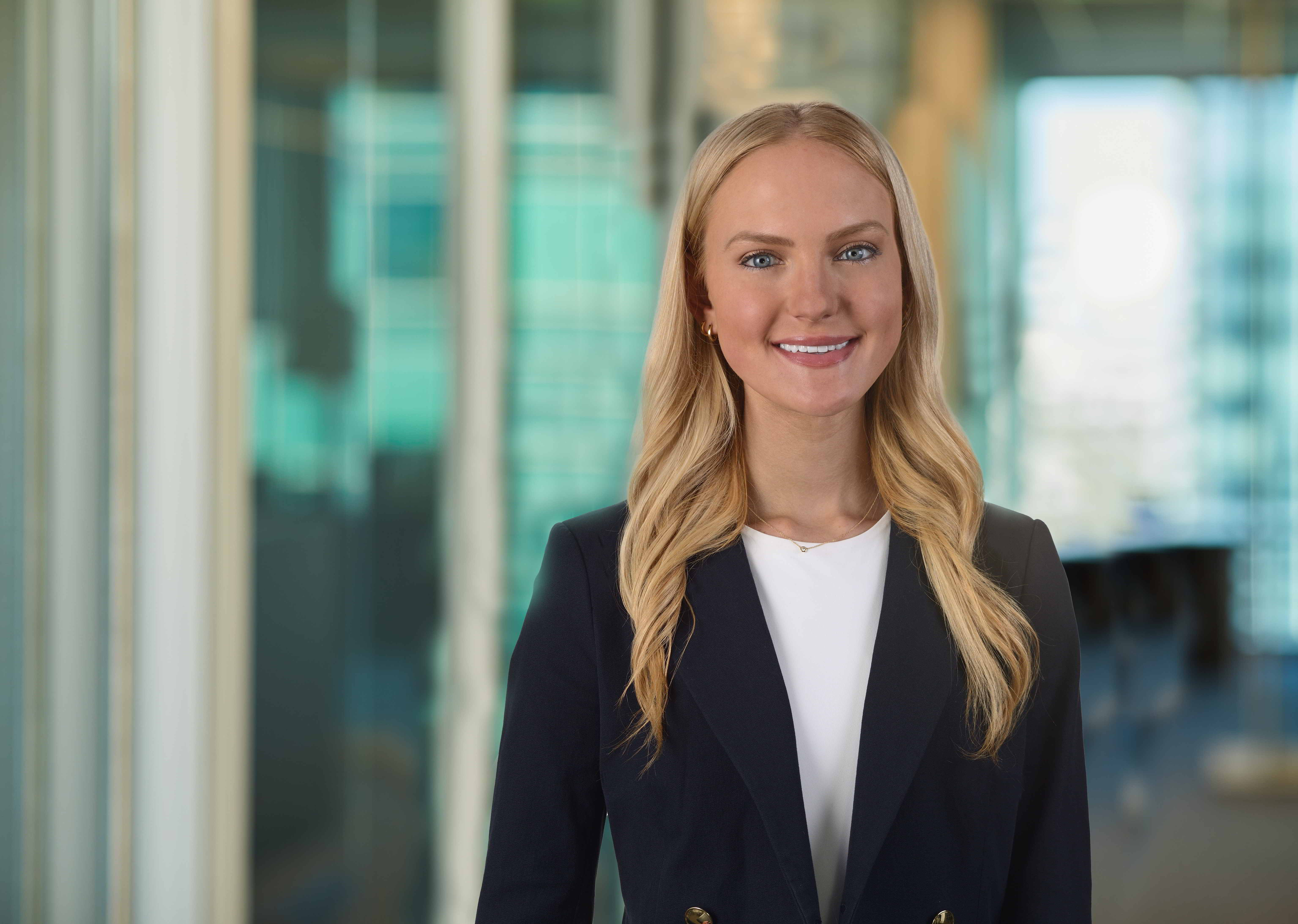
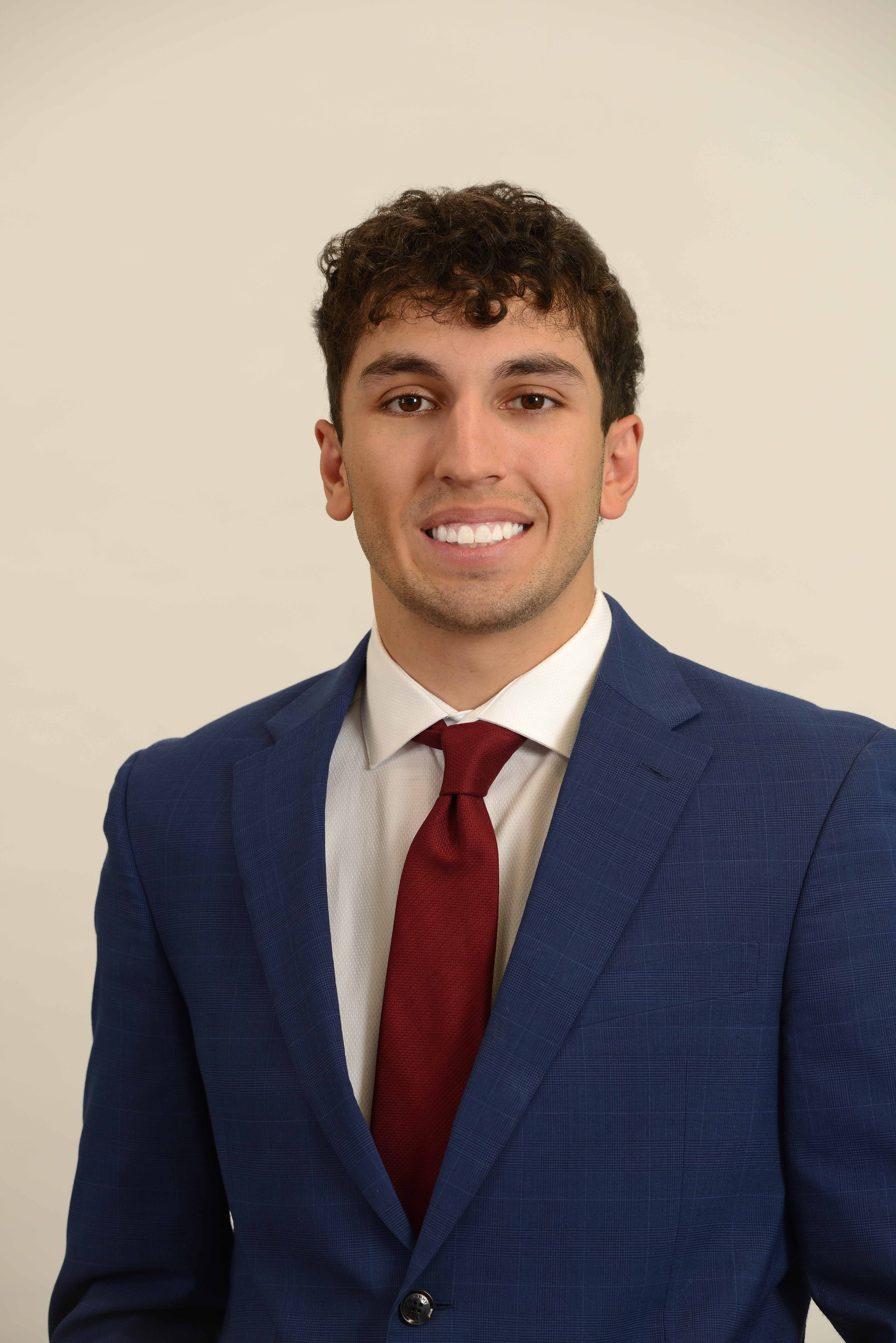
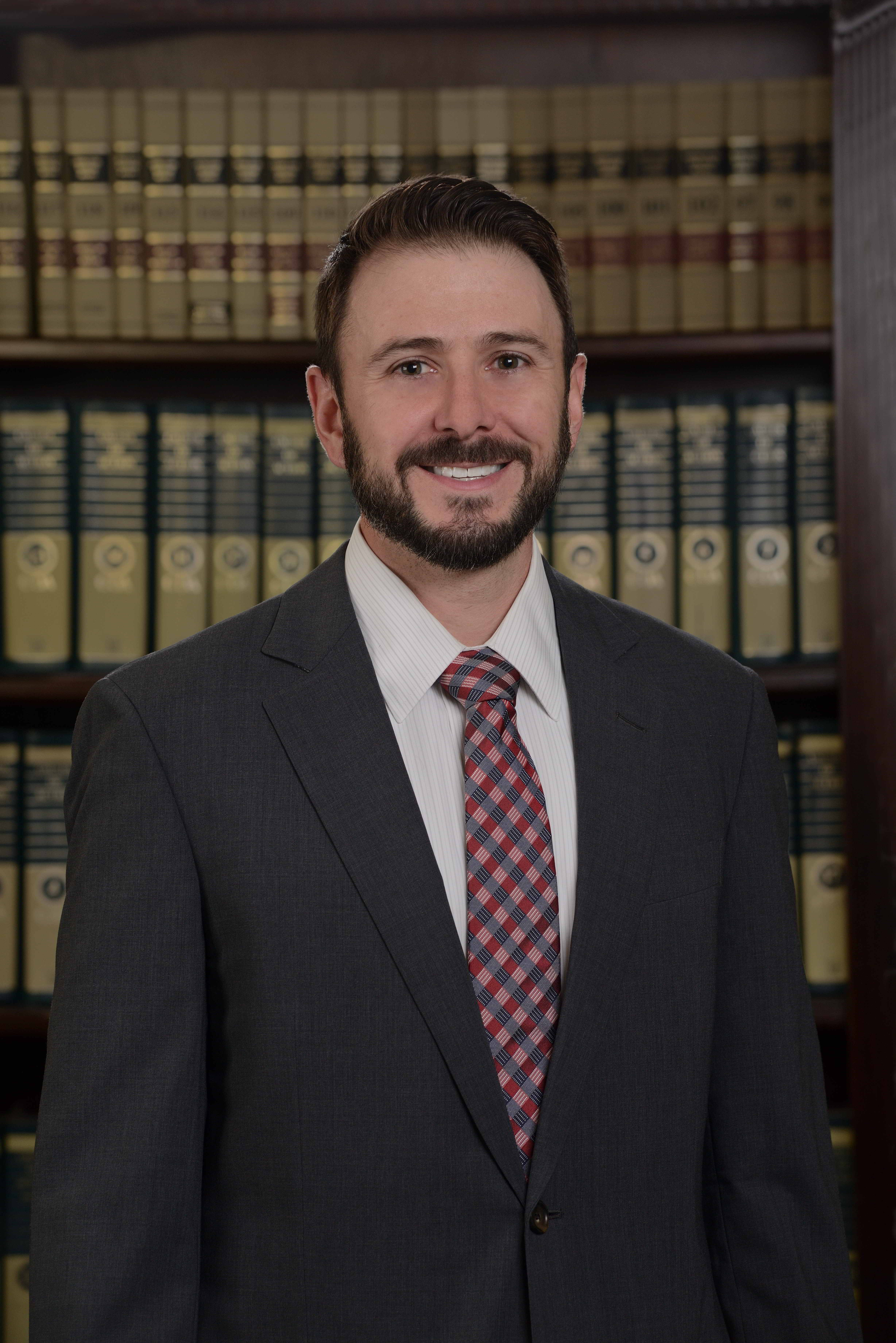
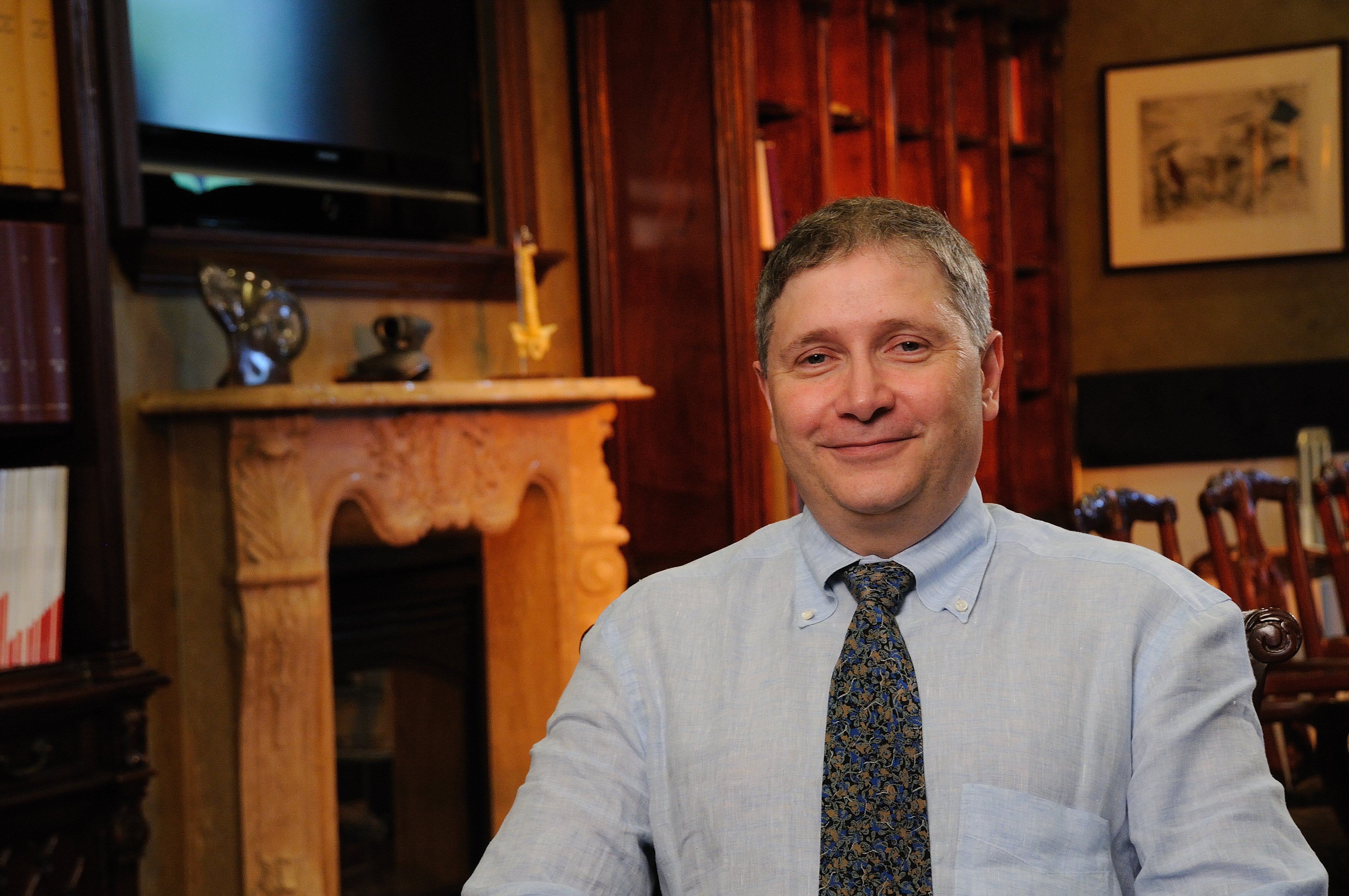
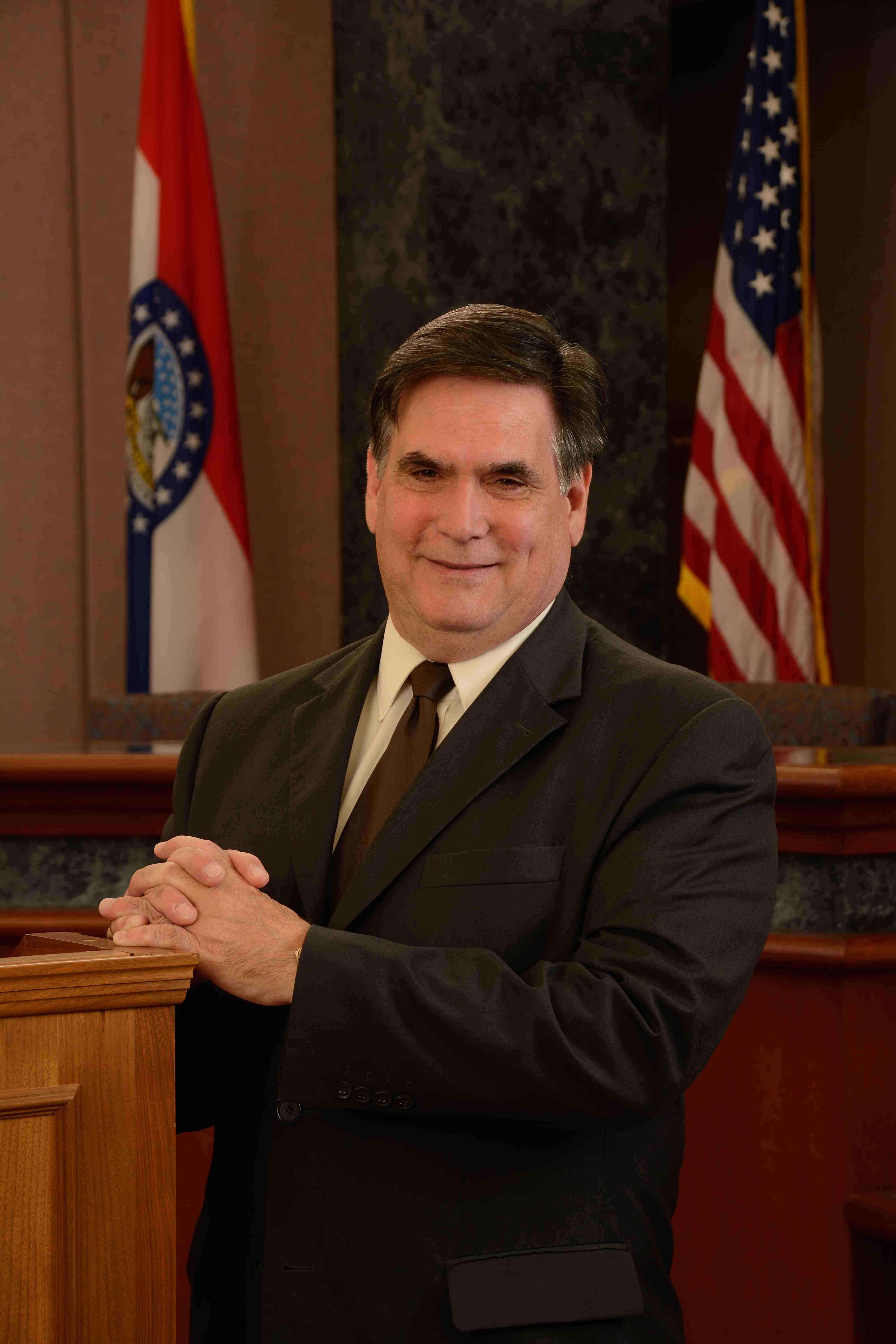
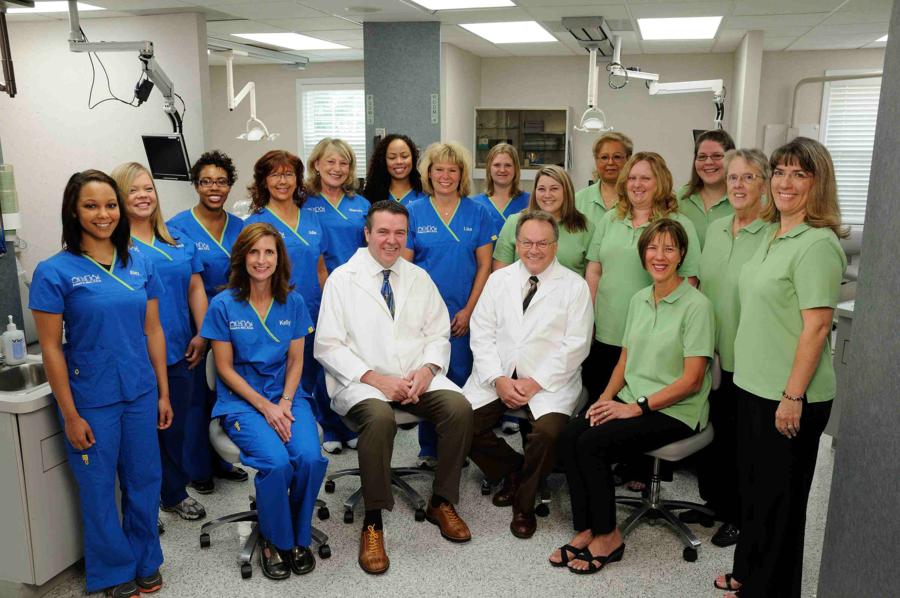
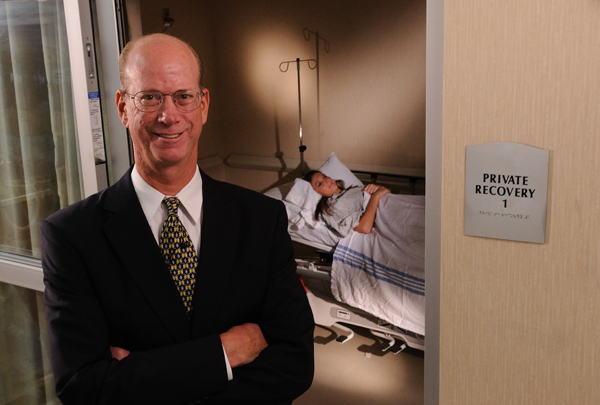
Professional business portraits are essential for company websites, leadership biographies, professional networking, public relations, recruitment, and corporate communications.
A well-executed portrait should convey confidence, approachability, credibility, and professionalism.
Experienced portrait photographers understand how lighting angles, focal length, subject positioning, and subtle direction influence the appearance and personality of the subject.
An organized studio session can provide a consistent portrait style across an entire organization while accommodating individual preferences.
Product and Advertising Photography
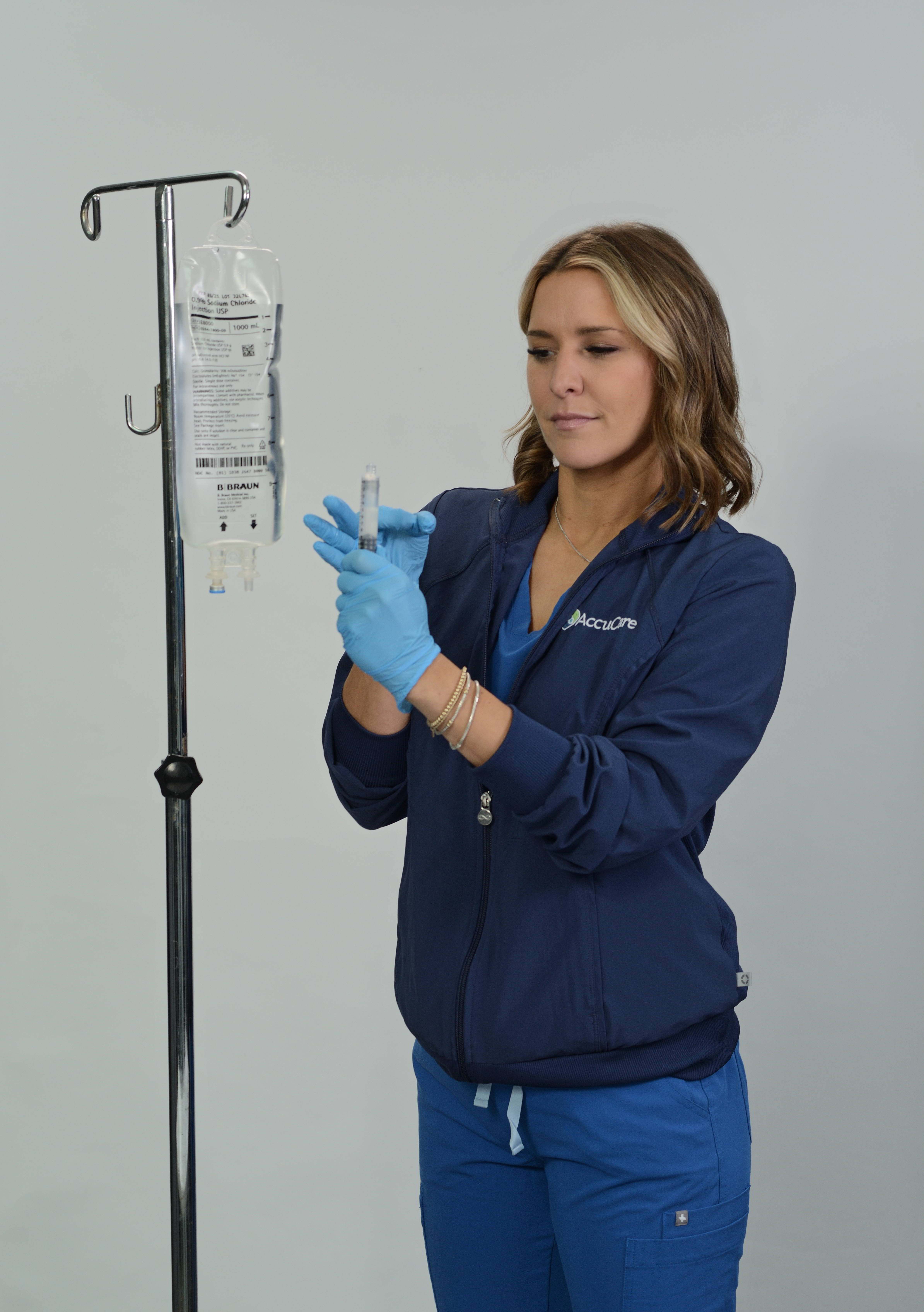
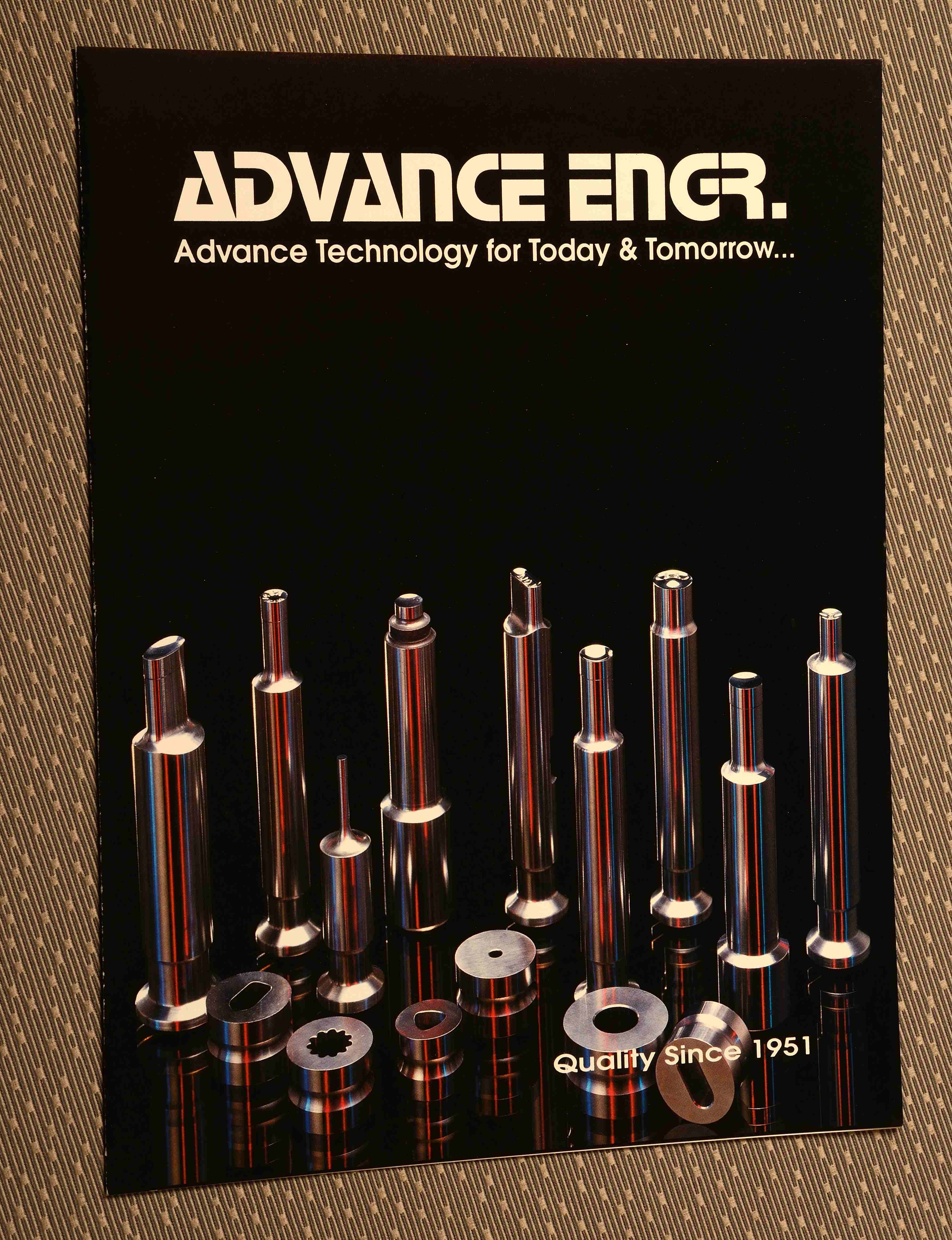
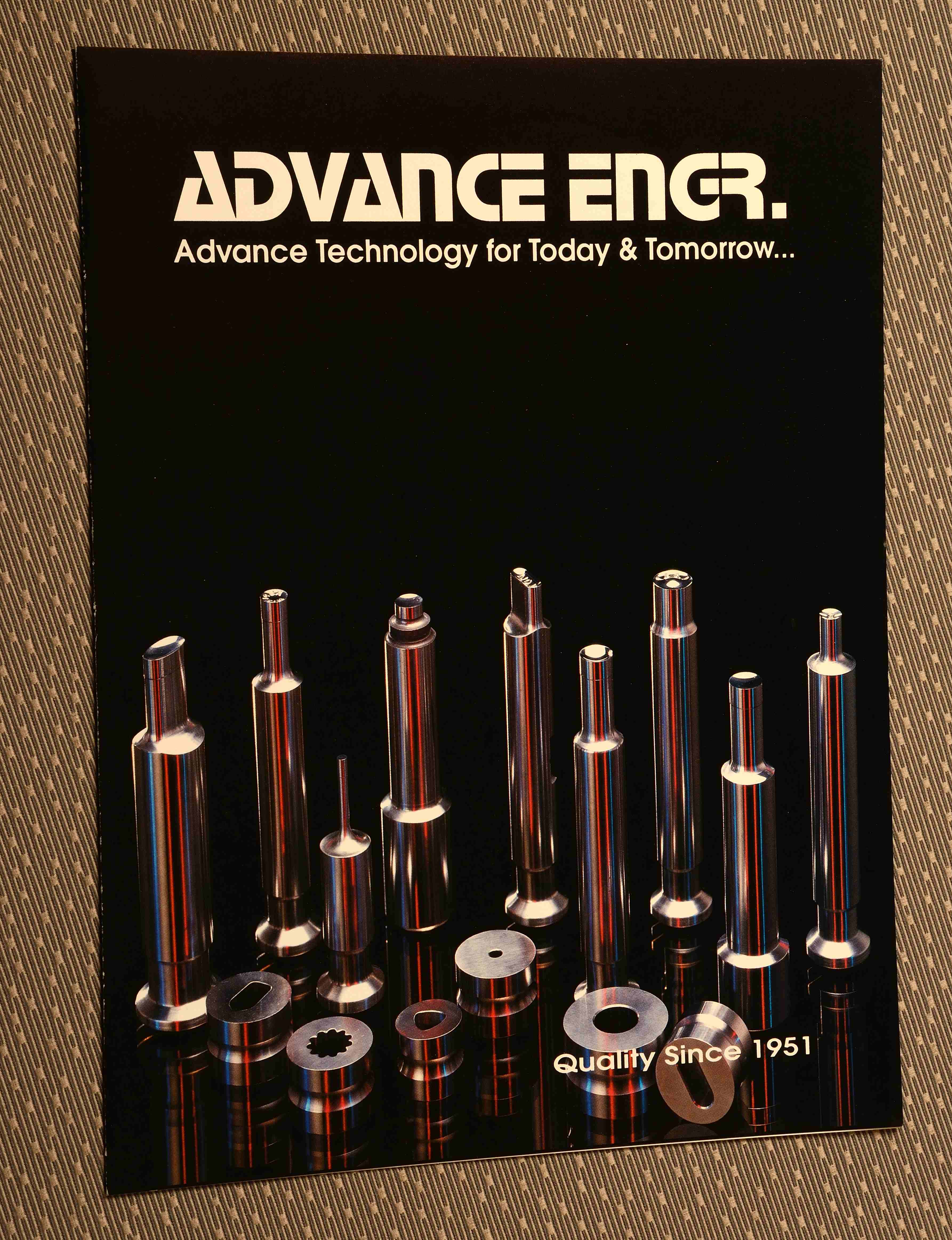
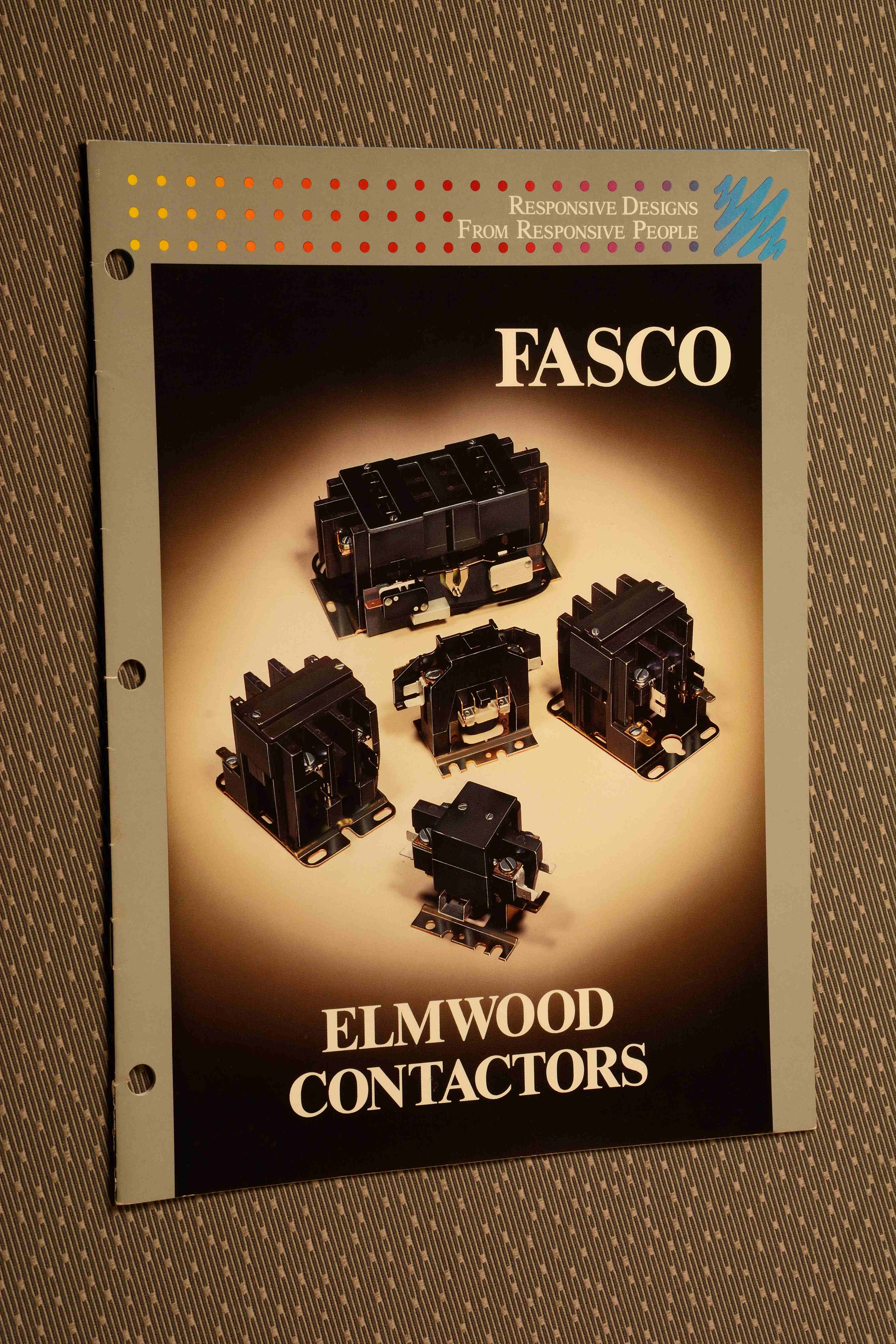
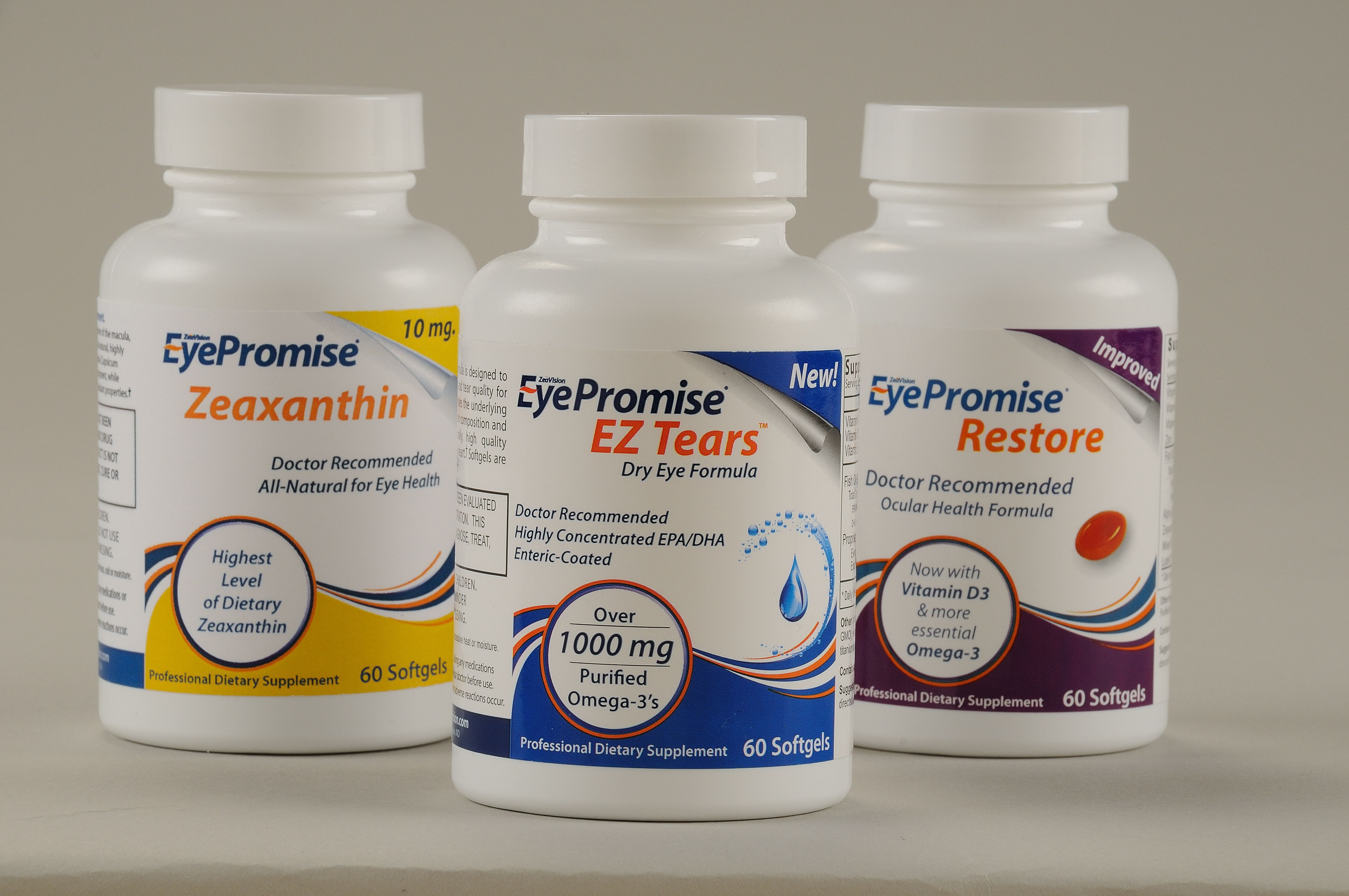
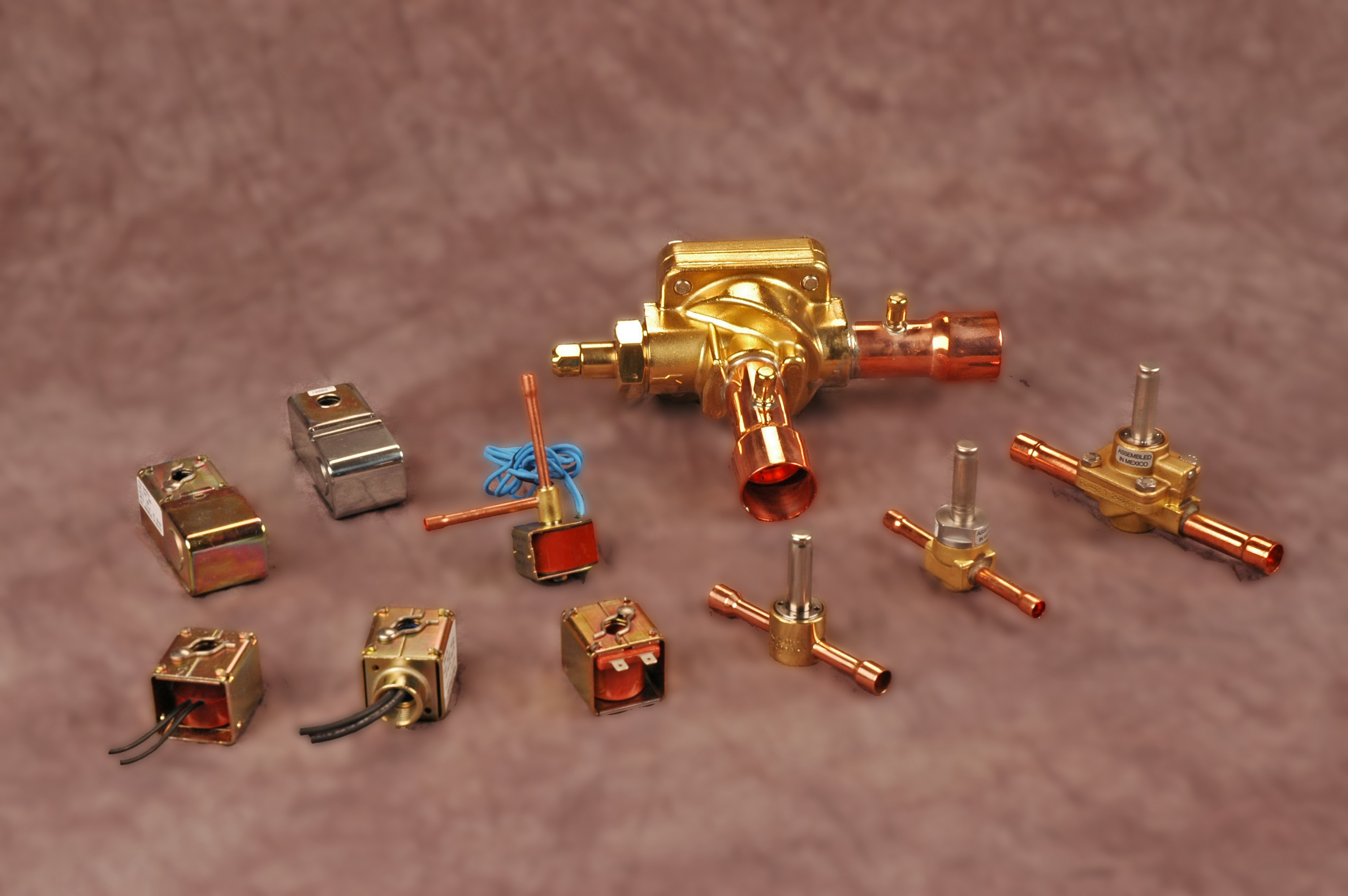
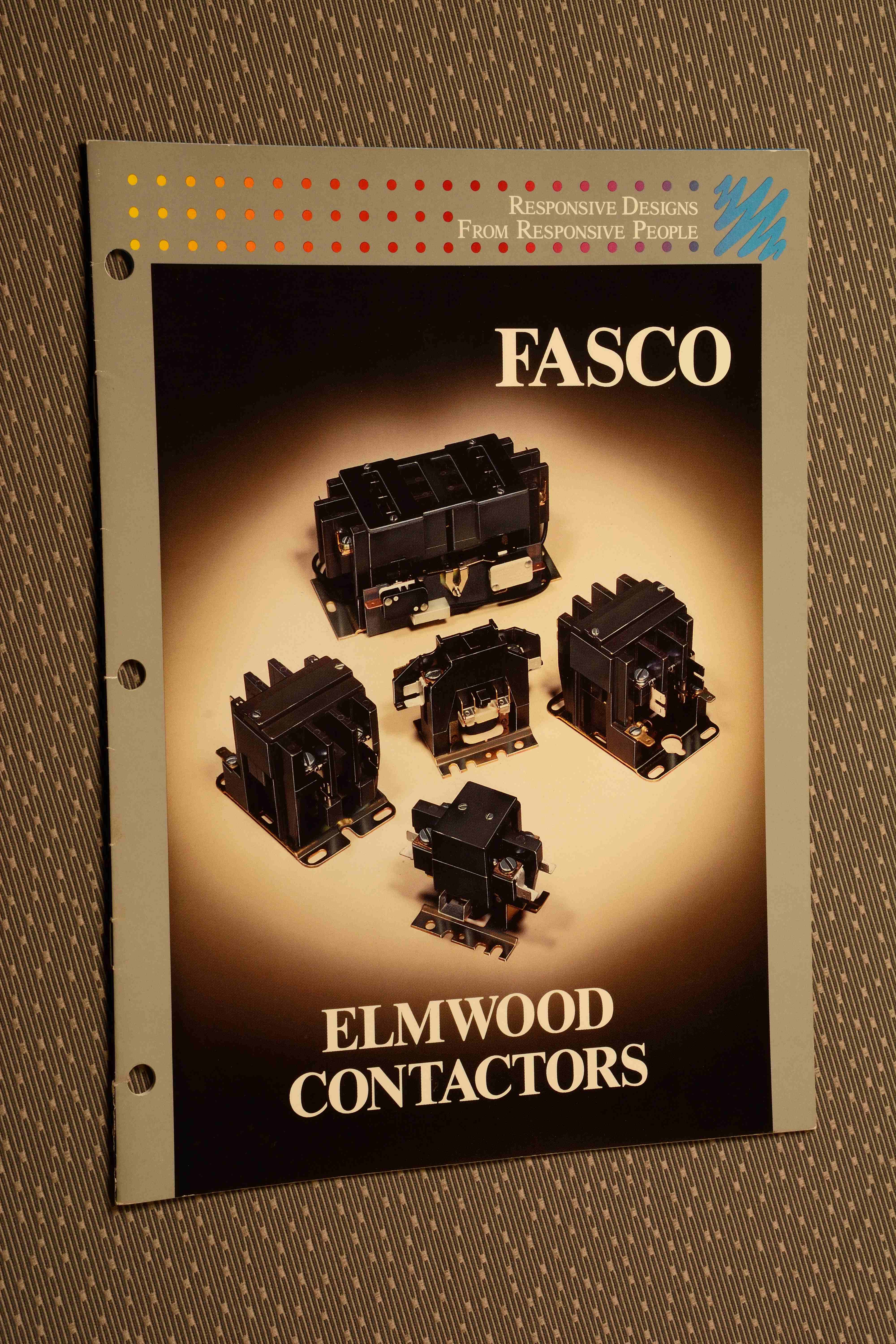
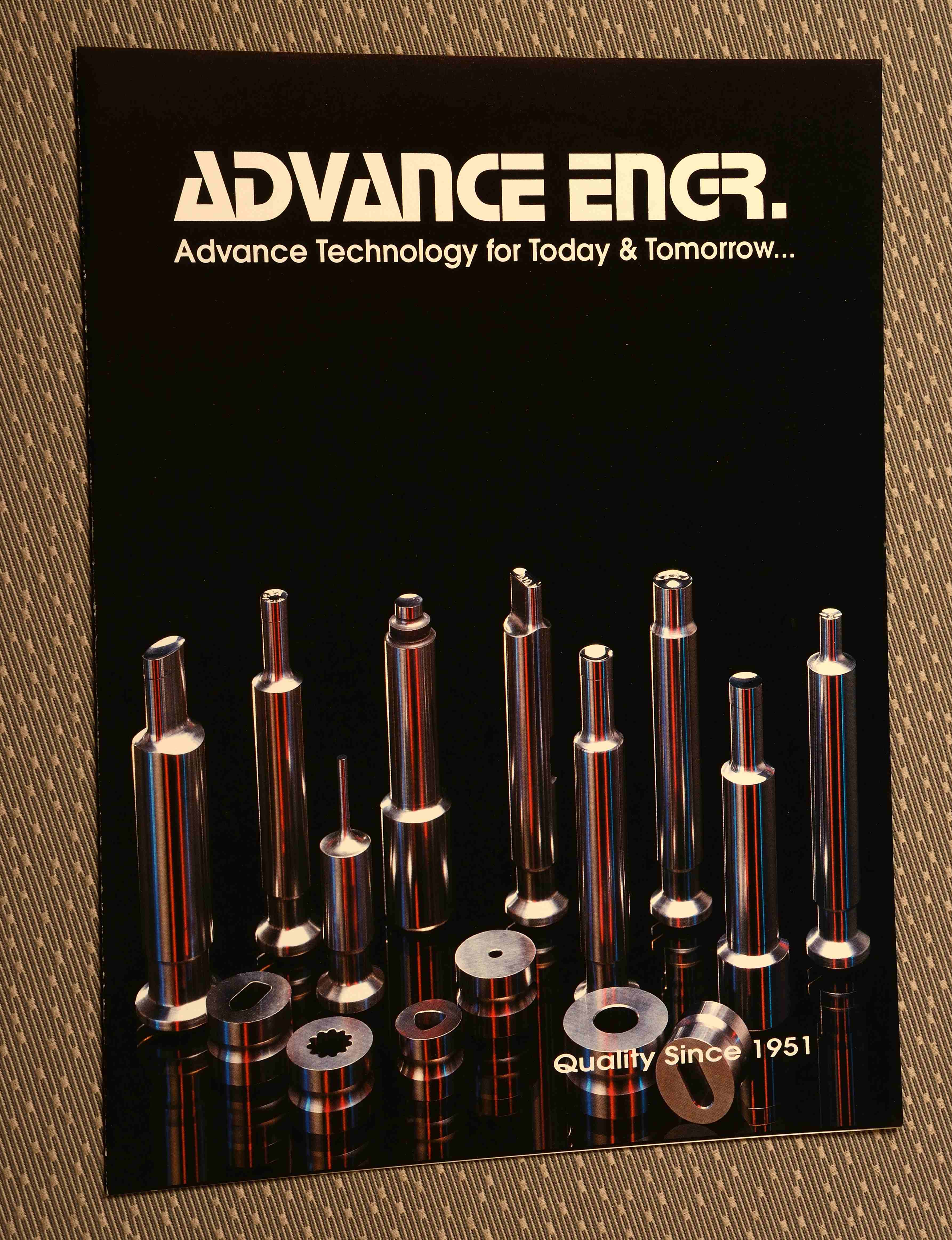
Product photography requires precise attention to lighting, composition, focus, color accuracy, and surface detail.
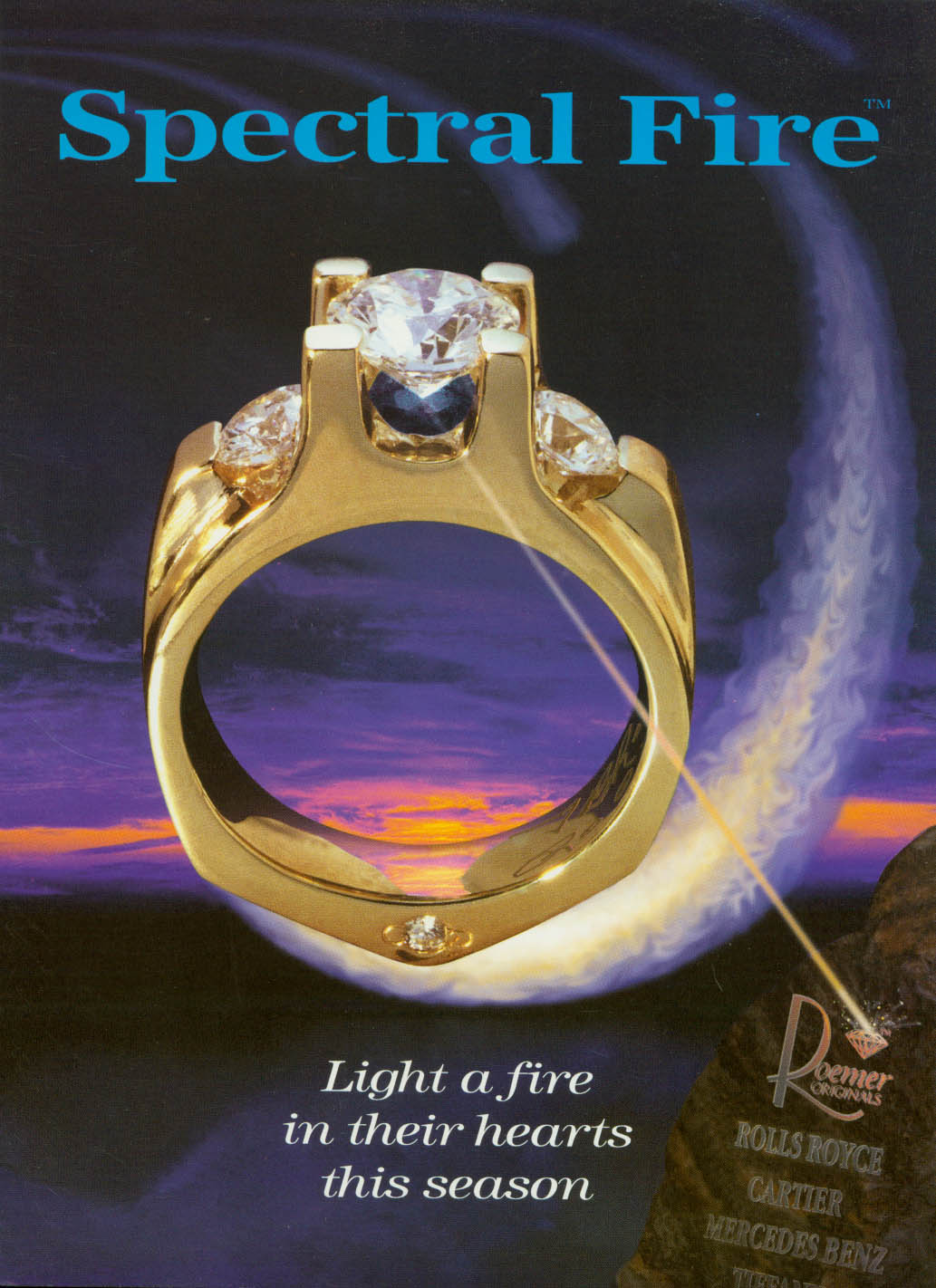
Reflective products, transparent materials, metallic finishes, and textured surfaces often require specialized lighting techniques.
Studio photography makes it possible to control unwanted reflections, isolate products from distracting backgrounds, and create consistent advertising imagery across entire product lines.
These images can support catalogs, e-commerce websites, packaging, print advertising, trade show displays, and digital marketing.
Food and Beverage Photography
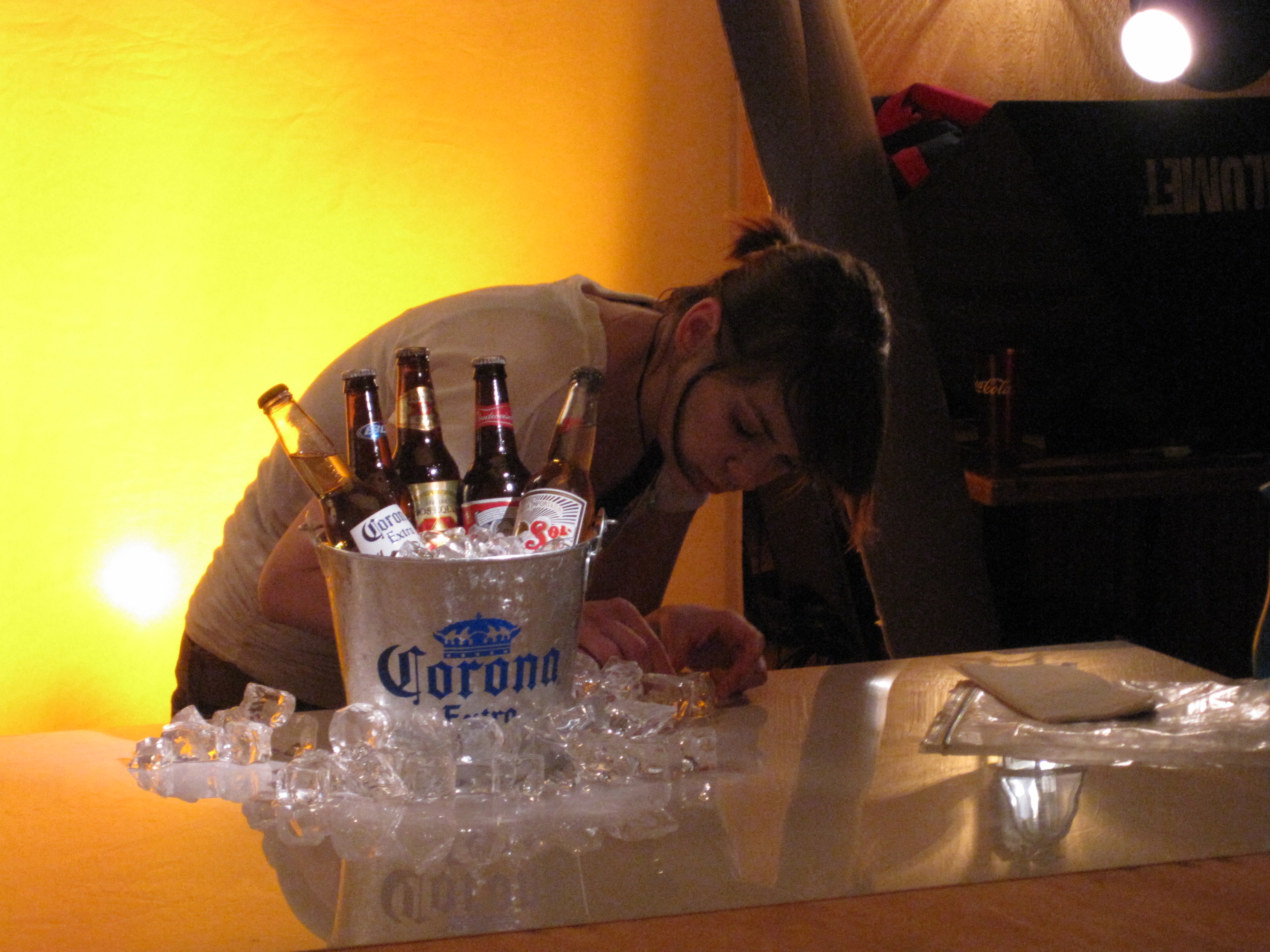
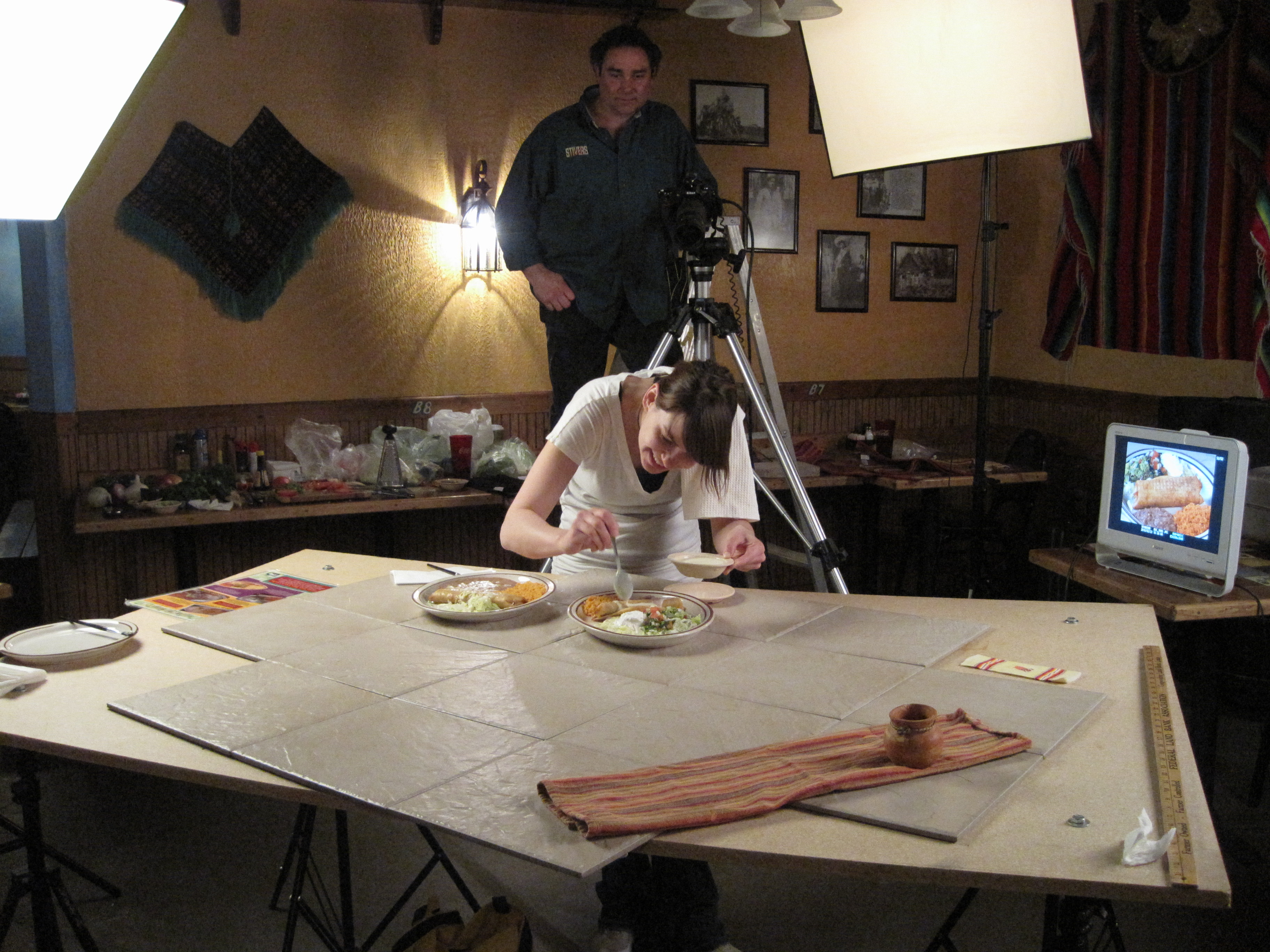
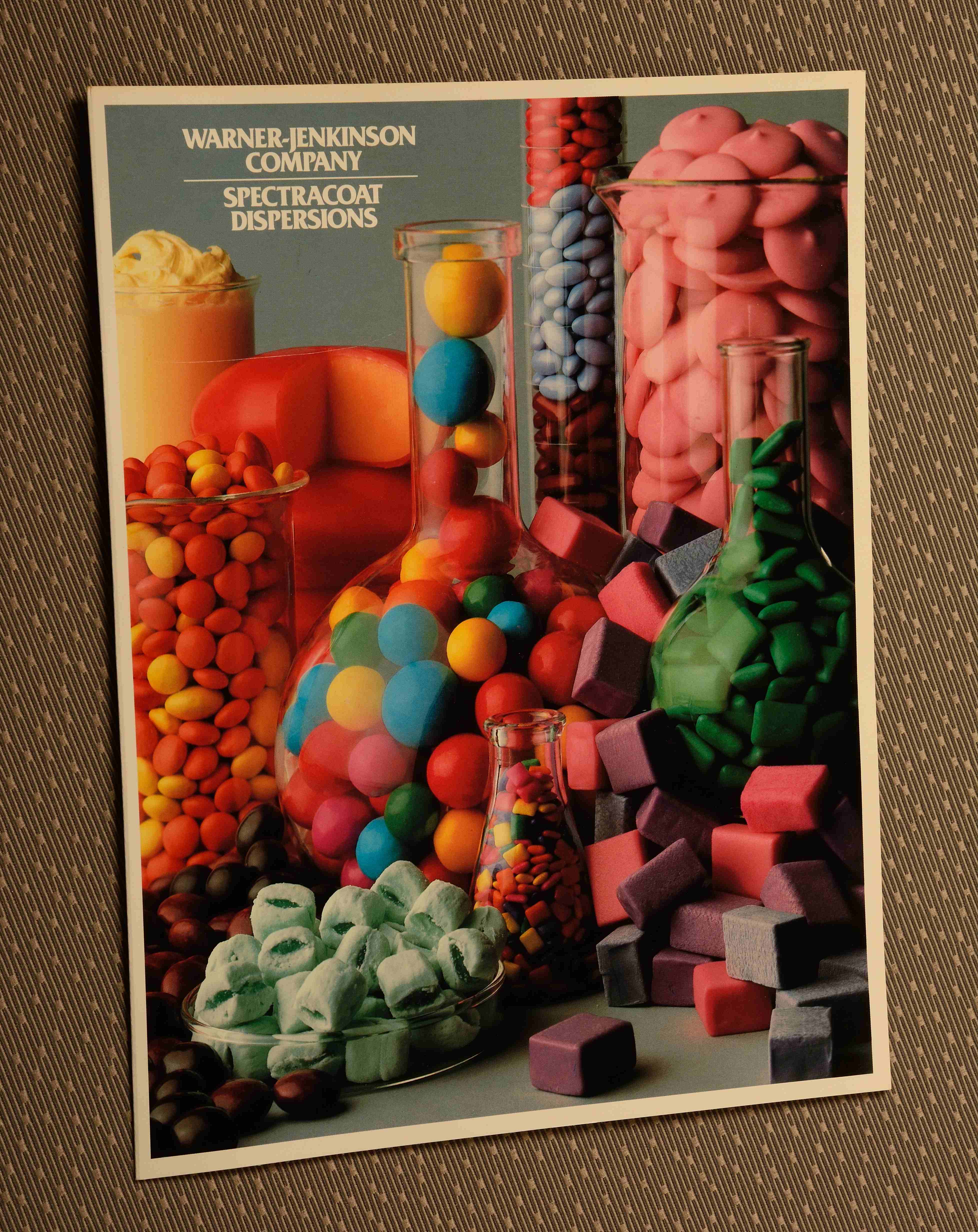
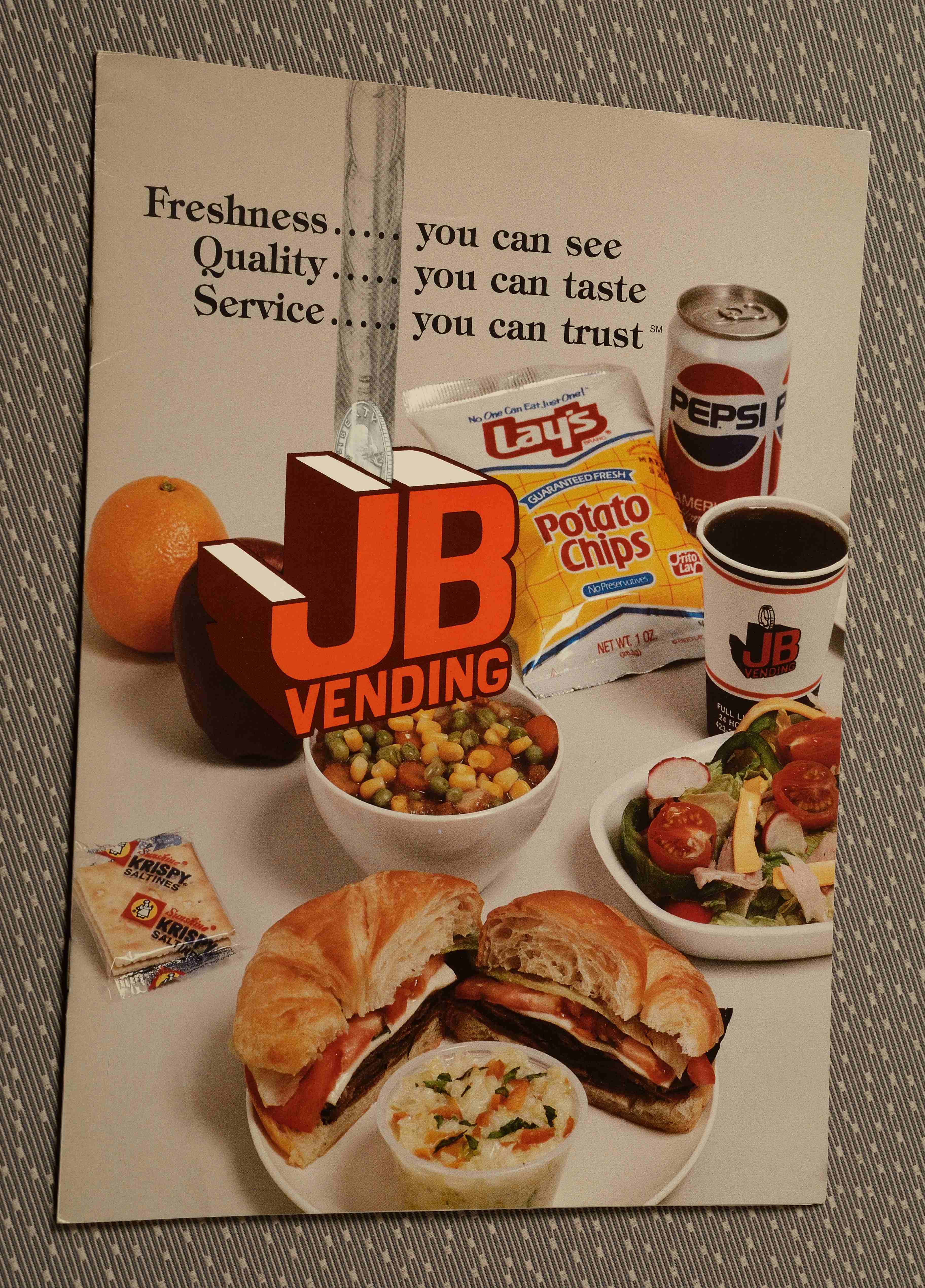
Professional food photography requires the ability to manage highlights, color, texture, composition, and presentation.
Controlled studio lighting can emphasize freshness, ingredients, surface details, and overall visual appeal.
Restaurants, food manufacturers, distributors, and advertising agencies benefit from photographs that maintain consistent quality across menus, packaging, websites, and promotional materials.
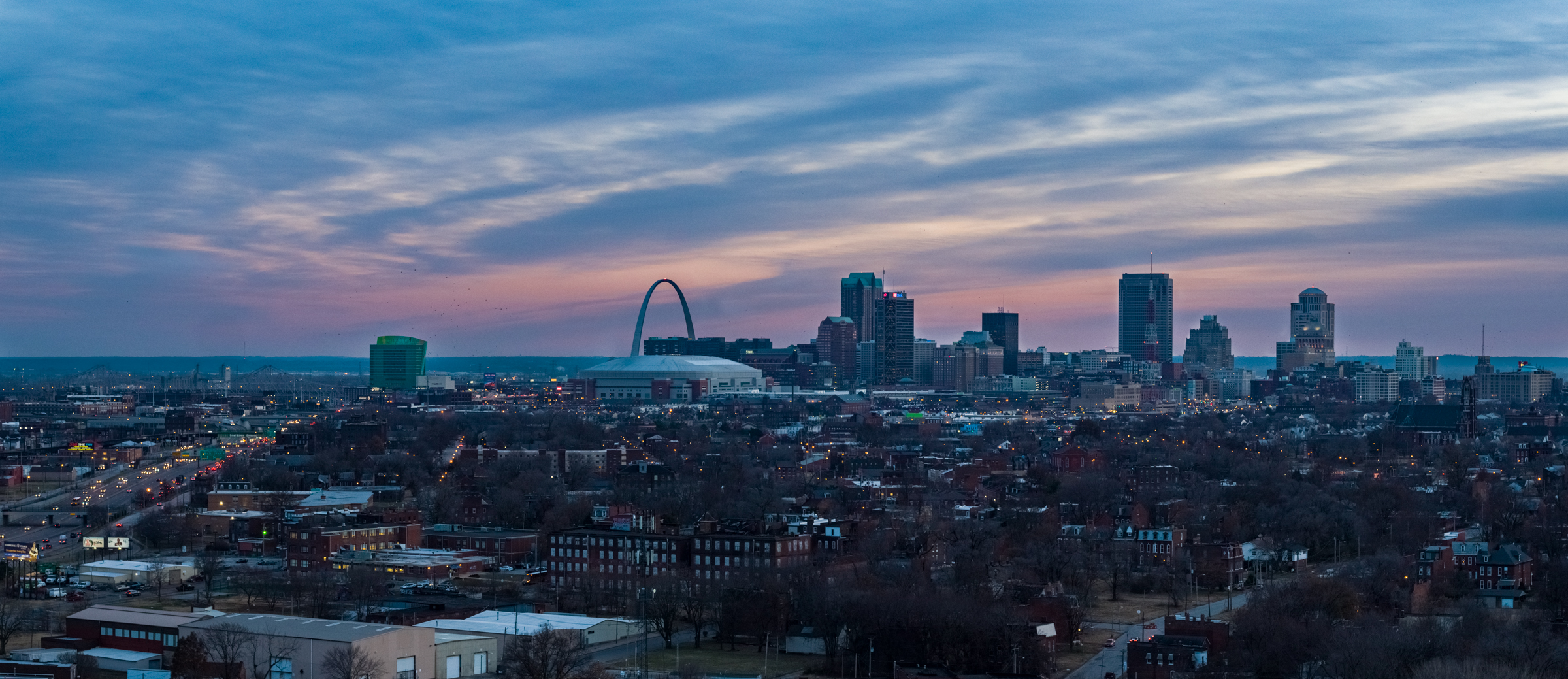
For many businesses, the need for professional photography is constant, but the budget behind it is rarely unlimited. Marketing teams, business owners, and agency leaders are expected to create stronger visual branding, support sales initiatives, update websites, refresh social channels, and build better campaign assets without overspending. That is exactly why economical studio and on-location photography continues to be such a valuable solution in St. Louis.
Economical photography does not mean settling for less. It means making smart production decisions, choosing the right environment for the assignment, and creating imagery that has enough quality and flexibility to keep working across multiple platforms long after the shoot is over. When photography is planned well, it becomes one of the most practical investments a business can make.
The Difference Between Cheap Photography and Economical Photography
There is an important distinction between low-cost photography and economical photography. Cheap photography often focuses only on the upfront number, while economical photography focuses on value, efficiency, and usable results.
A lower quote may seem attractive at first, but if the images feel off-brand, lack variety, are poorly lit, or require another shoot later, the overall cost rises quickly. Economical photography takes a broader business view. It aims to maximize the usefulness of the shoot, reduce wasted time, and create assets that can be reused in marketing, advertising, recruiting, presentations, sales materials, and public-facing communication.
For organizations trying to get more out of each production dollar, that is the smarter approach.
Why Studio Photography Can Be a Highly Efficient Choice
Studio photography remains one of the most controlled and reliable ways to create polished visual content. It is often the best choice when consistency, speed, and precision matter most.
A studio setting allows the photographer and crew to manage lighting, backgrounds, styling, set pieces, and timing without the unpredictability of weather or changing site conditions. That control can make the production more efficient and more cost-effective, especially for projects that need clean, repeatable results.
Studio photography is often ideal for:
executive portraits
corporate headshots
product photography
catalog imagery
branded lifestyle setups
interview visuals
ad campaign assets
social and web content requiring consistency
Because there are fewer external variables, more can often be accomplished in less time. Businesses also benefit from a cleaner production flow, especially when several team members need to rotate through quickly for portraits or branded content creation.
Why On-Location Photography Still Delivers Strong Value
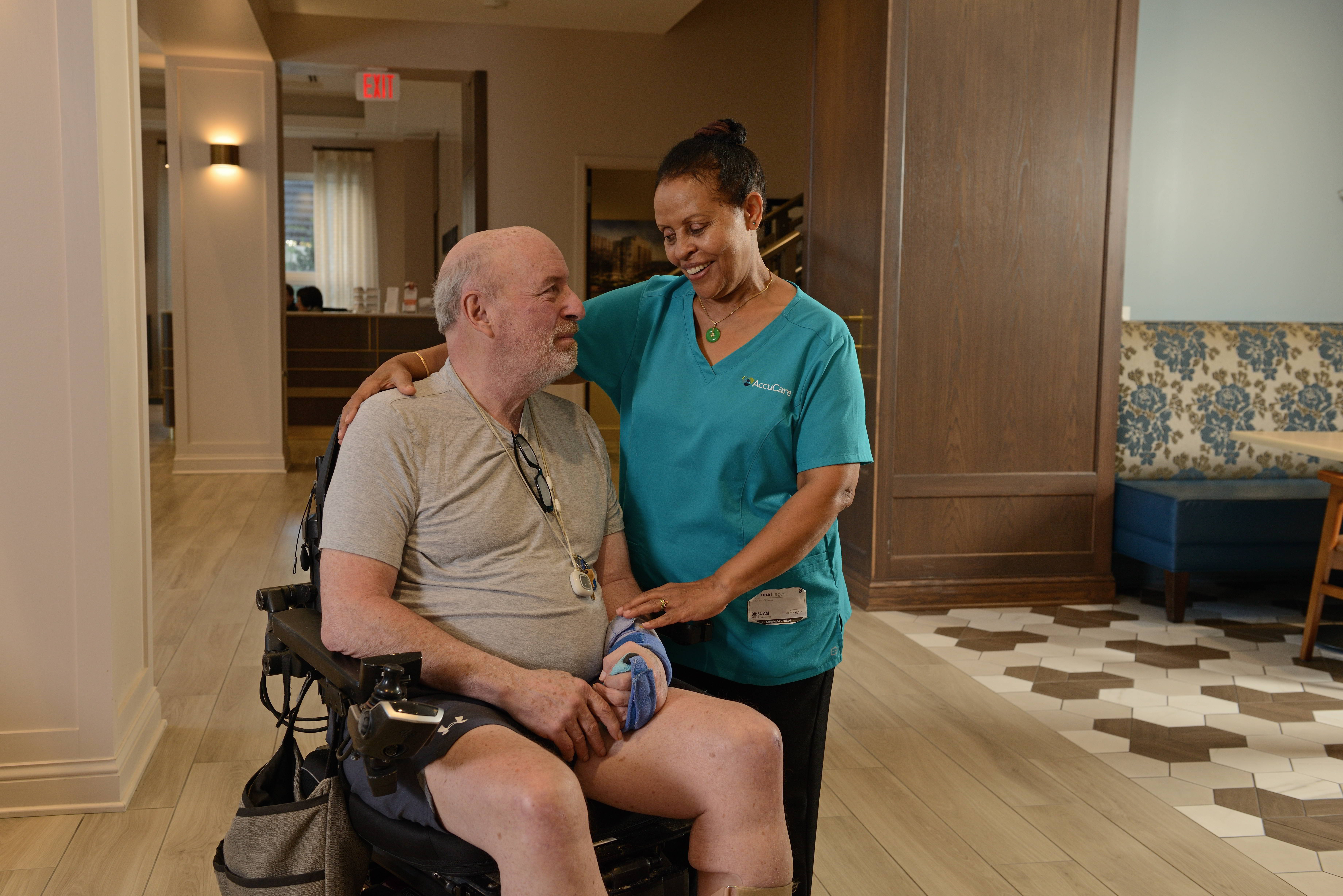
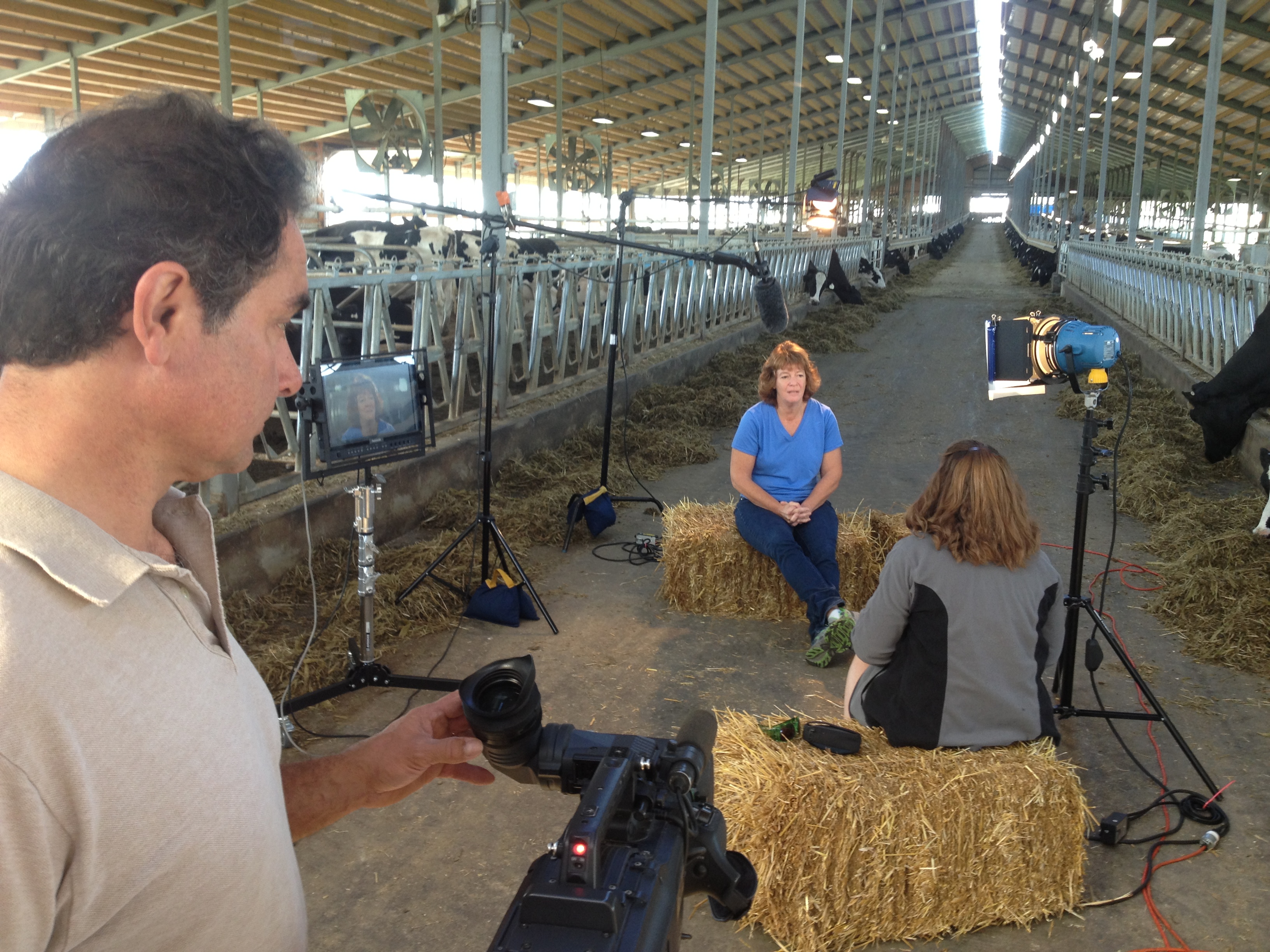
While studio work offers control, on-location photography brings context, authenticity, and credibility. Many businesses need visuals that show real spaces, real teams, and real working environments. For those assignments, location photography often creates stronger communication value.
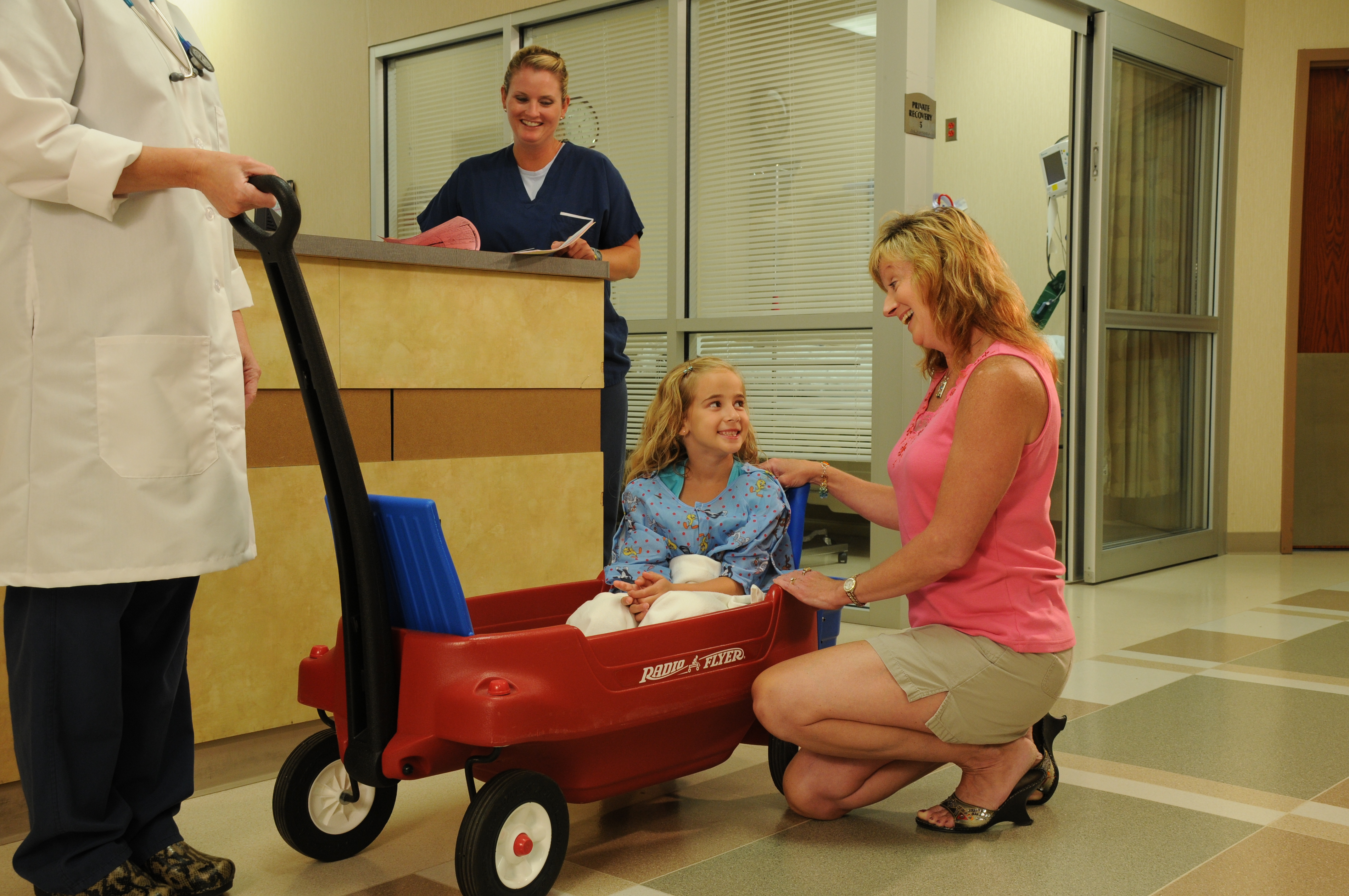
A healthcare provider may want patients to see the actual environment. A manufacturer may need imagery of operations, equipment, and workflow. A law firm, university, contractor, restaurant, or corporate office may want the setting to reinforce professionalism and trust. In these situations, location photography does more than document a space. It helps tell a more believable story.
On-location photography is especially useful for:
architectural and interior photography
industrial and manufacturing coverage
workplace branding
team-in-action imagery
recruiting content
facility overviews
customer interaction visuals
event and corporate culture photography
When planned properly, on-location work can be extremely economical because it creates distinctive images that no stock library can replicate.
Choosing the Right Setting Saves Money
One of the biggest ways to improve efficiency in commercial photography is to choose the right setting for the right subject matter. Not every project belongs in a studio, and not every assignment should happen on-site. The strongest production plans are built around purpose.
For example, if the goal is polished headshots and clean product imagery, a studio often makes the most sense. If the goal is to show scale, environment, operations, or team culture, a location shoot may create more value. Some of the best results come from combining both.
A hybrid production can be especially economical. A company might capture executive portraits, product details, or styled branding images in the studio, then move to a location to photograph workspaces, staff interactions, or process imagery. That gives the marketing team a broader content library without having to arrange separate productions at different times.
Planning Is What Makes Photography Cost-Effective
The real savings in professional photography often come from preparation rather than compromise. Strong planning reduces delays, avoids reshoots, and ensures that the production day stays focused on valuable outcomes.
An economical photography plan usually starts with a few practical questions:
What are the images supposed to accomplish? Where will they be used? Who needs to appear in them? Which images are essential and which are optional? What style best represents the brand? How can the content be repurposed later?
These decisions shape the shoot in a way that keeps the production efficient. Instead of wandering through the day hoping to capture something useful, the team works from a clear strategy.
How Businesses Get More Value from a Photography Shoot
A successful shoot should do more than produce a handful of good images. It should create a bank of visual assets that support the company over time.
That may include content for:
websites and landing pages
brochures and collateral
digital advertising
social media campaigns
annual reports
recruiting materials
trade show graphics
presentations and pitch decks
public relations
internal communications
This is where commercial photography becomes far more economical. When one well-planned production supports multiple departments and media channels, the return improves significantly.
Instead of viewing photography as a one-off expense, businesses can treat it as a long-term branding resource.
Common Reasons Photography Budgets Get Wasted
Many organizations do not overspend because they chose professional photography. They overspend because the production lacked structure.
Some of the most common issues include unclear goals, poor scheduling, trying to capture too much without priorities, failing to coordinate subjects, and not thinking through how the images will be used later. Another common mistake is hiring based only on price without evaluating production experience, visual consistency, or understanding of business needs.
When the wrong process is used, even a simple shoot can become inefficient.
By contrast, an experienced production team can often save the client money simply by knowing how to organize the work, guide the day, solve technical issues quickly, and create better results in fewer moves.
Consistency Has Real Business Value
One area that is often overlooked in budget conversations is consistency. When a company’s photography feels inconsistent from one campaign to the next, the brand starts to feel fragmented. Headshots may not match. Product imagery may vary in tone. Website visuals may not align with print materials or ad creative.
That inconsistency weakens marketing performance.
Economical photography helps solve that by creating a cohesive visual foundation. A business with a consistent photo library can move faster, communicate more clearly, and avoid the cost of repeatedly rebuilding its brand visuals from scratch.
Strong Photography Supports More Than Marketing
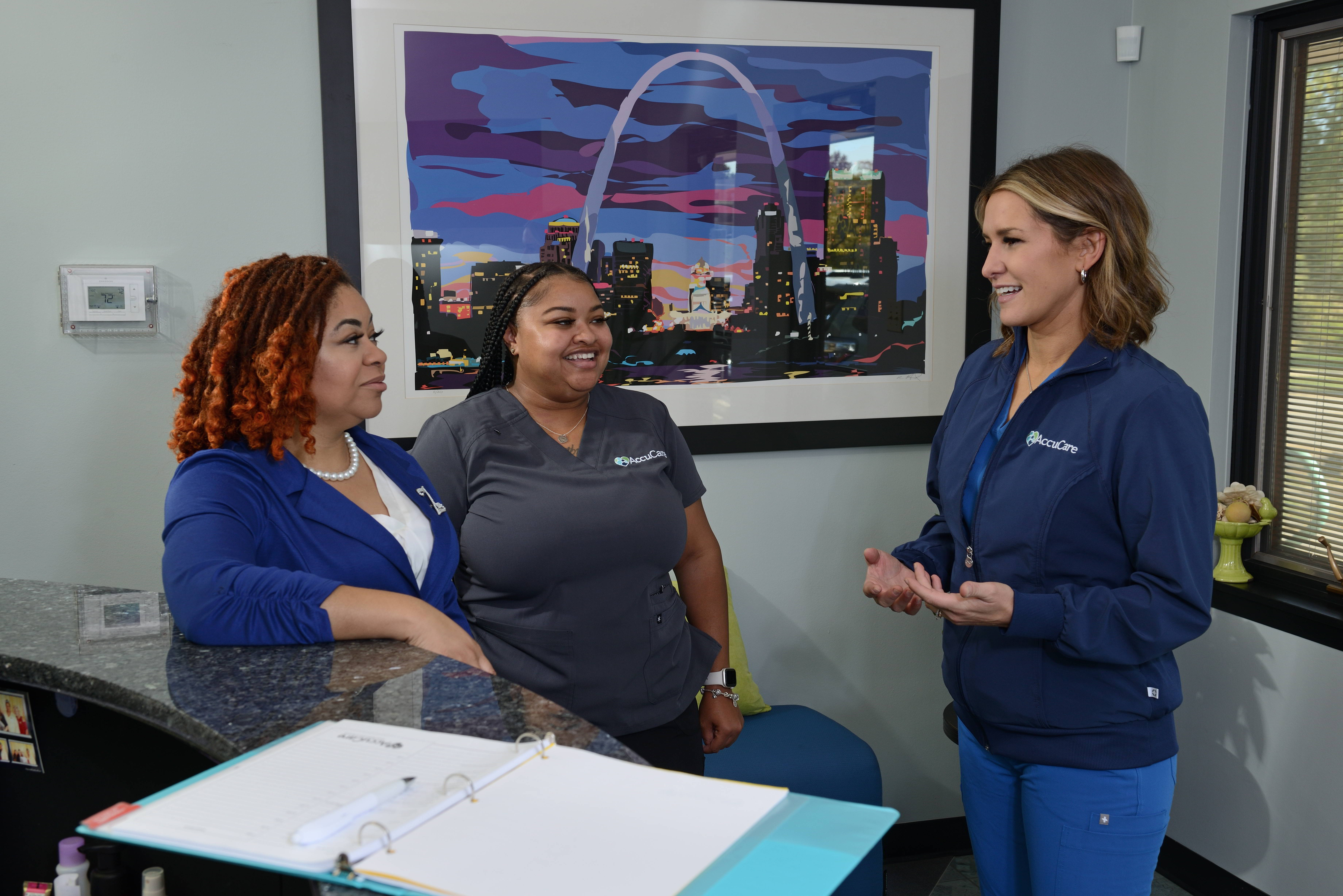
Although photography is often commissioned through marketing, its value extends well beyond one department. Sales teams use it. Human resources uses it. Leadership uses it. Operations, investor relations, public relations, and recruiting teams all benefit from professional imagery.
That means the most economical shoots are often those planned with multiple stakeholders in mind. A single day of production may support current marketing campaigns while also generating portraits, environmental images, process visuals, and facility shots for other business functions.
The broader the usability, the better the investment.
Why Experience Still Matters
Photography that appears simple on the surface often involves many moving parts underneath. Lighting, composition, scheduling, talent direction, equipment choice, styling, background control, file handling, and production flow all affect the final outcome.
An experienced commercial team understands how to manage those variables without creating unnecessary delays or complications. That expertise helps businesses avoid production waste and get stronger, more versatile results.
In other words, experience is often part of what makes a project economical.
Final Perspective
Economical studio and on-location photography in St. Louis is not about doing the bare minimum. It is about creating strong, useful, professional imagery with a disciplined production process and a clear understanding of business goals.
For organizations that need photography to work across multiple channels and over a longer period of time, thoughtful planning is what turns a shoot into a real asset. Whether the project belongs in a controlled studio environment, at a business location, or across both, the smartest investment is the one that produces imagery with lasting value.
St Louis Photo Studio is an experienced full-service professional commercial photography and video production company with the right equipment and creative crew service experience for successful image acquisition. We offer full-service studio and location video and photography, as well as editing, post-production, and licensed drone services. St Louis Photo Studio can customize your productions for diverse types of media requirements. Repurposing your photography and video branding to gain more traction is another specialty. We are well-versed in all file types and styles of media and accompanying software. We use the latest in Artificial Intelligence for all our media services. Our private studio lighting and visual setup is perfect for small productions and interview scenes, and our studio is large enough to incorporate props to round out your set. We support every aspect of your production—from setting up a private, custom interview studio to supplying professional sound and camera operators, as well as providing the right equipment—ensuring your next video production is seamless and successful. We can fly our specialized drones indoors. As a full-service video and photography production corporation, since 1982, St Louis Photo Studio has worked with many businesses, marketing firms, and creative agencies in the St. Louis area for their marketing photography and video.
For decision-makers in marketing and production, studio photography is the construction of a high-value asset designed to communicate authority, culture, and value.
When you hire a studio photographer, you aren’t just paying for someone to operate a camera; you are investing in a producer who understands how to translate your business objectives into a visual language. But what truly separates a competent photographer from a great business studio partner?
Below, we break down the critical pillars of professional studio production.
1. Masterful Control of Controlled Environments
Unlike location photography, where the sun or existing architecture dictates the mood, the studio is a blank canvas. A great business photographer is a master of lighting physics. They understand how to use light to diminish flaws, emphasize professional confidence, and match the specific “temperature” of your brand’s visual guidelines.
Key Distinction: A novice uses light to make things visible. A master uses light to create dimension, texture, and focus.
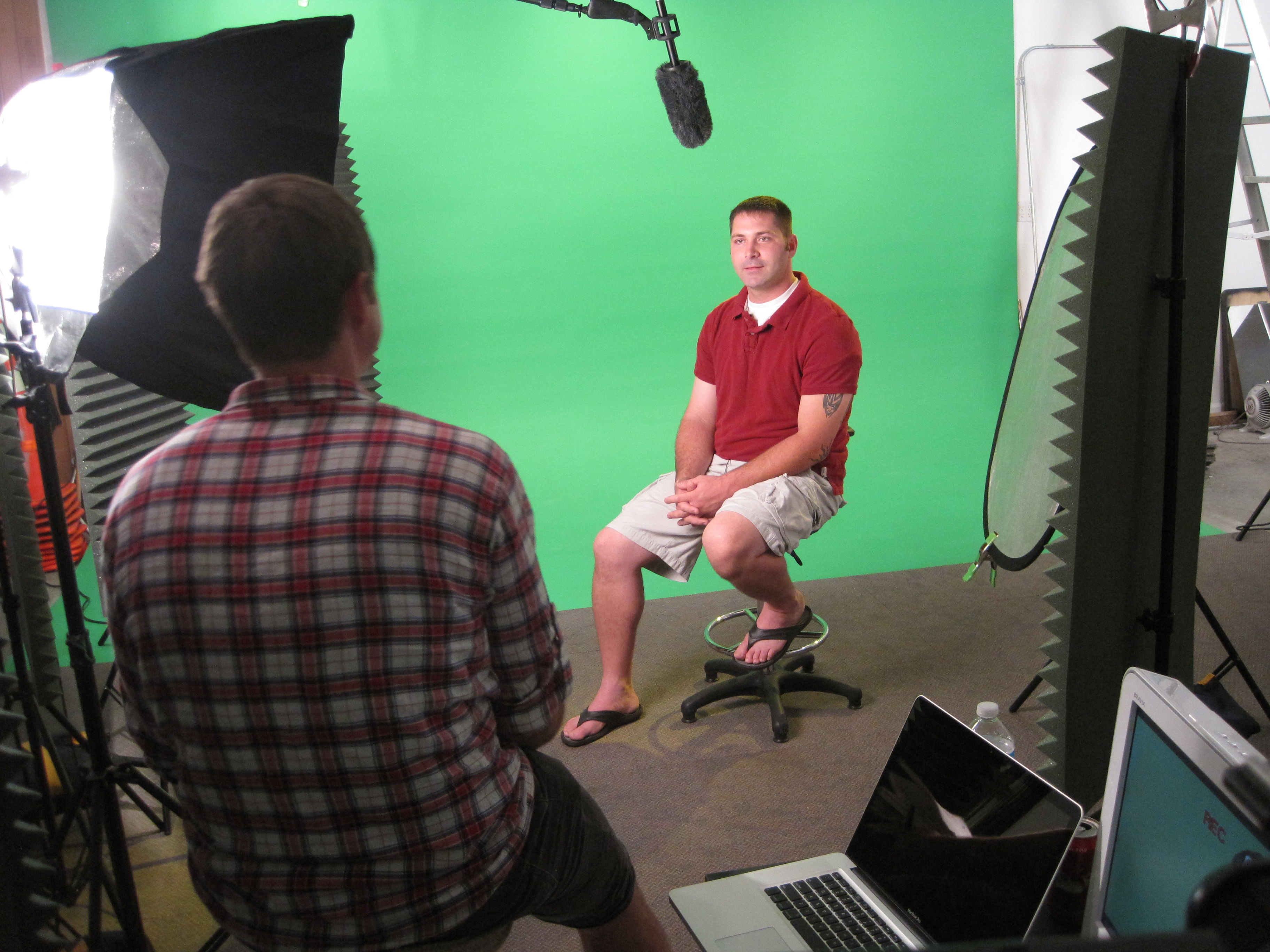
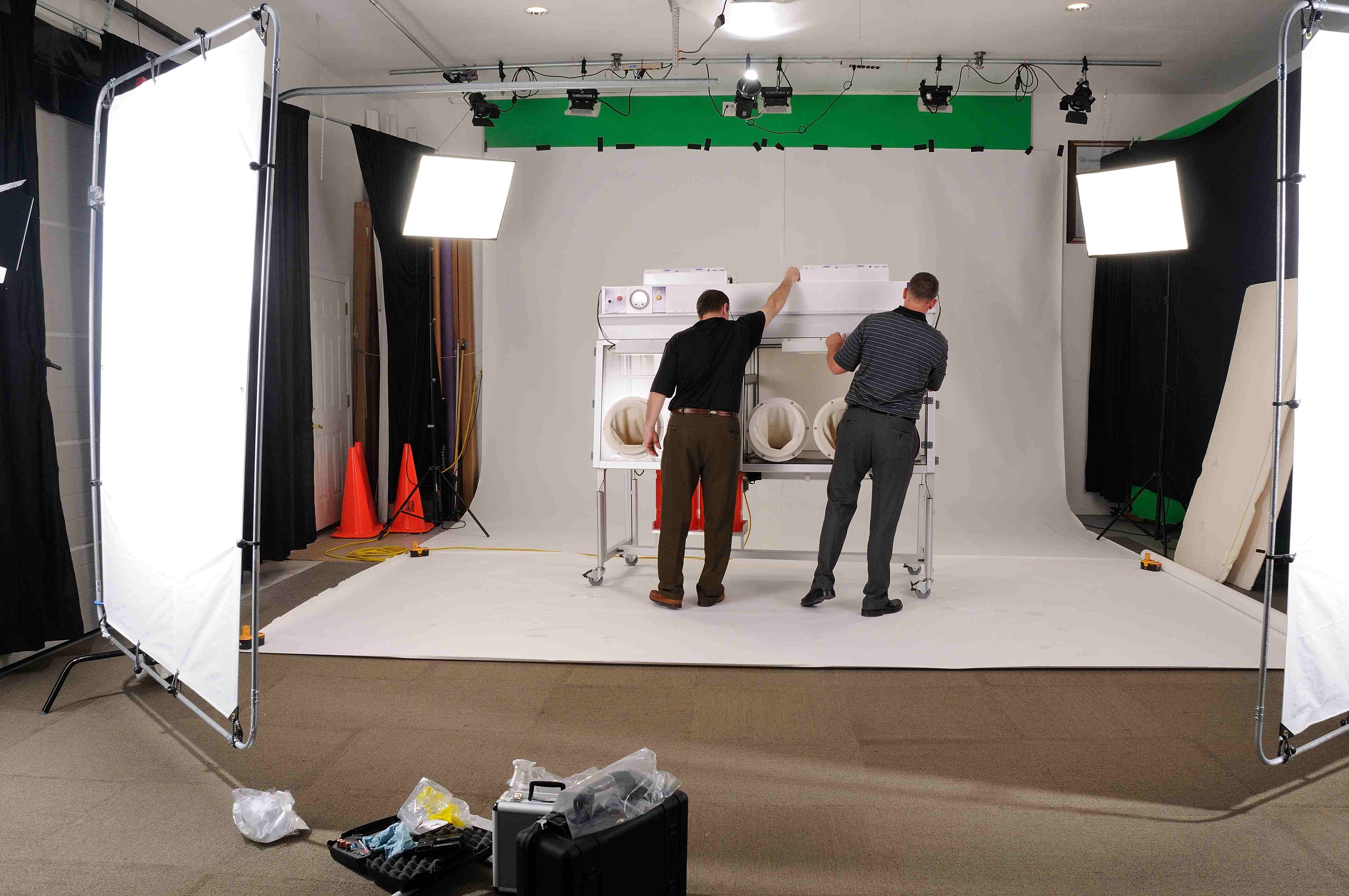
The Setup: Look for a photographer who utilizes specialized modifiers—softboxes, grids, and flags—to sculpt the light around the subject rather than just blasting them with brightness.
2. The Psychology of the Subject
For many executives and employees, being in front of a lens is an uncomfortable experience. A great business photographer acts as a director and a coach. They possess the “soft skills” required to put a subject at ease, resulting in authentic expressions that resonate with your audience.
“The best business photography happens in the space between the photographer and the subject. If the subject is tense, the brand feels inaccessible.”
3. Strategic Asset Longevity
A premier studio partner thinks about the lifecycle of the image. They don’t just deliver a high-resolution JPEG; they understand the technical requirements of modern media.
Repurposing: They look for ways to turn a single headshot session into a library of branded content, ensuring you gain maximum traction from every hour spent in the studio.
File Versatility: They provide files optimized for everything from massive trade show banners to 1:1 social media crops.
AI Integration: Great photographers now leverage Artificial Intelligence in post-production to enhance image clarity, remove distractions, and speed up the delivery workflow without sacrificing the “human” quality of the shot.
Partnering with St. Louis Photo Studio: Your Full-Service Production Corporation
At St. Louis Photo Studio, we don’t just capture images; we manage the entire ecosystem of your visual branding. Since 1982, we have served as a cornerstone for businesses, marketing firms, and creative agencies throughout the St. Louis area, providing the expertise required for successful image acquisition.
We are a full-service professional commercial photography and video production company with the creative crew and high-end equipment necessary to make your vision a reality. Our services include:
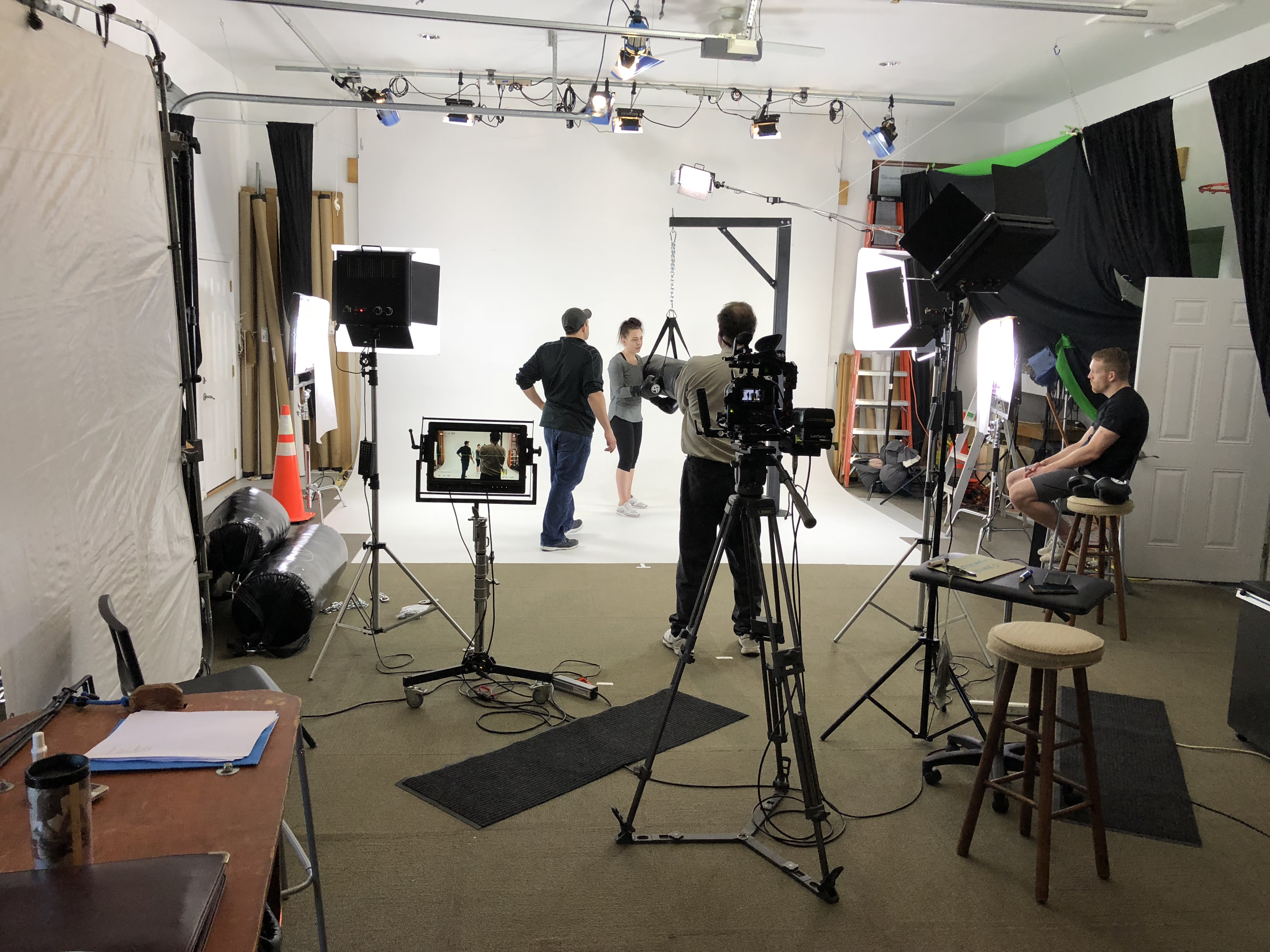
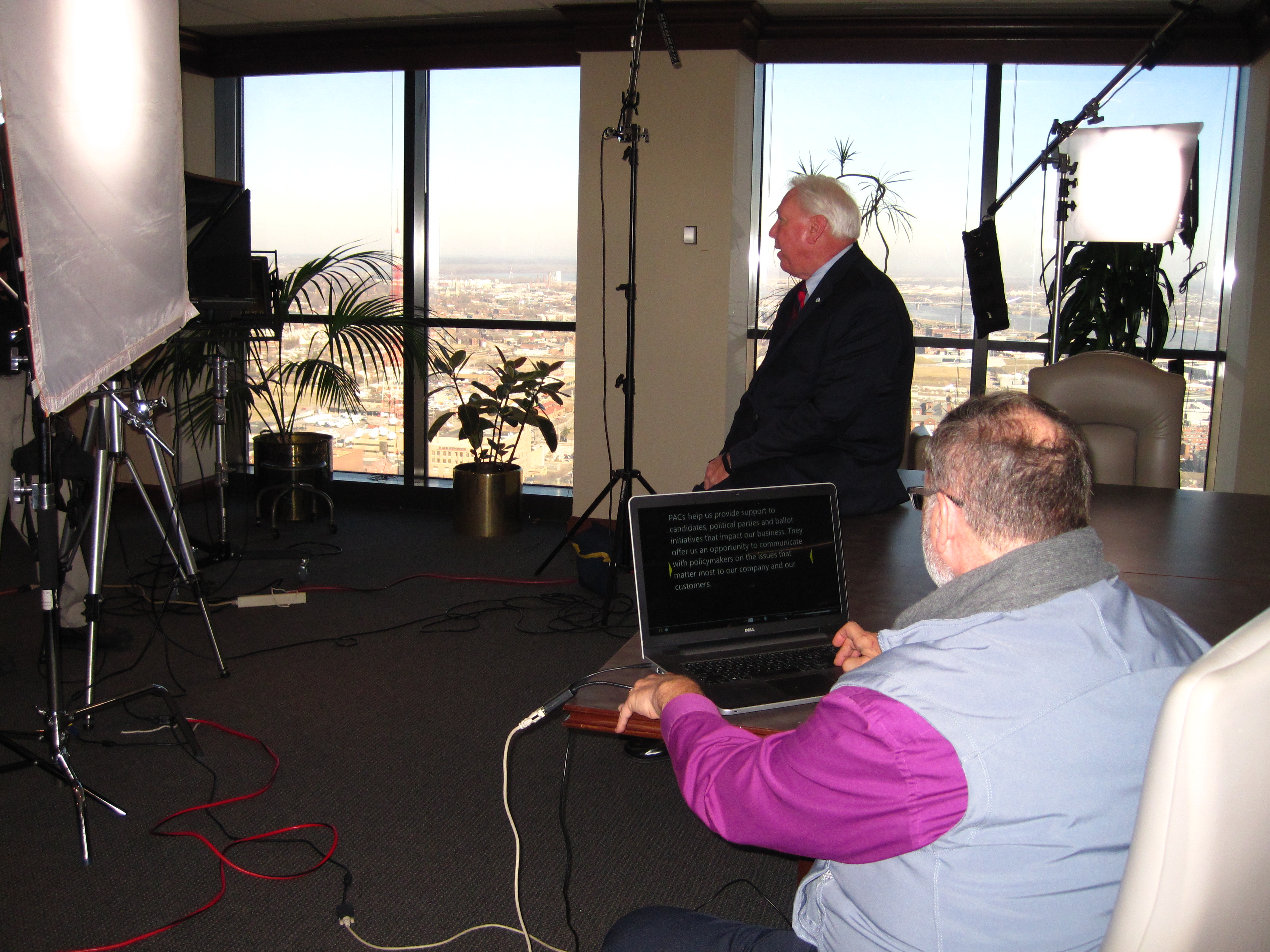
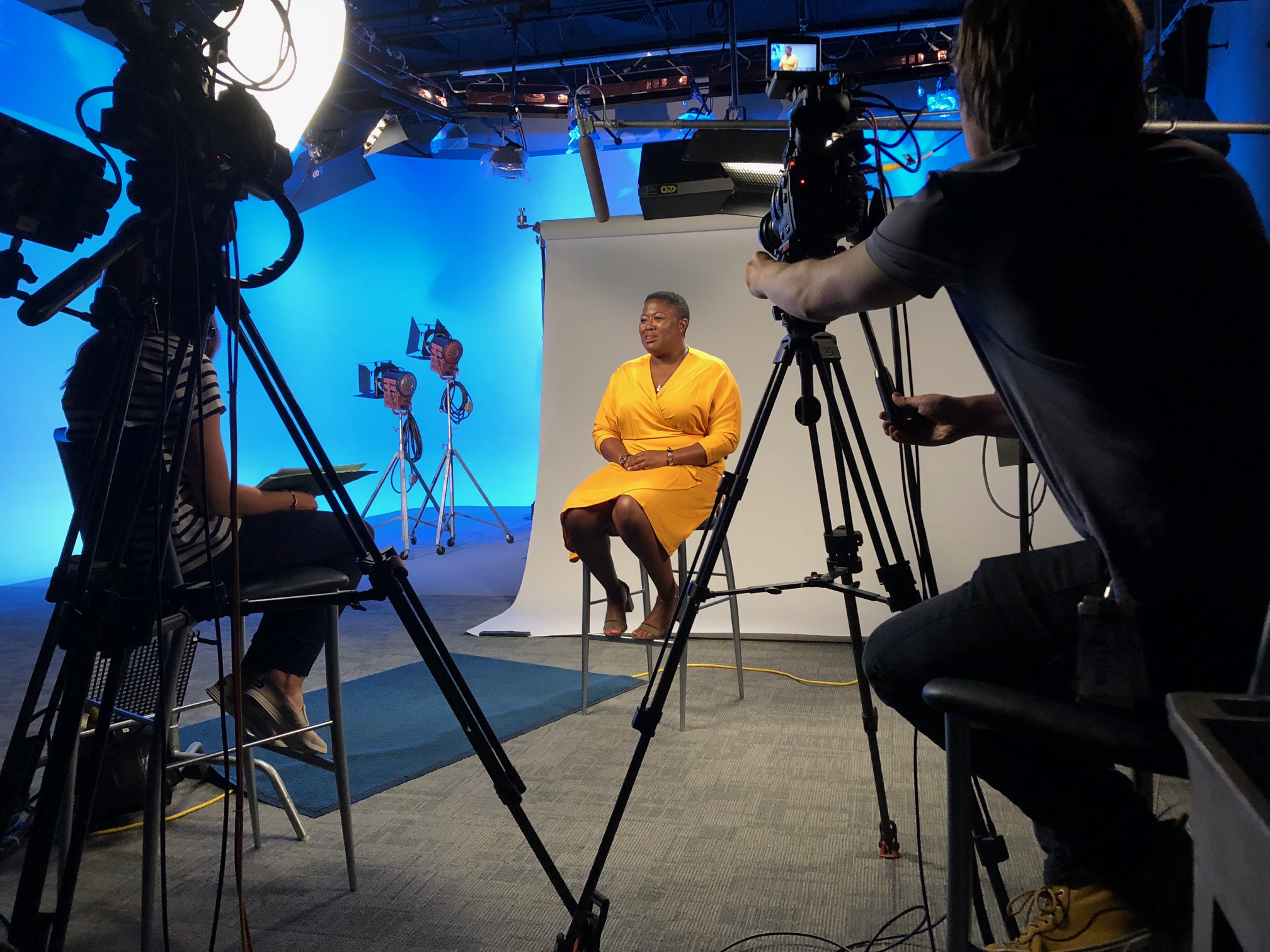
Full-Service Studio & Location Work: Whether you need us on-site or in our controlled environment, we deliver. Our private studio features professional lighting and a visual setup perfect for small productions and interview scenes. The space is large enough to incorporate significant props to round out your set.
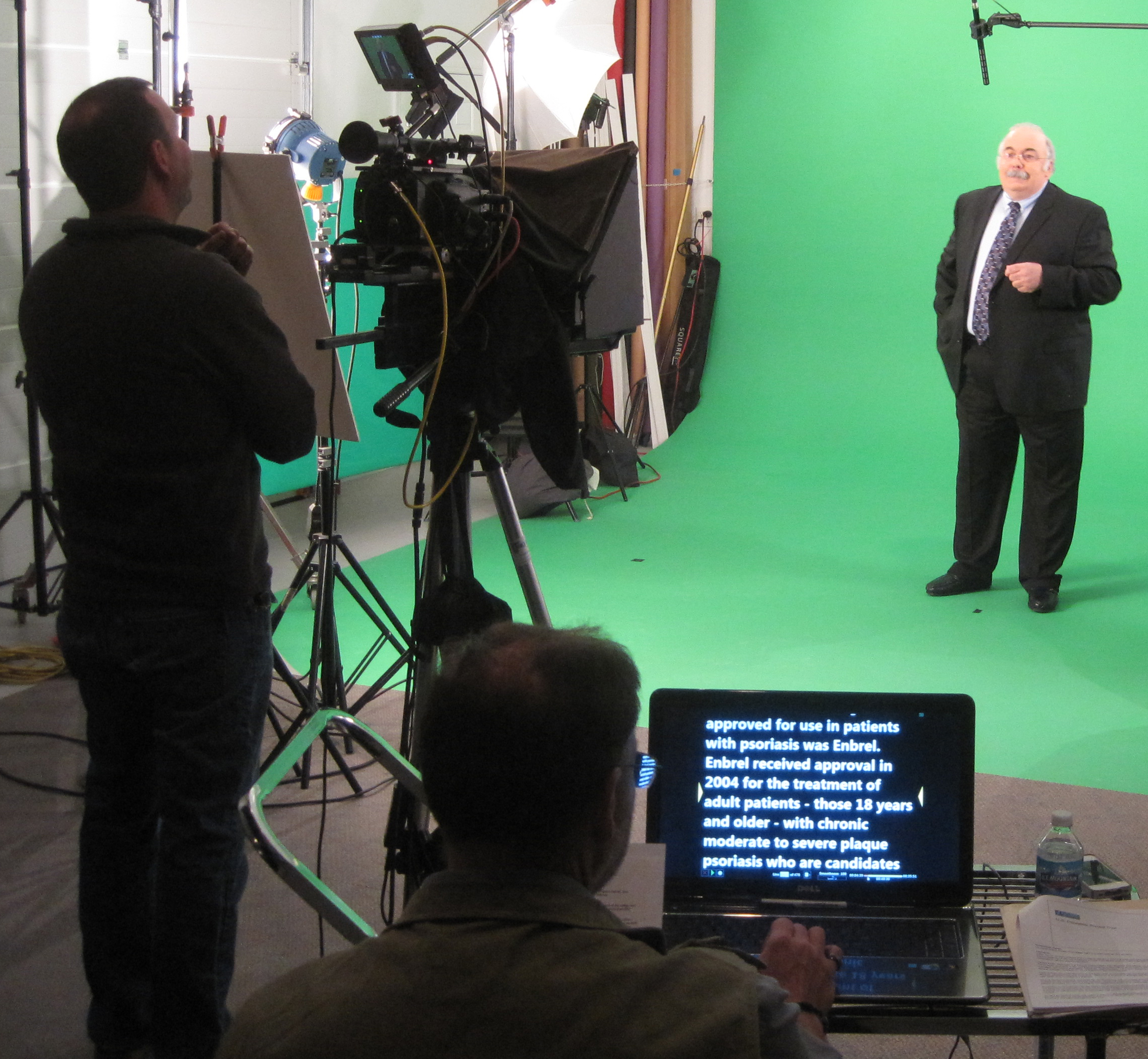
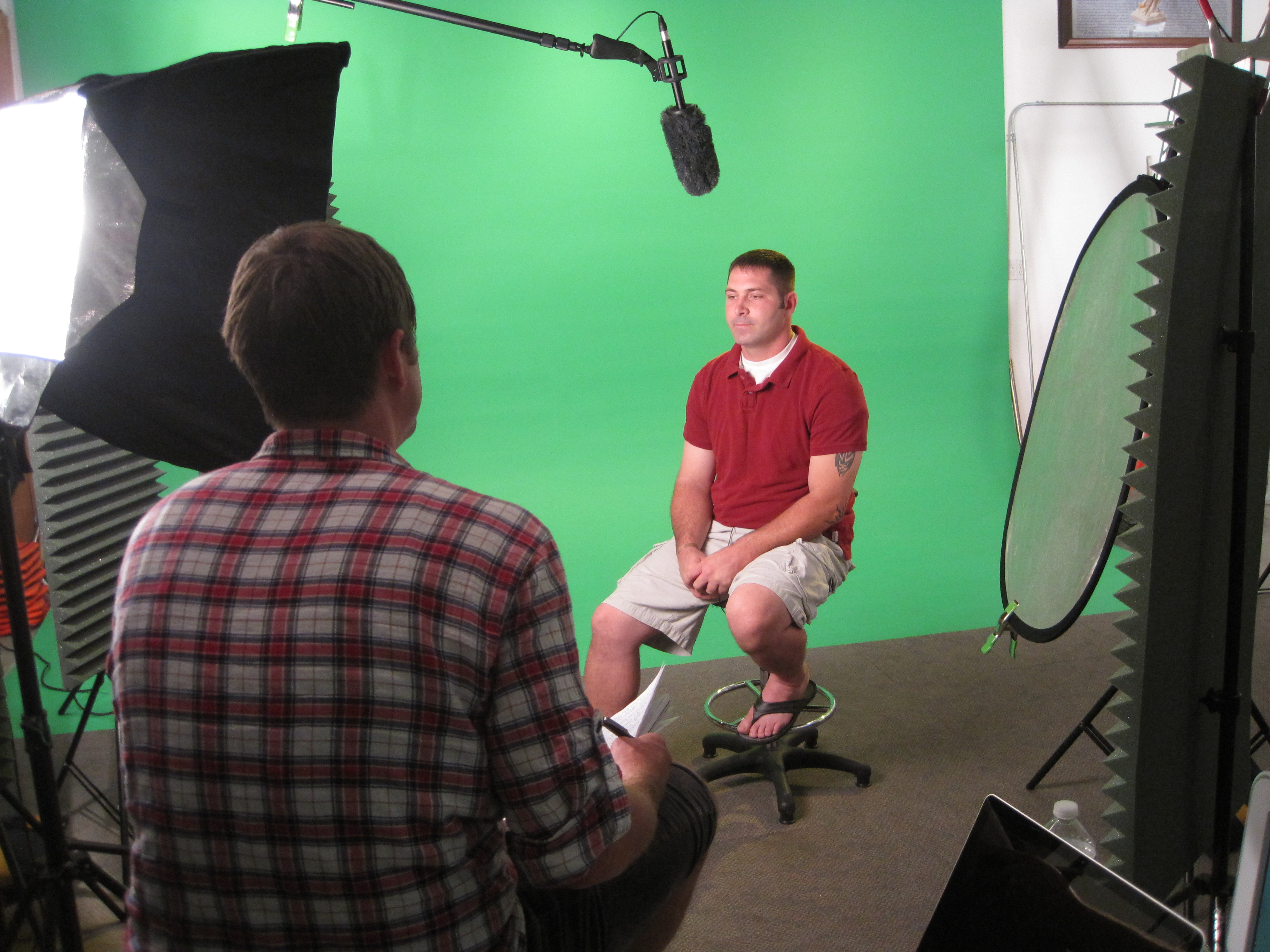
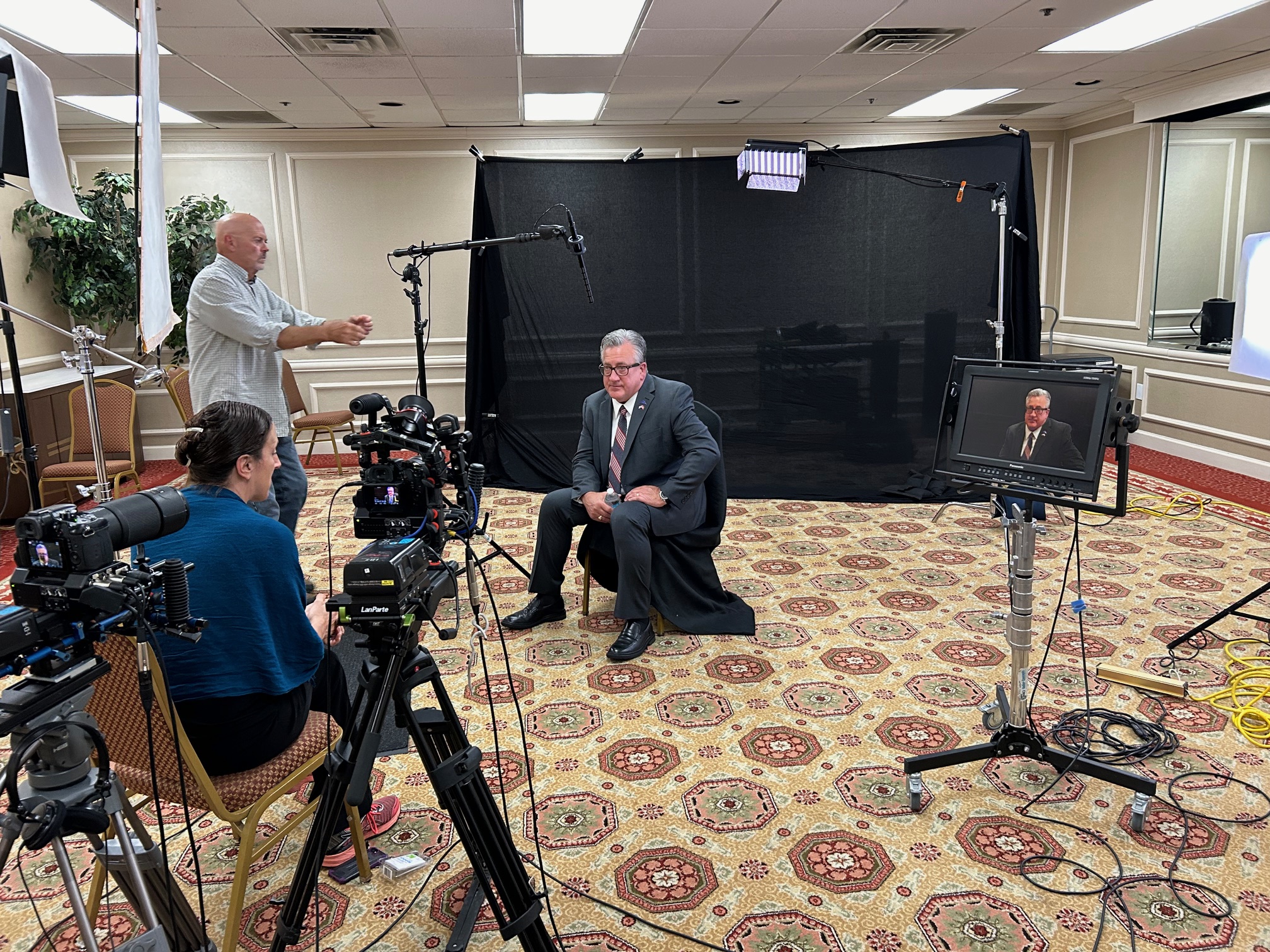
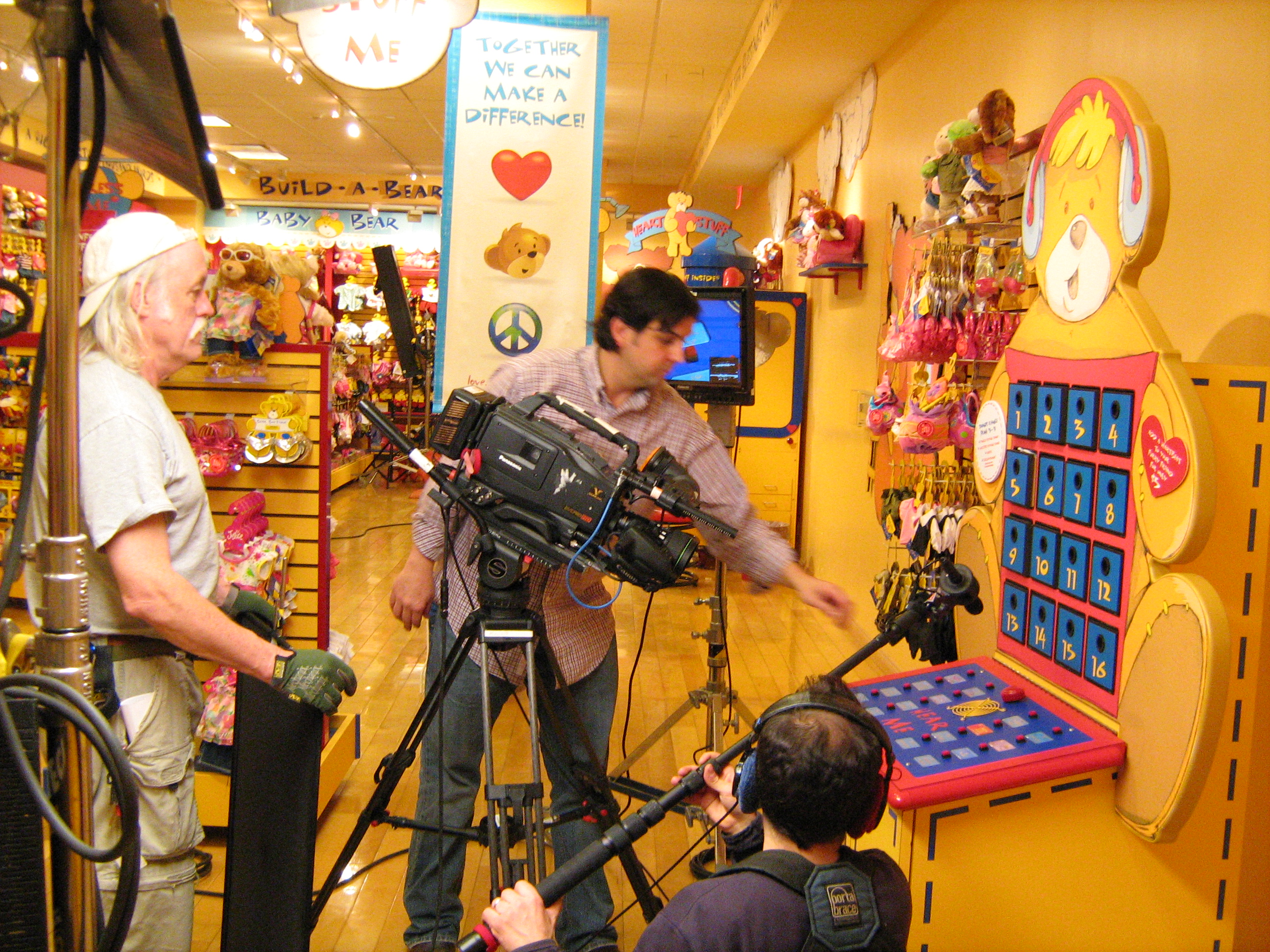
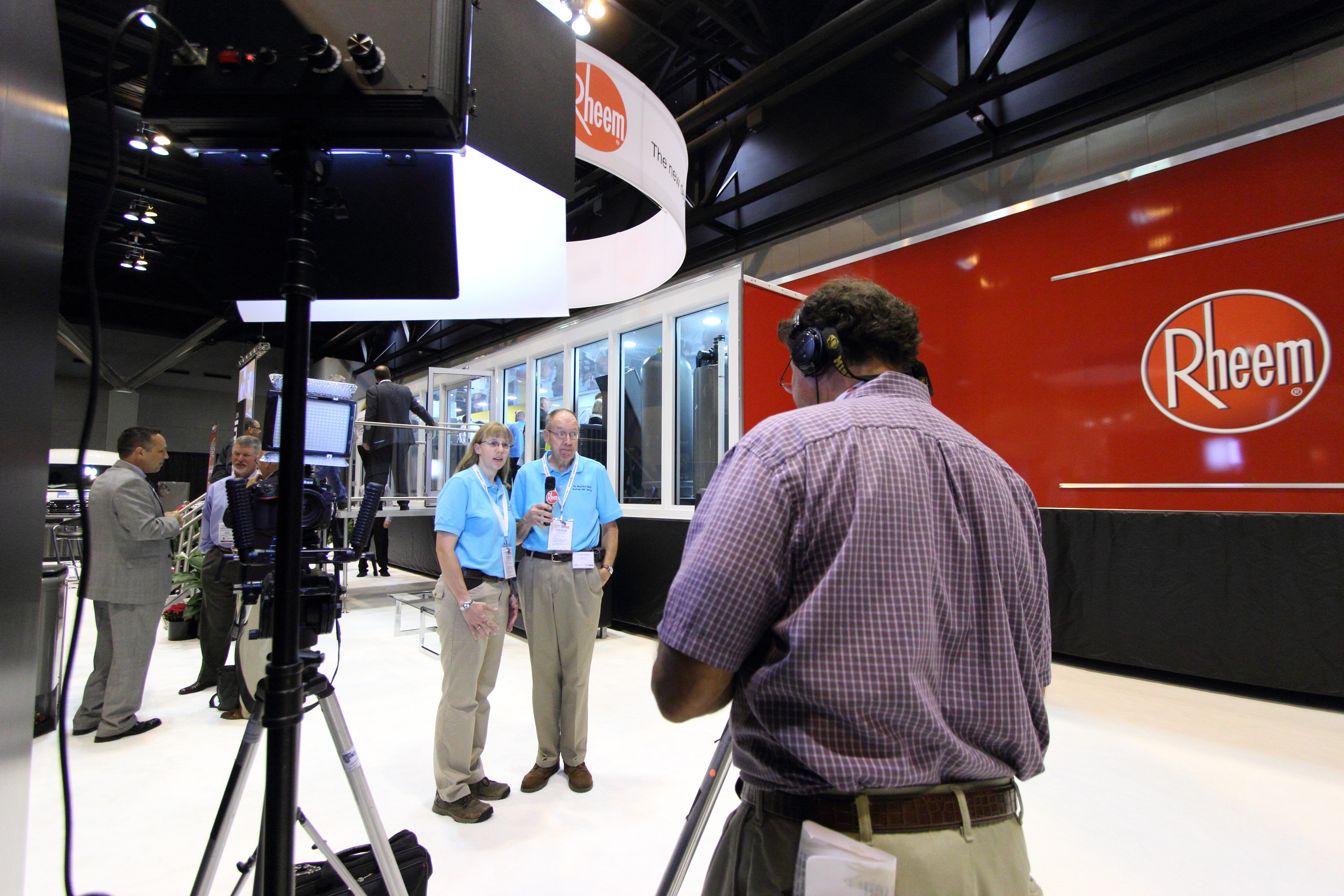
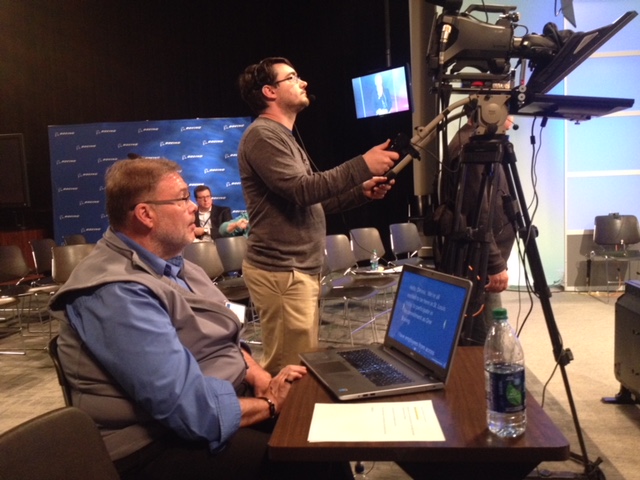
Advanced Video Production: We support every aspect of your production—from setting up a private, custom interview studio to supplying professional sound and camera operators.
Cutting-Edge Technology: We use the latest in Artificial Intelligence for all our media services and are well-versed in all file types and styles of media software.
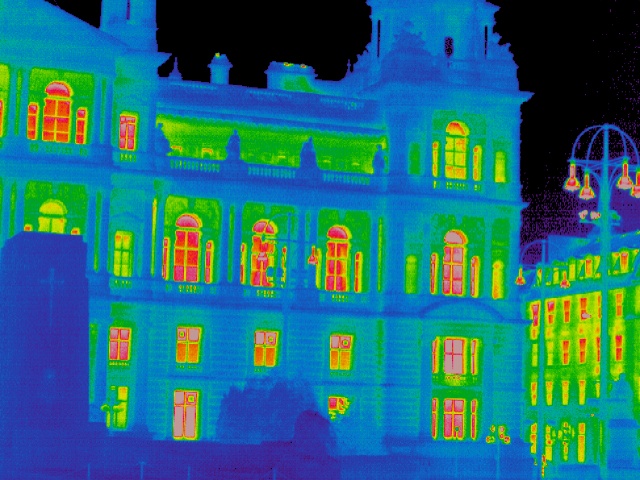
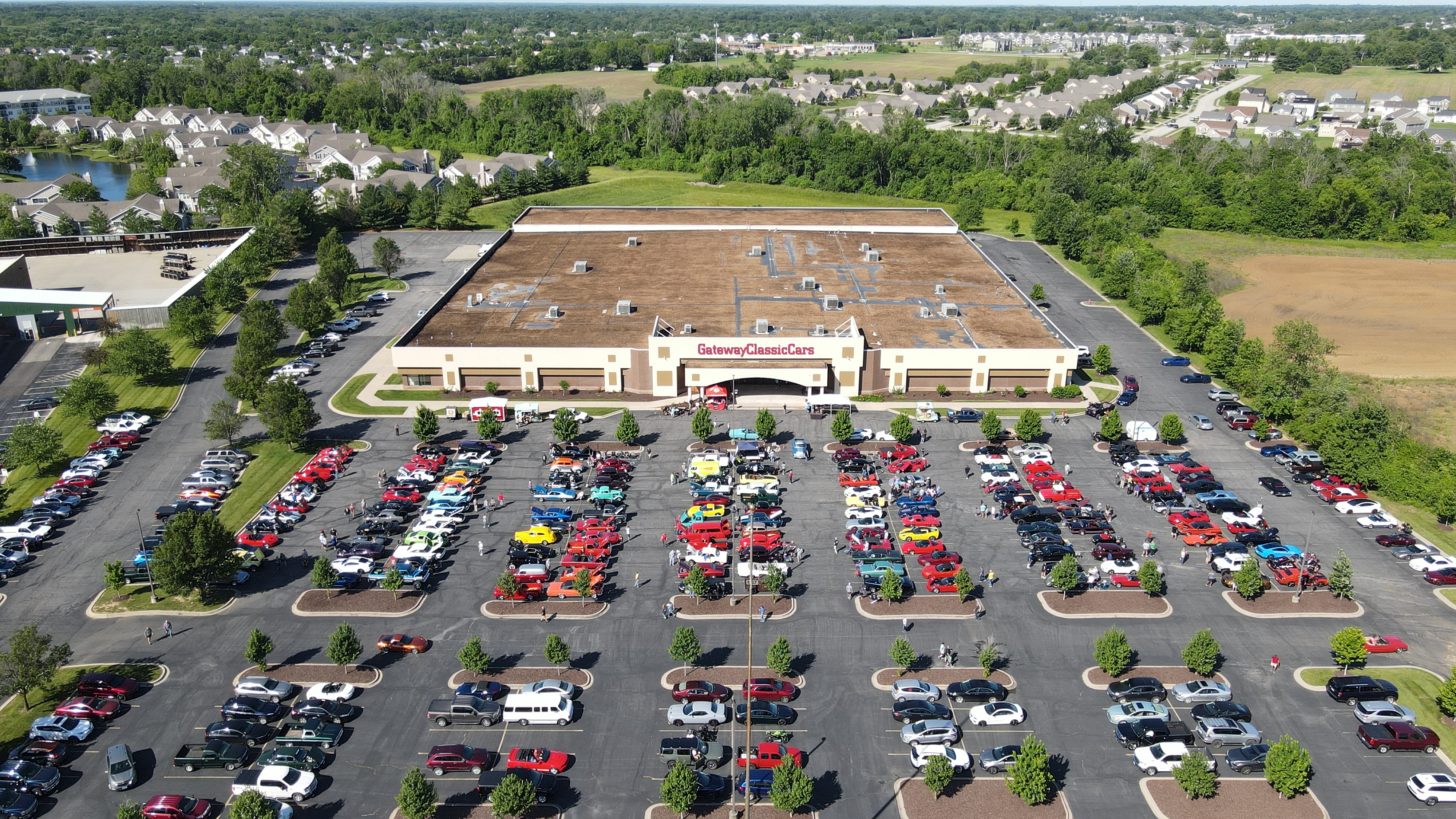
Specialized Aerials: Our team includes licensed drone pilots who can even fly specialized drones indoors to capture unique perspectives of your facility or event.
Post-Production Excellence: Our team handles all editing and post-production, specializing in repurposing your photography and video branding to ensure you get the most traction across diverse media requirements.
From the first light set to the final file delivery, St. Louis Photo Studio ensures your next production is seamless, successful, and strategically aligned with your brand.
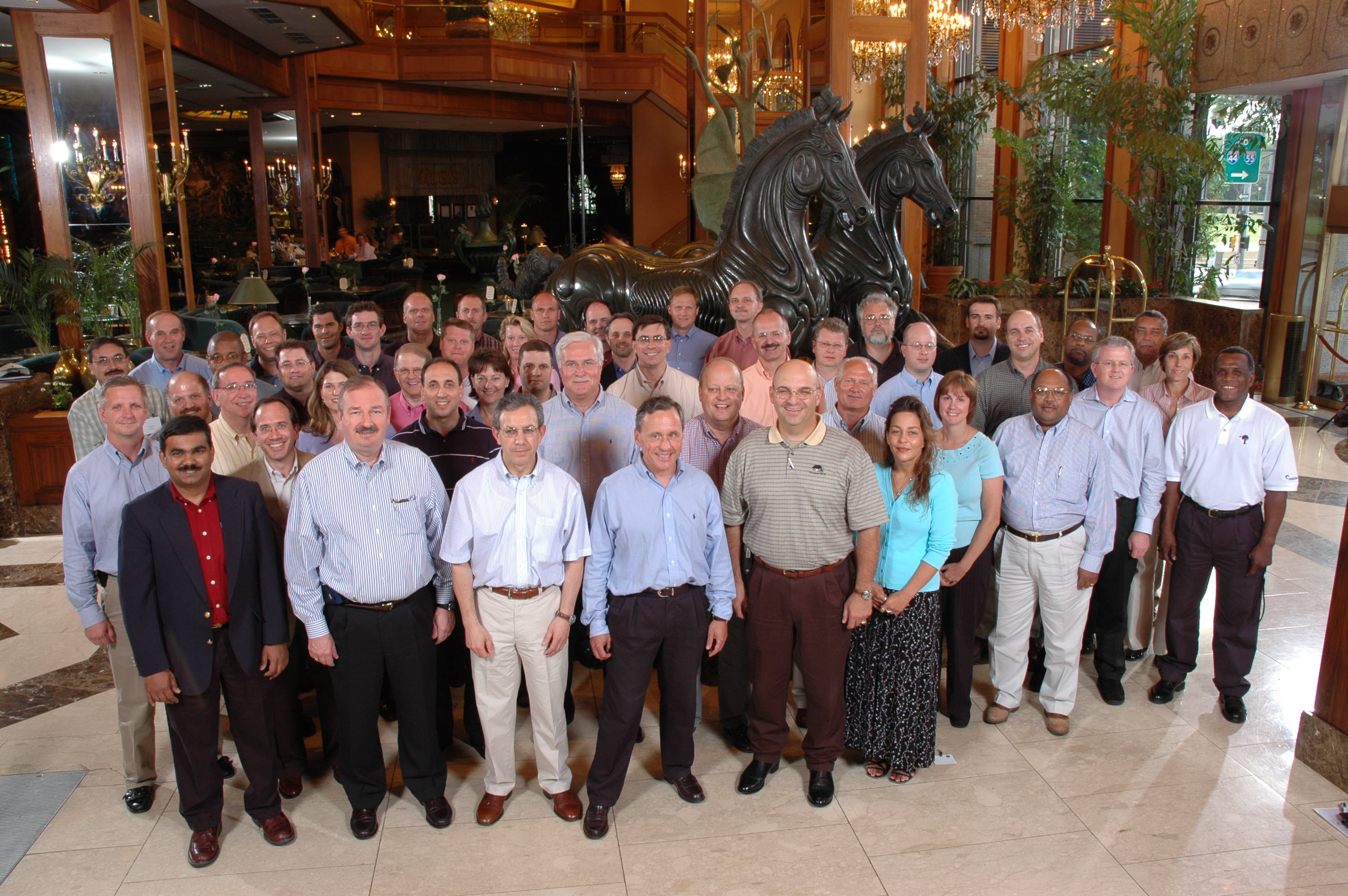
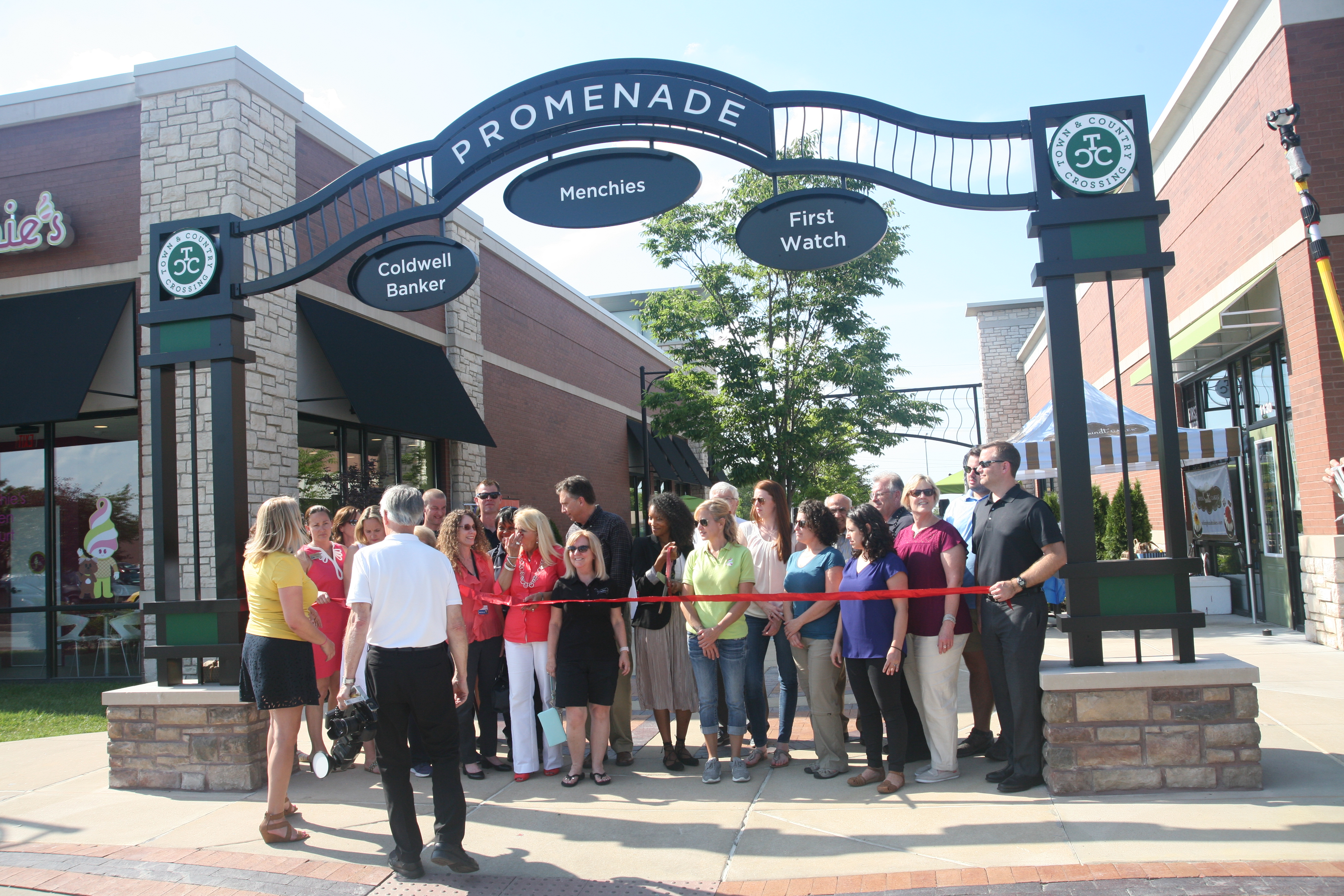
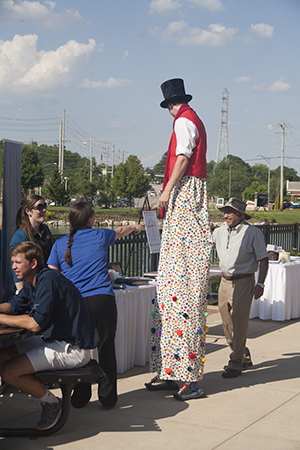
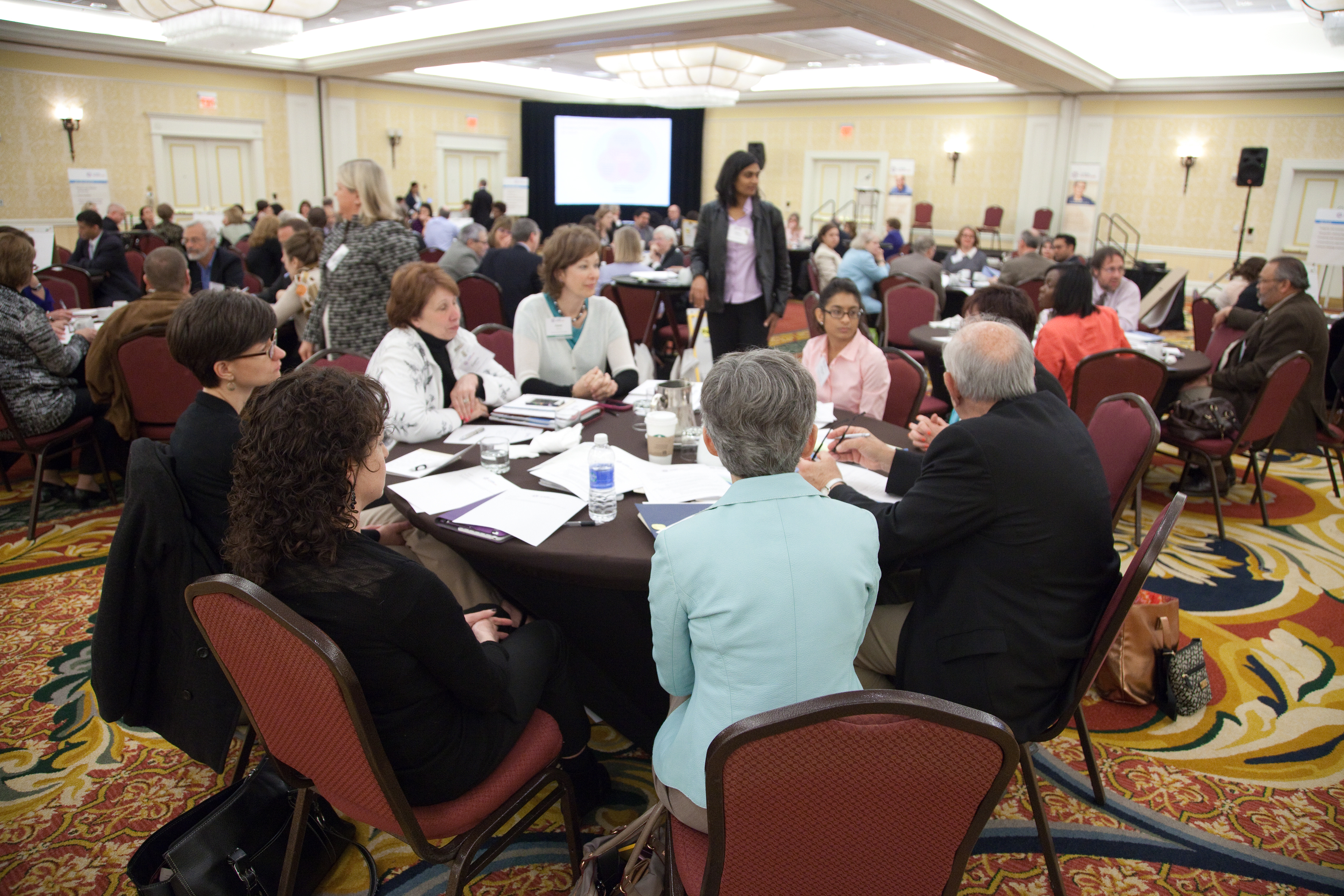
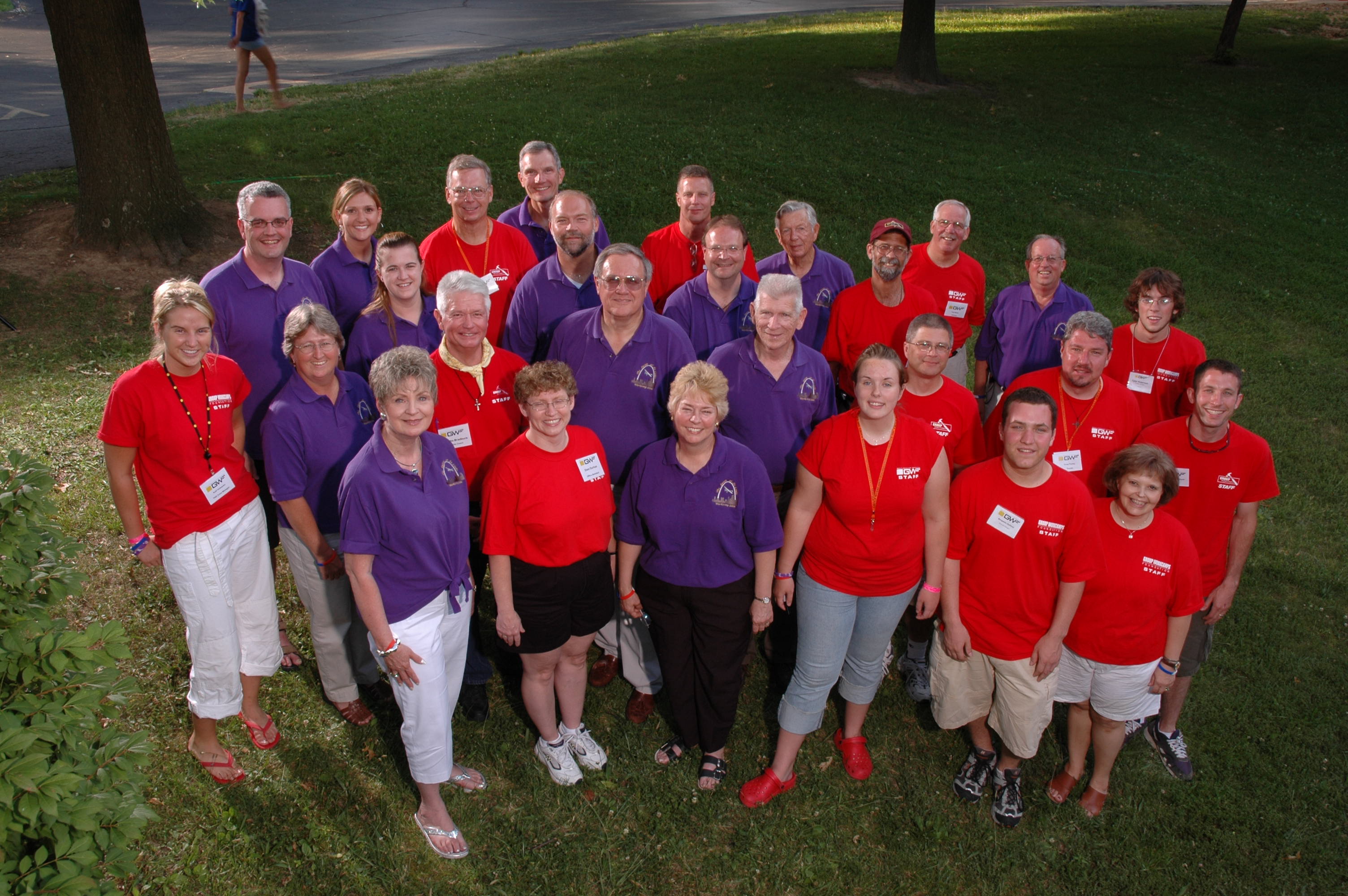
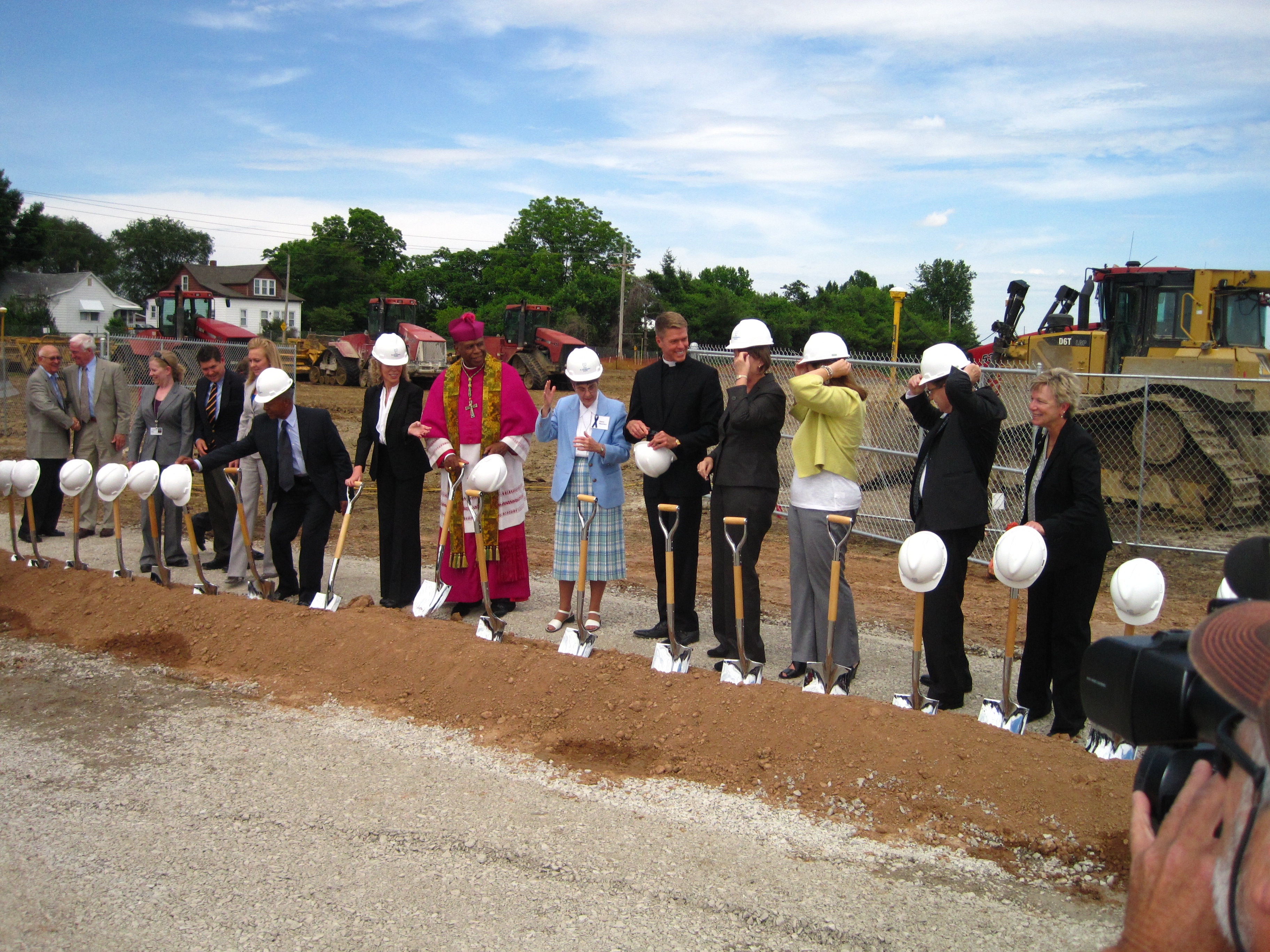
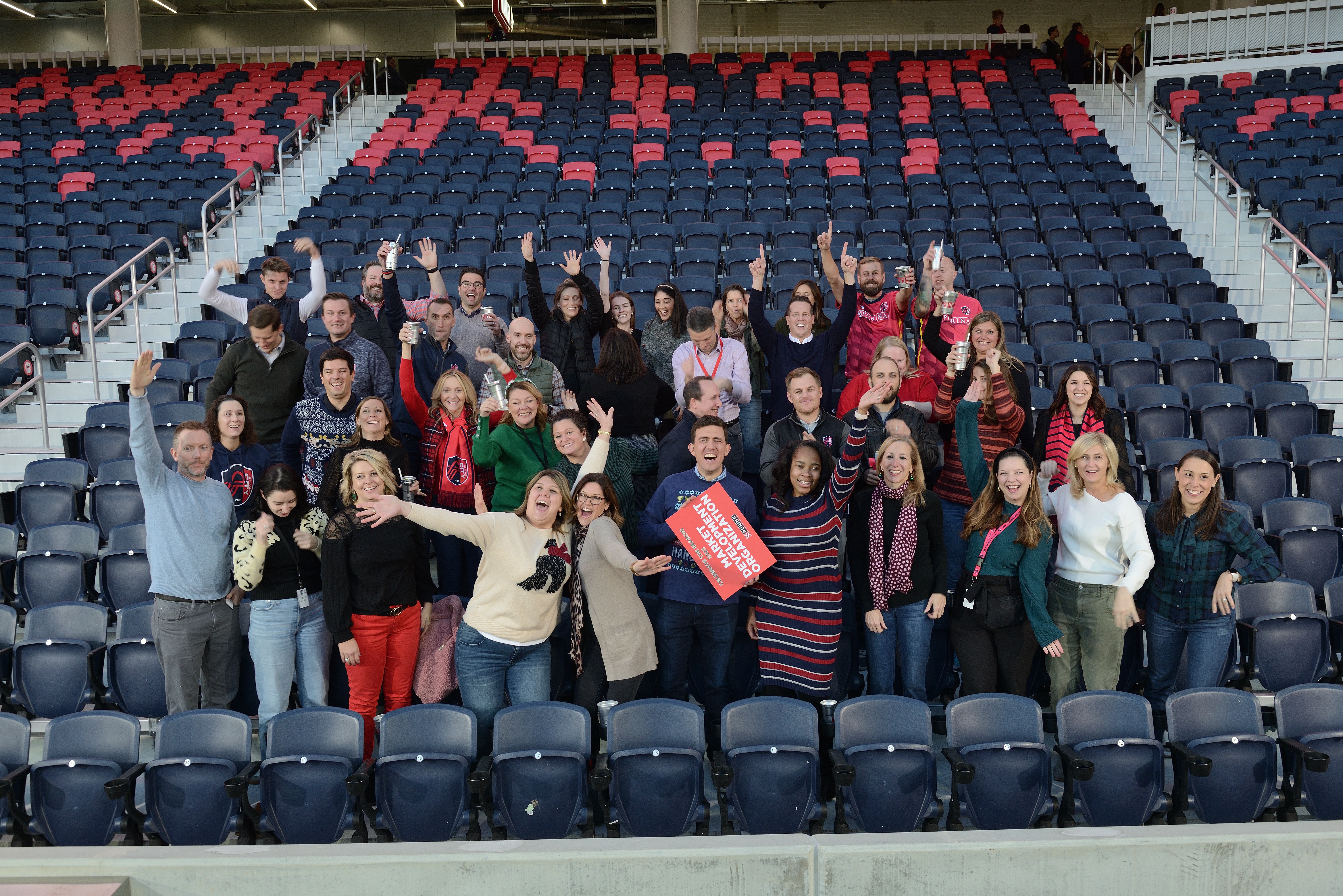
In a world where attention is scarce and trust is hard-won, event photography does more than document a moment—it manufactures brand proof. Whether it’s a product launch, investor day, internal summit, or client appreciation event, the right images validate your message, elevate perceived quality, and extend the life—and ROI—of the event far beyond the day itself. As a studio that’s produced event coverage for Fortune-level boardrooms and fast-moving growth teams alike, here’s how to think about event photos as strategic brand assets, not nice-to-have souvenirs.
1) Start with the business outcome, not the shot list
Before we touch a camera, we map images to outcomes. Common goals:
Demand gen & PR: hero images for press kits, sponsor visibility, stage presence
Recruiting & culture: authentic team interactions, leadership approachability, DEI moments
Investor relations: credibility, scale, and operational excellence through environmental shots
Sales enablement: product-in-context visuals for decks, proposals, and landing pages
Internal comms: town halls, awards, training modules, leadership Q&A
From that, we reverse-engineer the required visuals, access, and timing. The result is a purpose-built coverage plan—not a generic “we’ll capture everything.”
2) What great looks like: the anatomy of a high-performing event image
Website refresh: hero banners, culture pages, and interactive galleries
10) Why production experience matters
The difference between “we got pictures” and “we captured value” is workflow. Seasoned crews anticipate timing shifts, handle mixed lighting without hesitation, manage VIP expectations, and deliver usage-ready files for every channel. That operational maturity shows up directly in speed, polish, and results.
About St Louis Photo Studio
St Louis Photo Studio is a full-service professional commercial photography and video production company with the right equipment and creative crew experience for successful image acquisition. We offer full-service studio and location video and photography, as well as editing, post-production and licensed drone pilots. St Louis Photo Studio can customize your productions for diverse types of media requirements. Repurposing your photography and video branding to gain more traction is another specialty. We are well-versed in all file types and styles of media and accompanying software. We use the latest in Artificial Intelligence for all our media services. Our private studio lighting and visual setup is perfect for small productions and interview scenes, and our studio is large enough to incorporate props to round out your set. We support every aspect of your production—from setting up a private, custom interview studio to supplying professional sound and camera operators, as well as providing the right equipment—ensuring your next video production is seamless and successful. We can fly our specialized drones indoors. As a full-service video and photography production corporation since 1982, St Louis Photo Studio has partnered with businesses, marketing firms, and creative agencies across the St. Louis area for their marketing photography and video.
When planning a successful event, whether it’s a corporate gathering, conference, or a product launch, ensuring you capture every important moment is crucial. Having a shot list in place is the best way to organize and prioritize the key moments of your event that need to be photographed or filmed. A well-planned shot list not only ensures that all important aspects of your event are covered, but it also ensures that your photography and video production team works efficiently, delivering stunning, high-quality results.
A good shot list includes both the timing of the event and the shots that should be taken at each stage. Be mindful of overlapping moments to avoid missing key shots.
In this post, we will walk you through how to create an effective shot list, which will help your production team deliver exactly what you need.
1. Define the Purpose and Goals of Your Event Coverage
Before you start creating a shot list, it’s important to clarify the purpose of your event. Are you aiming for corporate branding shots, capturing a keynote speaker, or documenting a networking session? The goal will guide the types of shots you prioritize.
Corporate Branding: Focus on high-quality, professional shots of your venue, attendees, and staff, emphasizing your brand’s identity.
Networking Sessions: Look for candid moments where attendees are interacting and forming relationships.
Keynote Speakers: You’ll want clear, dramatic shots of the speaker with audience engagement.
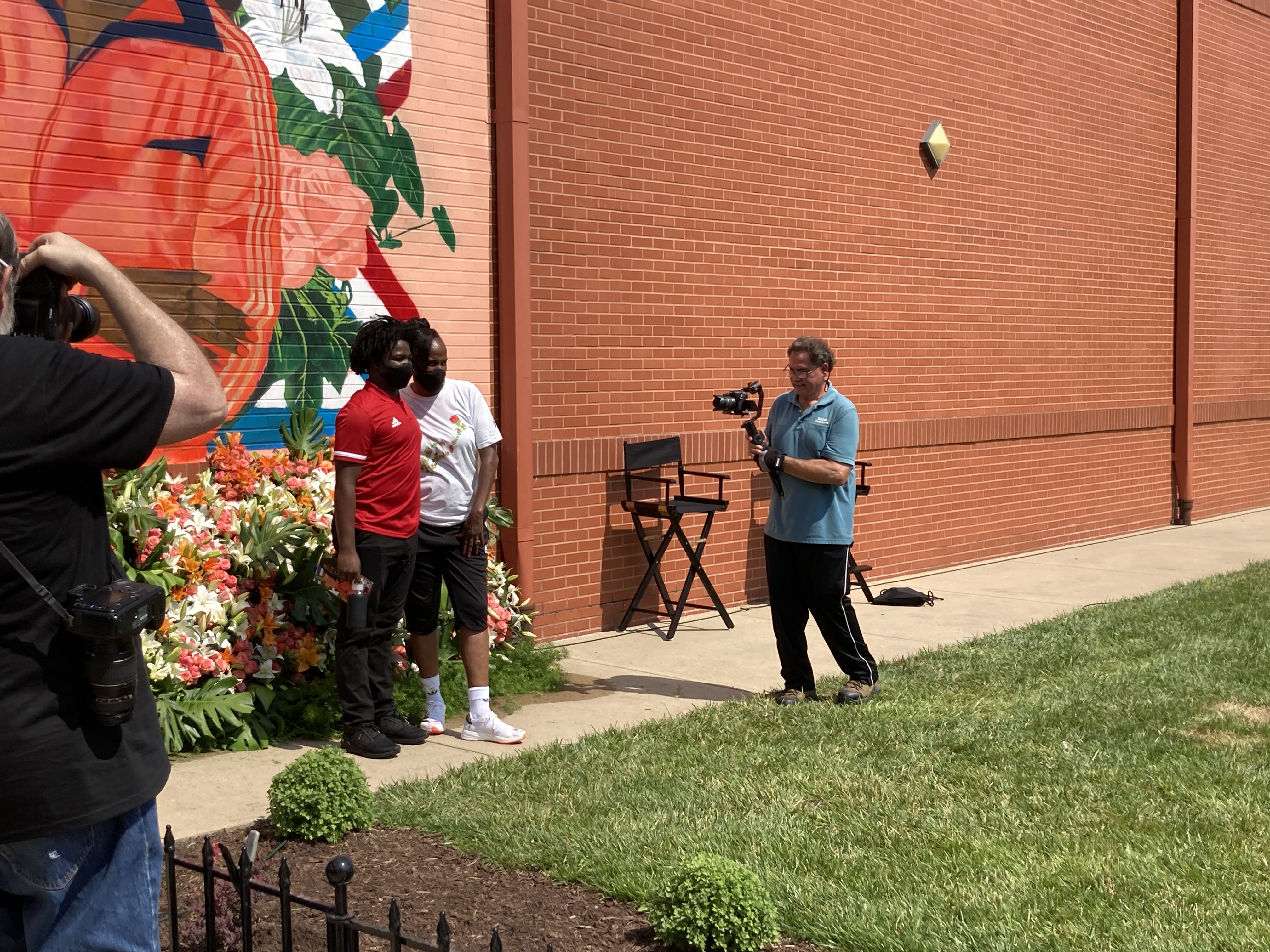
Behind-the-Scenes: Capture your team preparing and setting up for the event.
2. Create Categories Based on Your Event
Divide your event into distinct categories so that you don’t overlook any aspect of it. Here are some common categories you might want to include:
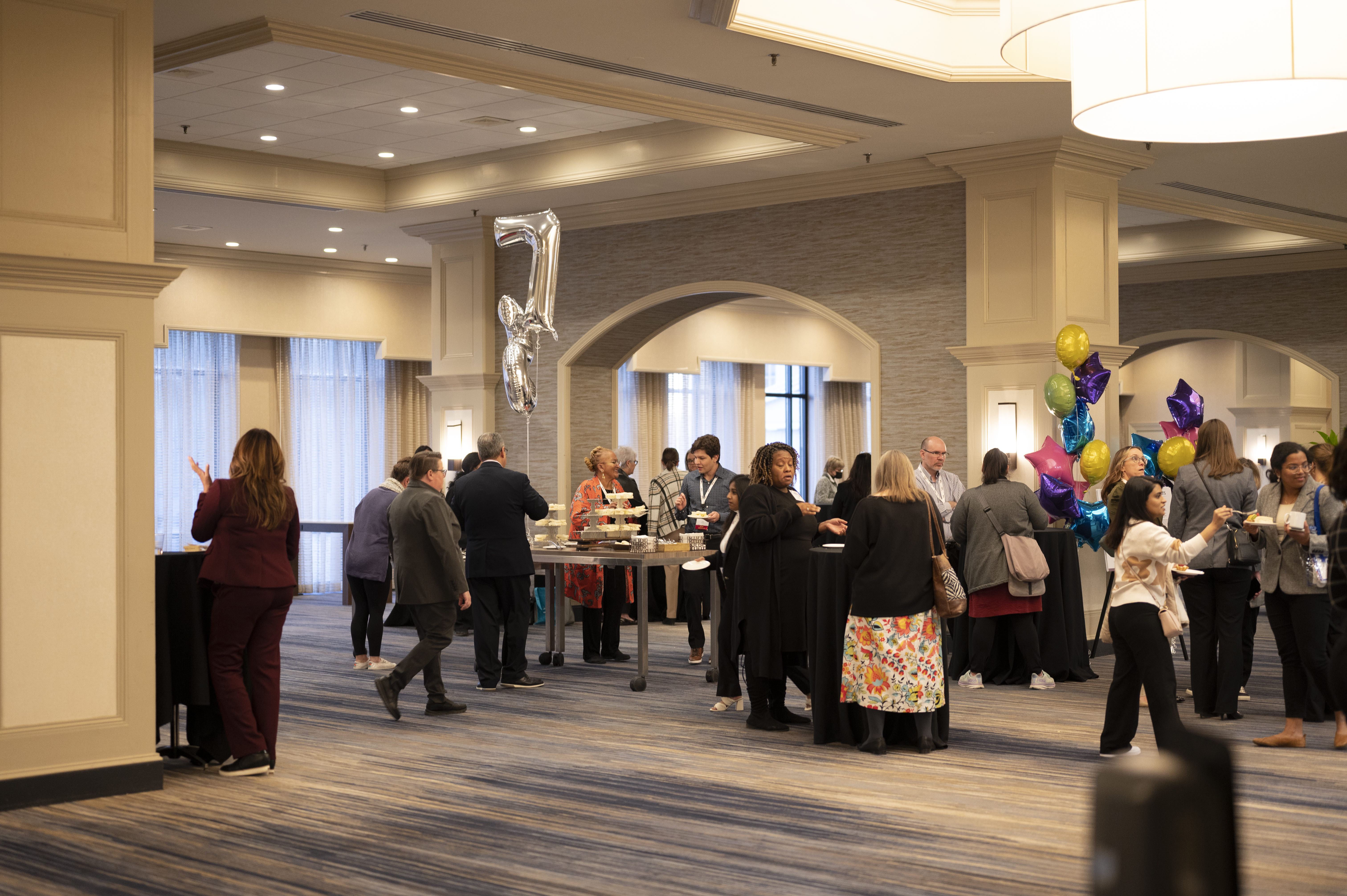
Venue and Décor: Wide shots of the venue and close-ups of décor elements that emphasize the atmosphere.
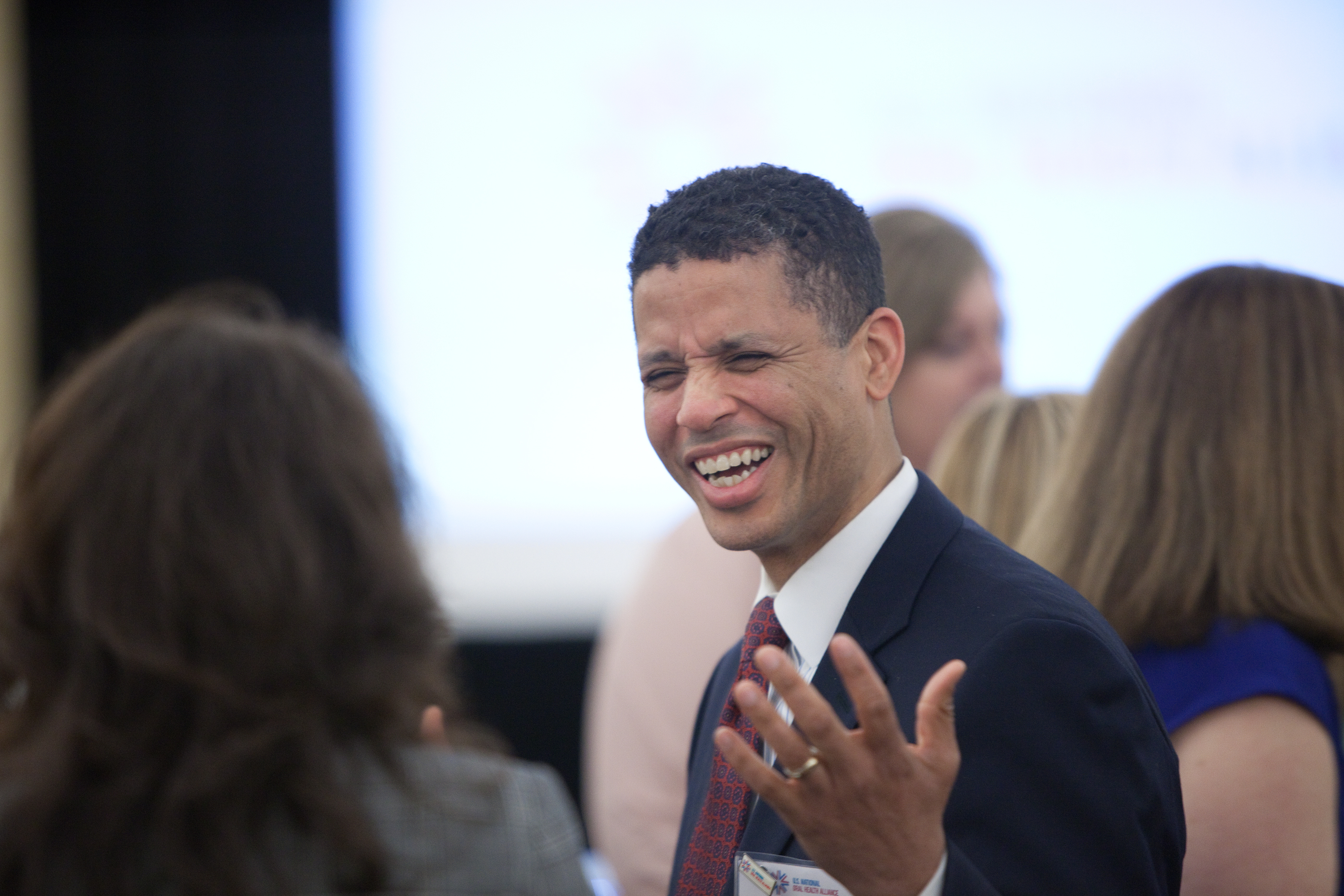
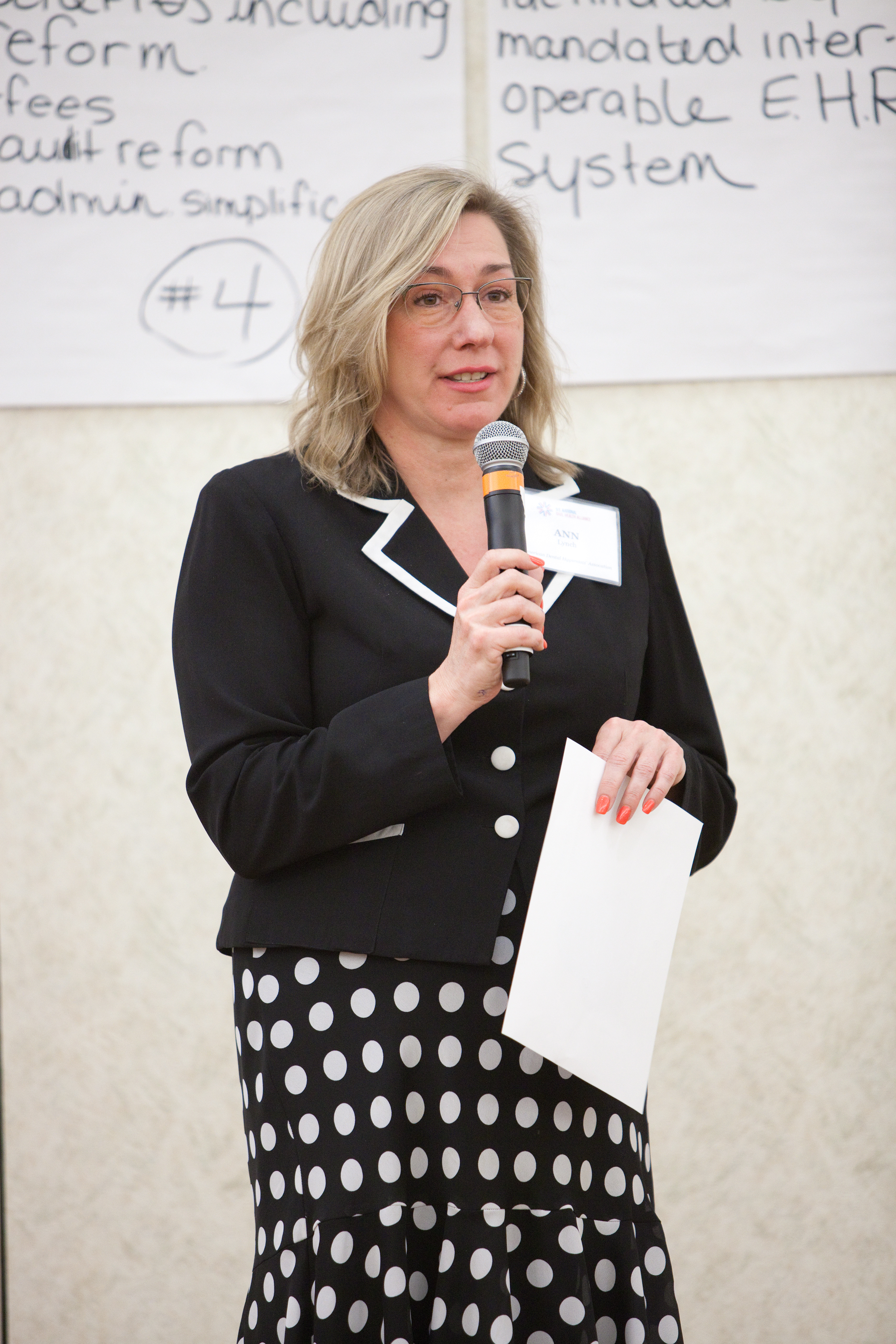
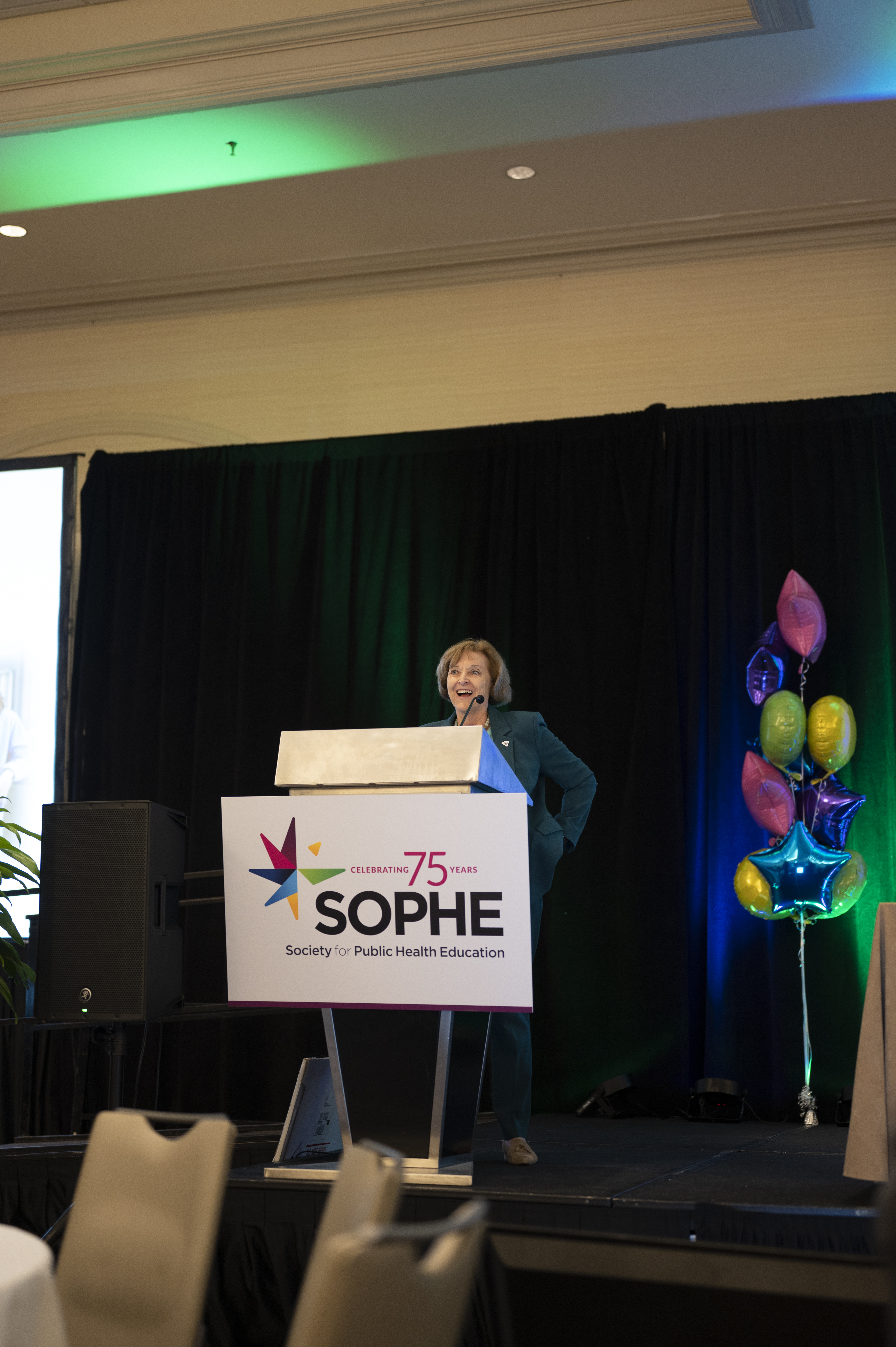
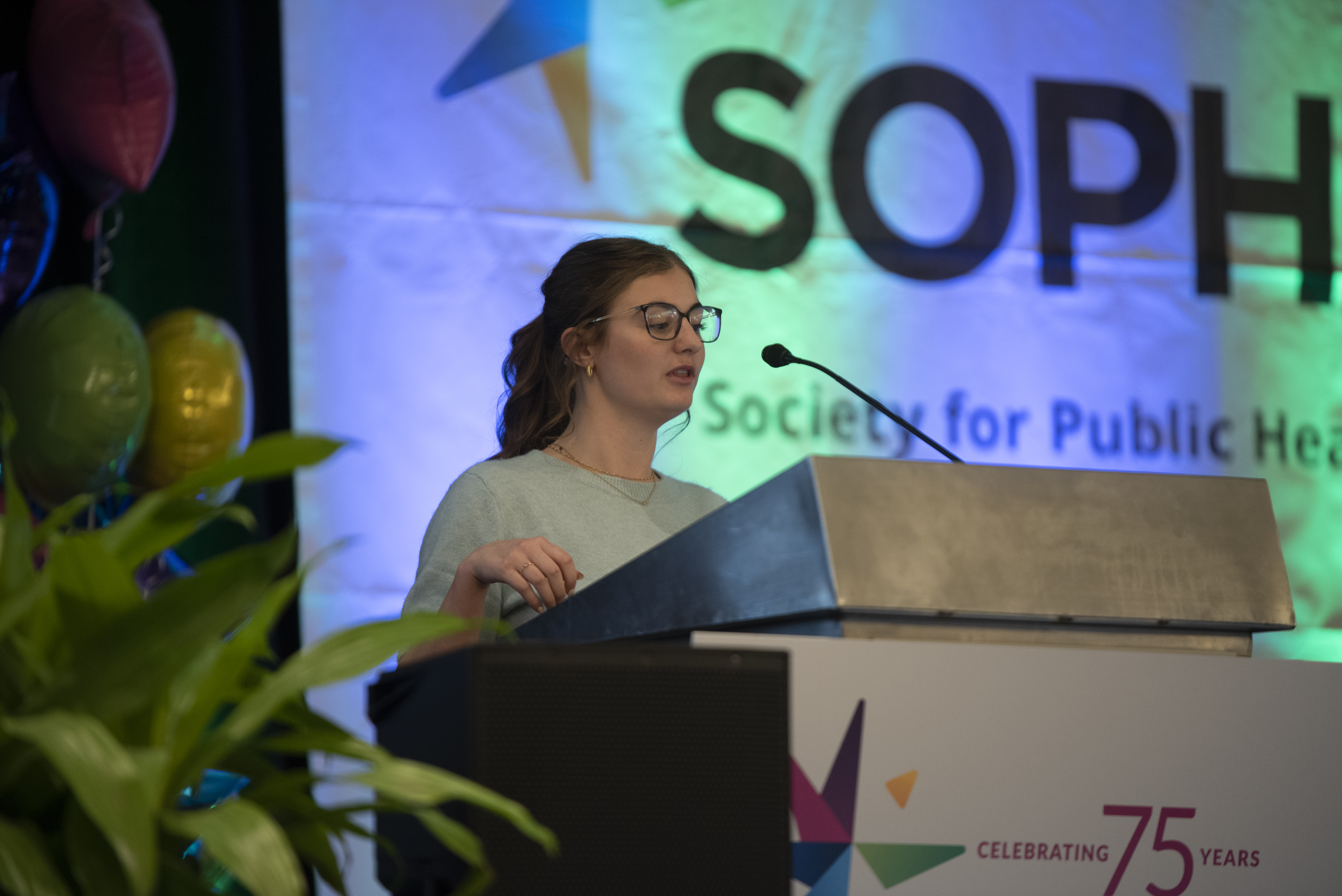
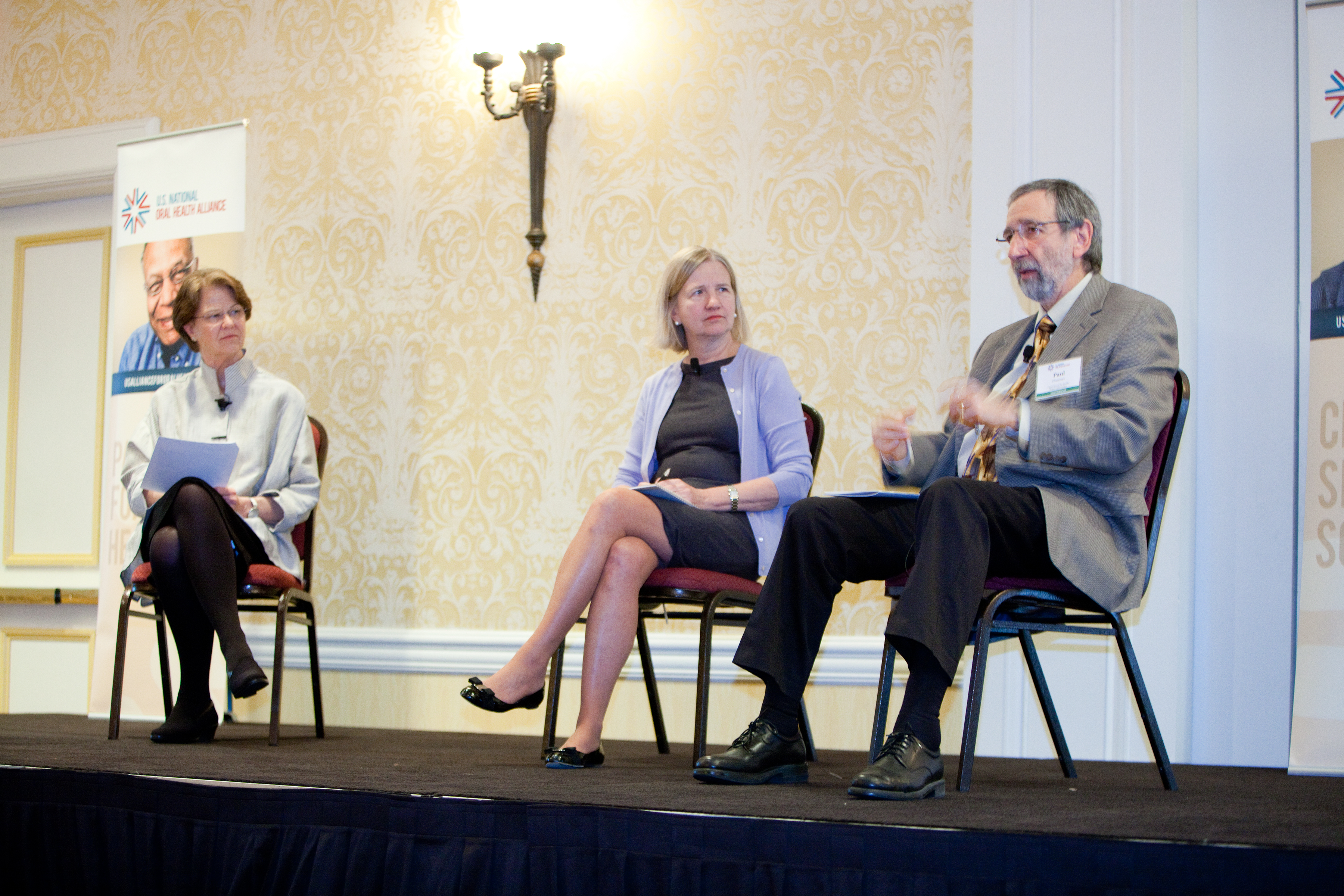
Speakers and Presentations: Candid and posed shots of the speakers in action, including close-ups of their expressions and interactions with the audience.
Audience Engagement: Capturing audience reactions and participation helps to tell the full story.
Networking and Social Interactions: These shots include people chatting, networking, and enjoying your event.
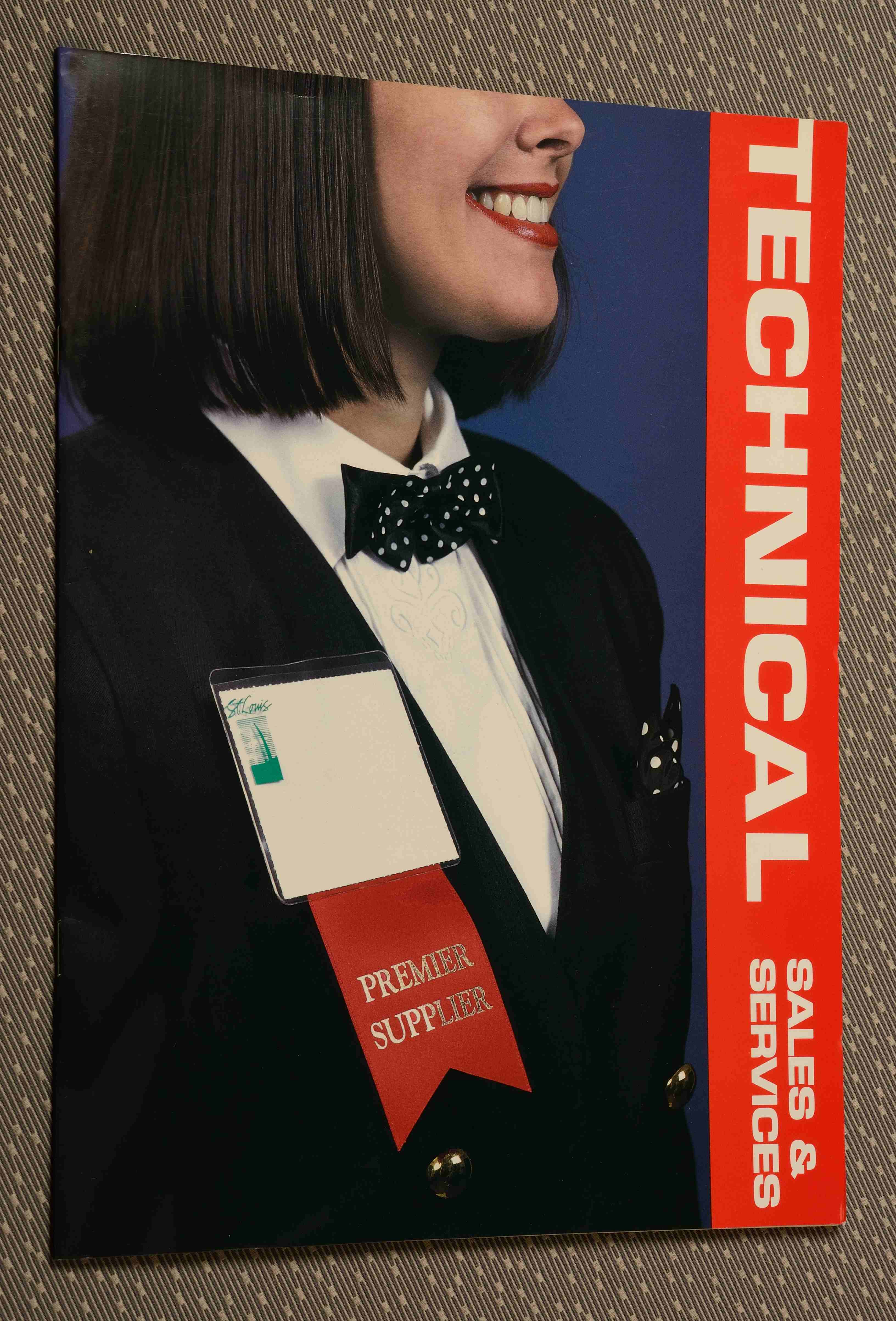
Details: Close-ups of event signage, badges, handouts, or product displays.
3. Plan the Timing of Key Shots
Understanding the schedule of the event will help you plan the timing of your shots. For example, during a conference, you will want to capture the opening speech, lunch, breakout sessions, and any awards ceremony. A good shot list includes both the timing of the event and the shots that should be taken at each stage. Be mindful of overlapping moments to avoid missing key shots.
4. Assign Roles to Your Production Team
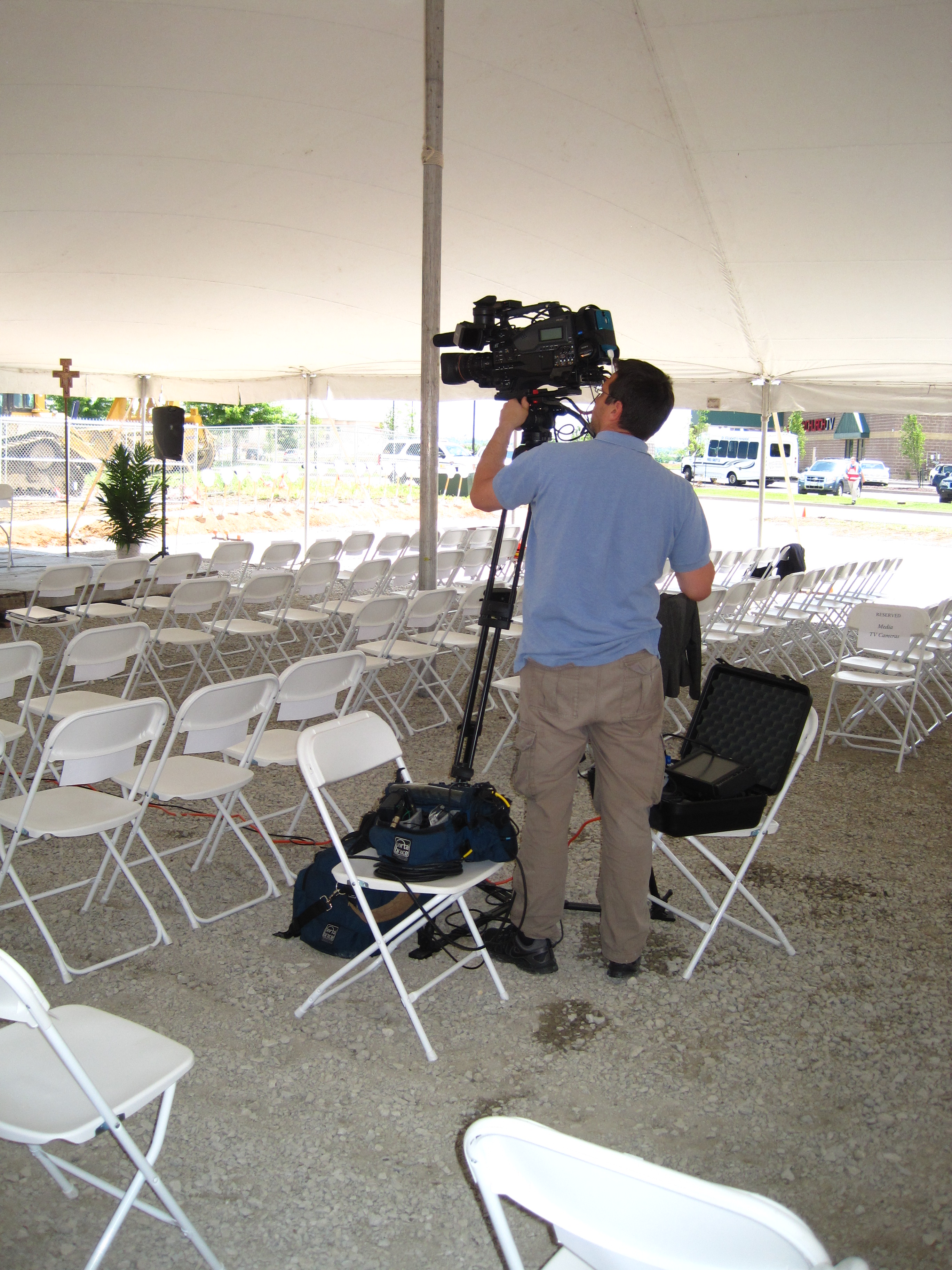
Ensure you have the right people in the right places at the right times. Assign specific roles to your camera operators and photographers based on the shot list, ensuring each person knows exactly where they need to be and what they need to focus on. This coordination is critical to avoiding missed moments and ensuring smooth coverage.
Camera Operators: Capture wide-angle shots, close-ups, and other details as required.
Photographers: Focus on candid moments, group shots, and posed photos.
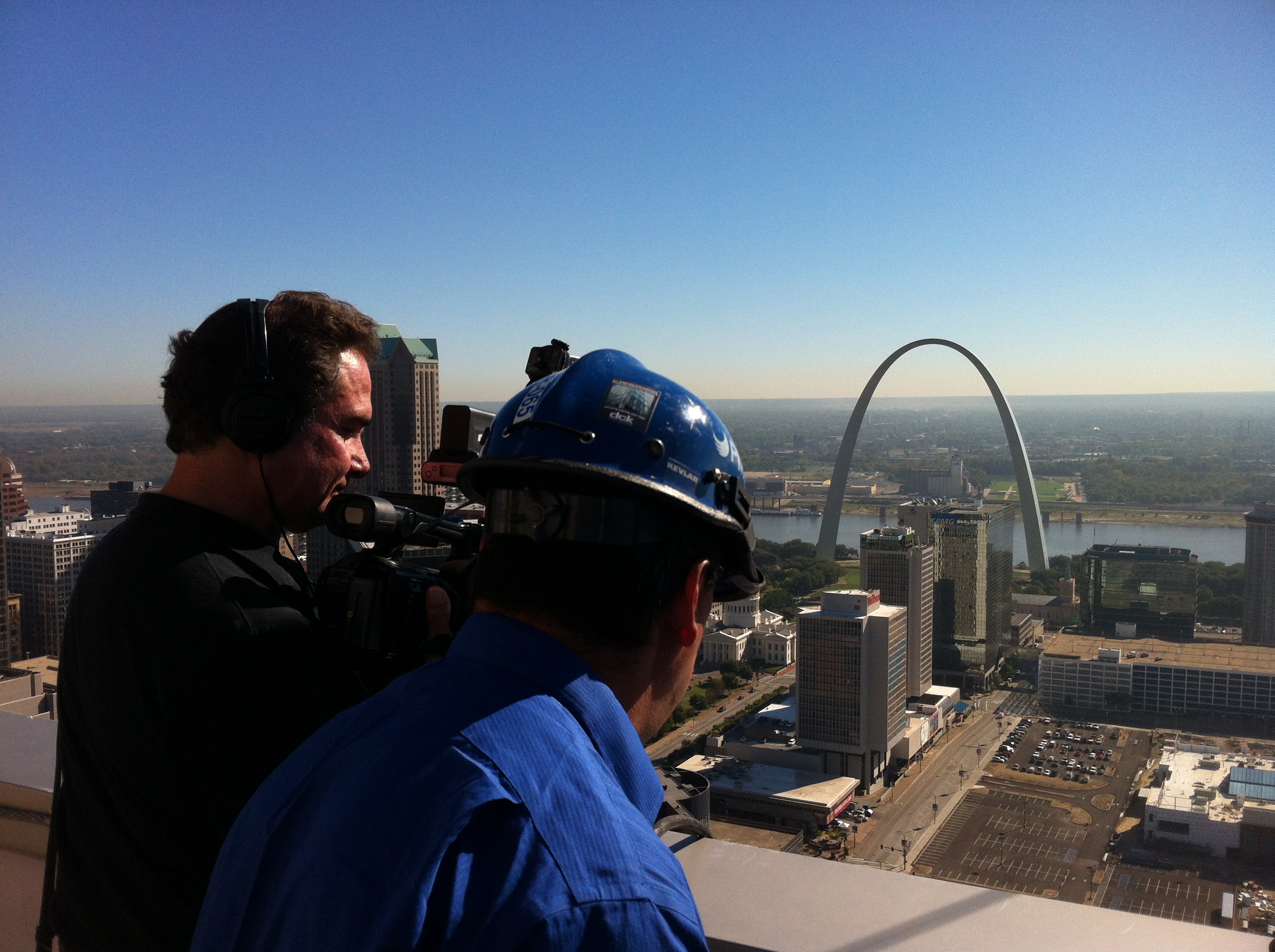
Drone Operators: For large events, drones can offer a unique perspective, especially when flying indoors in larger spaces.
5. Organize Shots by Priority
Not all shots are created equal, and it’s essential to prioritize which shots are most important for your event. Assign a priority level to each shot: high, medium, and low. Your high-priority shots should be captured first, ensuring the most critical moments of the event are well-documented. Low-priority shots are backups or opportunities that can be captured during downtime.
6. Adapt the Shot List for Your Venue and Event Style
If your event has a unique venue, such as a large convention center, a rooftop, or an intimate venue, adapt your shot list to account for the location’s specific characteristics. Consider factors such as lighting, angles, and crowd size when determining what shots will be best for your venue.
7. Be Flexible and Ready for the Unexpected
While having a shot list is essential for a smooth production process, always remain flexible to accommodate unexpected moments. These could be spontaneous reactions, last-minute guest arrivals, or unplanned events that might make for memorable photos and video clips.
How St. Louis Photo Studio Can Help
At St. Louis Photo Studio, we understand how important it is to get the perfect shot at your event. As an experienced full-service professional commercial photography and video production company, we have the right equipment and creative crew to ensure the success of your production.
We specialize in studio and location video and photography for all types of events. Whether it’s corporate events, networking sessions, or product launches, we can customize your production to meet your unique needs. Our team is well-versed in all file types and media styles, and we are proficient in using the latest software to ensure your content is optimized for your desired platforms.
Our private studio lighting and visual setups are ideal for small productions and interview scenes. If you need something larger, our studio space is ample enough to incorporate props and provide the perfect backdrop for your production.
From a custom interview studio setup to providing sound and camera operators, we handle every aspect of your video production. We can even fly specialized drones indoors, offering you dynamic aerial shots of your event.
Since 1982, St. Louis Photo Studio has worked with many businesses, marketing firms, and agencies in the St. Louis area. Our team of experts is committed to creating high-quality visuals that help bring your brand’s story to life.
Let us help you create a shot list that ensures you don’t miss a single important moment at your event. With our extensive experience and creative expertise, we’re here to provide everything you need for a successful, seamless production.