How Drone Thermal Roof Reviews Expose Hidden Leaks in Your Commercial Building

Keeping a commercial roof dry and sound is not just a facilities issue – it is a risk management, brand protection, and budget control issue. When a roof fails, it rarely fails quietly. Leaks disrupt operations, damage interiors, threaten sensitive equipment, and can silently undermine structural components long before anyone sees a stain on the ceiling.

For many organizations, the challenge is simple: you can’t fix what you can’t see. Traditional visual inspections and spot repairs often miss early-stage moisture intrusion and hidden insulation damage. That’s where drone-based thermal “roof reviews” become a powerful tool for decision makers responsible for properties, capital budgets, and brand reputation.

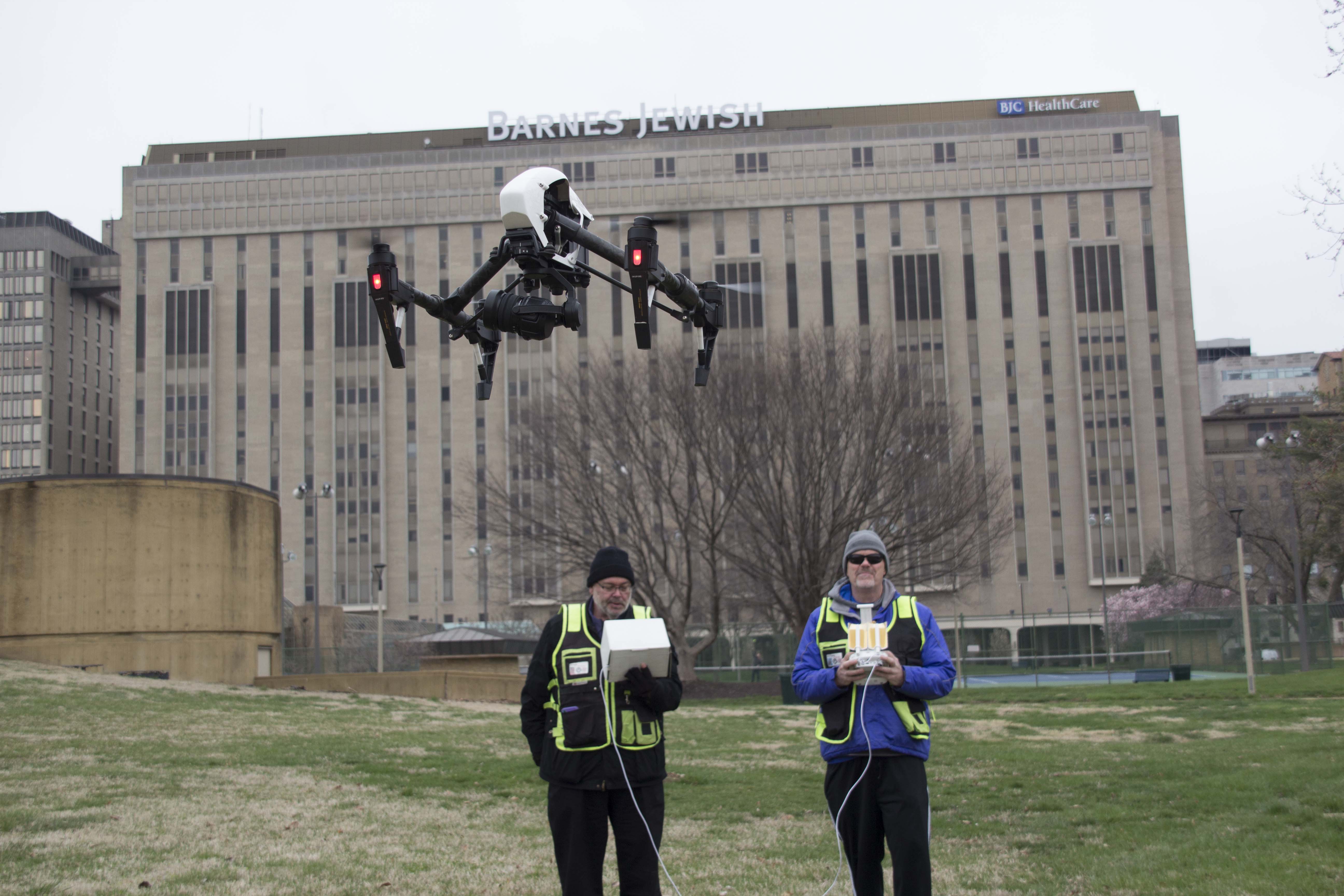
As experienced drone photographers and thermography-focused image makers at St Louis Photo Studio, we see a growing number of building owners, managers, and marketing teams using drone thermal imaging as part of a proactive building health strategy. Below is a practical guide to how it works, what it can reveal, and how to use this kind of data to support smarter decisions about your commercial roofing assets.


Why Traditional Roof Inspections Fall Short

A typical commercial roof inspection might involve:

  • A walk-through on the rooftop
  • Visual checks for ponding, cracks, seams, and penetrations
  • Occasional core samples or infrared scans from ground level

Useful, yes—but limited. Some key shortcomings:

  • Hidden moisture: Water travels. It can enter at one point, move under membrane layers, and saturate insulation several feet away from the visible defect.
  • Human perspective: Even a careful inspector can only see so much from rooftop eye level. Patterns of heat retention and moisture migration are almost impossible to detect visually.
  • Safety and access: Multi-level roofs, steep sections, or areas around sensitive equipment can be difficult or unsafe to access. Those areas may never be reviewed thoroughly.
  • Subjective documentation: Handwritten notes and a handful of photos often don’t deliver the kind of visual proof and repeatable data senior decision makers want.

Drone-based thermal roofing reviews are designed to address exactly these pain points.


How Drone Thermal Imaging Detects Potential Roof Leaks

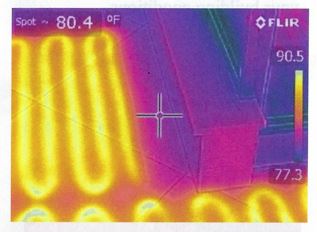
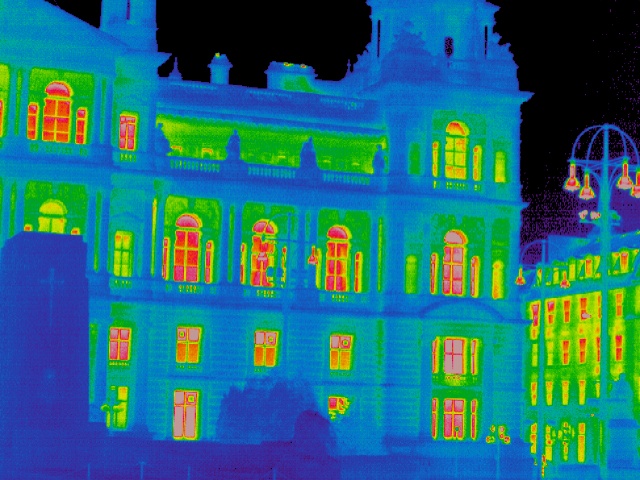
A thermal camera doesn’t “see water.” It measures surface temperature differences. On a commercial roof, trapped moisture and wet insulation behave differently than dry materials during heating and cooling cycles.

The basic principle

  • During the day, the sun heats up the roof surface.
  • Areas where insulation is wet or saturated retain heat longer.
  • After sunset or in controlled conditions, those wet areas cool more slowly than dry areas.
  • A drone equipped with a thermal camera captures these temperature differences as an image.

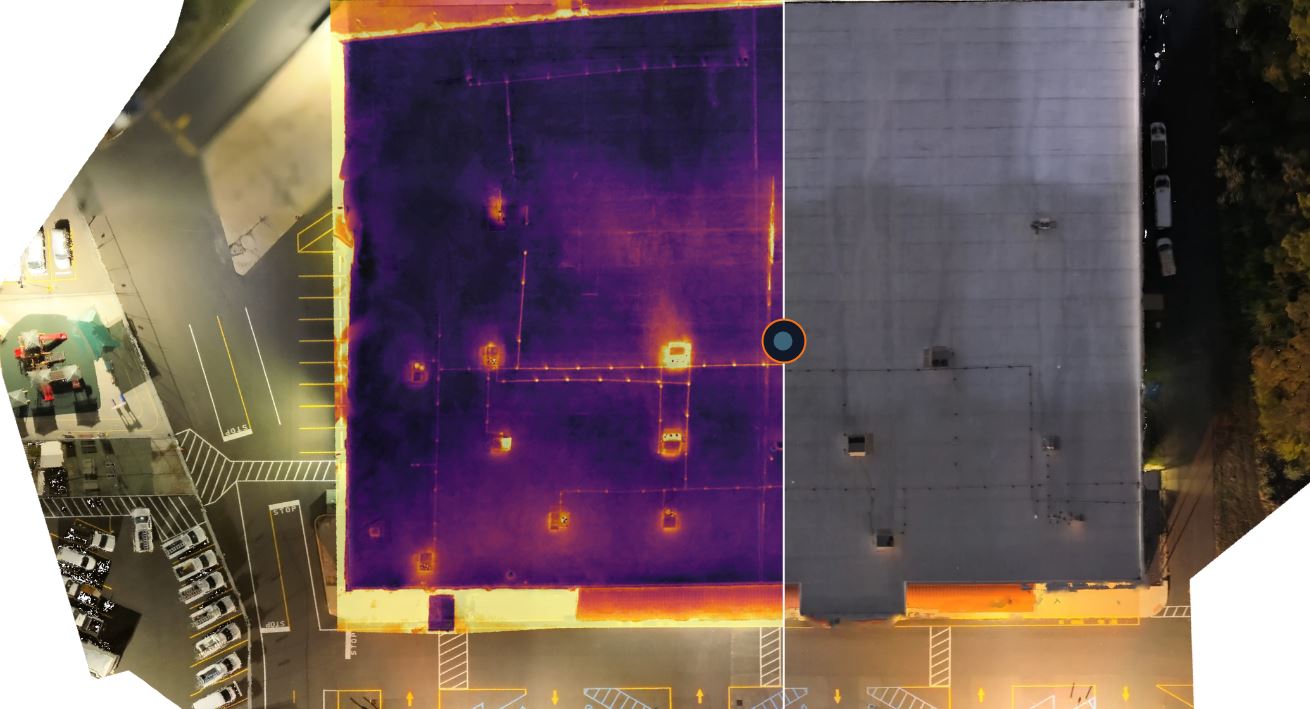
The result is a thermal map where suspect areas stand out as “hot spots” or anomalous patterns. An experienced team can interpret these patterns to identify zones that merit further testing or targeted repair.

Why drones are ideal for commercial roofs

Drones bring several advantages over handheld thermal devices alone:

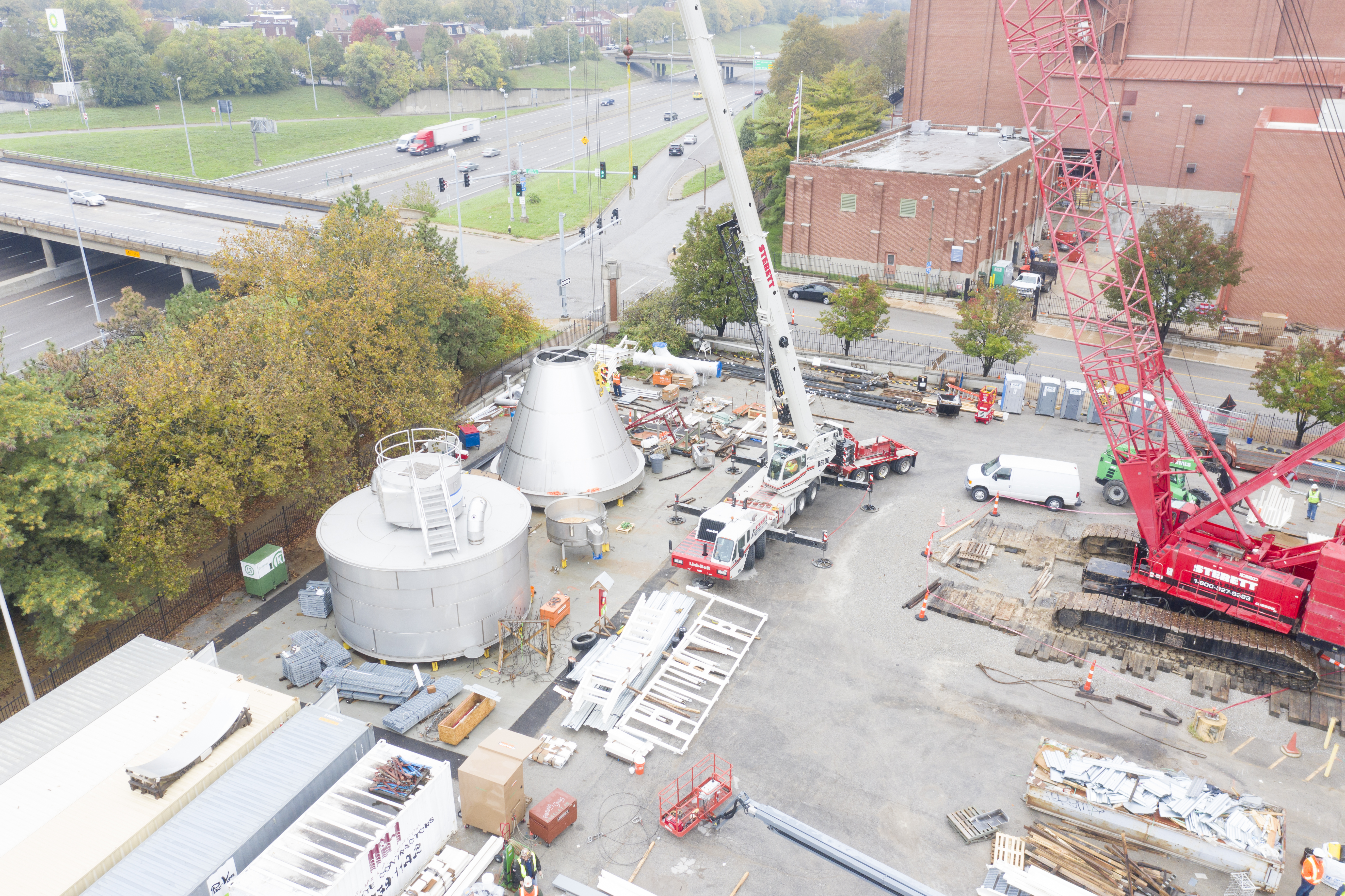
  • Coverage: Quickly capture the entirety of large and complex roofs, including multiple levels and hard-to-reach sections.
  • Consistency: Fly repeatable paths and altitudes, building a consistent dataset over time.
  • Detail: Combine thermal and high-resolution visual imagery for easier interpretation and clear communication with stakeholders.
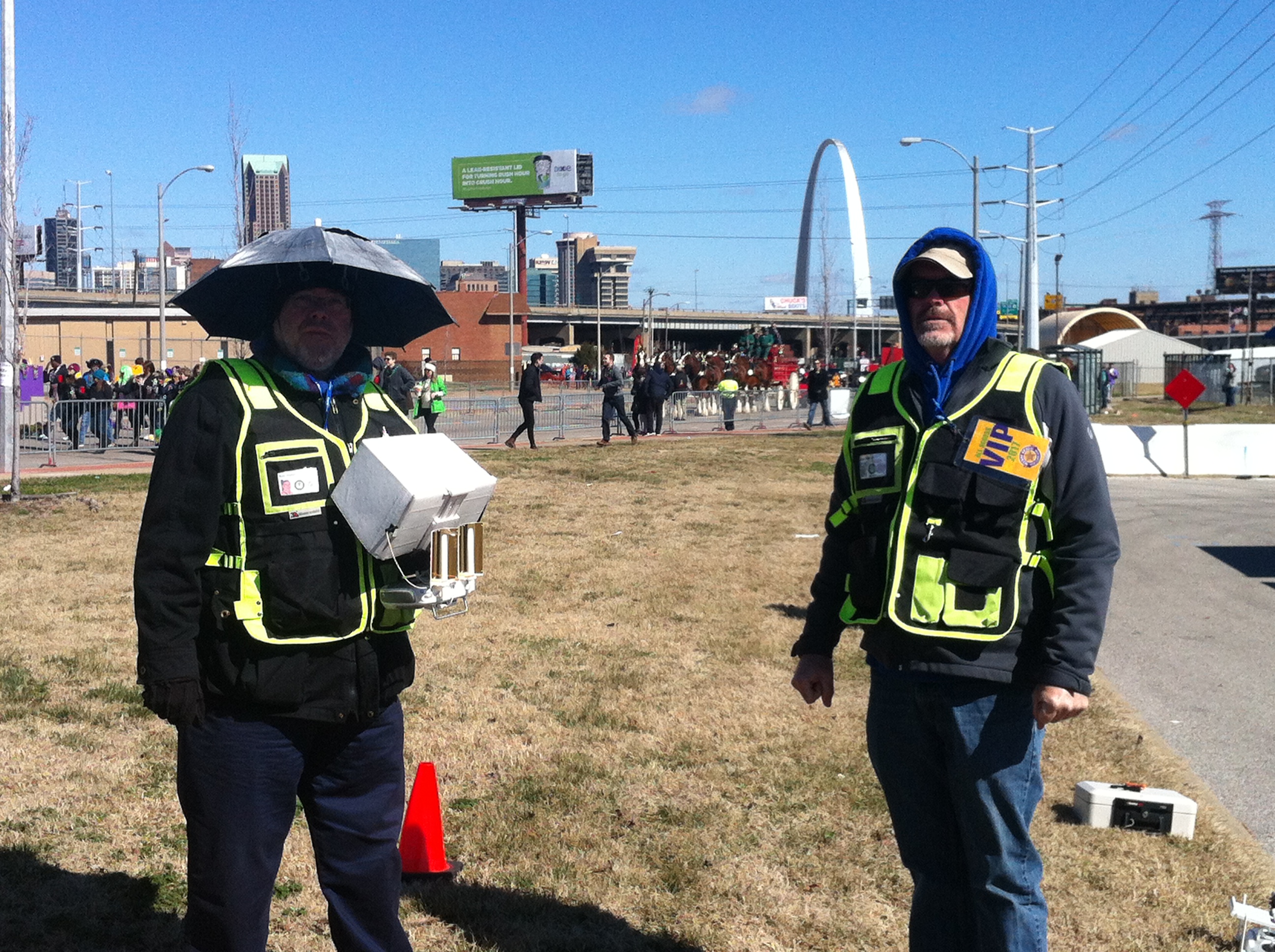
  • Speed and safety: Minimal disruption to operations, reduced need for personnel on the roof, and less time working near edges and obstacles.

What a Drone Thermal Roof Review Delivers

For decision makers, the value is in the deliverables – not just the flight.

A well-executed drone thermal roofing review typically includes:

1. Thermal overview maps

  • A high-level thermal orthomosaic showing the entire roof.
  • Color-coded temperatures highlighting areas of concern.
  • Visual overlays to correlate thermal anomalies with physical features like drains, HVAC units, skylights, and seams.

2. Detailed annotated images

  • Close-up thermal stills and matching RGB (standard color) images of specific suspect zones.
  • Markups, callouts, and labels that make it easy to brief executives, board members, or vendors.
  • Images ready to share with roofing contractors or insurers to support repair plans or claims.

3. Priority and risk categorization

  • Segmentation of the roof into zones: high priority, moderate concern, and routine monitoring areas.
  • Practical recommendations such as, “Core sample recommended here,” or “Monitor this area in next inspection cycle.”

4. Time-based comparisons

When you repeat thermal roof reviews yearly or after major weather events, you create a baseline. Over time, you can compare:

  • How moisture spread or receded
  • Whether earlier repairs have stabilized the roof system
  • Which areas may be heading toward failure before you see a leak inside

This turns thermal imaging from a one-off diagnostic into a proactive asset management tool.


When to Schedule Drone Thermal Roofing Inspections

Thermal performance depends heavily on timing and conditions. A professional team will consider:

  • Time of day: Late evening or early morning is often ideal, after solar heating and during cooling.
  • Recent weather: Clear skies and relatively stable conditions help produce readable thermal patterns.
  • Season: Shoulder seasons (spring and fall) can often provide strong thermal contrast, but inspections can be tailored year-round depending on your roof and local climate.

For many organizations, a sensible approach is:

  • Baseline scan for existing roofs
  • Post-event scans after major storms or hail
  • Annual or semi-annual reviews as part of preventive maintenance and capital planning

How Marketing and Leadership Teams Use This Data

Although facility managers and engineers are the primary users, drone thermal roof data is increasingly used by:

  • CFOs and finance teams to justify capital expenditures with visual evidence and clear risk assessment.
  • Risk management and insurance teams to document due diligence, reduce claim disputes, and negotiate more favorable terms.
  • Marketing and corporate communications when documenting facility upgrades or sustainability initiatives, especially when telling the story of how the organization protects its assets and reduces waste.

Well-presented drone thermal imagery gives leadership a high-confidence, boardroom-ready visual narrative: Here is the problem, here are the risks if we do nothing, and here’s our plan.


Integrating Drone Thermal Reviews Into Your Maintenance Strategy

To get the most out of drone roofing leak and thermal reviews, it helps to think in terms of process, not just technology.

1. Align on objectives

Clarify what you’re trying to accomplish:

  • Identify potential leaks before there’s interior damage
  • Assess the extent of suspected damage after a specific event
  • Support budgeting for repair vs. replacement
  • Document roof condition before a property sale or acquisition

2. Coordinate with your roofing contractor

Use the drone thermal data as a conversation starter, not a standalone verdict. A quality contractor can:

  • Perform targeted core samples in suspect zones
  • Validate which anomalies indicate moisture versus benign conditions
  • Propose repair or restoration strategies that match your capital plan

3. Build a repeatable inspection schedule

Turn thermal reviews into a recurring line item:

  • Compare year-over-year conditions
  • Track how repairs perform
  • Avoid surprise failures and emergency repairs that cost more and disrupt operations

4. Standardize reporting for leadership

Ask for deliverables that can be quickly folded into internal reports and presentations:

  • Summary maps with legends and clear annotations
  • Short executive summaries that translate technical findings into business language
  • Images and graphics formatted for internal decks and documentation

Why Professional Imaging Quality Matters

Not all drone thermal footage is created equal. For your internal teams and external partners to trust and act on the results, the imaging must be:

  • Accurately captured: Correct altitude, camera settings, and flight patterns are critical for consistent thermal readings.
  • Correctly interpreted: False positives and false negatives can be costly. Experience with both photography and thermal behavior on roofing systems is essential.
  • Professionally presented: Clear overlays, labels, and sequencing of images make reports usable instead of confusing.

This is one area where the intersection of professional photography, video production, and drone operations really shows its value. The goal is not just to “fly the drone”; it is to deliver visual evidence that drives intelligent decisions.


How St Louis Photo Studio Supports Drone Thermal Roofing Reviews

Determining potential roofing leaks with drone thermal reviews calls for more than just a pilot and a camera. You need a partner who understands imaging, storytelling, and the unique demands of commercial properties.

At St Louis Photo Studio, we bring decades of commercial photography and video production experience to every project, including specialized drone thermal work for building envelopes and roofing systems.

  • We are a full-service professional commercial photography and video production company with the right equipment and creative crew experience for successful image acquisition.
  • We offer full-service studio and location video and photography, as well as editing, post-production and licensed drone pilots, giving you a single, integrated team for capture and delivery.
  • St Louis Photo Studio can customize your productions for diverse types of media requirements – from technical reports and internal presentations to marketing visuals that demonstrate your commitment to facility health and risk management.
  • Repurposing your photography and video branding to gain more traction is another specialty. The same professional level of imagery and narrative discipline we bring to your marketing content also informs how we present technical roof and building data.
  • We are well-versed in all file types and styles of media and accompanying software, allowing us to deliver assets that drop smoothly into your internal workflows, vendor systems, or content platforms.
  • We use the latest in Artificial Intelligence for all our media services, from enhancing imagery and organizing large data sets to helping create clear, understandable visual reports out of complex thermal captures.
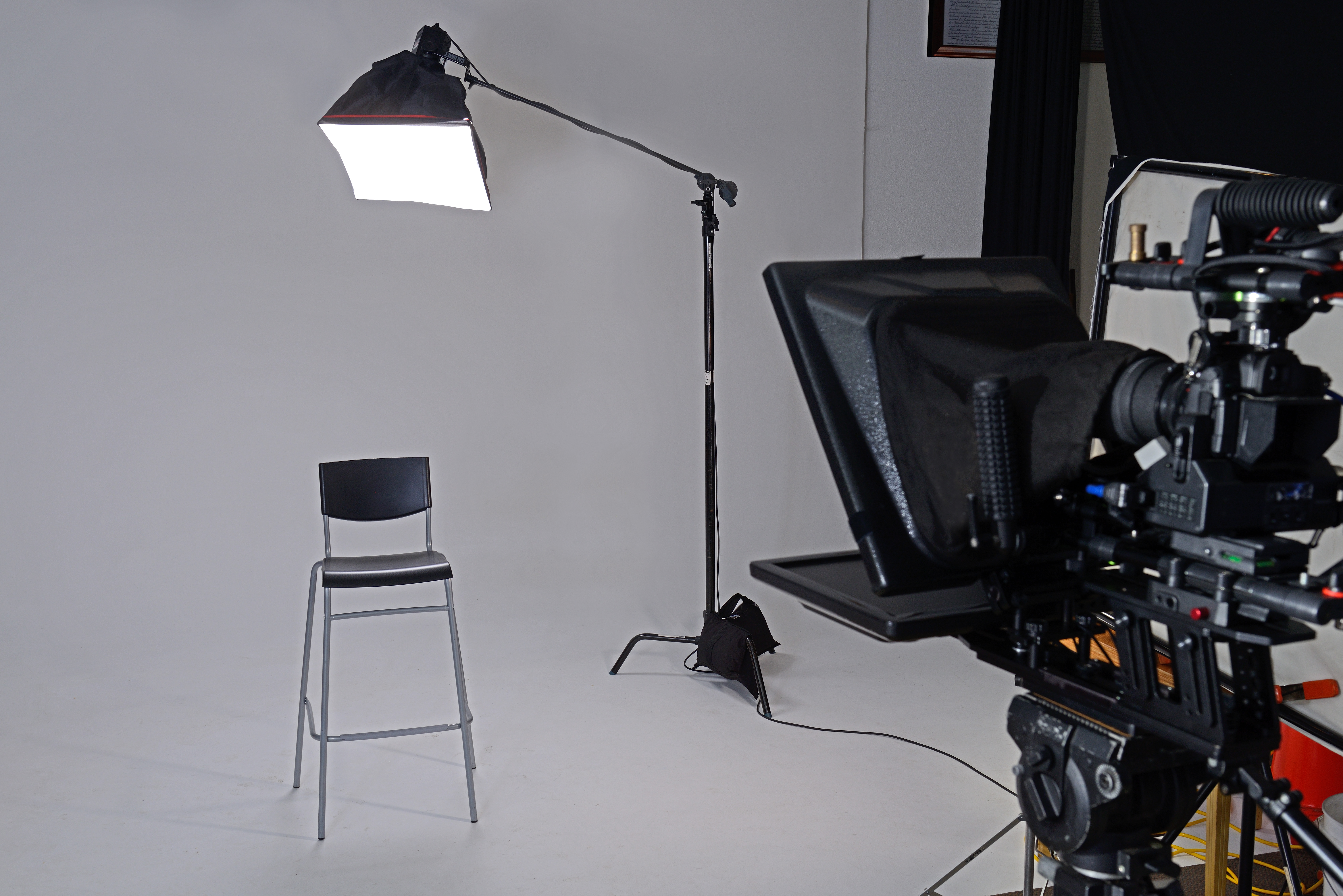
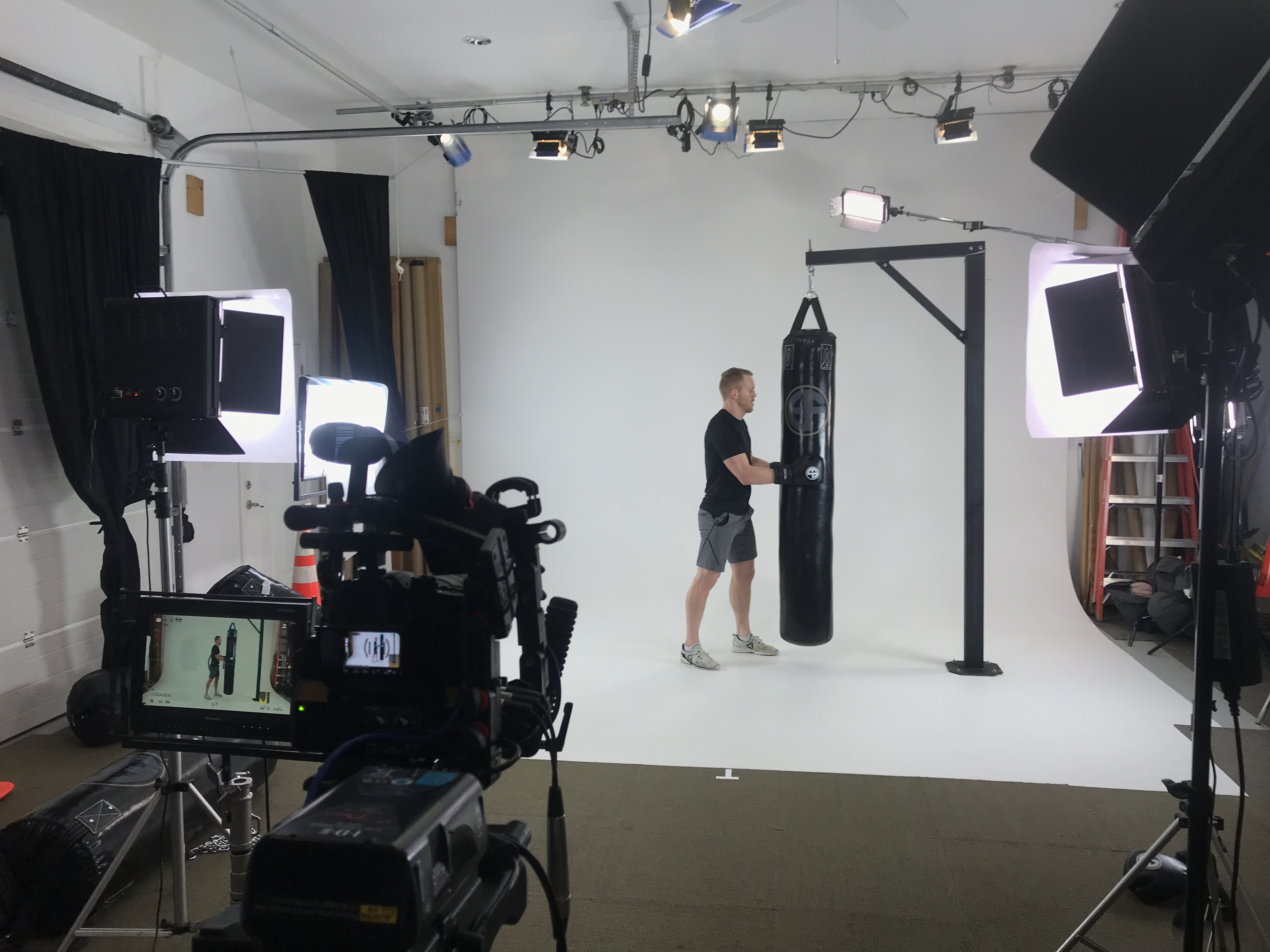
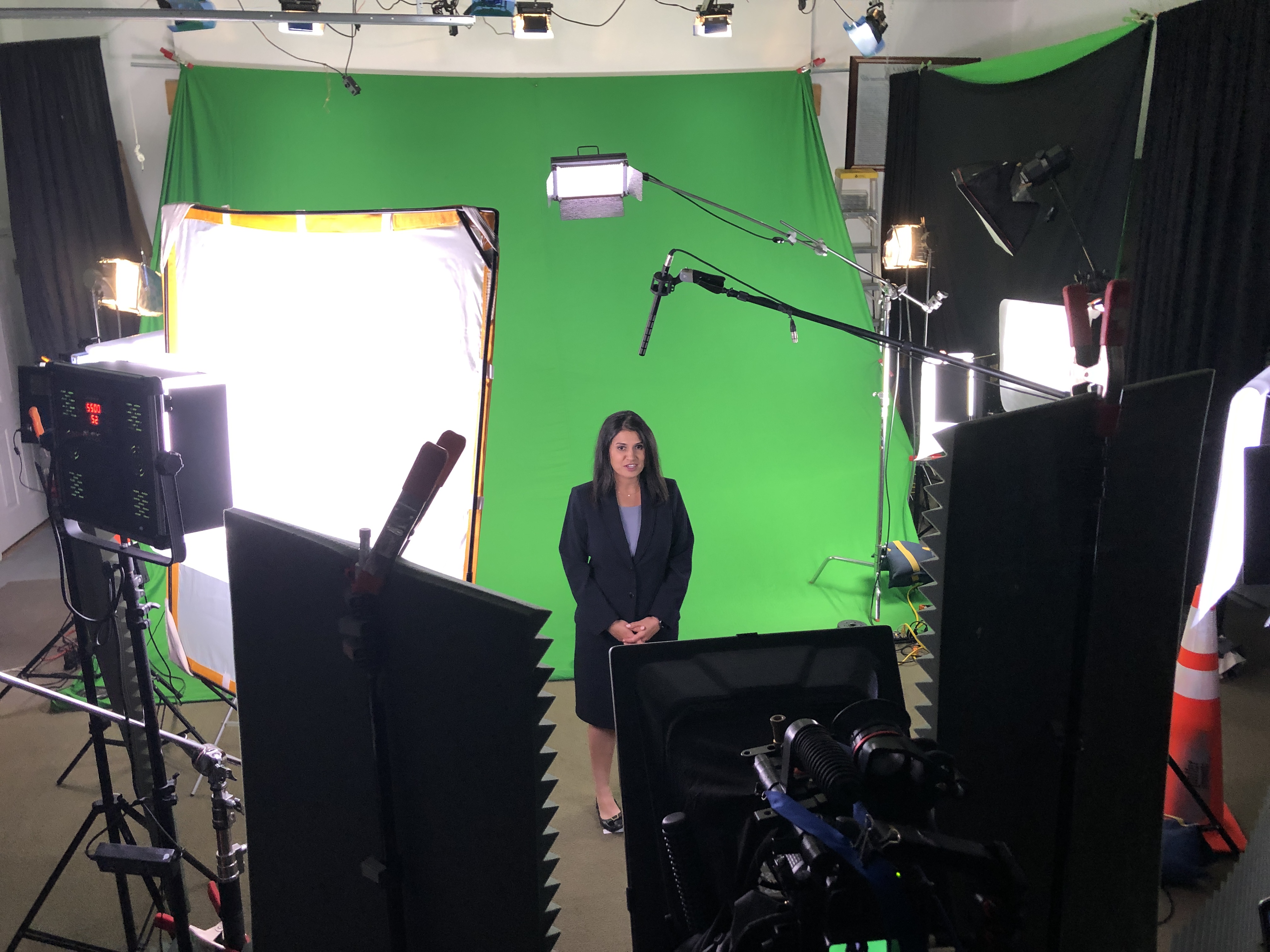
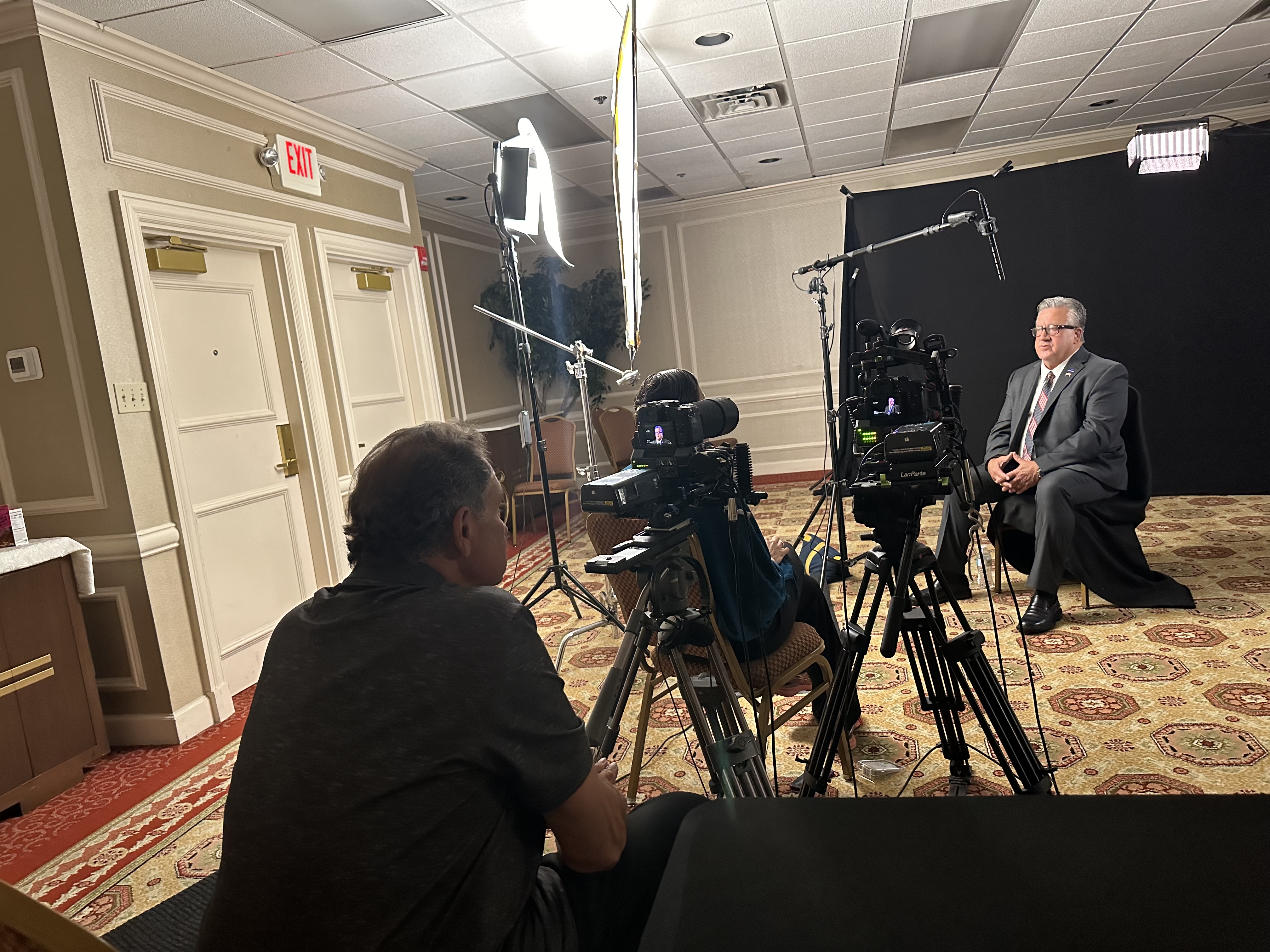
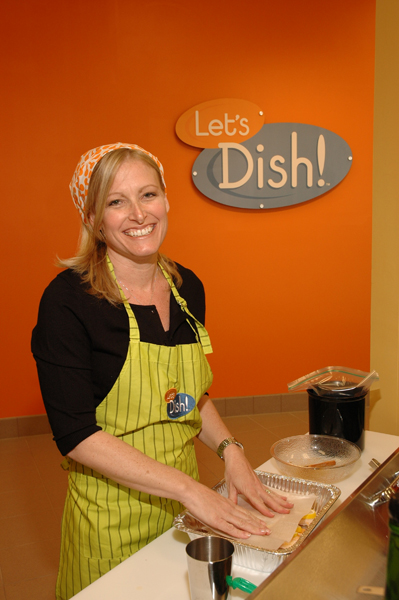
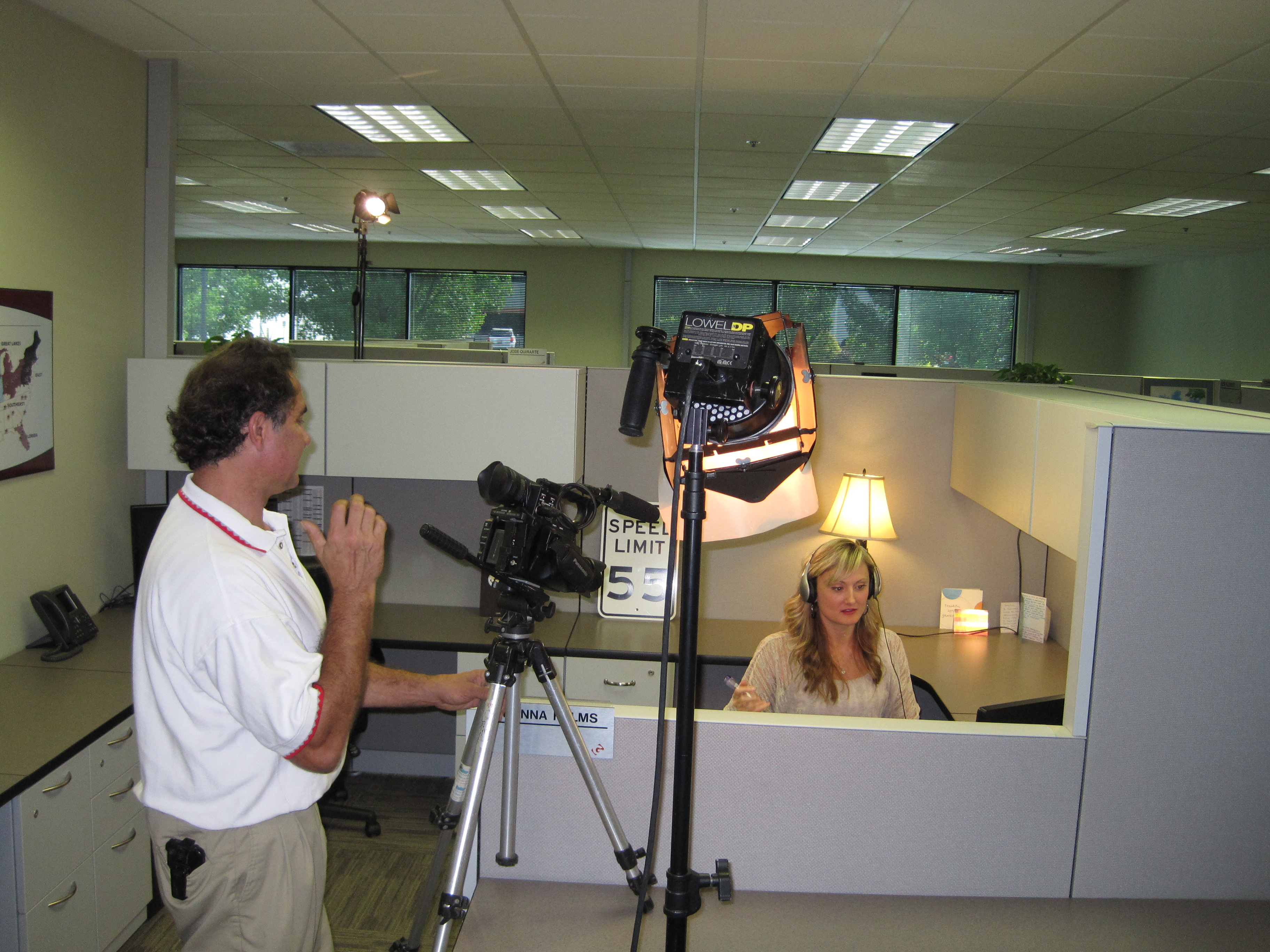
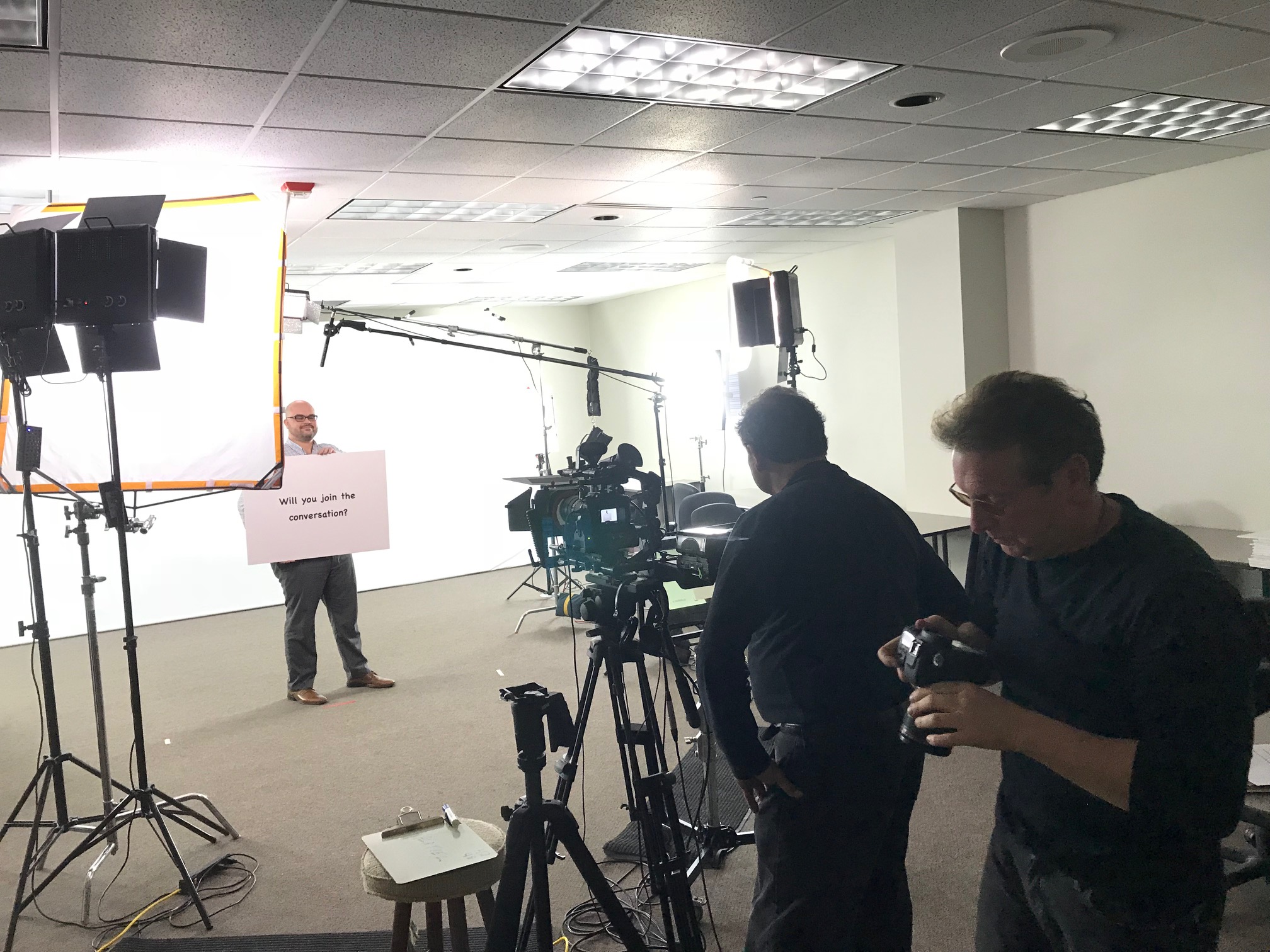
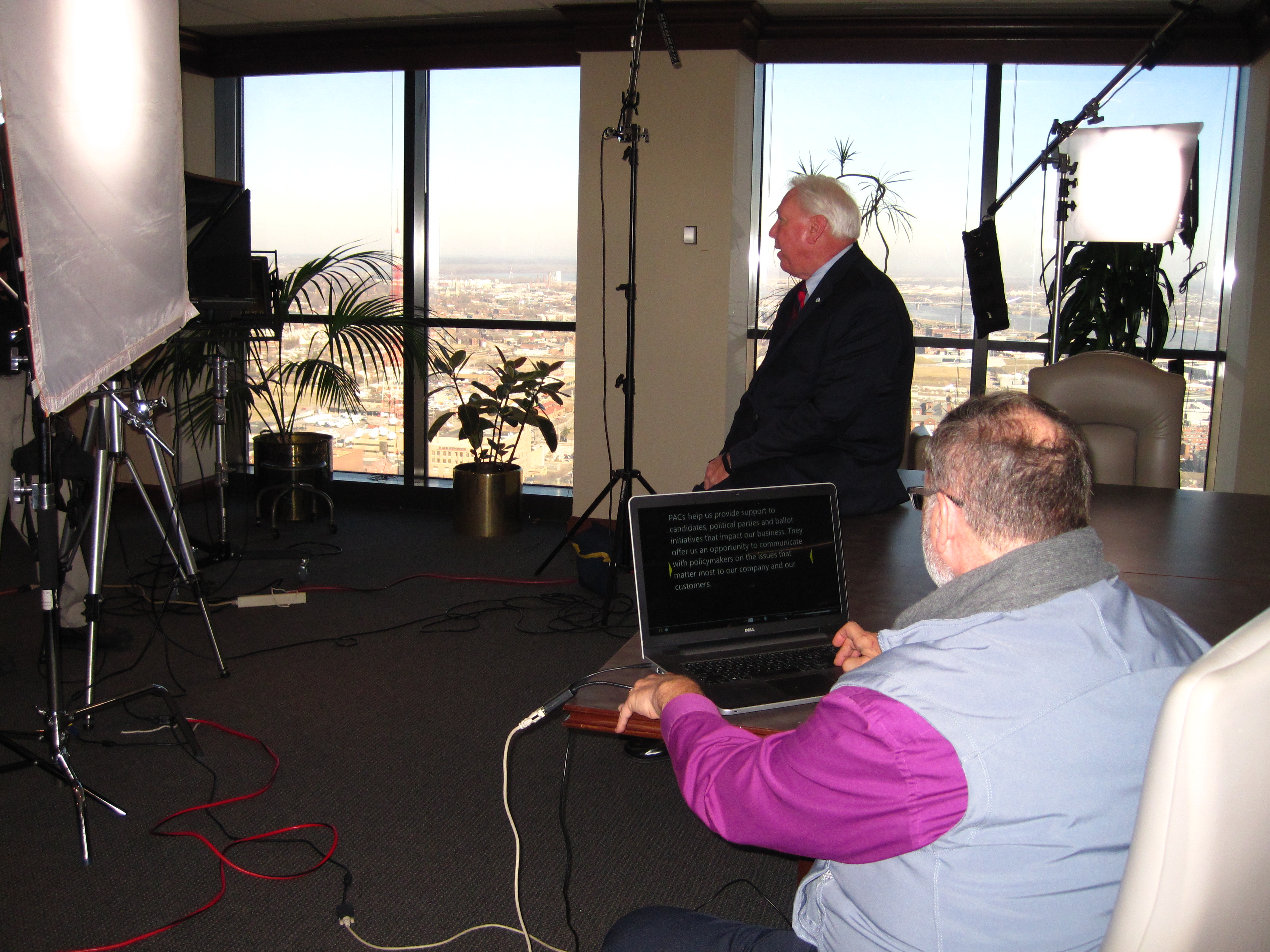
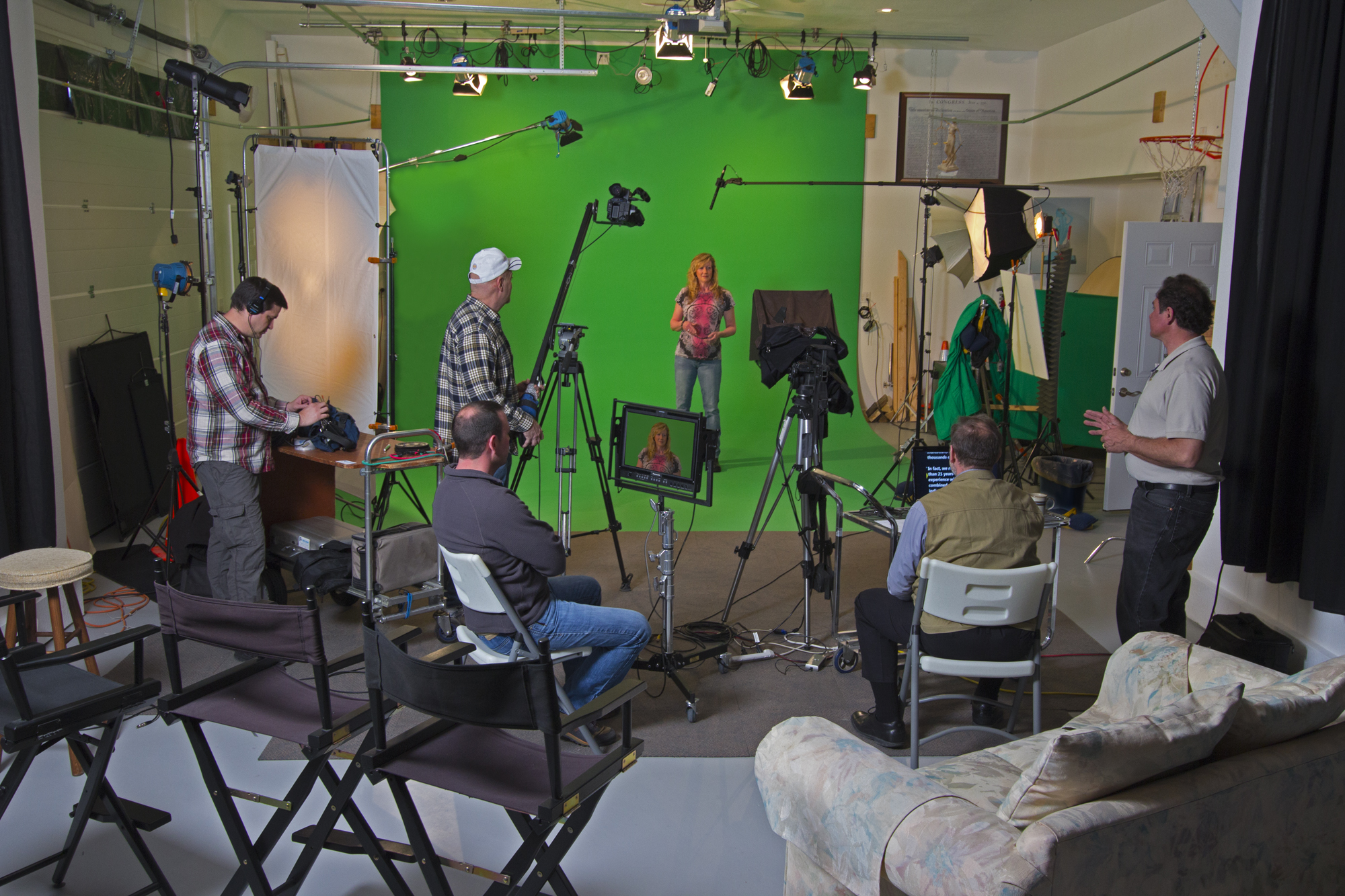
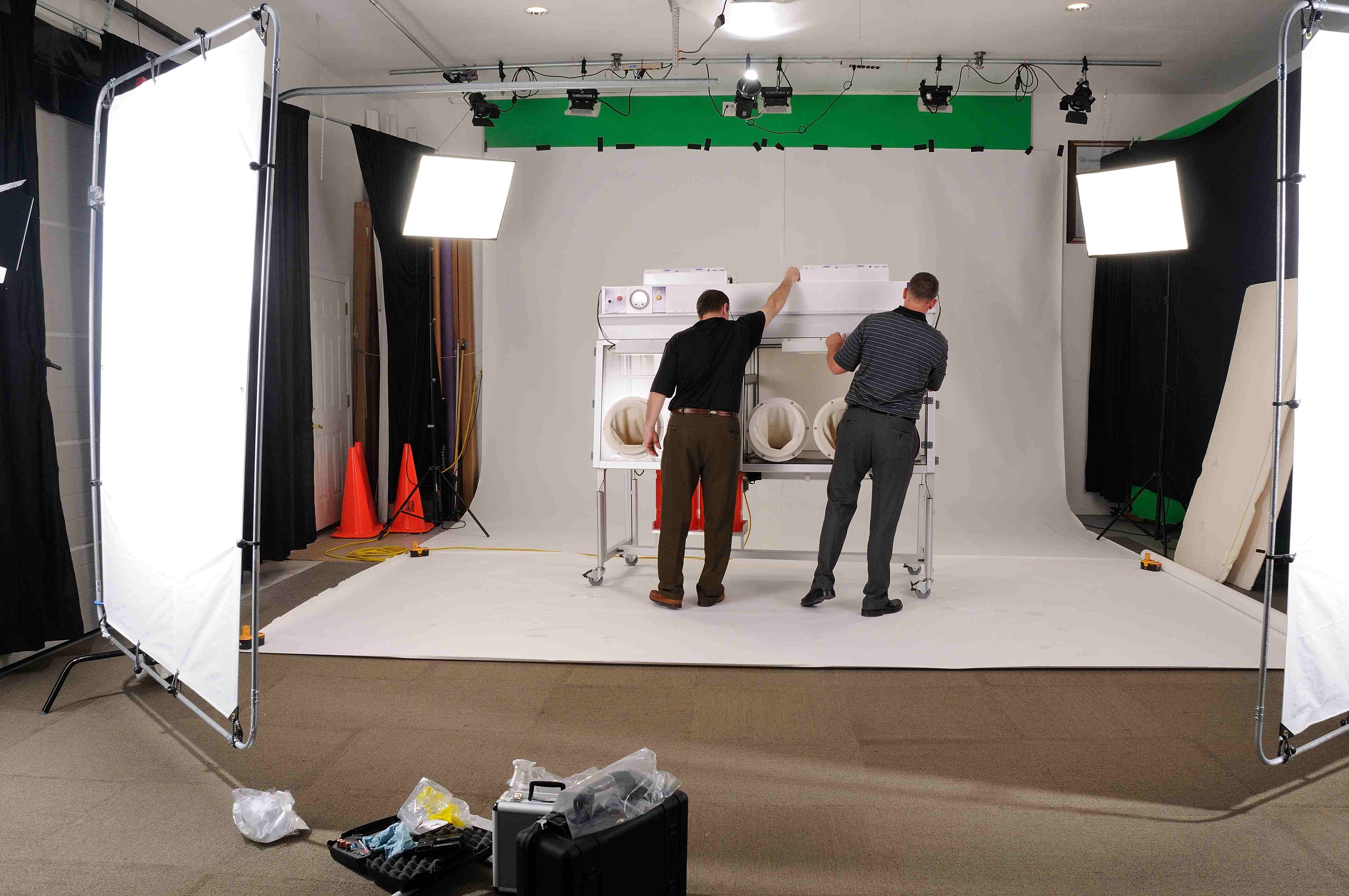
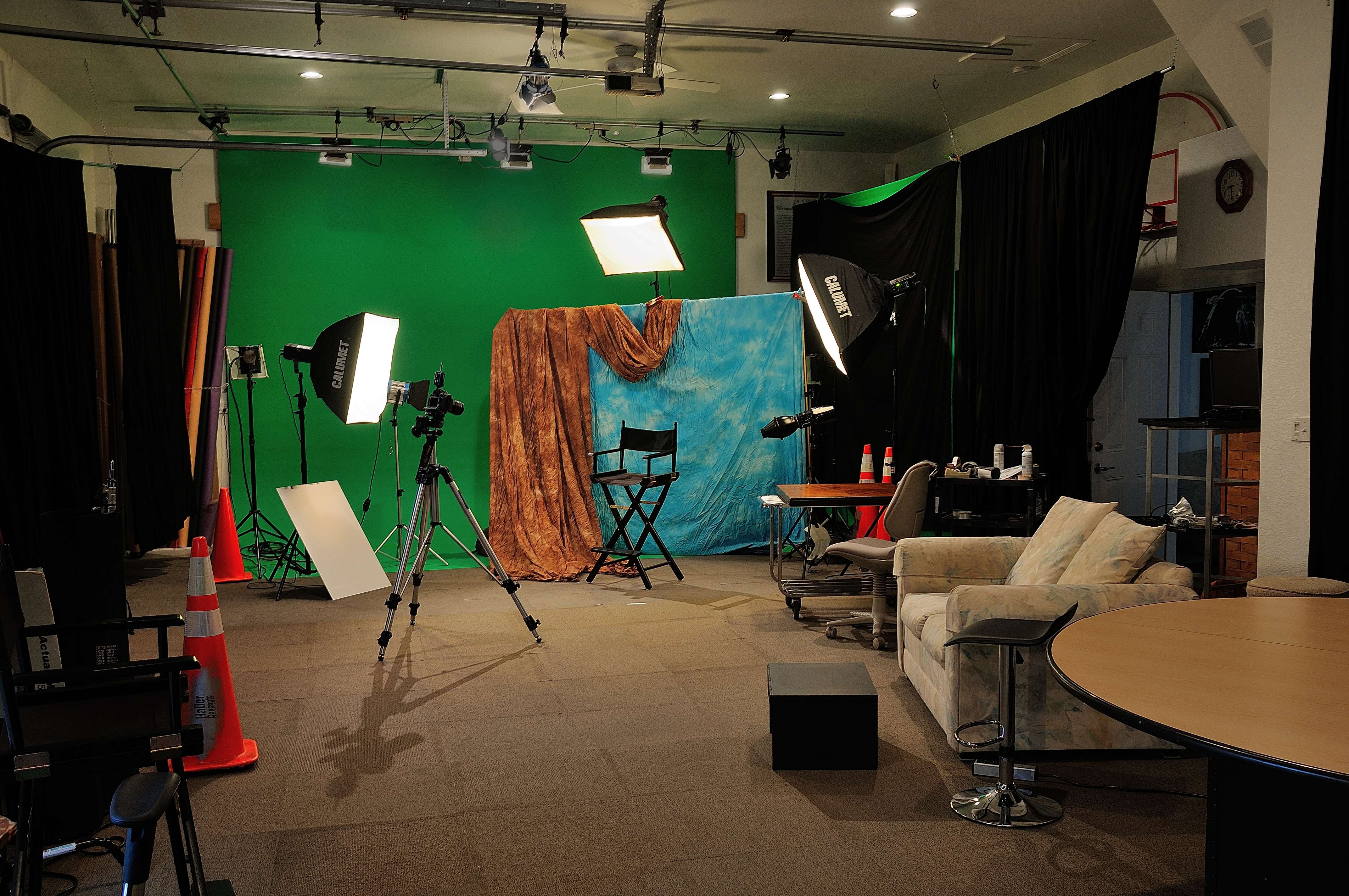
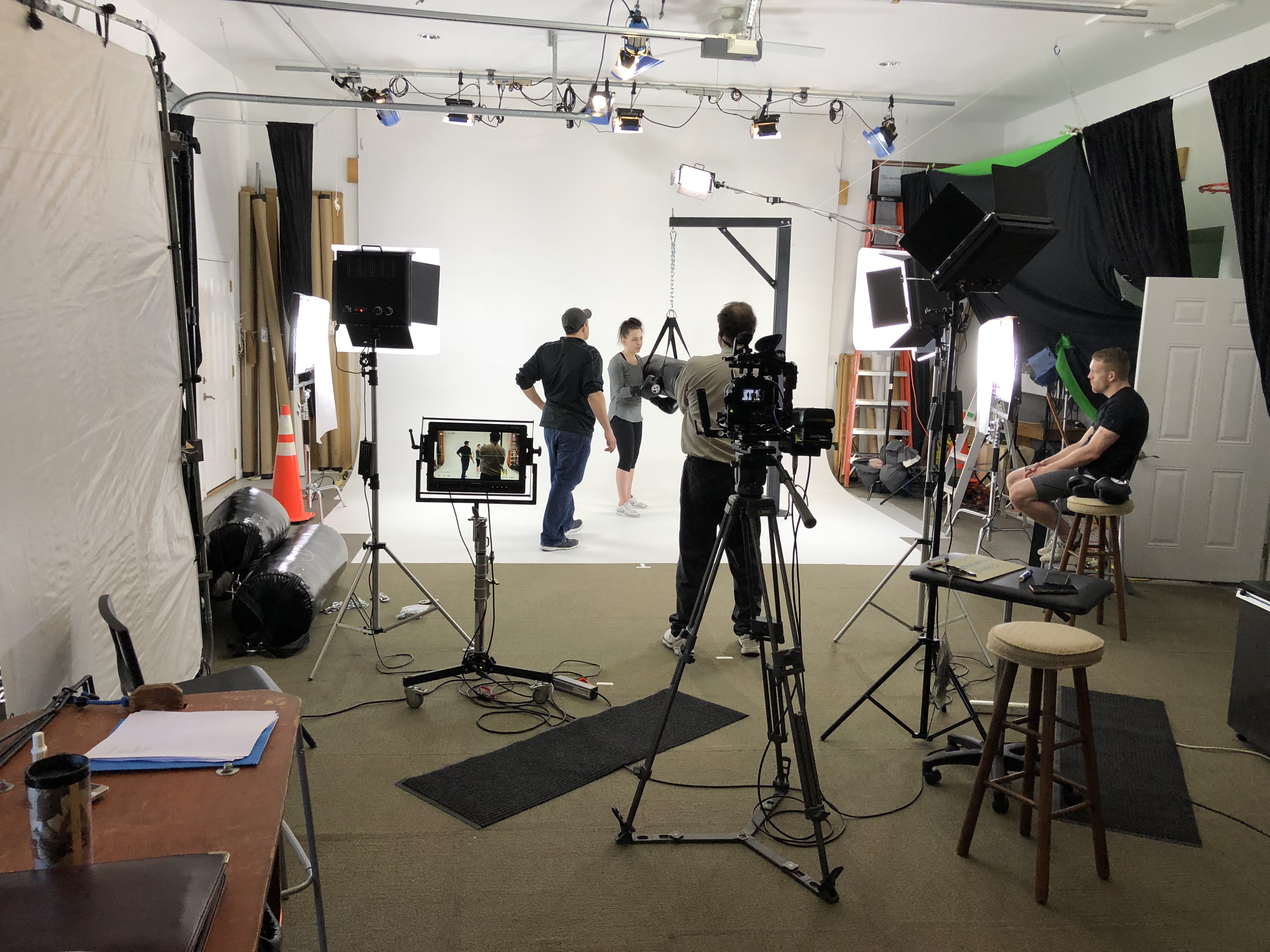
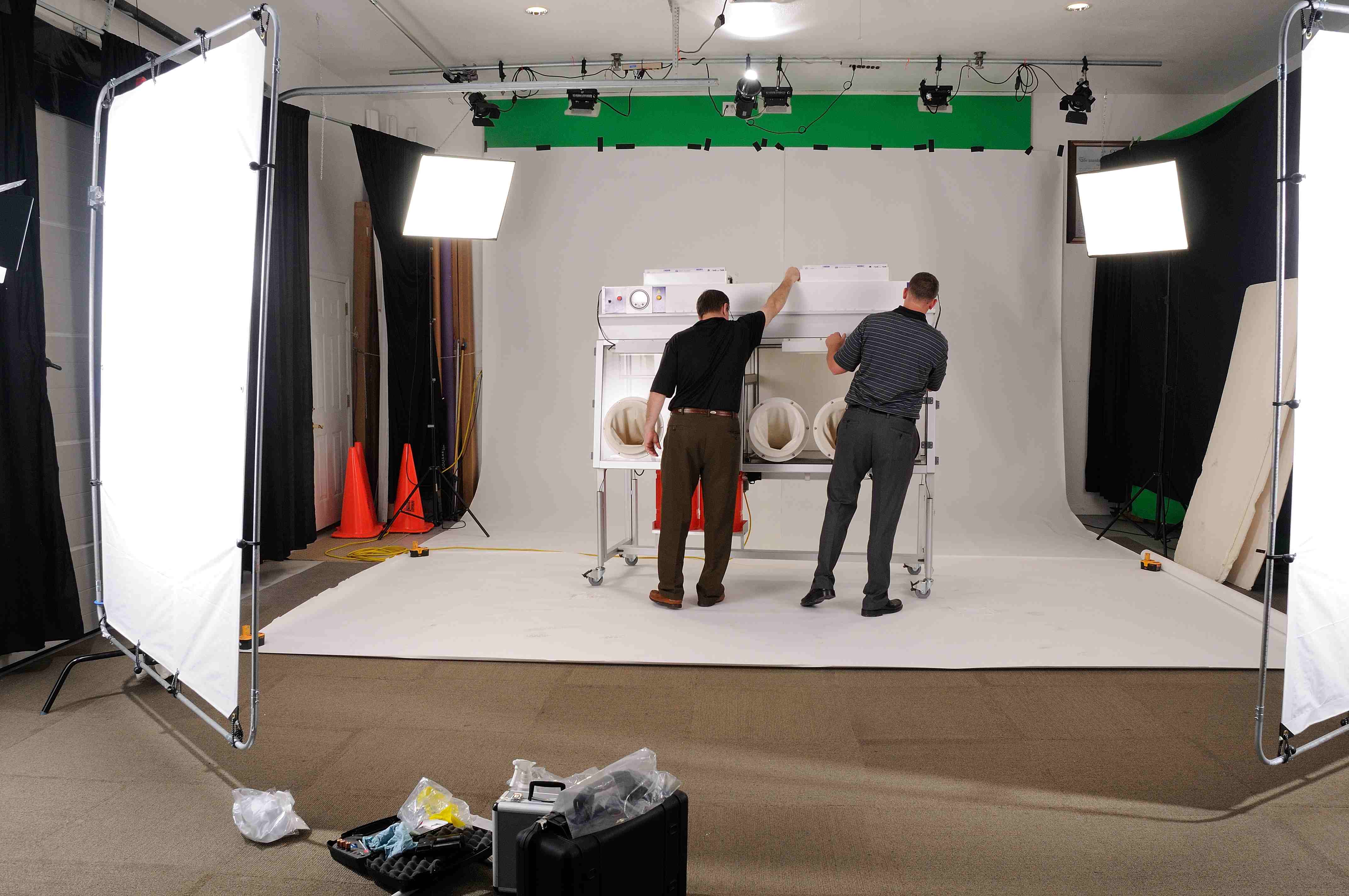
  • Our private studio lighting and visual setup is perfect for small productions and interview scenes, if you want to pair your building visuals with on-camera explanations from your leadership or facilities team. Our studio is large enough to incorporate props to round out your set and make even technical topics visually engaging.
  • We support every aspect of your production—from setting up a private, custom interview studio to supplying professional sound and camera operators, as well as providing the right equipment—ensuring your next video production is seamless and successful.
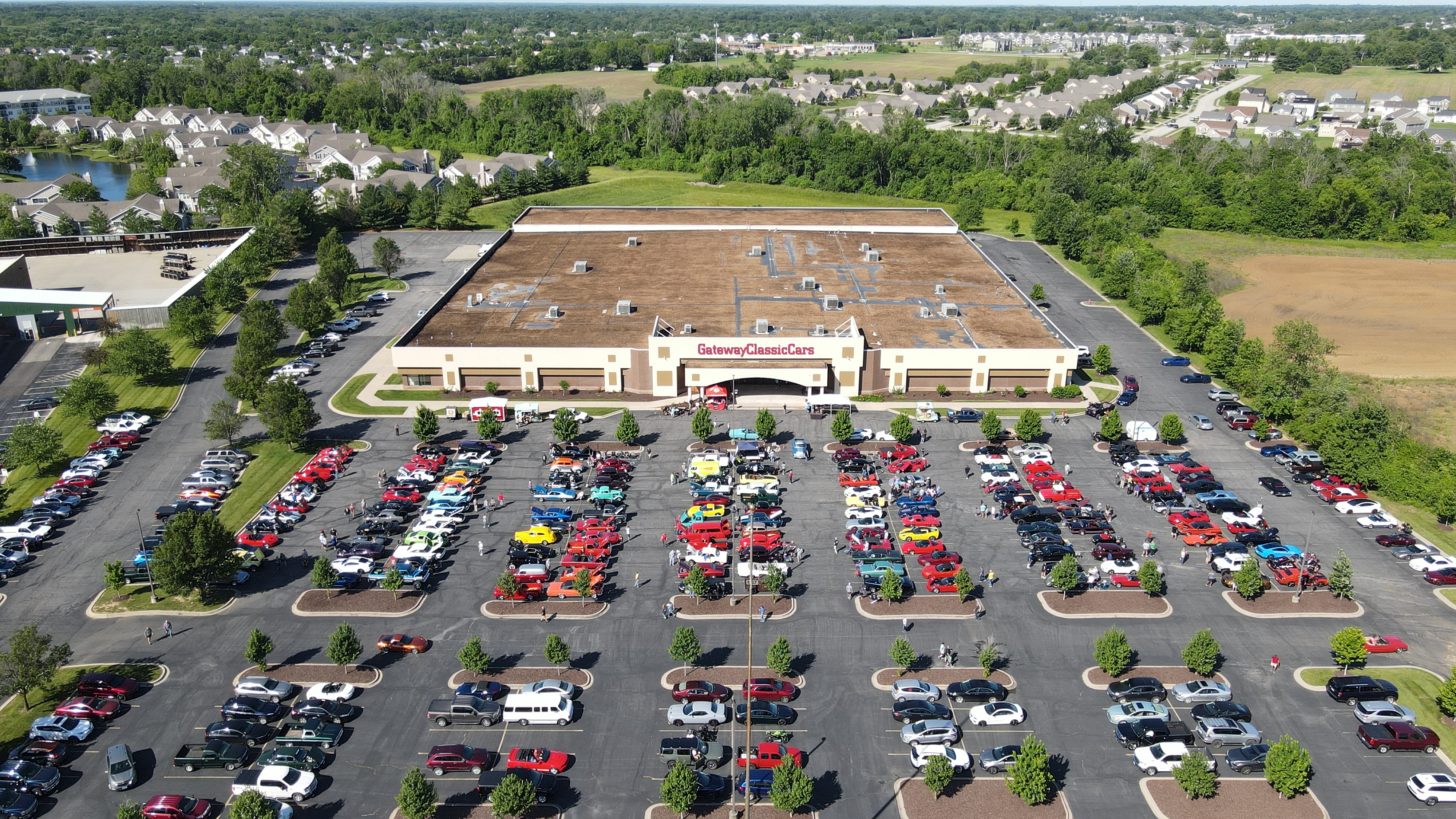
  • For specialized projects, we can even fly our specialized drones indoors, supporting inspections and visuals in large atriums, warehouses, and other interior spaces where aerial perspectives are beneficial.

As a full-service video and photography production corporation since 1982, St Louis Photo Studio has worked with many businesses, marketing firms, and creative agencies in the St. Louis area for their marketing photography and video. We bring that same seasoned, production-focused mindset to your drone thermal roofing reviews—helping you see more, decide faster, and protect your buildings with confidence.

314-913-5626

Mike Haller
stlouisphotostudio@gmail.com
4501 Mattis Road St Louis, MO 63128
Beyond the Lens: What to Expect at an AI-Powered Photo Shoot

AI has moved from novelty to necessity in commercial imaging. An AI-powered photo shoot blends traditional production discipline with generative and assistive tools to make more on-brand images, faster—often with more reuse across campaigns. Here’s how a modern session runs when you’re buying outcomes, not just hours on set.

What an “AI Photo Shoot” Actually Means

An AI shoot is still a real shoot: cameras, lights, talent, and a crew. The difference is how we plan, capture, and finish:

  • Before: We translate brand guidelines, mood boards, and shot lists into structured prompts and visual references.
  • During: We tether cameras to an AI-assisted workstation for instant layout comps, clean-ups, background variations, and lighting previews.
  • After: We use AI for retouching, set extension, product “variants,” localization, and rapid versioning—under strict brand guardrails.

The Pre-Production You’ll Approve

1) Brand guardrails become machine-readable.
Logos (vector), color palettes, type specimens, product SKUs, feature callouts, and usage do’s/don’ts are converted into prompt components and negative prompts. We also define forbidden motifs to avoid off-brand results.

2) Visual references & style tokens.
We align on signature looks (lighting ratios, depth of field, composition rules), plus reference sets for talent, wardrobe, surfaces, and environments. When appropriate, we can fine-tune models on your brand’s historic imagery (with your permission) to preserve continuity.

3) Shot list → prompt matrix.
Each shot becomes a matrix of: objective, hero element, angle, environment, lighting, props, required copy-space, output sizes, and allowed AI assists (e.g., “set extension only, no product geometry changes”).

4) Legal & rights readiness.
We secure enhanced model releases (consent for limited AI usage), location approvals, and approvals for any synthetic backgrounds or stock elements. We document licenses for models/tools used.

What the On-Set Workflow Feels Like

  1. Lighting & proofing first. We light “for real” to establish form and believable shadows.
  2. Tethered capture to calibrated monitors. You see color-managed frames; we mark selects in real time.
  3. Live AI assists (where approved):
    • Clean plate creation and minor object removal for faster pacing.
    • Background swaps and set extensions to visualize options before we move lights.
    • Real-time layout testing: cropping for 9:16, 1:1, 4:5, and 16:9 with safe areas.
  4. Variant generation with restraint. We generate only within pre-approved boundaries (e.g., background materials, depth tweaks), never altering product geometry or claim-sensitive attributes without explicit sign-off.
  5. Seeded reproducibility. Every assisted variant stores prompts, seeds, and parameters so you can re-create a look next quarter.

Quality, Color, and Compliance

  • Color management: camera profiles, scene-referred workflow, and strict conversions for web, OOH, and print.
  • Authenticity checks: product edges, reflections, regulatory markings, skin and fabric realism.
  • Bias & brand safety: we pre-screen prompts and negative prompts; diverse casting and representation are planned, not “fixed” later.
  • Watermarking & provenance (optional): we can embed metadata and provenance tags for internal governance.

Post-Production You Can Scale

  • Structured handoff: layered master files, flattened deliverables, and a manifest of every AI assist.
  • Rapid versioning: colorways, language localization, and channel-specific crops that stay on-brand.
  • DAM-ready metadata: SKU, campaign, usage rights, seed/prompt notes, alt text, and accessibility annotations.
  • Testing-friendly: we can output A/B sets for paid social, email, and landing pages with consistent variables.

Budgeting: Where AI Saves—and Where It Doesn’t

Saves: fewer physical set builds, faster clean-ups, more variants from each hero shot, reduced reshoots for “one more angle.”
Still Costs: senior creative time, compute for complex generative tasks, fine-tuning fees, compliance/legal review, and rigorous QC.
Best practice: lock product truth and claims in pre-pro; let AI optimize backgrounds, scale variants, and accelerate retouching.

Risk Management for Decision Makers

  • No “magic” edits to regulated products. Geometry, safety features, and claims remain faithful.
  • Document trail: prompts, seeds, model versions, and licenses are logged.
  • Fallbacks: if an assist isn’t passing QC, we capture practically—lights, flags, plates—so you never leave without usable assets.

A Practical Checklist

Before the shoot

  • Final brand kit (logo vectors, colors, typography)
  • Approved reference looks and negative prompts
  • Shot list with usage map (web, print, OOH, retail, broadcast)
  • Model/location releases with AI clauses
  • Product truth sheet (what can/can’t change)

On set

  • Tethered, calibrated monitors for client review
  • Seeded prompt logging and version control
  • Live crops for all channels; mark hero/selects
  • Compliance sign-offs per shot family

After

  • Masters + deliverables with metadata
  • Provenance/usage documentation
  • Testing sets for paid campaigns
  • Archive seeds/prompts for future refreshes

Why Partner with St Louis Photo Studio

St Louis Photo Studio is a full-service professional commercial photography and video production company with the right equipment and creative crew experience for successful image acquisition. We offer full-service studio and location video and photography, as well as editing, post-production, and licensed drone pilots. St Louis Photo Studio can customize your productions for diverse types of media requirements. Repurposing your photography and video branding to gain more traction is another specialty. We are well-versed in all file types, media styles, and the accompanying software, and we use the latest in Artificial Intelligence across our media services. Our private studio lighting and visual setup is perfect for small productions and interview scenes, and our studio is large enough to incorporate props to round out your set. We support every aspect of your production—from setting up a private, custom interview studio to supplying professional sound and camera operators, as well as providing the right equipment—ensuring your next video production is seamless and successful. We can fly our specialized drones indoors. As a full-service video and photography production corporation, since 1982 St Louis Photo Studio has worked with many businesses, marketing firms, and creative agencies in the St. Louis area for their marketing photography and video.

314-913-5626

Mike Haller
stlouisphotostudio@gmail.com
4501 Mattis Road St Louis, MO 63128

What Types of Photos Help People Find Your Business Online—and Why They Matter

In today’s visual-first digital marketplace, the right photo can do more than just impress—it can help potential customers find your business online in the first place.

As decision-makers in marketing, you already know that visibility is the first step toward conversion. But in a landscape dominated by search algorithms, fast scrolls, and crowded feeds, many businesses overlook one powerful factor: the strategic use of photography to boost SEO, improve click-through rates, and increase time-on-page.

At St Louis Photo Studio, we don’t just shoot great-looking images—we create visual assets that are purpose-built for discoverability, trust, and engagement. In this blog, we’ll explore the types of photos that drive visibility and how to leverage them to get found more often and more effectively online.


1. Photos That Feature Your Physical Location

Why it matters:
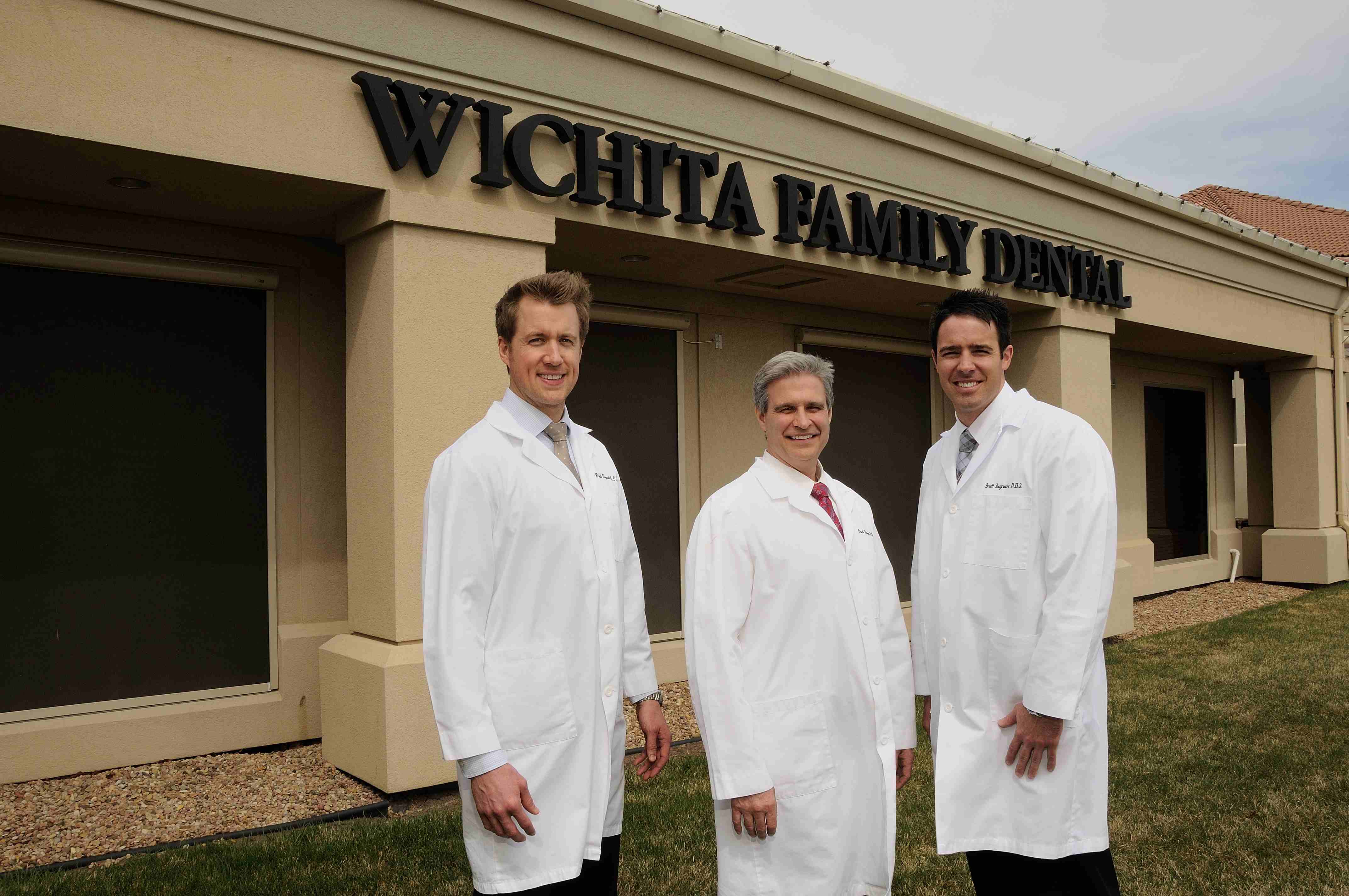
For local search results (like Google Maps and “near me” queries), showing your storefront, building signage, office entrance, or on-site setup tells Google—and potential customers—exactly where and who you are. These images boost trust and help people recognize you in real life.

Best Practice:
Include exterior and interior photos taken with correct metadata (geotags, alt text, and keywords) for maximum SEO value.


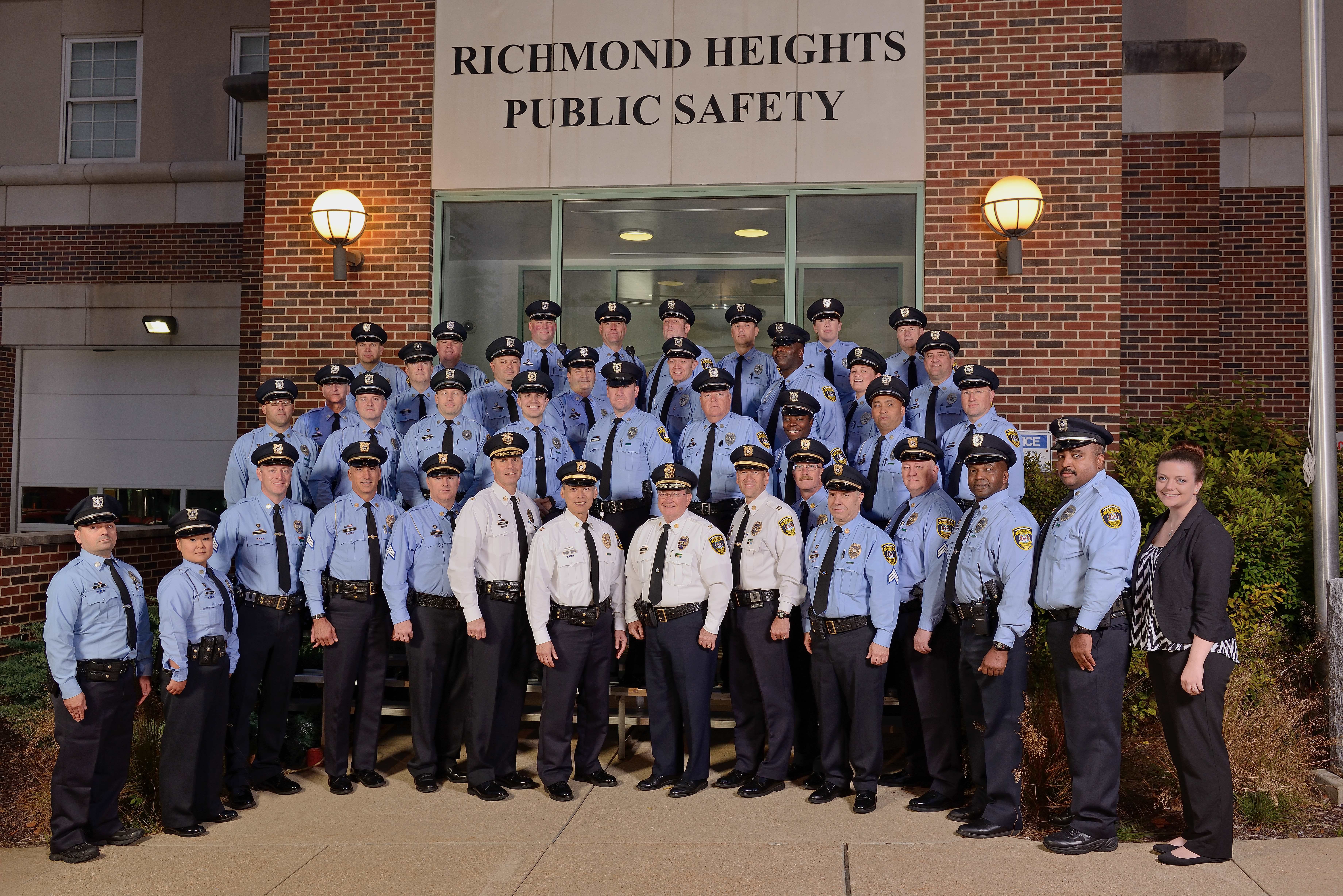
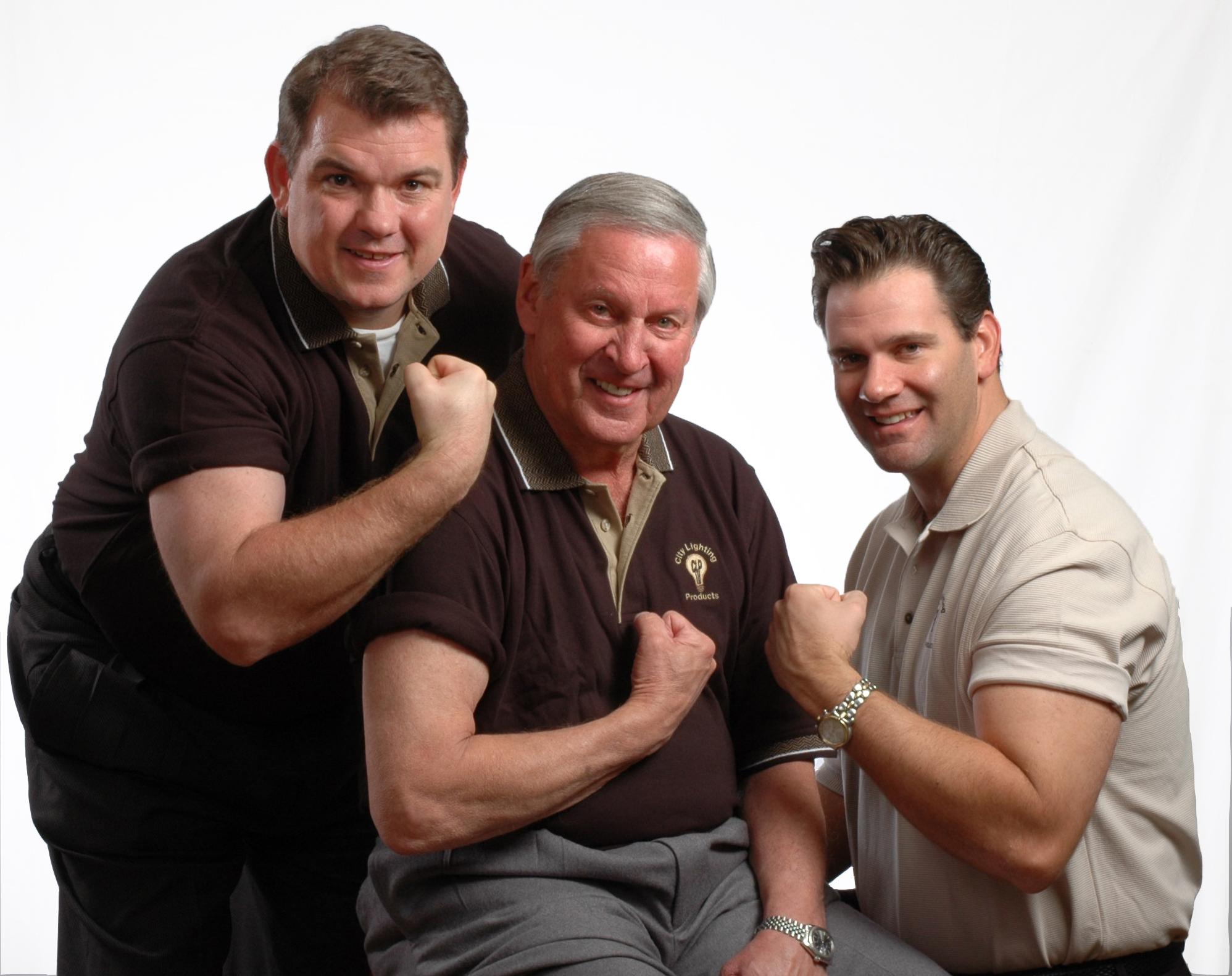
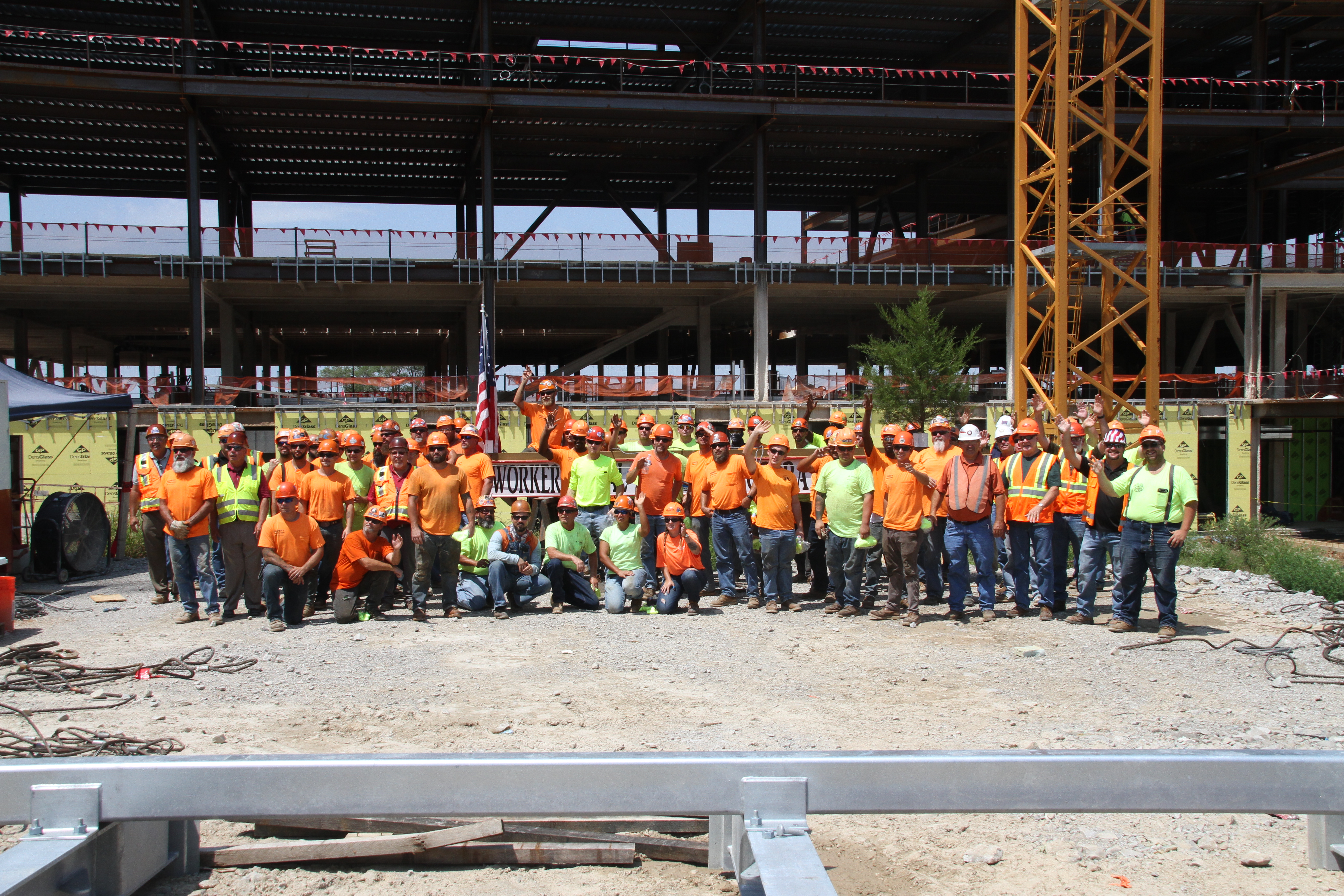
2. Images of Your Team in Action

Why it matters:
People want to know who they’ll be doing business with. Team photos—especially of staff performing services or engaging with clients—signal authenticity, professionalism, and a customer-focused mindset.

Best Practice:
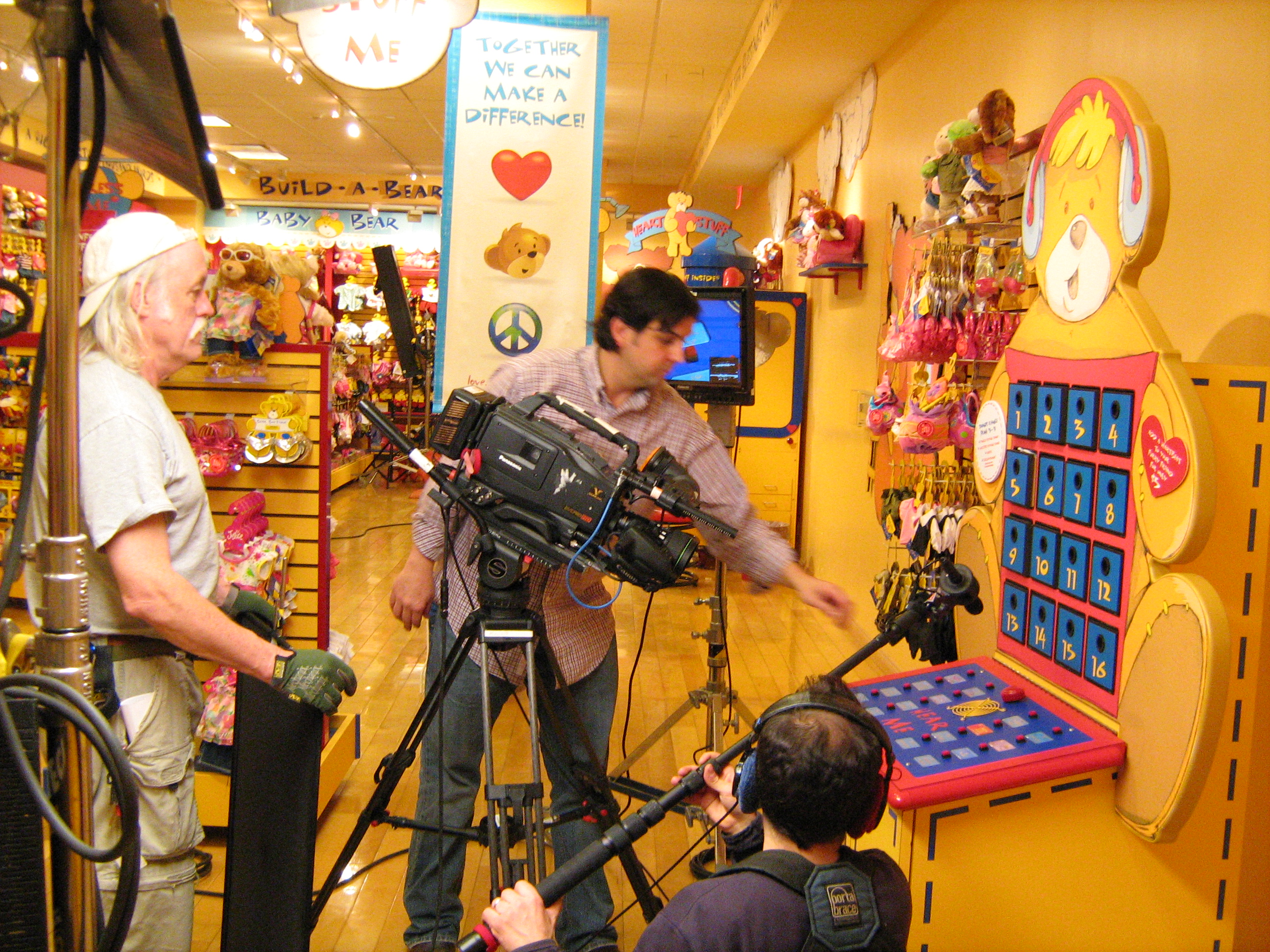
Avoid stiff or overly staged poses. Capture candid, documentary-style photos during real work scenarios. These build trust and reduce bounce rates on your site.


3. Product or Service Demonstration Shots

Why it matters:
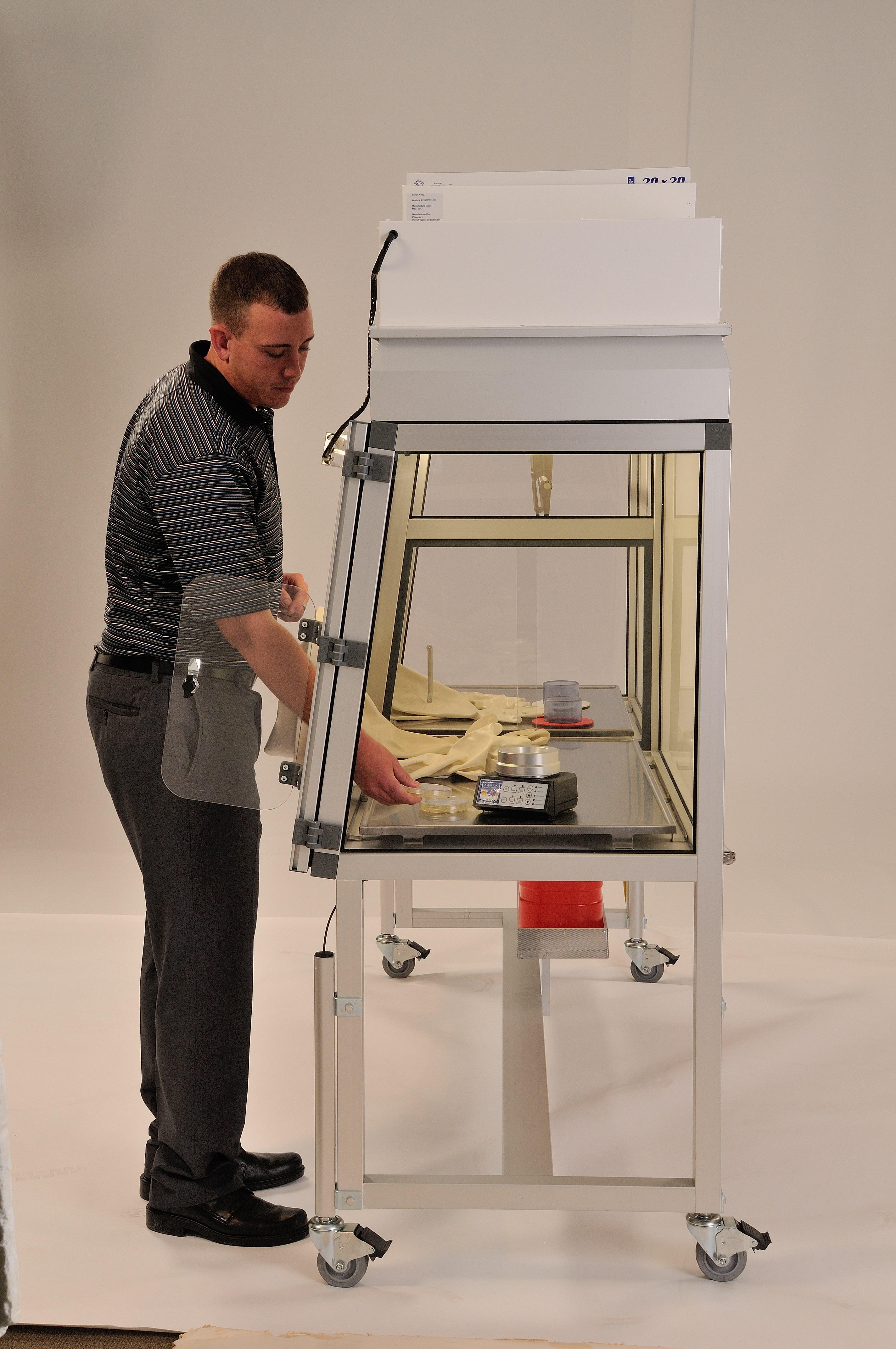
Showing your service in action (installing, repairing, consulting, creating, etc.) makes abstract offerings more tangible. It helps potential clients visualize the experience of working with you—and increases engagement with your content.

Best Practice:
Use high-resolution imagery that clearly shows process, tools, and people. On platforms like Google Business Profile and Yelp, these photos often outperform text in driving user decisions.


4. Photos Optimized for Social Sharing

Why it matters:
Platforms like Facebook, Instagram, and LinkedIn rely heavily on photo performance to determine reach. Eye-catching, brand-aligned visuals draw attention and improve engagement, shares, and organic visibility.

Best Practice:
Maintain consistent colors, fonts, and framing across your photo library. Include negative space where necessary for overlaid text or ad placements.


5. Client Testimonial and Case Study Images

Why it matters:
Testimonials are more credible when they include photos of real people. When potential clients can “see” your satisfied customers, it reinforces trust and gives your reputation a human face.

Best Practice:
Use natural lighting and pair testimonial quotes with candid portraits or environmental shots that relate to the story.


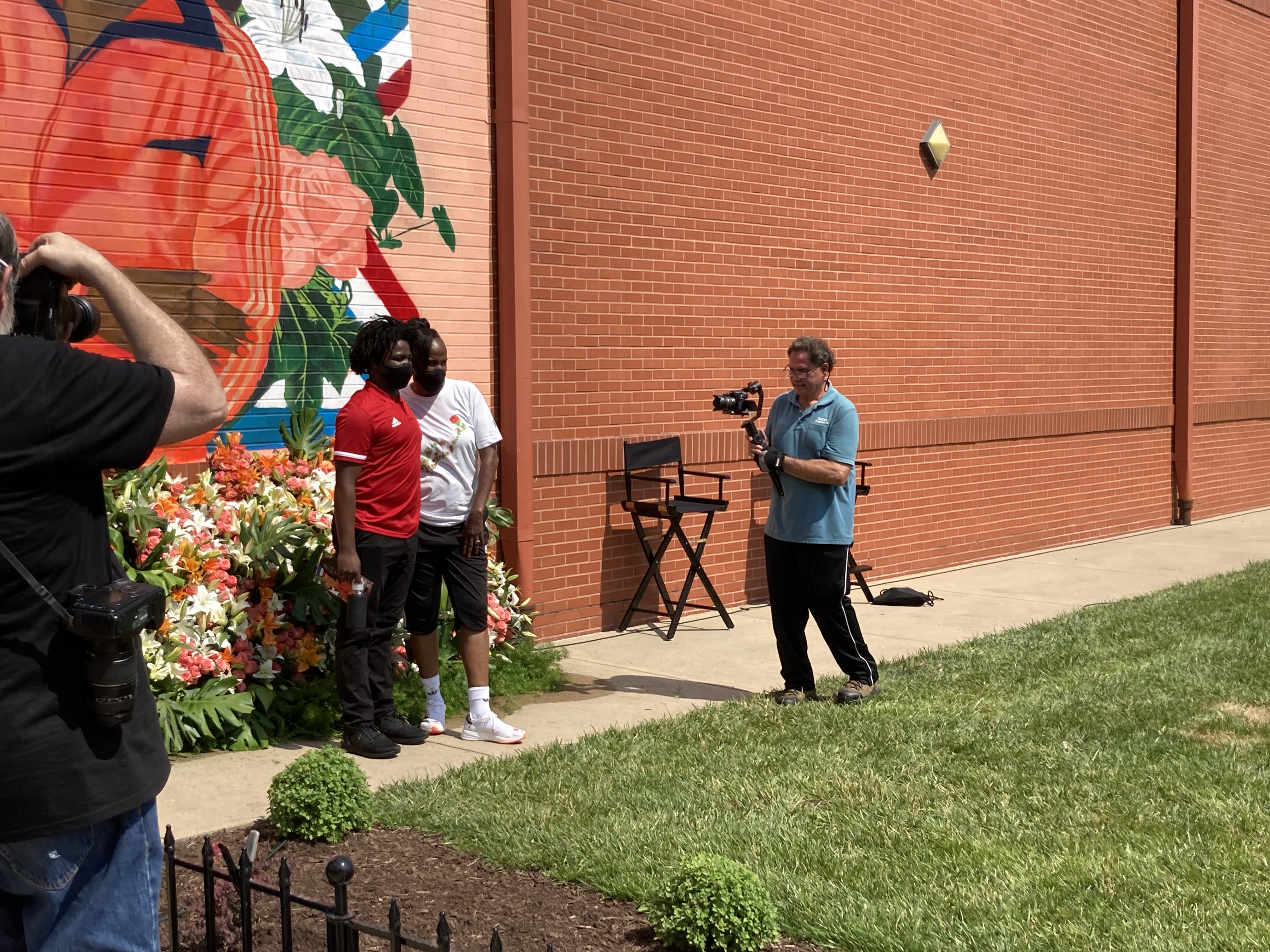
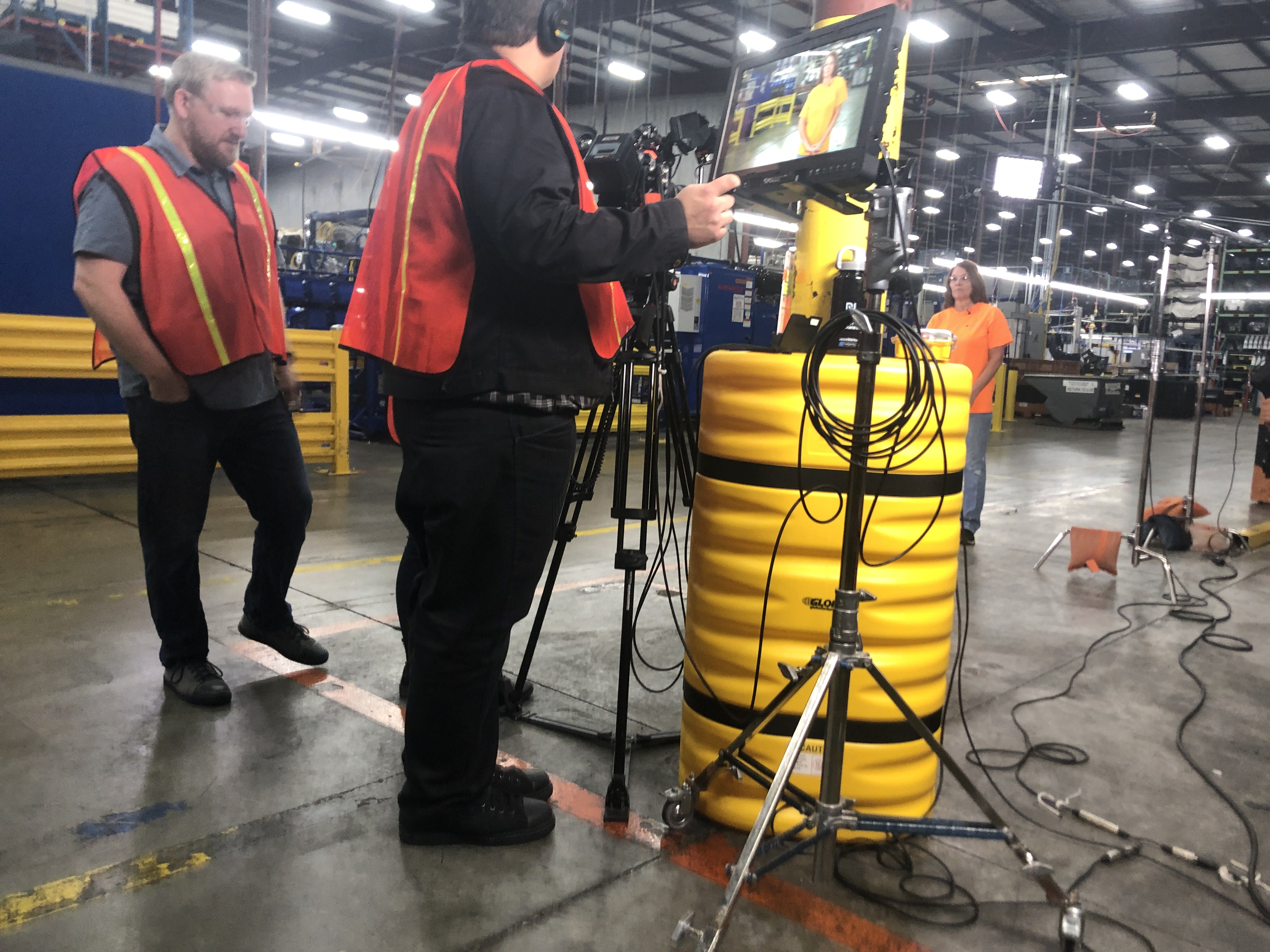
6. Behind-the-Scenes Photos

Why it matters:
Audiences are curious. Showing how your team operates behind the scenes builds transparency, relatability, and intrigue—boosting social engagement and increasing time spent on your pages.

Best Practice:
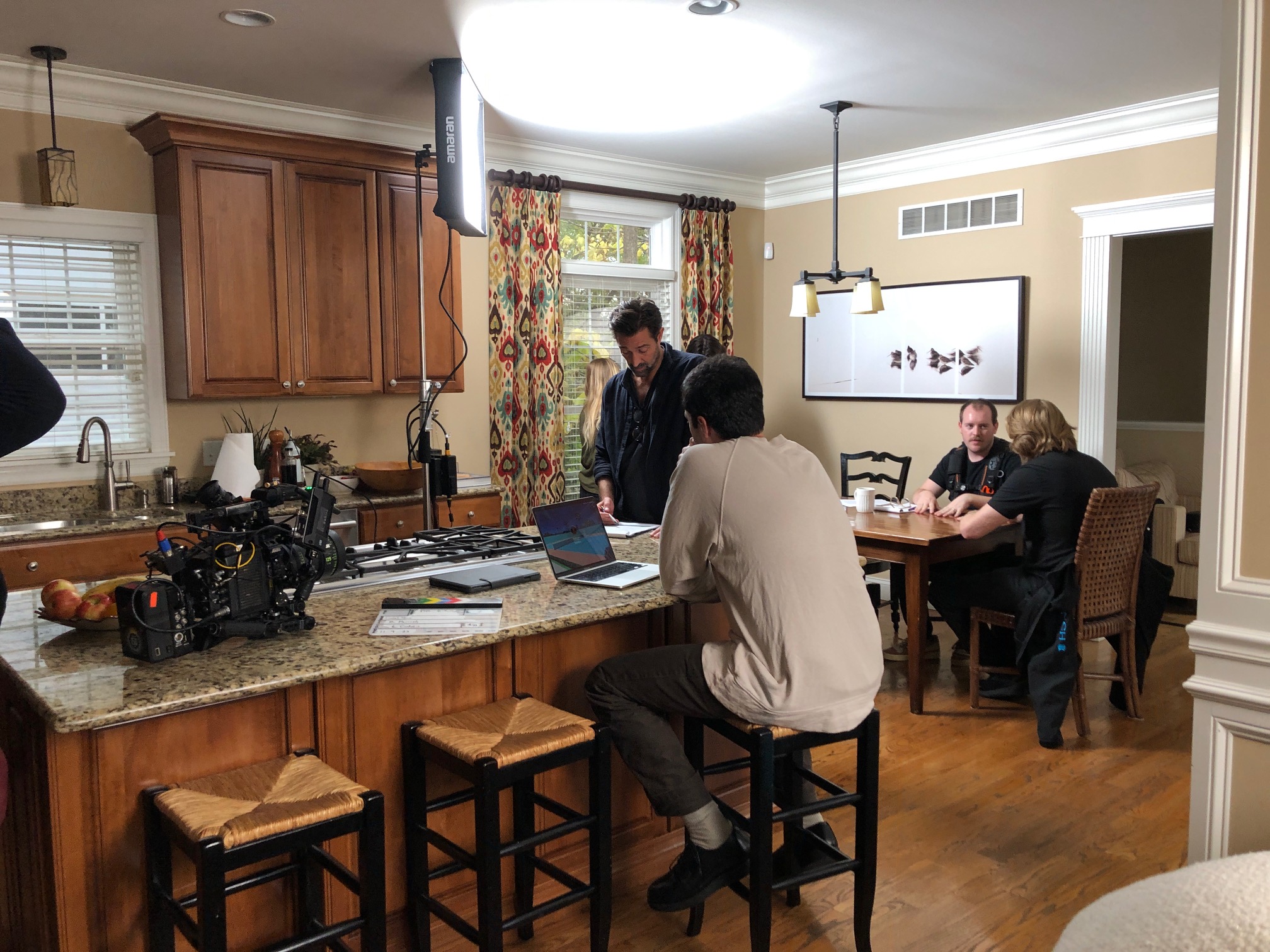
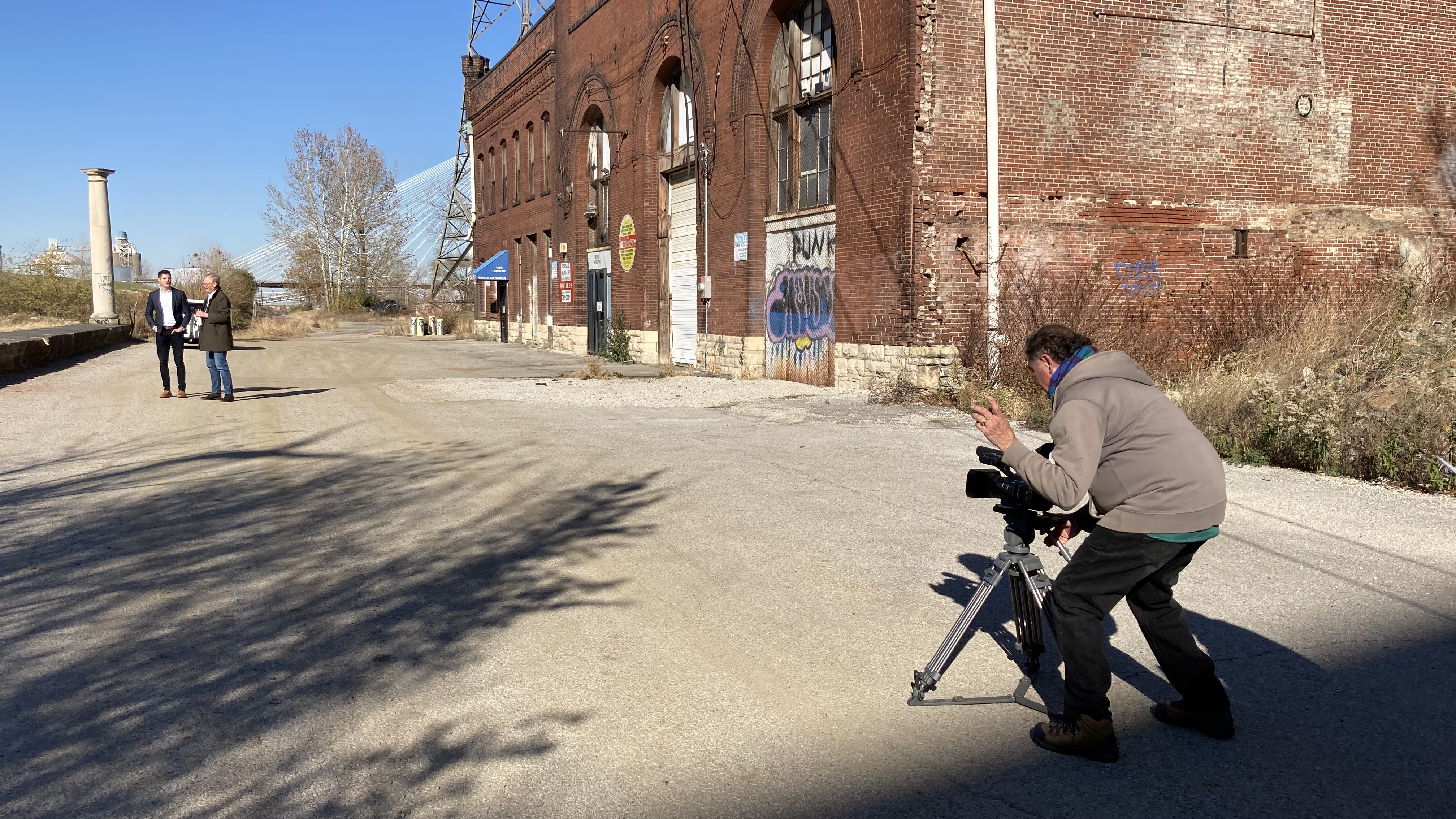
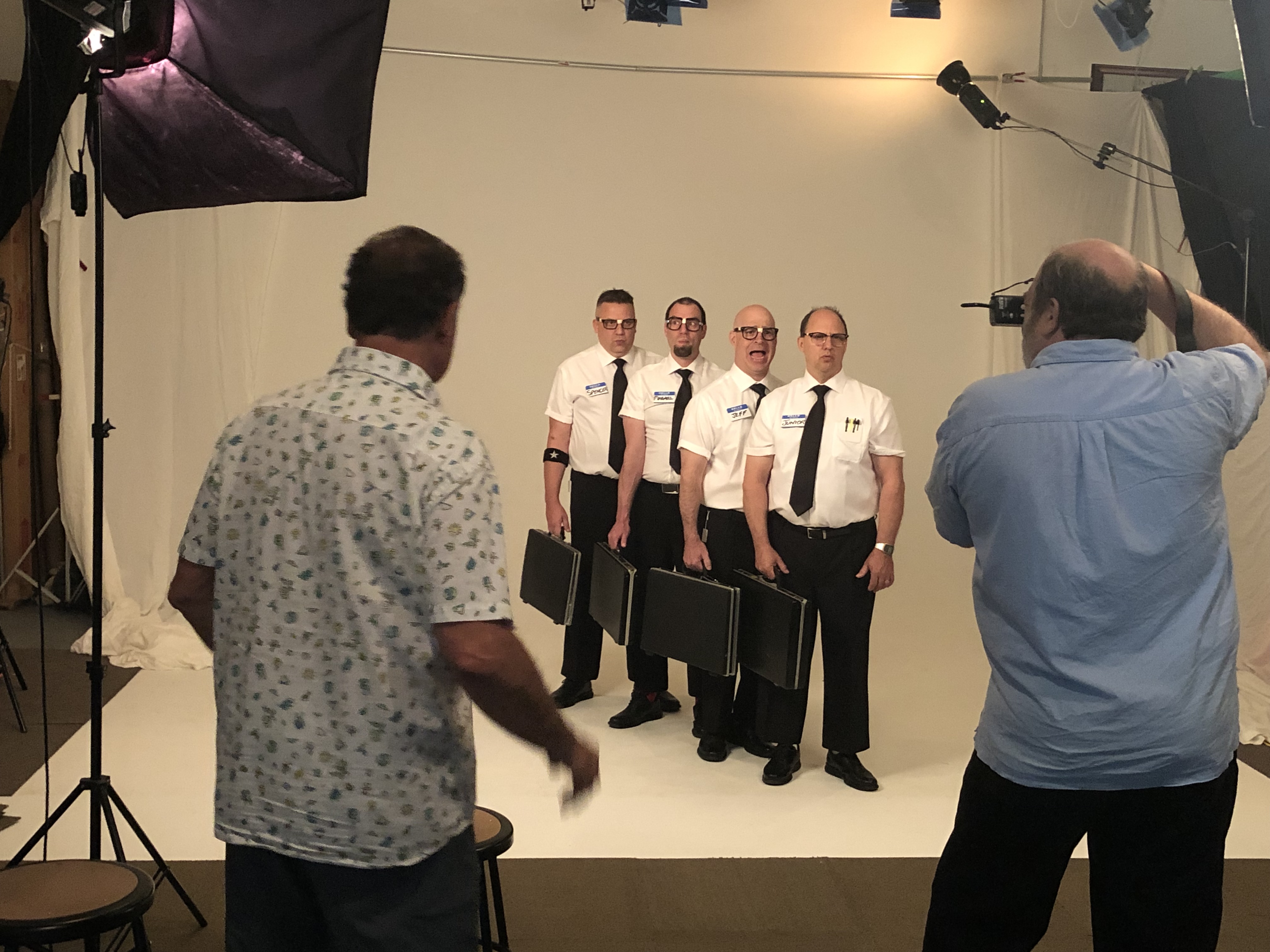
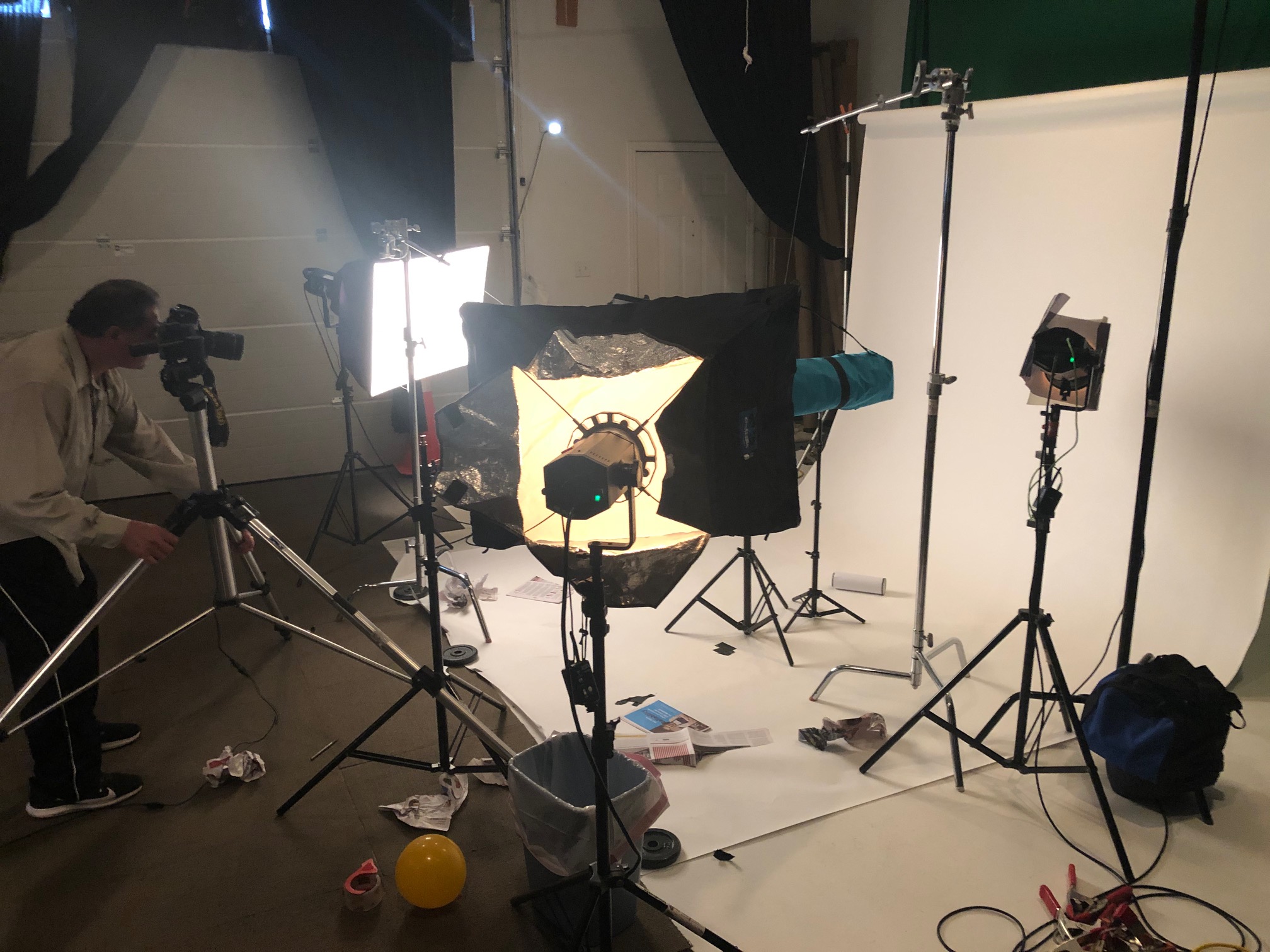
Capture behind-the-scenes moments during production, onboarding, training, or community events. These images often outperform polished studio shots in reach and response.


7. Photos with Built-In SEO Power

Why it matters:
Photos with keyword-rich file names, accurate alt text, proper image size, and fast load times improve your website’s SEO. Google Images is a growing discovery engine for services—don’t miss out on this traffic source.

Best Practice:
Name your images descriptively (e.g., “St-Louis-commercial-headshots.jpg”), embed alt tags thoughtfully, and compress files to load quickly without sacrificing quality.


Photography That Gets You Found—And Chosen

At St Louis Photo Studio, we do more than shoot attractive visuals—we create photography that performs. Our approach combines expert artistry with strategic marketing insight to help your business stand out and show up.

We offer:

  • Full-service studio and on-location photography and video production
  • Professional editing, retouching, and post-production
  • Licensed drone pilots for aerial photos that increase visibility—indoors and out
  • Private studio lighting setups ideal for brand storytelling and interviews
  • Strategic media repurposing to maximize value from every shoot
  • AI-enhanced media workflows for faster, smarter content delivery
  • Cross-platform content development for websites, search engines, and social media

Since 1982, St Louis Photo Studio has helped businesses, agencies, and marketers across the region elevate their visibility and drive real-world results with purposeful photography and video. We’re experienced in working with all media formats, marketing strategies, and visual branding styles—and we’re here to make your company easier to find, easier to trust, and easier to choose.

Let’s capture the content that helps your audience discover you—online and beyond.

314-913-5626

Mike Haller
stlouisphotostudio@gmail.com
4501 Mattis Road St Louis, MO 63128
How to Get Great Business Photos With AI and Your Photographer: Merging Innovation With Experience

In the fast-paced world of modern business, compelling visual content isn’t just a luxury—it’s essential. High-quality photos serve as your brand’s visual handshake, creating trust and connection with your audience in an instant. But in today’s evolving digital landscape, where Artificial Intelligence (AI) tools are rapidly reshaping creative workflows, the collaboration between a skilled photographer and cutting-edge AI technologies is the secret to producing impactful business images that truly stand out.

At St Louis Photo Studio, we believe that great business photography is the result of a seamless blend of artistic expertise, technical know-how, and smart technology. In this article, we’ll explore how decision makers in marketing and branding can work hand-in-hand with their photography team and AI-driven tools to produce stunning, authentic imagery that gets results.


Why Photography Still Requires a Human Touch

Despite the growing presence of AI in visual media, photography remains, at its core, a creative and interpretive craft. A seasoned photographer brings irreplaceable value to a business shoot by:

  • Understanding brand messaging and tone
  • Directing talent and composing engaging shots
  • Adapting to lighting conditions and unique environments
  • Bringing an artistic eye to every frame

While AI enhances the process, it cannot replicate the human connection, intuition, and creativity that experienced photographers bring to every project.


The Role of AI in Modern Business Photography

AI has quickly become an indispensable part of the photography and post-production workflow. At St Louis Photo Studio, we integrate the latest in AI to support—not replace—our creative process. Here’s how:

1. AI-Assisted Planning and Shot Optimization

AI helps us analyze shot composition, ideal lighting angles, and framing in real time. It enables faster setup and more precision in location or studio shoots. This means more efficiency and less guesswork on production day.

2. Smart Retouching and Post-Production

AI-powered tools accelerate our editing workflow, allowing for highly efficient color correction, blemish removal, and background enhancements—without compromising quality or authenticity.

3. Image Tagging and File Organization

Our AI-based systems streamline media management by auto-tagging images, organizing them by usage or content type, and converting files into formats ideal for websites, print, or social media—all optimized for your marketing goals.

4. Content Repurposing for Multiple Platforms

AI makes it easier than ever to repurpose a single photoshoot into a variety of content formats—portrait crops for LinkedIn, wide banners for websites, thumbnails for YouTube, or square shots for Instagram. Your business gets more mileage and value from every session.


Collaboration Is Key: Working With Your Photographer

As a decision maker, your insights are invaluable during every phase of the process. To get the most from your AI-powered photography session, consider the following:

  • Define your goals clearly. Are these images for a website, print campaign, or internal communications?
  • Provide mood boards or references. Visuals help us match your style and align our creative approach with your brand identity.
  • Discuss AI applications upfront. Whether it’s fast-tracking edits or batch-processing variations, our team can tailor our AI tools to meet your needs.
  • Trust the creative process. Let our team guide the technical side, while you focus on your company’s messaging and strategy.

Real-World Example: Turning One Session Into Multiple Assets

A recent corporate client came to us for updated headshots and website imagery. Through careful planning and the integration of AI-assisted post-production, we were able to provide:

  • Traditional and casual headshot options
  • Group team photos
  • Office culture shots
  • Cropped assets for social media profiles
  • Branded image overlays for presentations

All from one shoot—saving time, money, and keeping visual branding consistent across platforms.


Why St Louis Photo Studio Is the Right Partner

At St Louis Photo Studio, we’re more than just photographers. We are a full-service professional commercial photography and video production company with over 40 years of experience working with businesses, marketing firms, and creative agencies across St. Louis.

Here’s what sets us apart:

  • We offer studio and location video and photography, as well as editing, post-production, and licensed drone pilots for aerial work—including indoor drone flights.
  • Our private studio lighting and visual setup is ideal for small productions and interview scenes, and our studio space accommodates props and custom sets.
  • We repurpose your photography and video branding to gain more traction across multiple media channels.
  • We are well-versed in all media file types, formats, and accompanying software.
  • We use the latest Artificial Intelligence tools to enhance, not replace, the human-driven creative process.
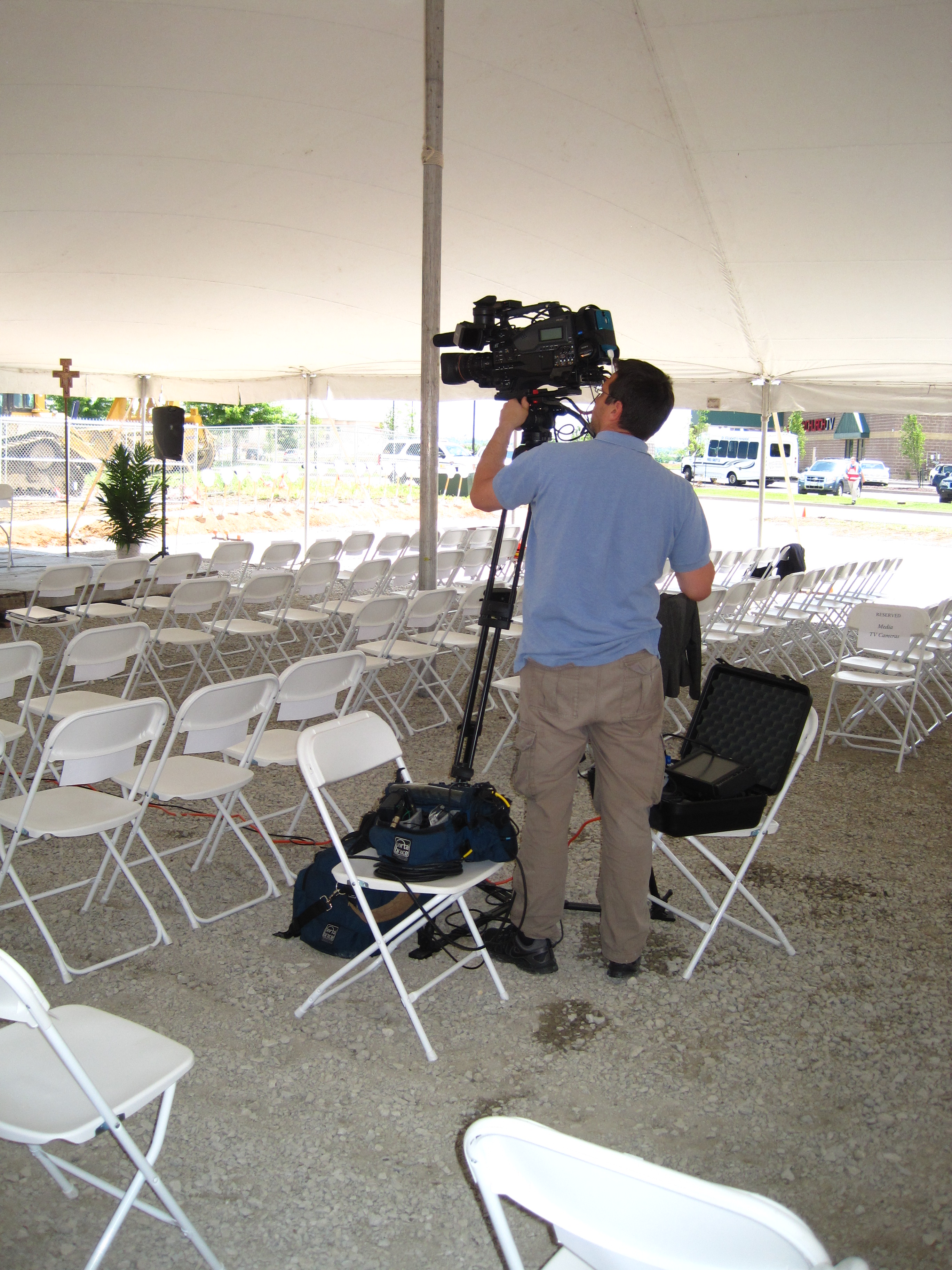
  • Our creative crew includes experienced sound and camera operators, and we provide equipment and guidance for every phase of your production.

Since 1982, we’ve delivered photography and video that captures the essence of brands and helps them connect with their audiences. Let us do the same for your business.


Ready to elevate your brand’s visual content with the perfect blend of AI innovation and professional artistry? Contact St Louis Photo Studio today to plan your next business photography session.

314-913-5626

stlouisphotostudio@gmail.com

Essential Tips for Capturing Stunning Product Images in a Photo Studio

In today’s digital age, where visual content dominates the online landscape, the importance of high-quality product images cannot be overstated. Whether you’re selling products online, creating marketing materials, or showcasing your offerings in a catalog, compelling images are essential for grabbing attention and driving sales. As decision-makers in photography and video production services for businesses and organizations, understanding how to capture stunning product images is paramount. In this guide, we’ll delve into some essential tips for achieving exceptional results in a photo studio setting.

Take the time to carefully arrange your products within the frame, considering factors such as balance, symmetry, and negative space.

1. Lighting is Key

One of the most critical elements in product photography is lighting. Proper lighting can make all the difference in showcasing the details, textures, and colors of your products. In a studio environment, consider using soft, diffused lighting to minimize harsh shadows and create a more flattering look. Experiment with different lighting setups, such as using a combination of key, fill, and backlighting, to achieve the desired effect for each product.

2. Pay Attention to Composition

Composition plays a crucial role in product photography, as it determines how your products are presented to your audience. Take the time to carefully arrange your products within the frame, considering factors such as balance, symmetry, and negative space. Experiment with different angles and perspectives to highlight unique features and create visual interest.

3. Focus on Details

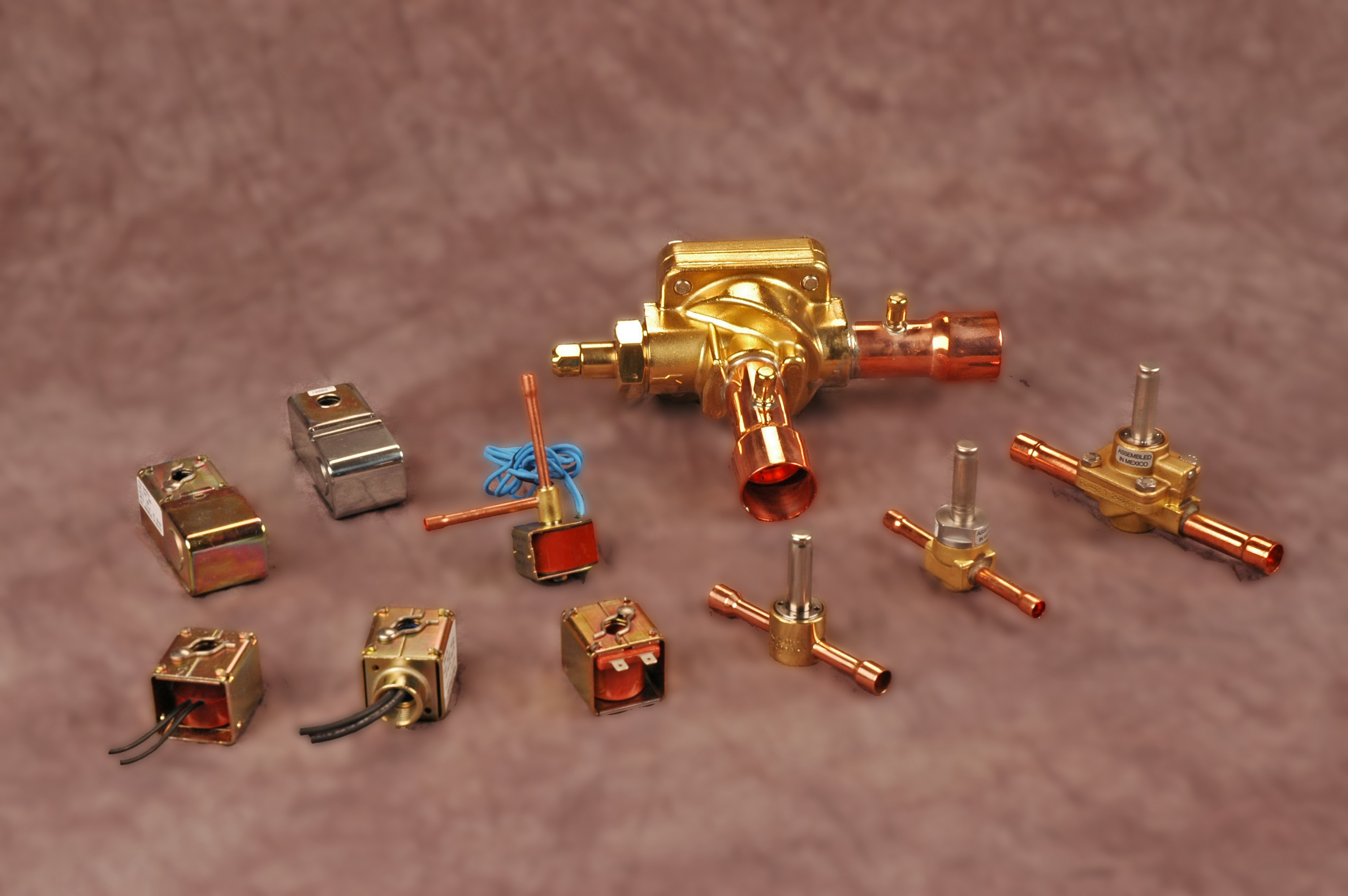
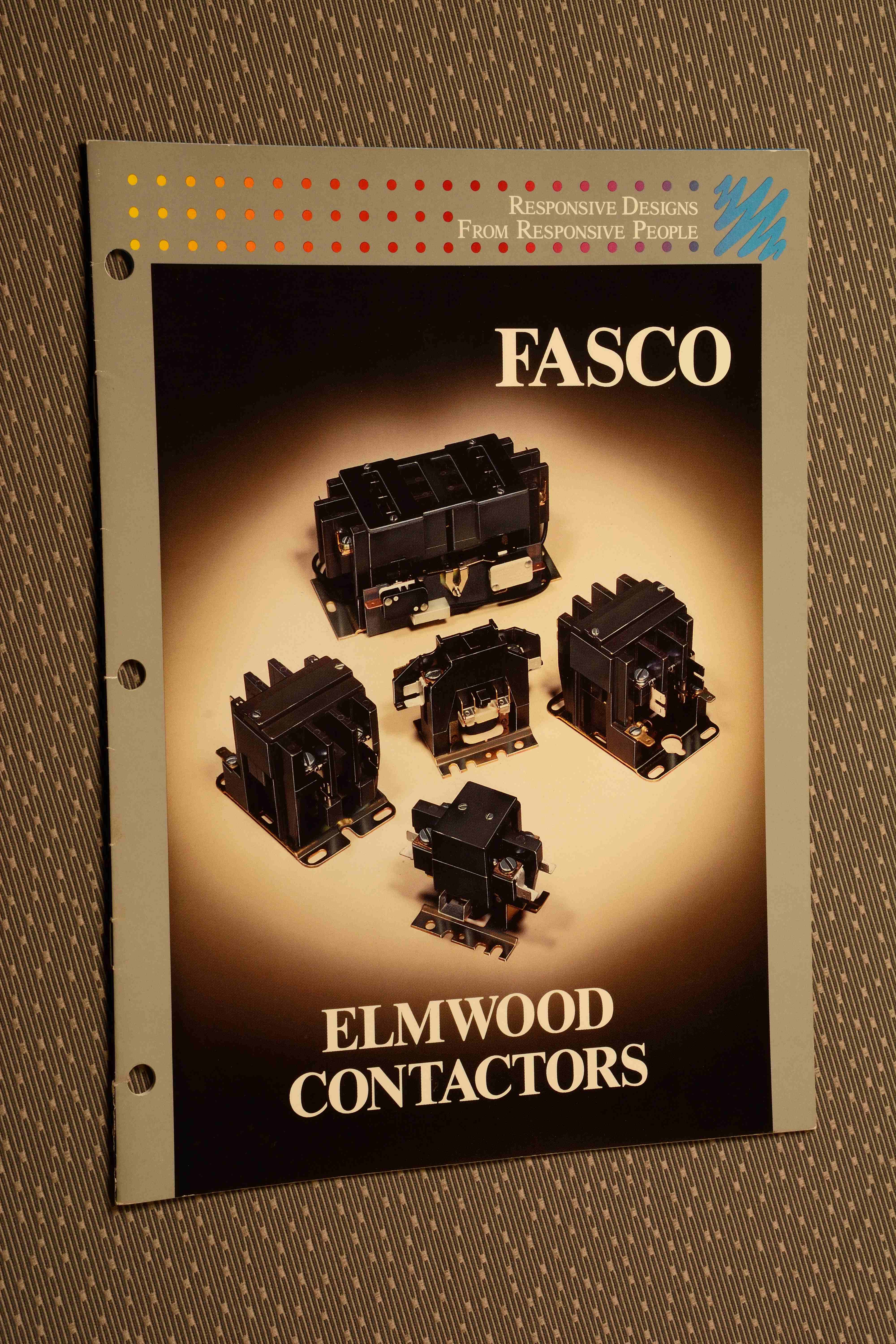
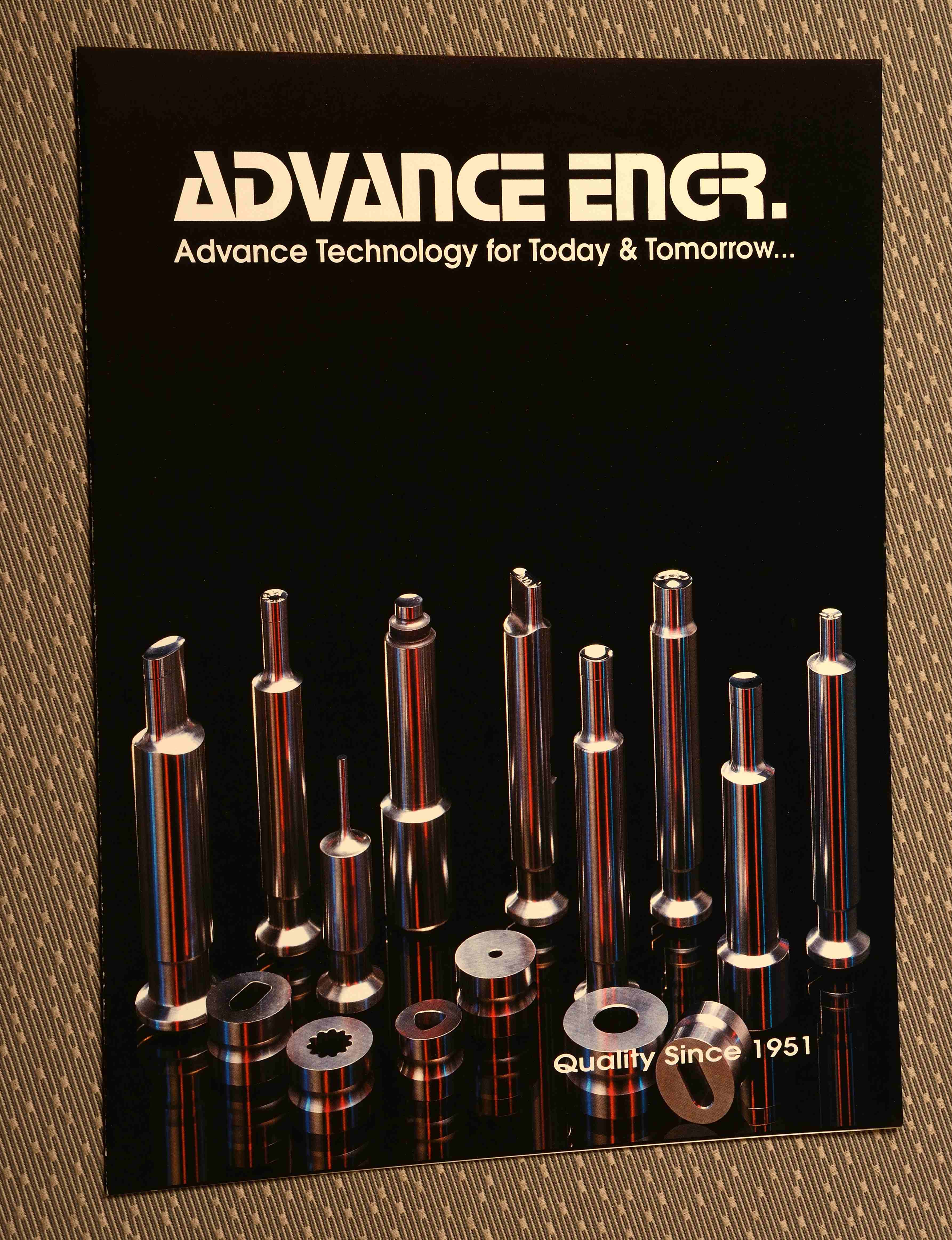
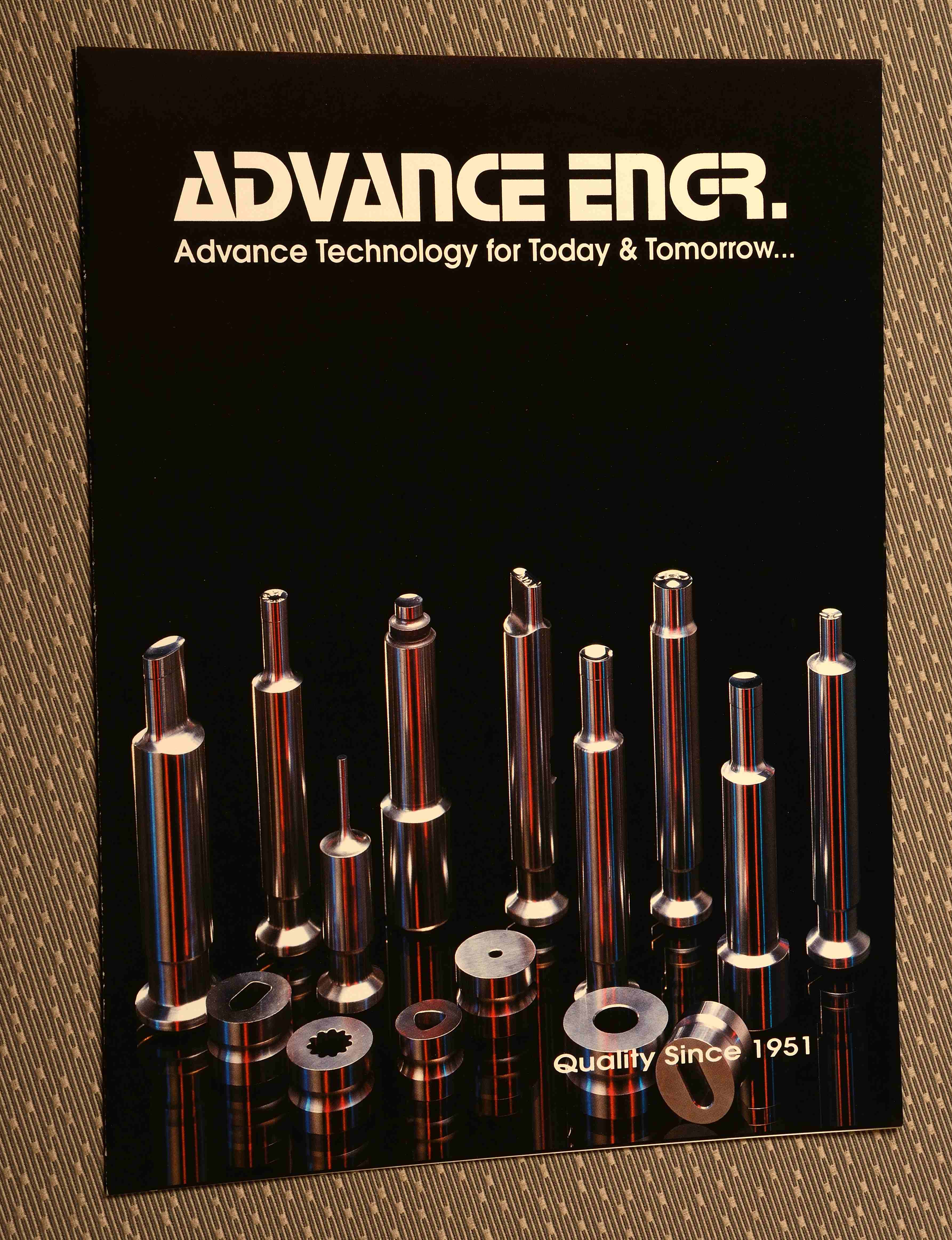
When photographing products, it’s essential to capture all the intricate details that make them stand out. Use a macro lens or zoom in closely to showcase textures, patterns, and fine craftsmanship. Pay attention to small elements such as stitching, logos, and product finishes, as these details can make a significant difference in the overall presentation.

4. Use Props Wisely

While the focus should always be on the product itself, strategically incorporating props can enhance the visual appeal of your images. Choose props that complement your products and help tell a story or evoke a specific mood. Be mindful not to overpower the main subject with excessive props, as simplicity often leads to more impactful imagery.

5. Invest in Professional Equipment

To achieve professional-grade results, it’s essential to invest in high-quality equipment suited for product photography. This includes cameras, lenses, lighting gear, and accessories tailored to your specific needs. While smartphone cameras have improved significantly in recent years, dedicated photography equipment still offers superior versatility and image quality for commercial applications.

Conclusion

Capturing stunning product images in a photo studio requires careful attention to detail, creative vision, and the right tools and techniques. By focusing on lighting, composition, details, props, and professional equipment, you can create visually compelling imagery that effectively showcases your products and captivates your audience.

At St. Louis Photo Studio, we understand the importance of high-quality photography and video production for businesses and organizations. As a full-service professional commercial photography and video production company, we have the experience, equipment, and creative expertise to bring your vision to life. From studio and location shoots to editing, post-production, and licensed drone services, we can tailor our services to meet your diverse media requirements. Let us help you elevate your brand with stunning imagery that leaves a lasting impression.

Call to Action: As a full-service video and photography production company, St. Louis Photo Studio has worked with many businesses, marketing firms, and agencies in the St. Louis area for their corporate photography and video. Contact us today to discuss your project needs and discover how we can help you achieve your goals.


By incorporating these essential tips into your product photography workflow, you can elevate the visual appeal of your offerings and make a lasting impression on your audience. Whether you’re selling products online, promoting your brand, or creating marketing materials, stunning product images can set you apart from the competition and drive success for your business.

314-913-5626

stlouisphotostudio@gmail.com