Stop Leaks Before They Start with Better Building Intelligence
Roof failures rarely begin with dramatic signs. More often, they begin quietly—beneath the membrane, around seams, near penetrations, along flashing details, or in areas where insulation has started to retain moisture long before anyone sees a stain on a ceiling tile. By the time water intrusion becomes obvious inside a facility, the damage has often already expanded into insulation, decking, interior finishes, equipment areas, or occupied spaces.
For facility directors, property managers, school administrators, healthcare operations teams, plant managers, and commercial building owners, that delay creates a familiar problem: reactive maintenance is expensive, disruptive, and difficult to defend. Emergency repairs tend to happen on the roof’s schedule, not yours.
That is why thermal drone inspection has become such a valuable tool in modern building management.
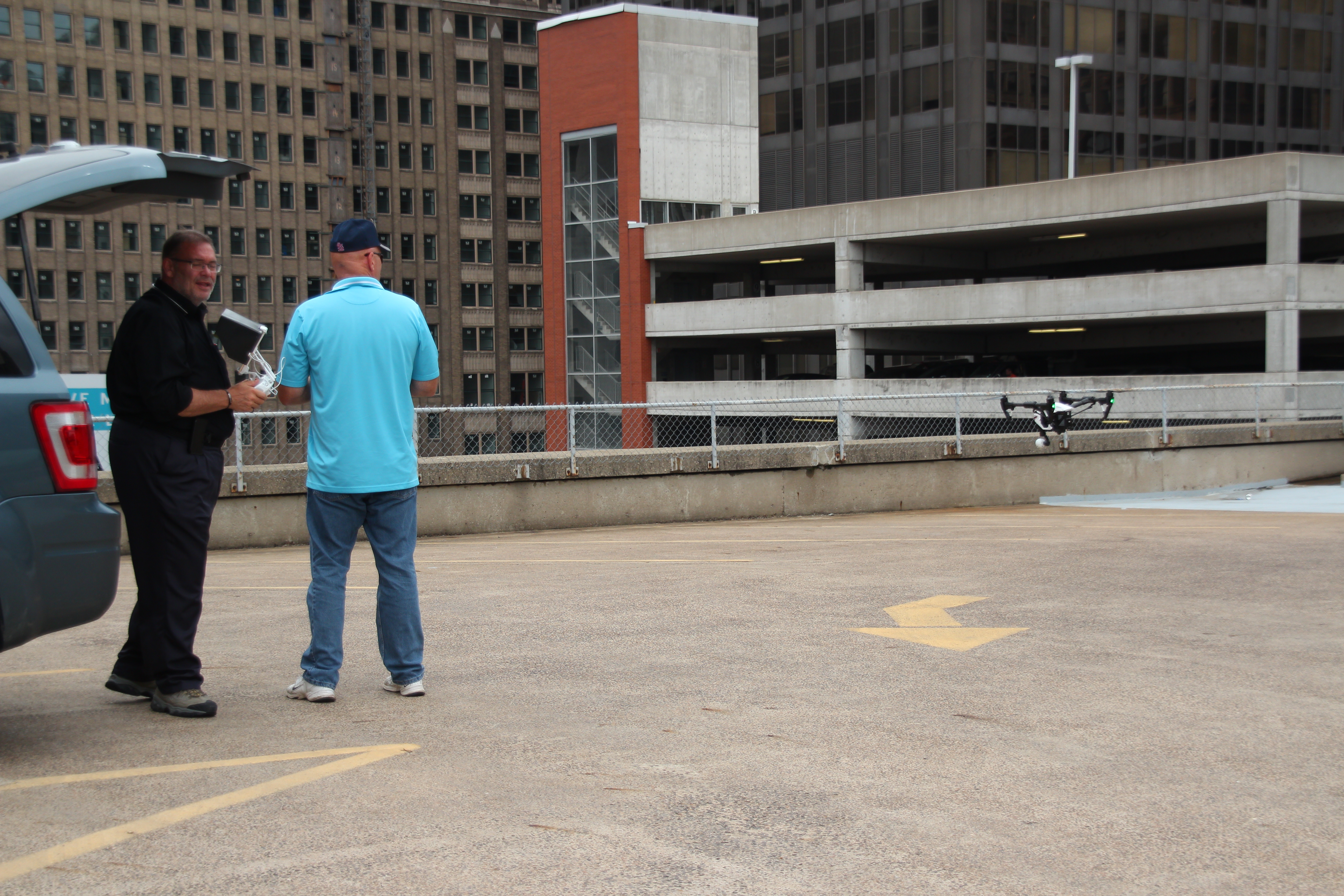
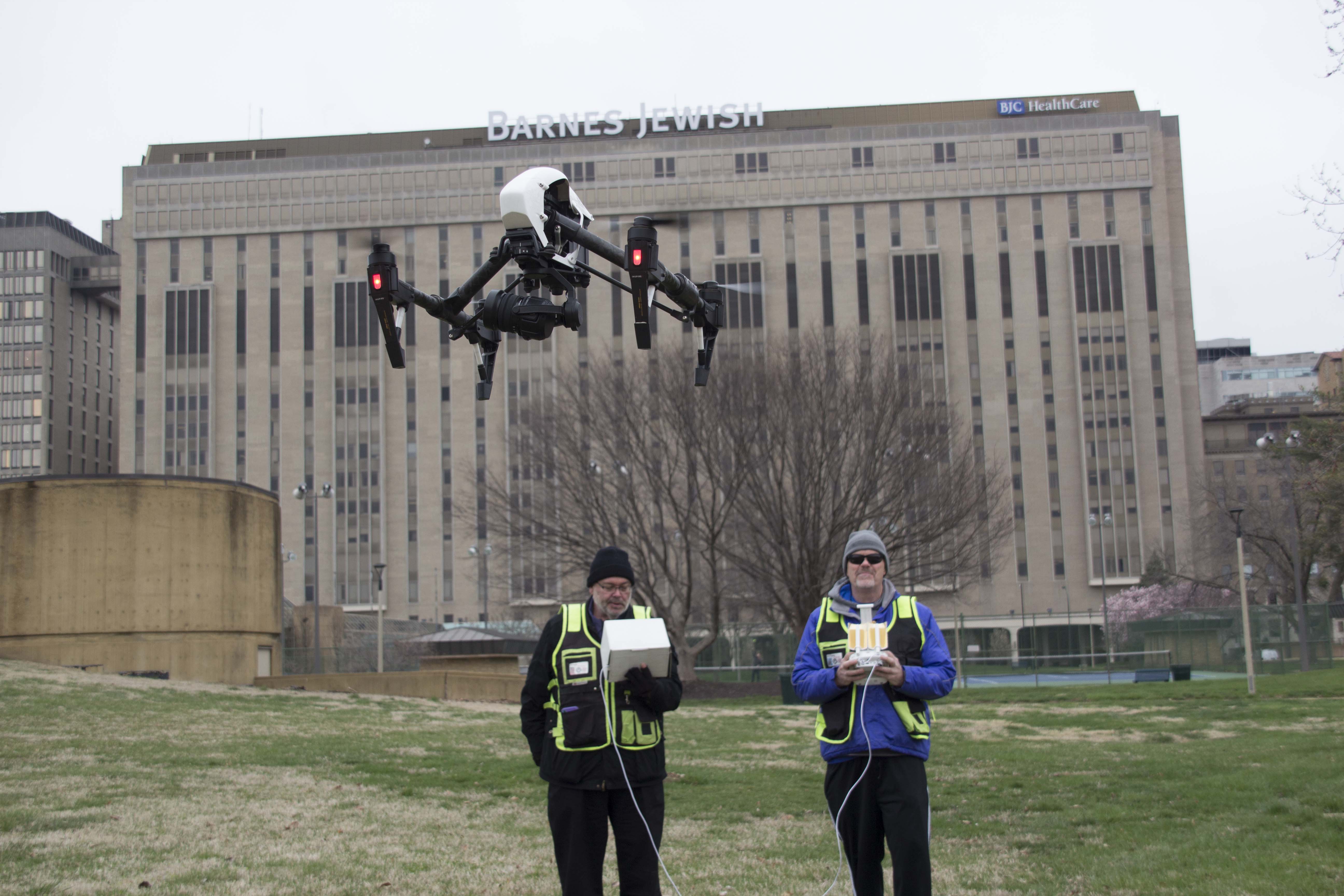
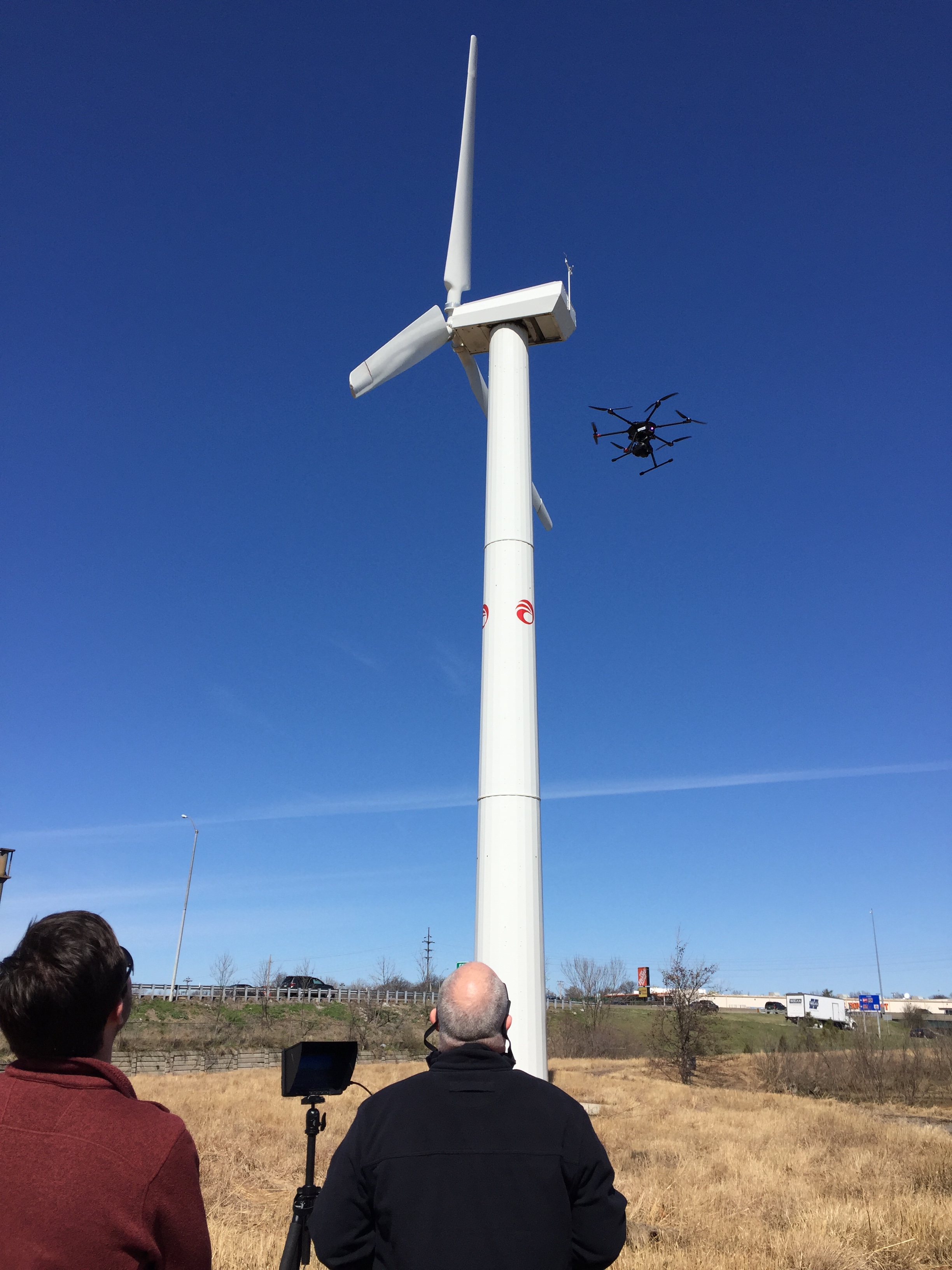
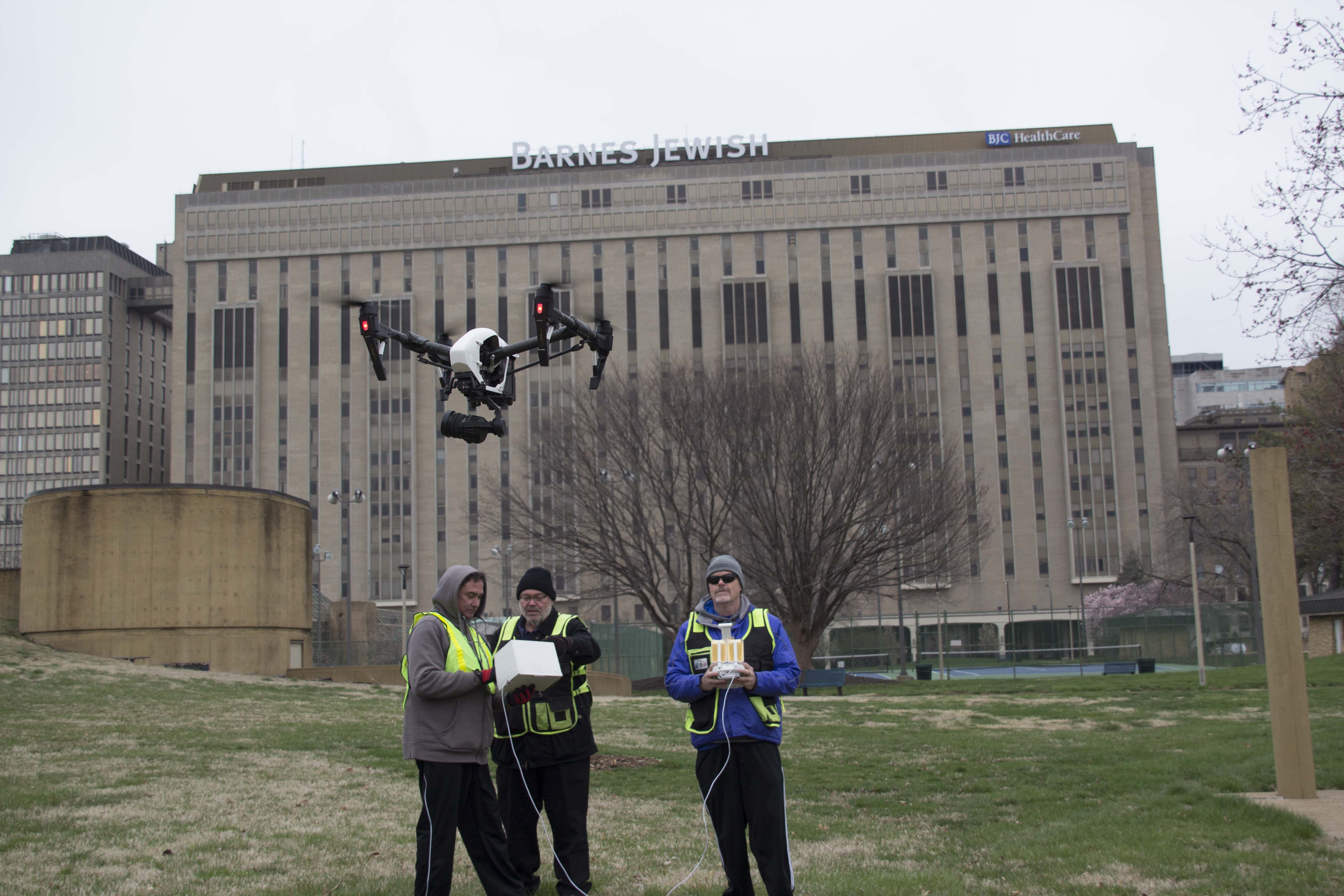
At St Louis Photo Studio, we help organizations identify roof anomalies earlier by using FLIR thermal drone services, radiometric imaging, and high-resolution aerial mapping to document roof conditions with greater speed, coverage, and consistency. The goal is not guesswork. The goal is actionable visibility. When decision makers can see thermal patterns, compare conditions over time, and maintain timestamped records, they can make smarter repair, maintenance, warranty, and capital planning decisions.
Why Roof Moisture Is So Difficult to Detect Early
Most commercial roofs do not fail all at once. Water intrusion often develops incrementally. Small punctures, failed seams, flashing issues, ponding areas, aging materials, and damage around rooftop equipment can all allow moisture to enter the roofing system. Once inside, water may travel laterally, saturate insulation, and remain hidden long before conventional visual inspection identifies the full extent of the problem.
That creates several challenges:
- A roof may look acceptable from ground level.
- A walk-through inspection may identify symptoms, but not the broader pattern.
- Localized repairs may miss the full wet area.
- Undocumented deterioration can complicate insurance, warranty, and budget conversations.
- Moisture left in place can accelerate thermal inefficiency, mold risk, and structural deterioration.
For many organizations with multiple facilities or large roof areas, traditional inspection methods alone may not provide the coverage or documentation needed to make confident decisions.
How FLIR Thermal Drone Services Help
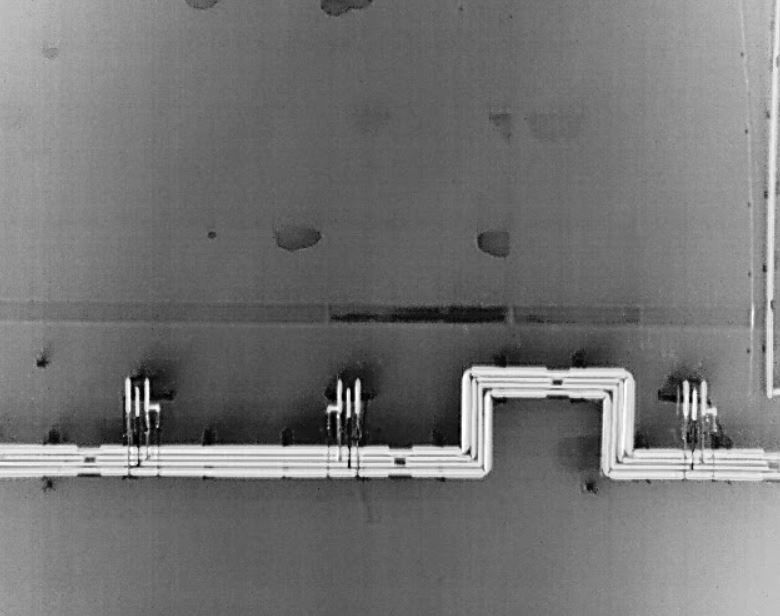
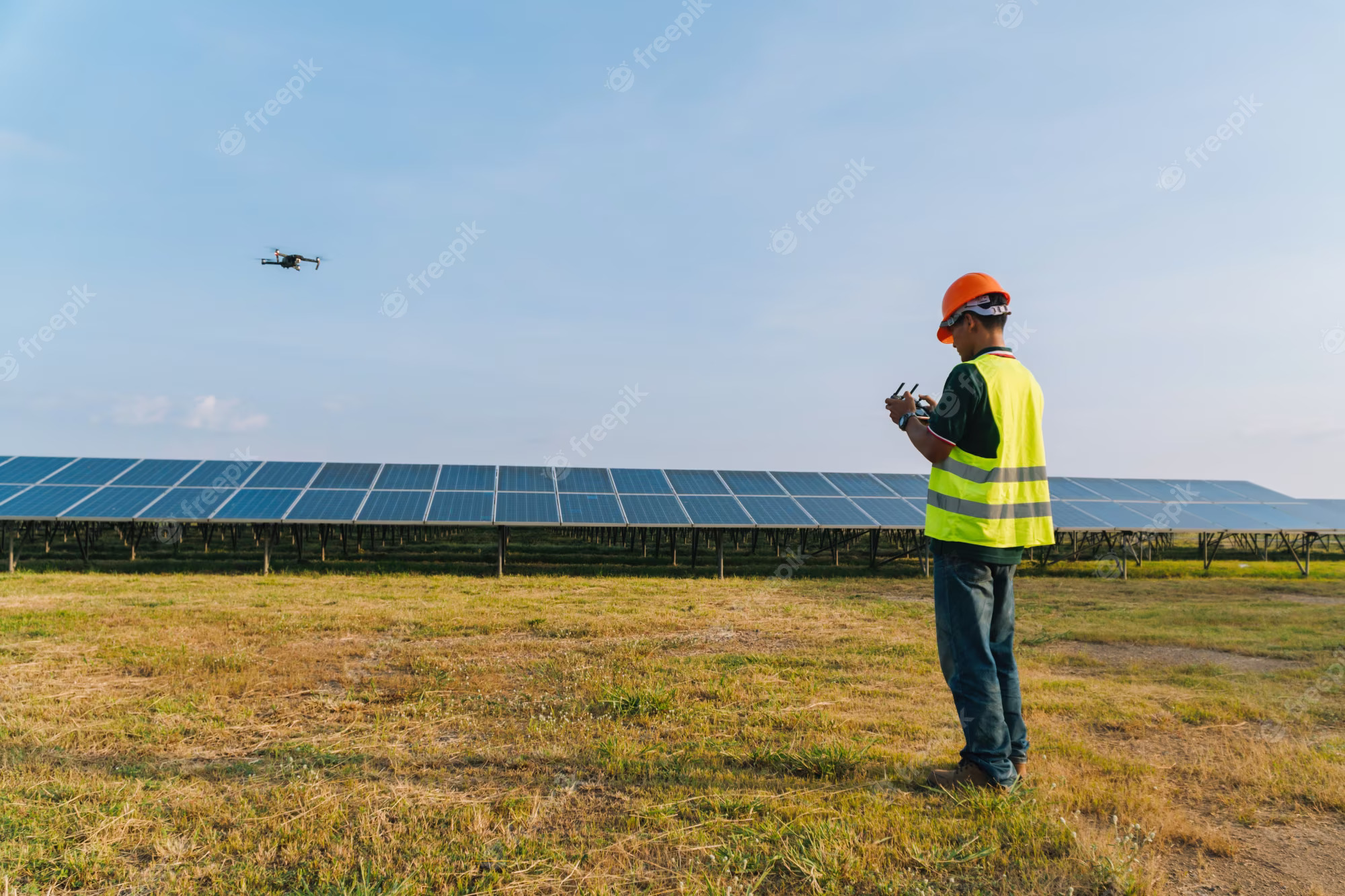
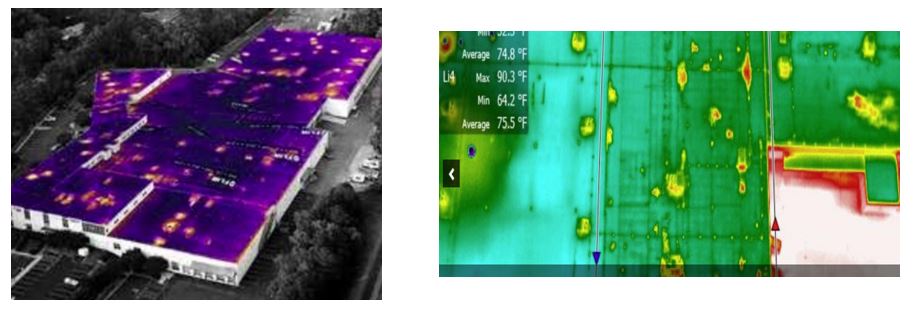
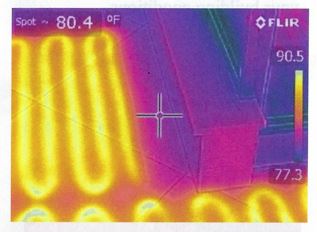
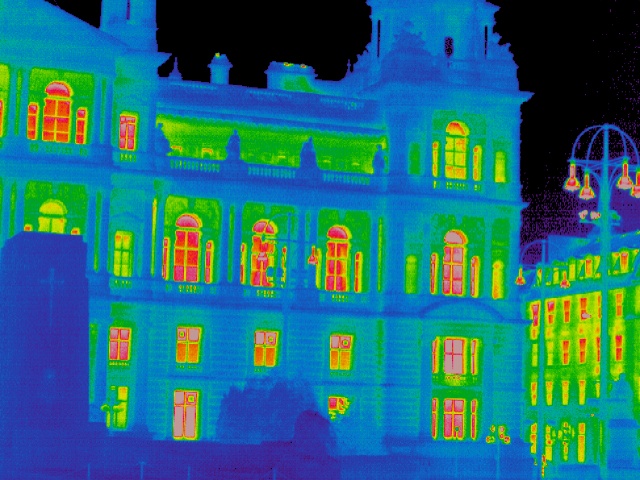
A thermal drone inspection uses an aerial platform equipped with a FLIR thermal camera to scan roof surfaces and identify temperature differences across the building envelope. Under the right conditions, areas containing trapped moisture often retain and release heat differently than dry surrounding materials. Those differences can appear as thermal anomalies in the captured imagery.
This gives facility leaders a faster way to assess broad roof surfaces and prioritize where closer investigation or destructive verification may be warranted.
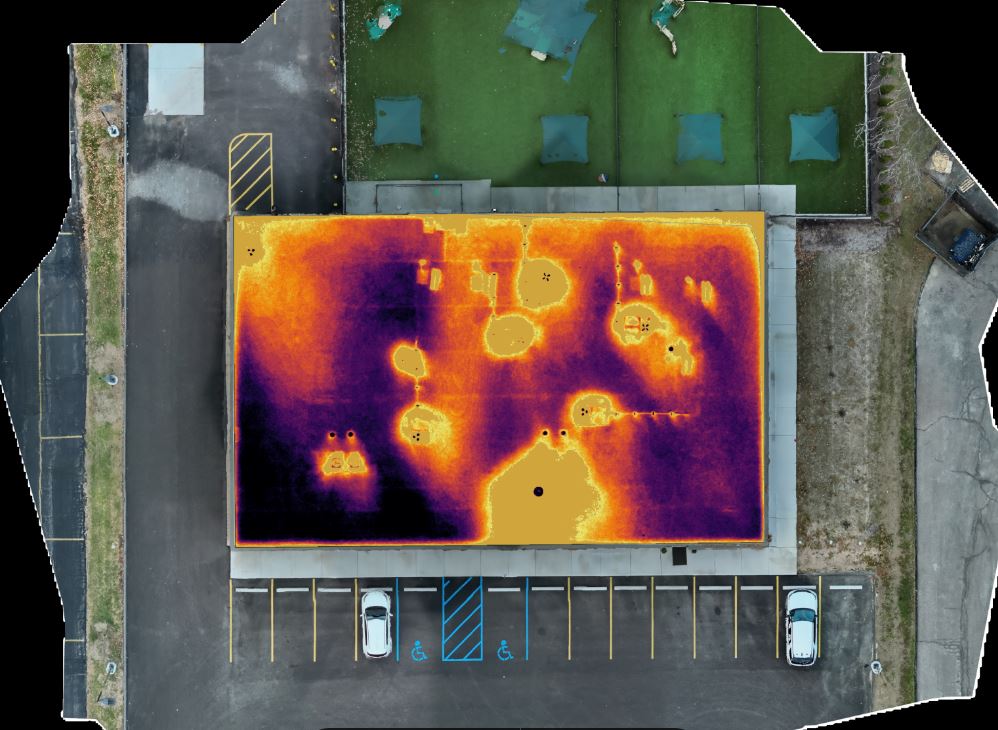
The real advantage is not just the thermal image itself. It is the combination of:
- Thermal imaging
- Radiometric data capture
- High-resolution visual imagery
- Orthomosaic roof mapping
- Timestamped inspection records
- Repeatable documentation over time
Instead of relying only on written notes or isolated still photos, you gain a visual data set that can support maintenance strategy, contractor coordination, and long-term asset management.
From Reactive Repairs to Defensible Records
One of the biggest shifts in facility operations today is the move from reactive response to documented building intelligence. Leaders want more than a one-time inspection. They want a system for understanding building condition over time.
That is where thermal drone services become especially valuable.
At St Louis Photo Studio, we focus on building data-driven inspection workflows that help clients create defensible records of roof and asset conditions. A timestamped thermal survey can support:
- Annual roof condition monitoring
- Seasonal comparisons
- Pre-purchase property due diligence
- Post-storm assessment documentation
- Maintenance prioritization
- Capital expenditure planning
- Contractor scope discussions
- Insurance and warranty support
- Multi-site facility benchmarking
When you manage schools, healthcare properties, industrial facilities, office campuses, or commercial real estate portfolios, documented condition records matter. They help reduce uncertainty. They also improve communication between internal teams, consultants, roofing contractors, and executive leadership.
Why Decision Makers Are Turning to Thermal Drones
For organizations with large or complex buildings, thermal drones offer several practical advantages over limited spot checks or purely manual observation.
1. Faster Coverage of Large Roof Areas
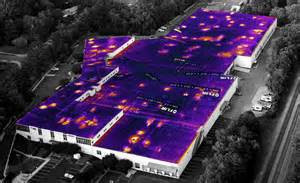
Large flat roofs, low-slope commercial roofs, and campus-style facilities are difficult to evaluate comprehensively from a ladder-and-walk approach alone. Drone-based thermal capture allows broader coverage in less time, helping teams see patterns across the entire roof system rather than isolated areas.
2. Better Visualization of Anomalies
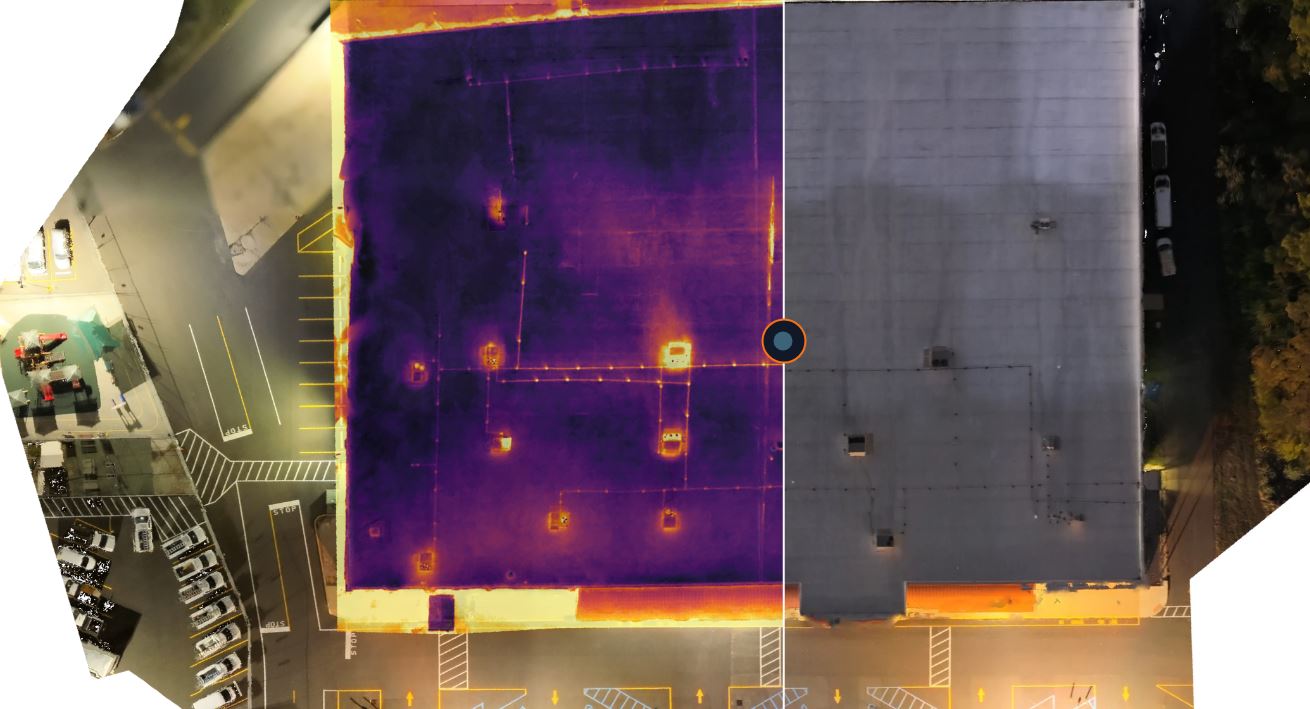
A thermal map helps decision makers understand where anomalies cluster—around drains, curbs, mechanical penetrations, expansion joints, edges, seams, or other high-risk zones. That visual context helps distinguish a minor isolated issue from a broader moisture concern.
3. Safer Inspection Workflow
Reducing unnecessary foot traffic on roofs can be beneficial, especially where roof access is limited, surfaces are sensitive, or safety planning is complex. Drone capture helps gather critical information while minimizing some of the access burdens associated with traditional inspection methods.
4. More Useful Documentation
Decision makers often need more than verbal conclusions. They need records they can share. Thermal drone deliverables create a stronger visual foundation for maintenance discussions, budgeting, and repair prioritization.
5. Repeatable Monitoring
When the same facility is surveyed over time, thermal drone data can help identify persistent problem areas, track the impact of repairs, and support a more disciplined preventive maintenance program.
What Radiometric Data Adds to the Process
Many people hear “thermal drone” and think only of colorful heat images. But radiometric data adds another level of usefulness. Radiometric thermal capture records temperature-related measurement information for each pixel, which allows for more detailed review and post-processing than a standard non-radiometric thermal image.
For facility and asset management teams, that matters because the goal is not simply to create attractive visuals. The goal is to support analysis, comparison, and documentation.
Radiometric workflows can help teams:
- Review temperature variation in more detail
- Compare anomaly intensity across areas
- Maintain consistent inspection archives
- Improve reporting clarity for internal and external stakeholders
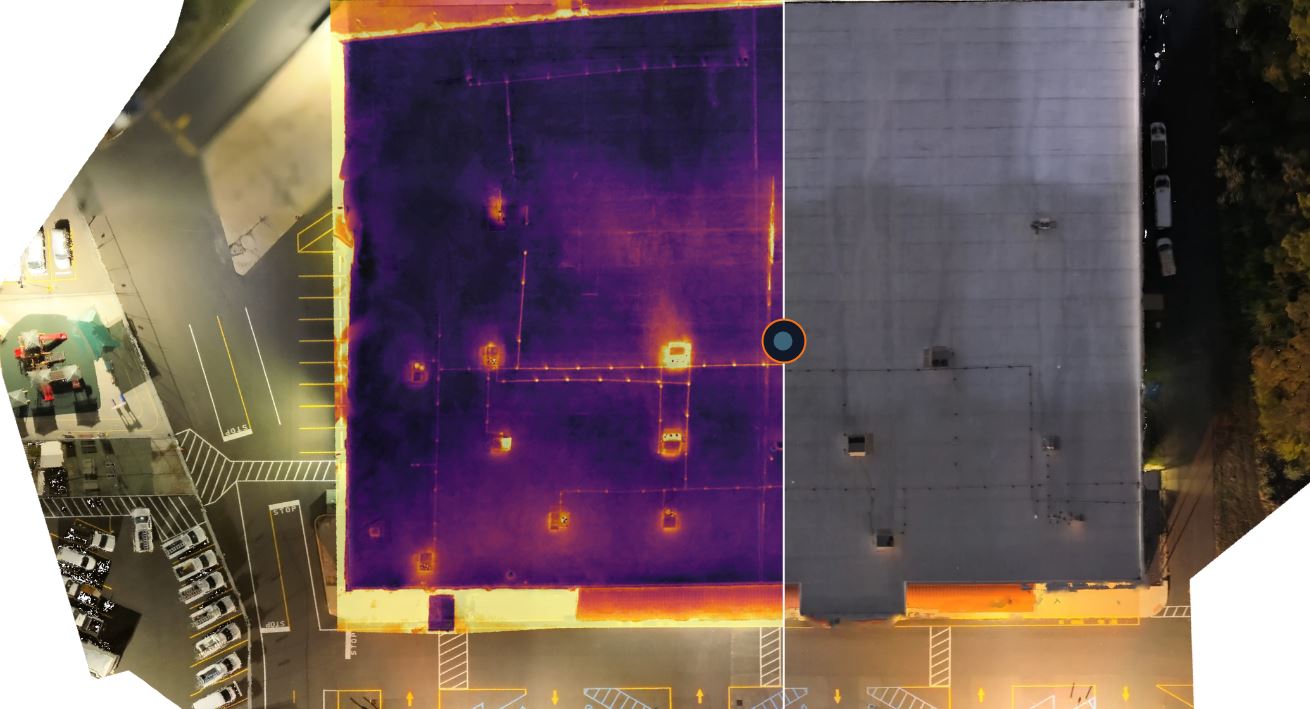
When combined with high-resolution visual imagery, this creates a stronger inspection package—one that links the thermal anomaly to the actual rooftop condition and location.
Where Thermal Drone Roof Inspections Provide the Most Value
Schools and Educational Campuses
Schools often face tight maintenance budgets, aging facilities, and the need to avoid surprise closures. A thermal drone roof survey can help maintenance leaders identify areas of concern before leaks affect classrooms, offices, gymnasiums, or sensitive equipment.
Healthcare Facilities
Hospitals, clinics, and medical buildings operate in environments where downtime is especially costly. Water intrusion near patient care areas, labs, imaging suites, or administrative infrastructure can create major operational headaches. Better roof visibility supports proactive planning.
Manufacturing and Industrial Facilities
Manufacturers often have expansive roof systems, rooftop penetrations, varying insulation conditions, and a strong need to protect production continuity. Thermal drone surveys can help identify anomalies before moisture problems spread into operational areas.
Commercial Property Portfolios
For owners and managers overseeing multiple sites, consistency matters. Drone-based inspection workflows make it easier to compare facilities, prioritize spending, and maintain documentation across a portfolio rather than relying on inconsistent site-by-site reporting.
Office, Retail, and Mixed-Use Buildings
Commercial real estate teams benefit from having condition records that can support tenant conversations, maintenance planning, and contractor coordination. The earlier roof issues are identified, the more flexibility there is in managing repairs.
Stop Leaks Before They Start
That phrase is more than a slogan. It reflects a better operational approach.
Most organizations do not want to replace roofs prematurely. They also do not want to wait until water enters occupied space before acting. The smarter path is to identify likely trouble areas earlier, verify them appropriately, and make repairs on a controlled timeline.
Thermal drone services help move building management in that direction by answering critical questions:
- Where are the most likely areas of hidden concern?
- Are anomalies isolated or widespread?
- Which buildings need attention first?
- Are previous repair areas performing as expected?
- What documentation do we have to support maintenance decisions?
When those questions are answered with visual evidence and mapped records, building leaders gain leverage. They can shift from reacting to symptoms toward managing assets strategically.
High-Resolution Mapping Makes the Data More Actionable
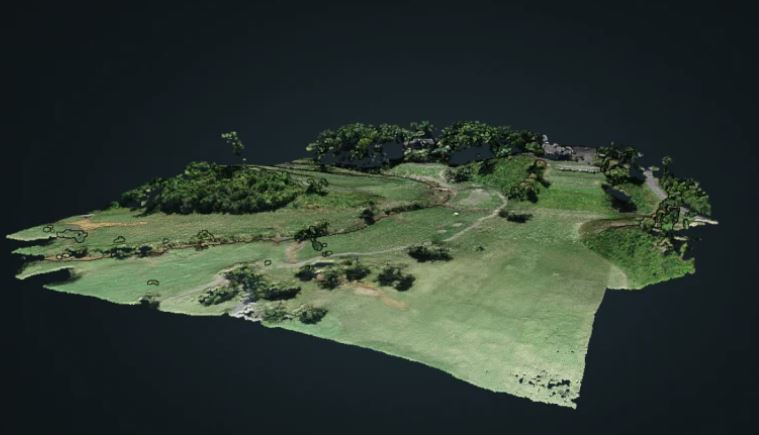
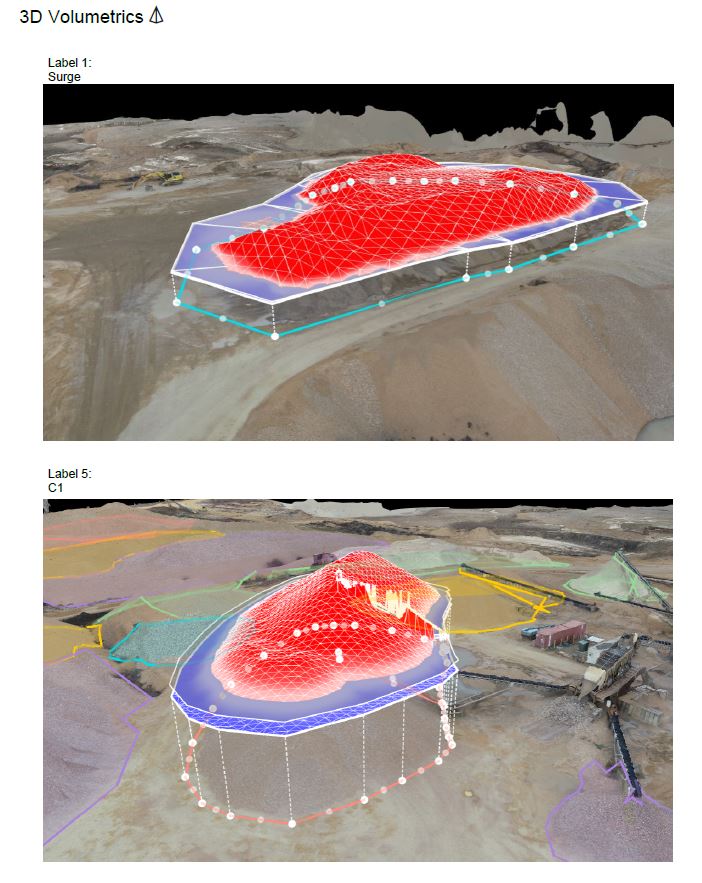
A thermal inspection is strongest when it is not just a collection of images, but a mapped system. High-resolution aerial mapping helps place thermal anomalies in clear spatial context, allowing teams to locate issues relative to rooftop features, access points, drainage patterns, and equipment.
Mapped deliverables can support:
- Repair scoping
- Contractor walk-throughs
- Internal reporting
- Future comparison surveys
- Asset condition archives
For multi-building properties, this becomes even more valuable. The inspection stops being a one-off event and starts becoming part of a facility intelligence system.
Drone LiDAR Services for Broader Asset Understanding
In addition to FLIR thermal drone services, St Louis Photo Studio also offers Drone LiDAR services. While thermal imaging is highly useful for detecting roof temperature anomalies and documenting potential moisture-related concerns, LiDAR serves a different but complementary role.
Drone LiDAR can be valuable when clients need highly detailed spatial data for buildings, sites, elevations, drainage analysis, topography, structural context, and asset mapping. For complex facilities, campuses, industrial sites, and infrastructure-related planning, LiDAR adds another layer of measurable information that supports engineering, planning, and long-term property management.
When thermal data, visual imagery, mapping, and LiDAR capabilities are available through one production partner, organizations gain a more complete view of their physical assets.
What an Effective Thermal Drone Inspection Program Looks Like
The most effective clients are not using drone inspection data as novelty. They are using it operationally.
A strong program typically includes:
- Planned inspection timing
- Appropriate environmental capture conditions
- Thermal and visual image pairing
- Mapped roof deliverables
- Organized reporting
- Archived timestamped records
- Follow-up verification by qualified roofing professionals where needed
- Repeat inspections at intervals that fit the building type and risk profile
This approach creates continuity. It also improves communication across departments, especially when maintenance, operations, finance, risk management, and outside contractors all need to align around the same building conditions.
The Business Case for Thermal Roof Documentation
For decision makers, the value is straightforward.
A better inspection record can help reduce unnecessary guesswork, focus repair dollars where they matter most, support preventive maintenance, and improve capital planning. It also helps create a clearer record of what the roof condition was at a specific point in time.
That kind of documentation matters when organizations are trying to protect:
- Building uptime
- Occupant comfort
- Equipment and interiors
- Maintenance budgets
- Asset life cycles
- Insurance and warranty positions
- Institutional credibility
Leaks are costly. Uncertainty is costly too. Thermal drone services help reduce both.
Work with an Experienced St. Louis Production Team
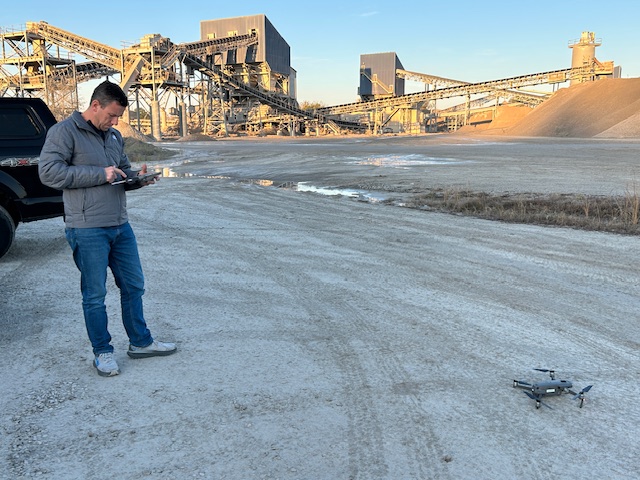
At St Louis Photo Studio, we bring a production mindset and technical imaging experience to every assignment. We are a full-service professional commercial photography and video production company with the right equipment, creative crew, and service experience for successful image acquisition. We provide full-service studio and location video and photography, along with editing, post-production, and licensed drone services. St Louis Photo Studio can customize your productions for diverse media requirements, whether you need thermal roof documentation, aerial mapping, corporate photography, commercial video, or integrated visual assets for operations and marketing.
Repurposing your photography and video branding to gain more traction is another specialty. We are well-versed in all file types, media styles, and accompanying software, and we use the latest in Artificial Intelligence across our media services. Our private studio lighting and visual setup is ideal for small productions and interview scenes, and our studio is large enough to incorporate props that round out your set. We support every aspect of your production—from creating a private custom interview studio to supplying professional sound and camera operators and the right equipment—so your next production is seamless and successful. We can also fly our specialized drones indoors when the project requires it.
Since 1982, St Louis Photo Studio has worked with businesses, marketing firms, and creative agencies throughout the St. Louis area. When you need FLIR thermal drone services, radiometric documentation, high-resolution mapping, Drone LiDAR, and a dependable production partner that understands both visual communication and technical image capture, St Louis Photo Studio is ready to help.
314-913-5626
Mike Haller
stlouisphotostudio@gmail.com
4501 Mattis Road St Louis, MO 63128
 St Louis Photo Studio