Drone technology has become far more valuable than simple aerial photography. For many businesses and organizations, the real advantage now comes from using drones as tools for insight, documentation, assessment, and communication. While traditional drone video can still create strong promotional content, advanced imaging methods such as LiDAR and thermal FLIR infrared capture can provide a deeper layer of visual intelligence.
That matters to decision makers who are responsible for properties, projects, facilities, infrastructure, maintenance, safety, planning, and brand presentation. They often need more than a good-looking overhead image. They need information that helps them understand conditions, communicate clearly, and make more informed choices.
At St Louis Photo Studio, we see advanced drone imaging as part of a broader commercial production strategy. The goal is not simply to put a drone in the air. The goal is to capture the right information, from the right perspective, in the right format, so the final material serves a real business purpose.
Why advanced drone services are becoming more important
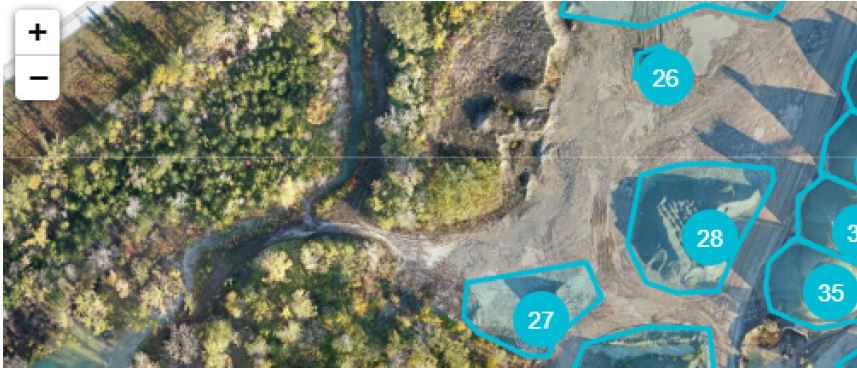
As commercial projects become more complex, businesses need visual tools that do more than document appearance. They need imaging that can support planning, maintenance, development, operations, inspection workflows, and stakeholder communication.
LiDAR and thermal infrared drone services help address those needs in different ways.
LiDAR is used to capture accurate spatial information and create detailed three-dimensional representations of land, structures, and environments.
Thermal FLIR infrared imaging is used to reveal temperature patterns and thermal irregularities that may not be visible in conventional photography.
For the right applications, both services can offer tremendous value. They help transform drone work from a visual extra into a meaningful operational and communication asset.
What LiDAR brings to a commercial project
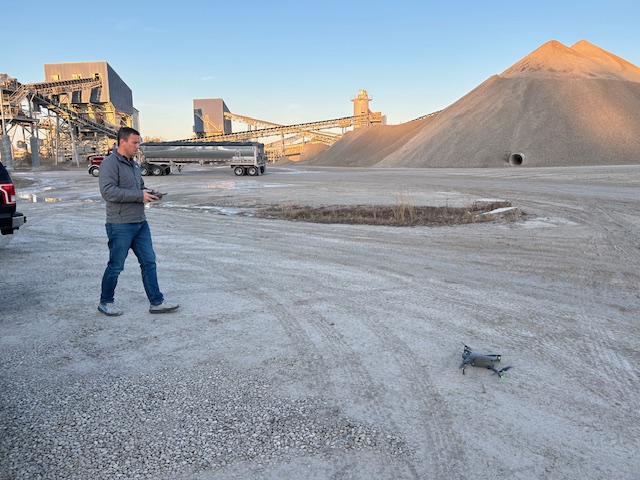
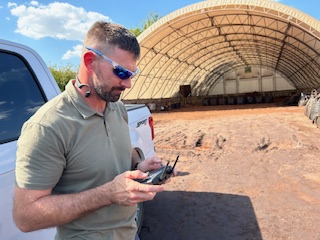
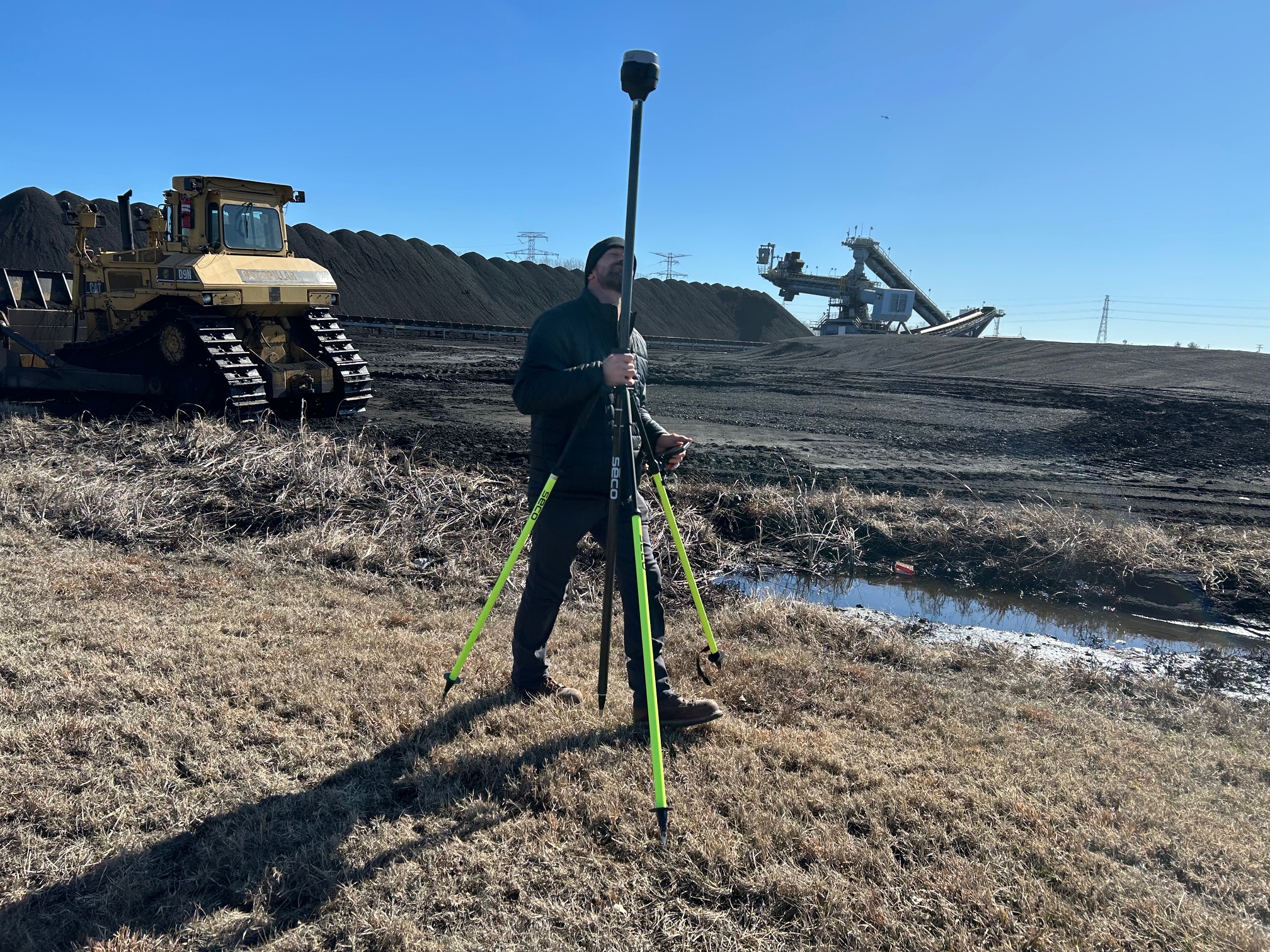
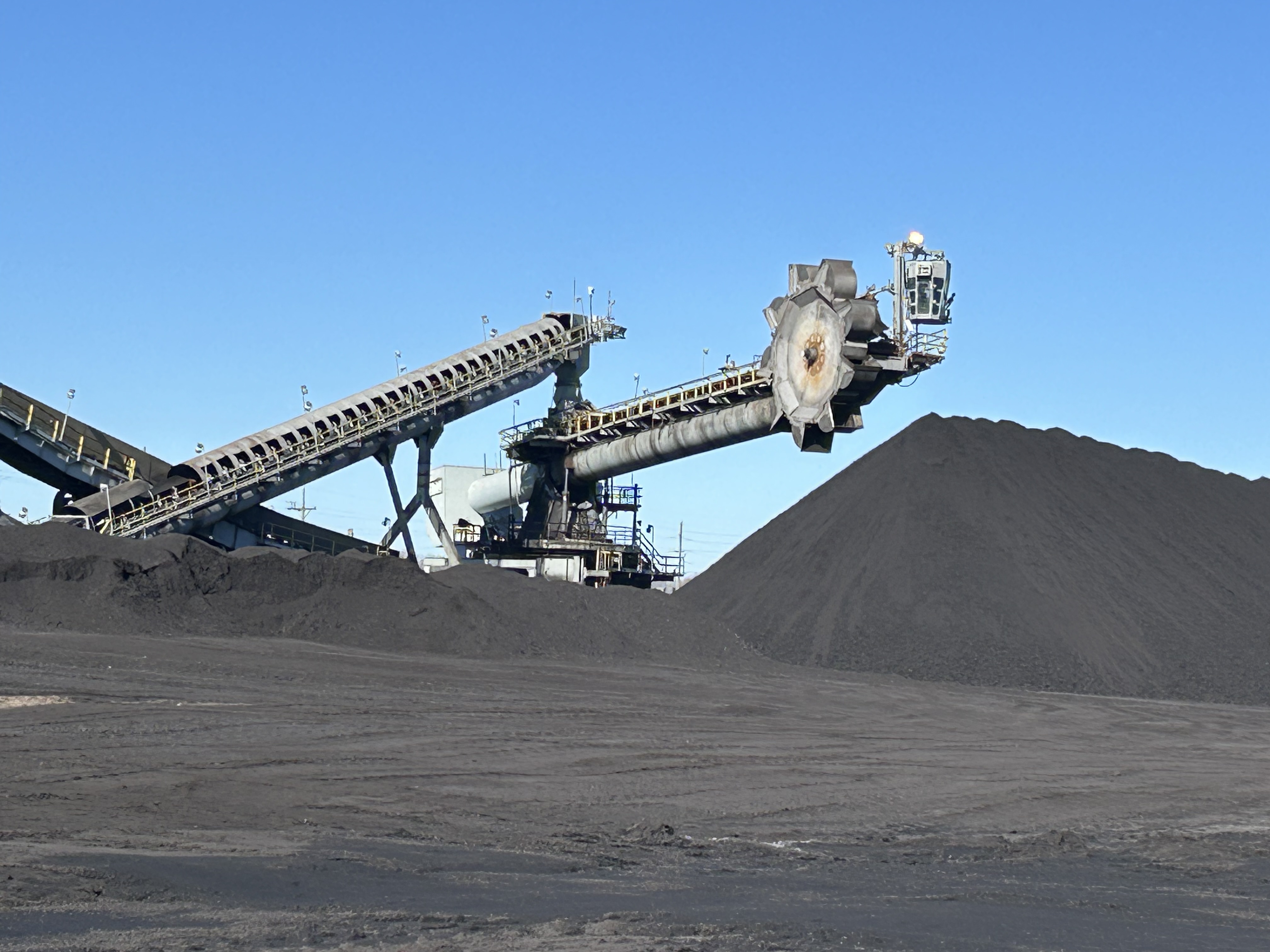
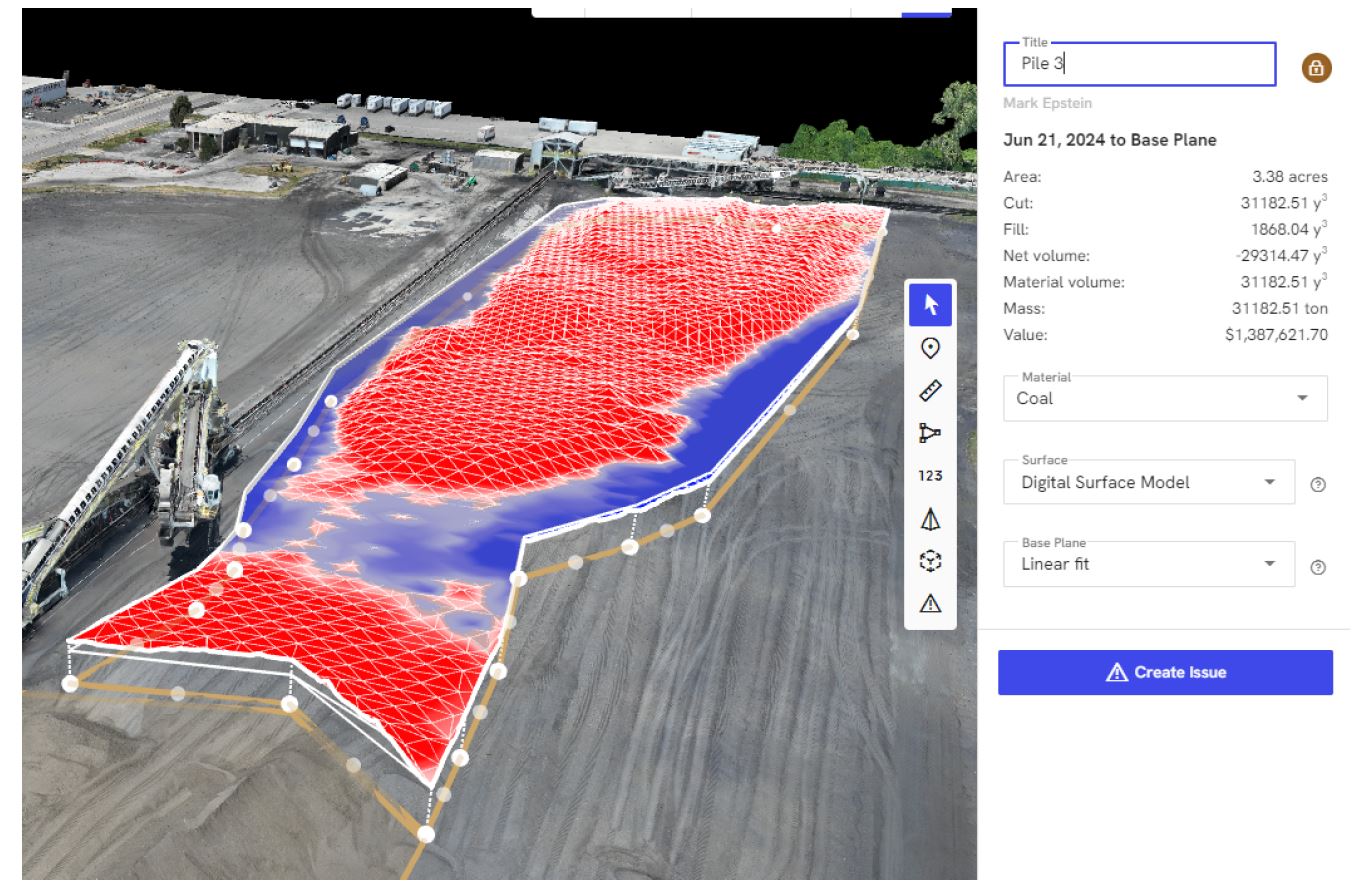
LiDAR, or Light Detection and Ranging, uses laser-based measurement to record distances and create precise 3D point cloud information. In practical terms, that means it can help businesses and organizations gain a more complete understanding of a property or project site than ordinary photography alone can provide.
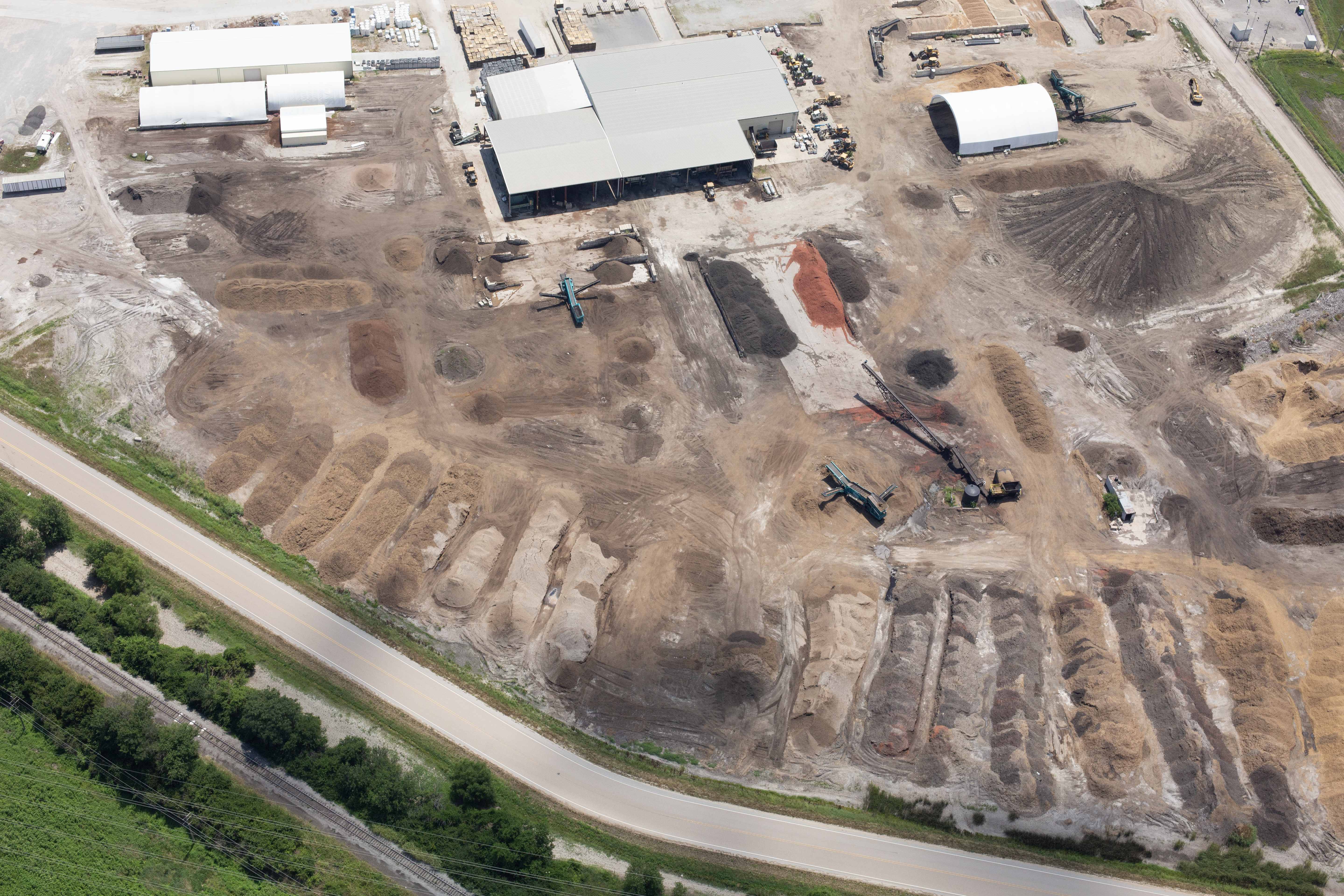
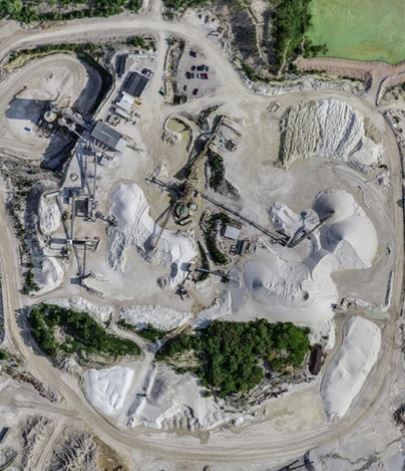
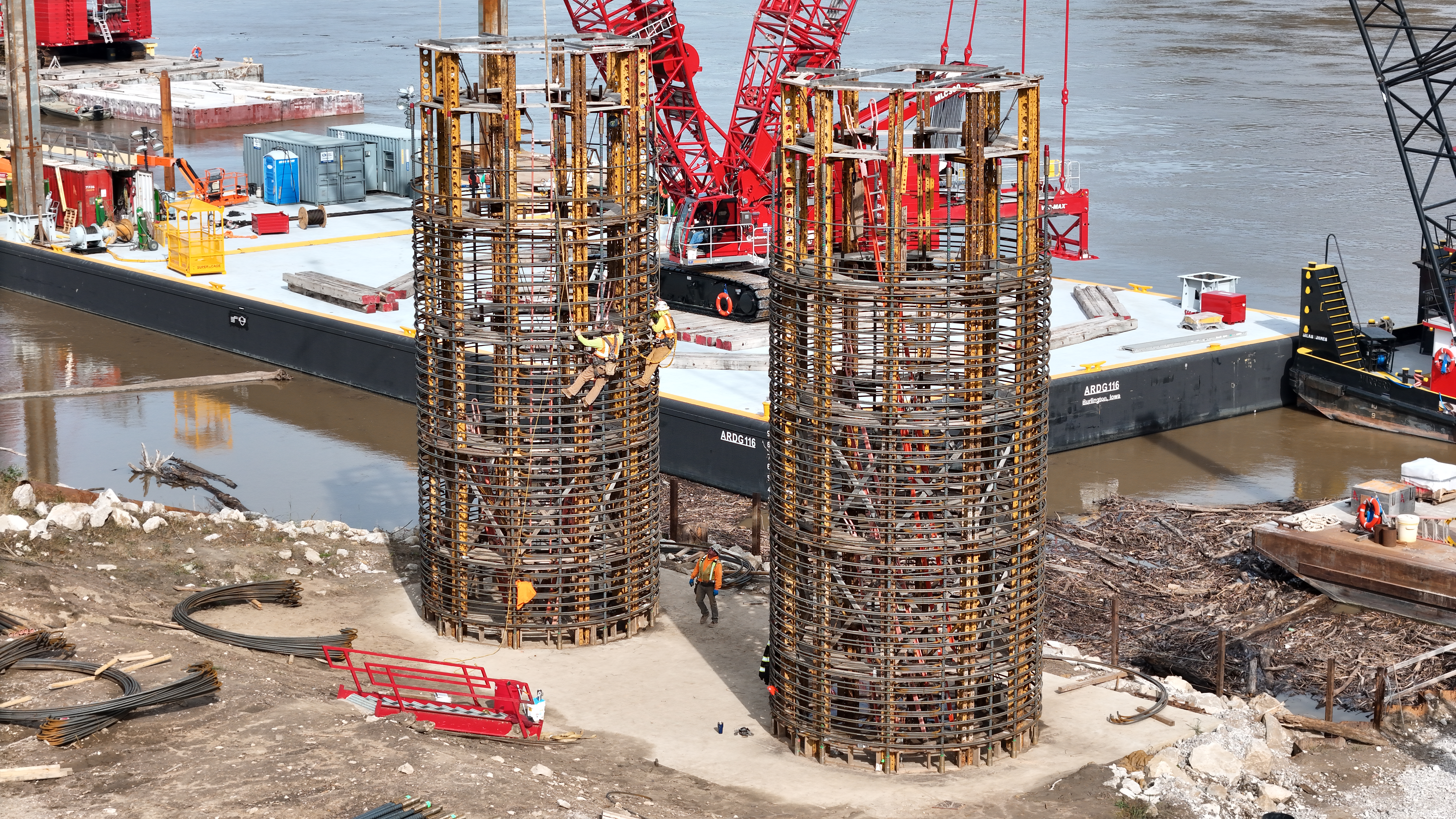
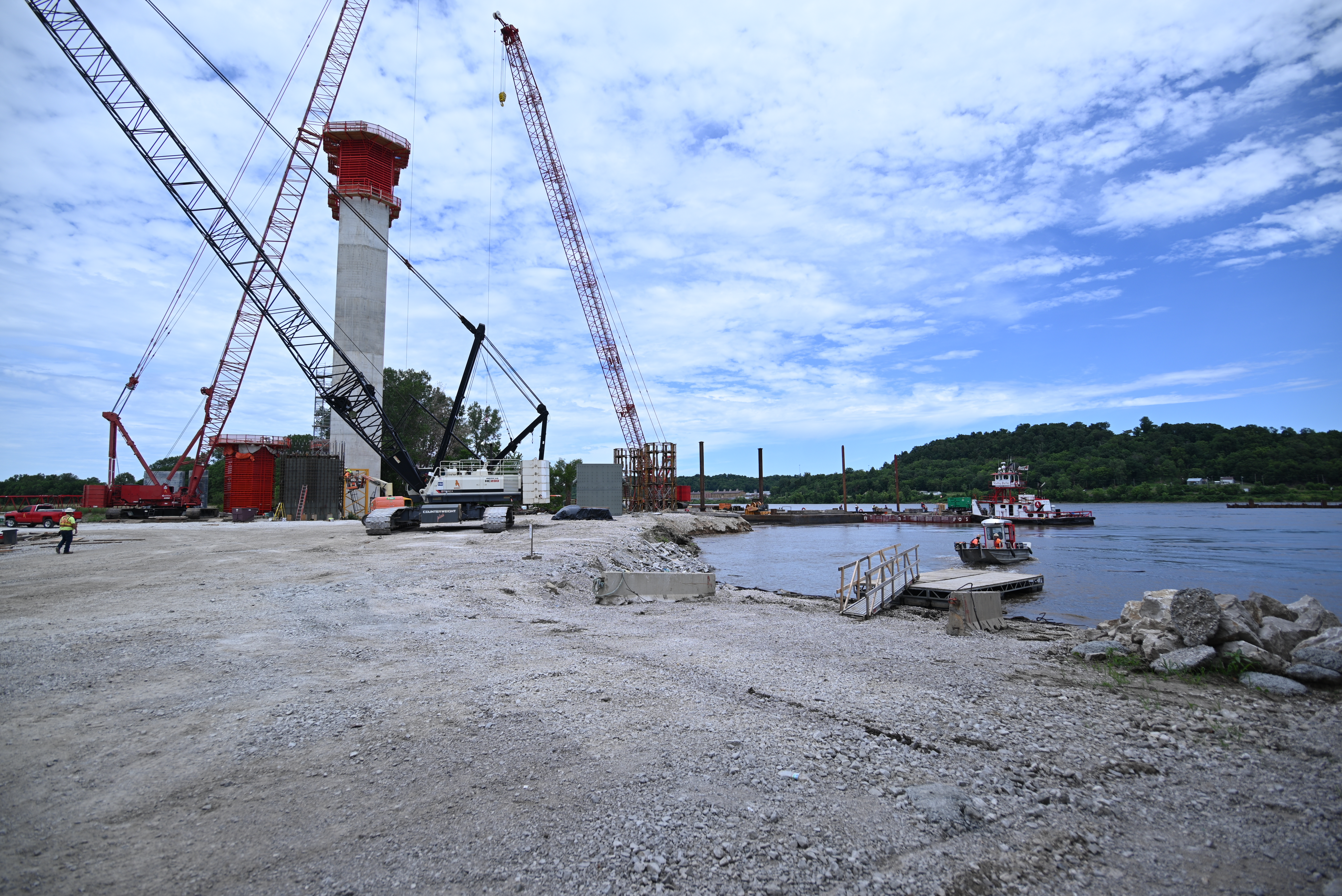
For locations where terrain, elevation, layout, surface relationships, or site geometry matter, LiDAR can become a very useful tool. It is especially relevant in environments such as construction sites, industrial properties, business campuses, infrastructure corridors, development parcels, and large outdoor spaces where accurate visual understanding is important.
A standard aerial image can show the general look of a site. LiDAR can help define the structure of that environment with greater depth and detail.
For many organizations, that supports better planning, stronger visual reporting, clearer communication, and more informed decision-making.
What thermal FLIR infrared drone imaging can help reveal
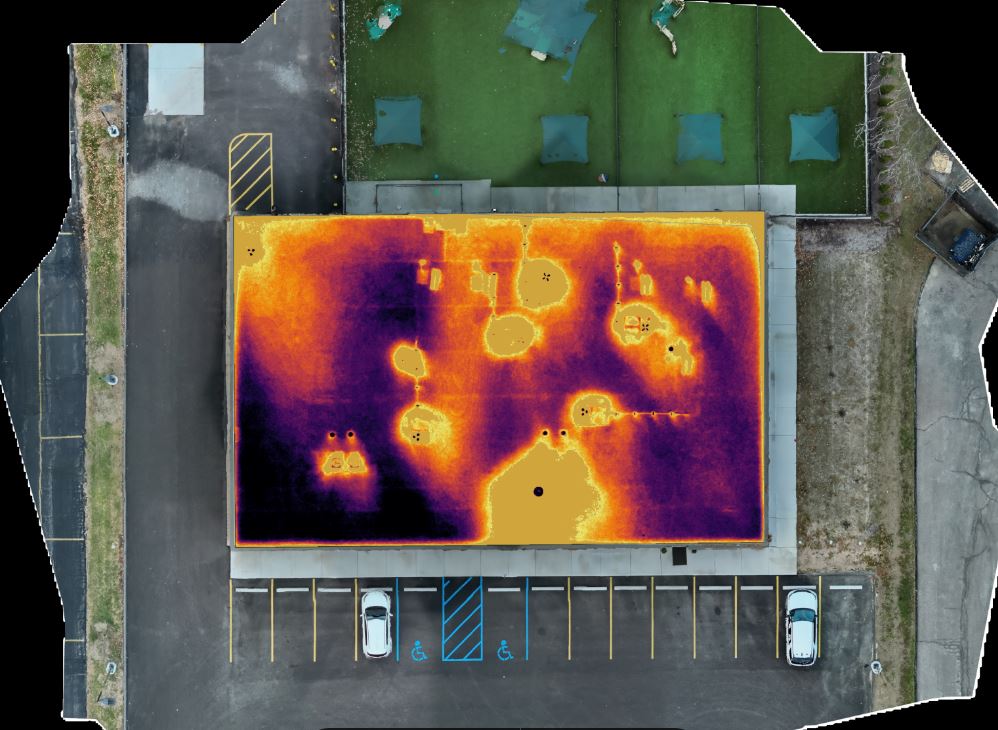
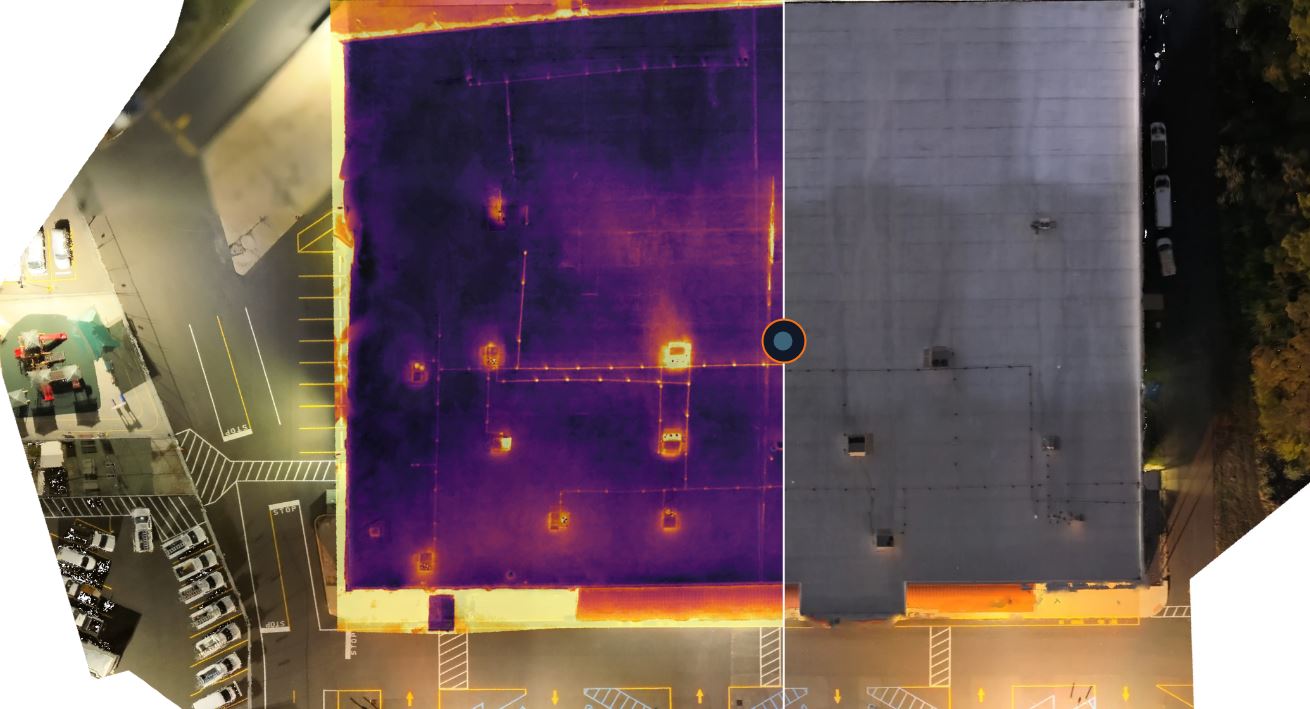
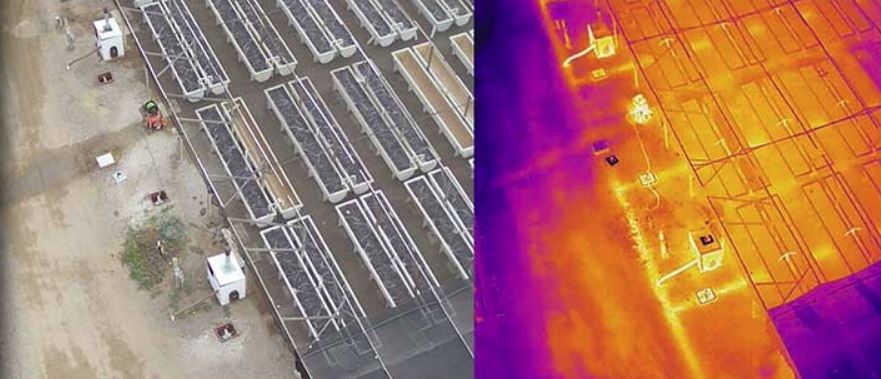
Thermal imaging is different in both method and purpose. Instead of recording only visible light, it captures heat signatures and temperature variation across surfaces and structures.
This makes it particularly useful in situations where a building or system may appear normal visually but show irregular thermal behavior. Roof areas, building exteriors, mechanical zones, solar arrays, and certain industrial assets can all benefit from thermal review when conditions are appropriate.
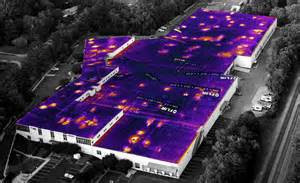
For example, a large commercial roof may look uniform in daylight but show temperature differences that suggest areas worth closer inspection. A facility exterior may reveal energy-loss patterns that are difficult to see with the naked eye. Industrial systems may show hotspots or anomalies that support maintenance awareness and further evaluation by qualified specialists.
Thermal imaging does not replace engineers, roof consultants, electricians, HVAC professionals, or other licensed experts. It gives them and their clients stronger visual information to work from.
Why these services make sense in St. Louis
The St. Louis region includes an enormous range of commercial environments, from corporate properties and schools to manufacturing sites, healthcare facilities, warehouses, retail centers, municipal assets, and active construction projects. Many of these properties are large, complex, or difficult to fully assess from the ground.
That is where advanced drone imaging becomes so practical.
Large buildings and sites can be reviewed more efficiently.
Hard-to-reach areas can be documented more clearly.
Conditions can be communicated visually to internal teams, ownership groups, vendors, agencies, or clients.
Marketing teams can also use the finished visuals to demonstrate innovation, capability, and professionalism.
In many cases, LiDAR and thermal services are not only technical tools. They are also communication tools that help organizations explain what is happening on a property or project in a clear and compelling way.
Different technologies for different objectives
One of the most important things to understand is that LiDAR and thermal imaging are not interchangeable.
LiDAR is centered on measurement, topography, shape, and spatial structure.
Thermal infrared imaging is centered on heat behavior and temperature variation.
When a client needs terrain awareness, volumetric interpretation, or site geometry, LiDAR may be the better fit.
When a client needs to visually identify irregular heat signatures on roofs, exteriors, equipment, or systems, thermal imaging is usually the more appropriate solution.
Sometimes a project may benefit from one method. Sometimes it may benefit from both. The right answer depends on the goal, the site, the conditions, and the final use of the imagery.
LiDAR applications for businesses and organizations
LiDAR can be useful across a wide variety of commercial environments.
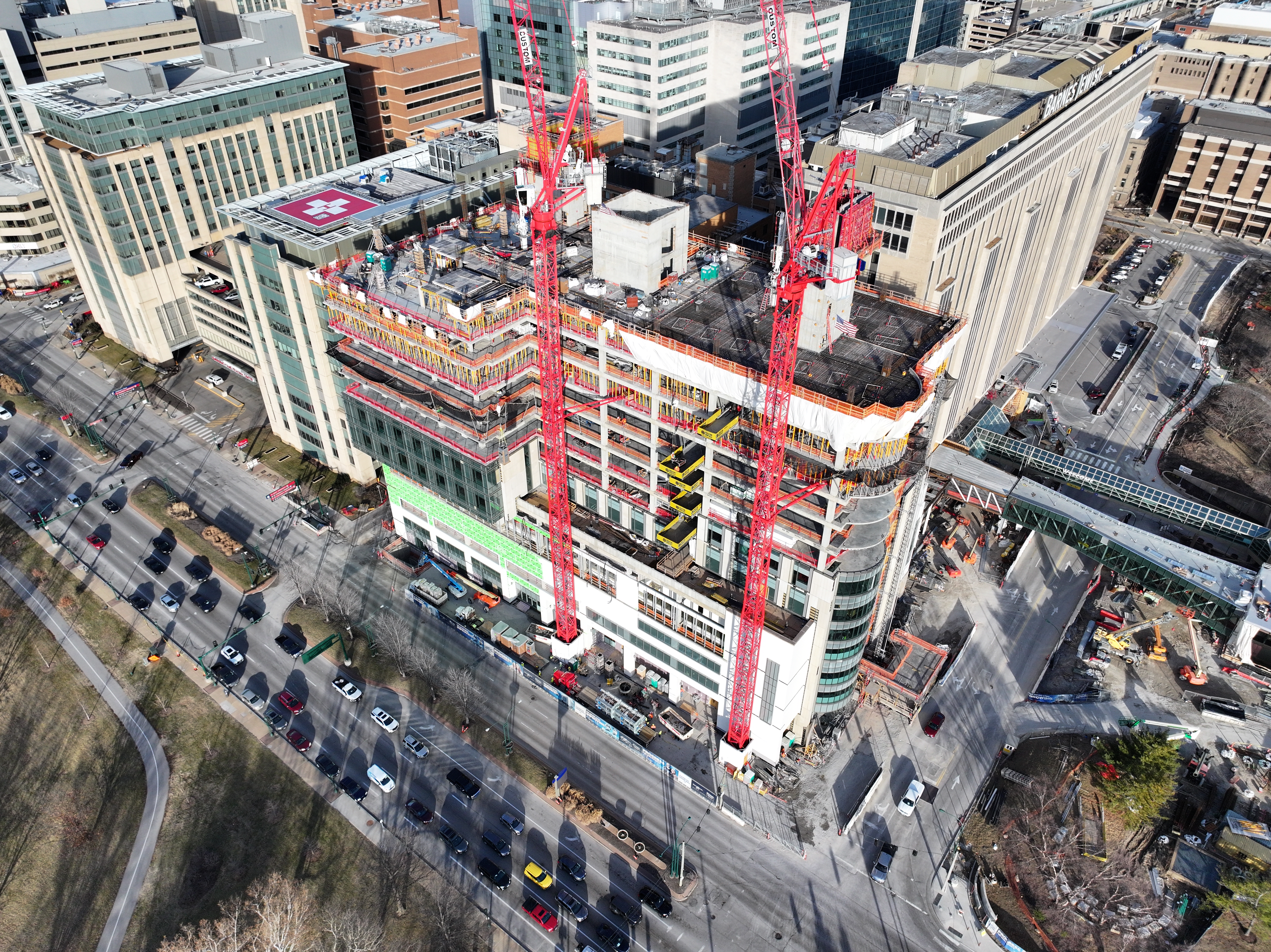
Construction professionals may need clear site documentation and spatial visibility.
Developers may need stronger topographic awareness and visual records for land and project planning.
Industrial and logistics operations may want a better view of yard layouts, facility footprints, and property relationships.
Aggregate, stockpile, and outdoor material sites may use LiDAR-informed capture when volume and site structure matter.
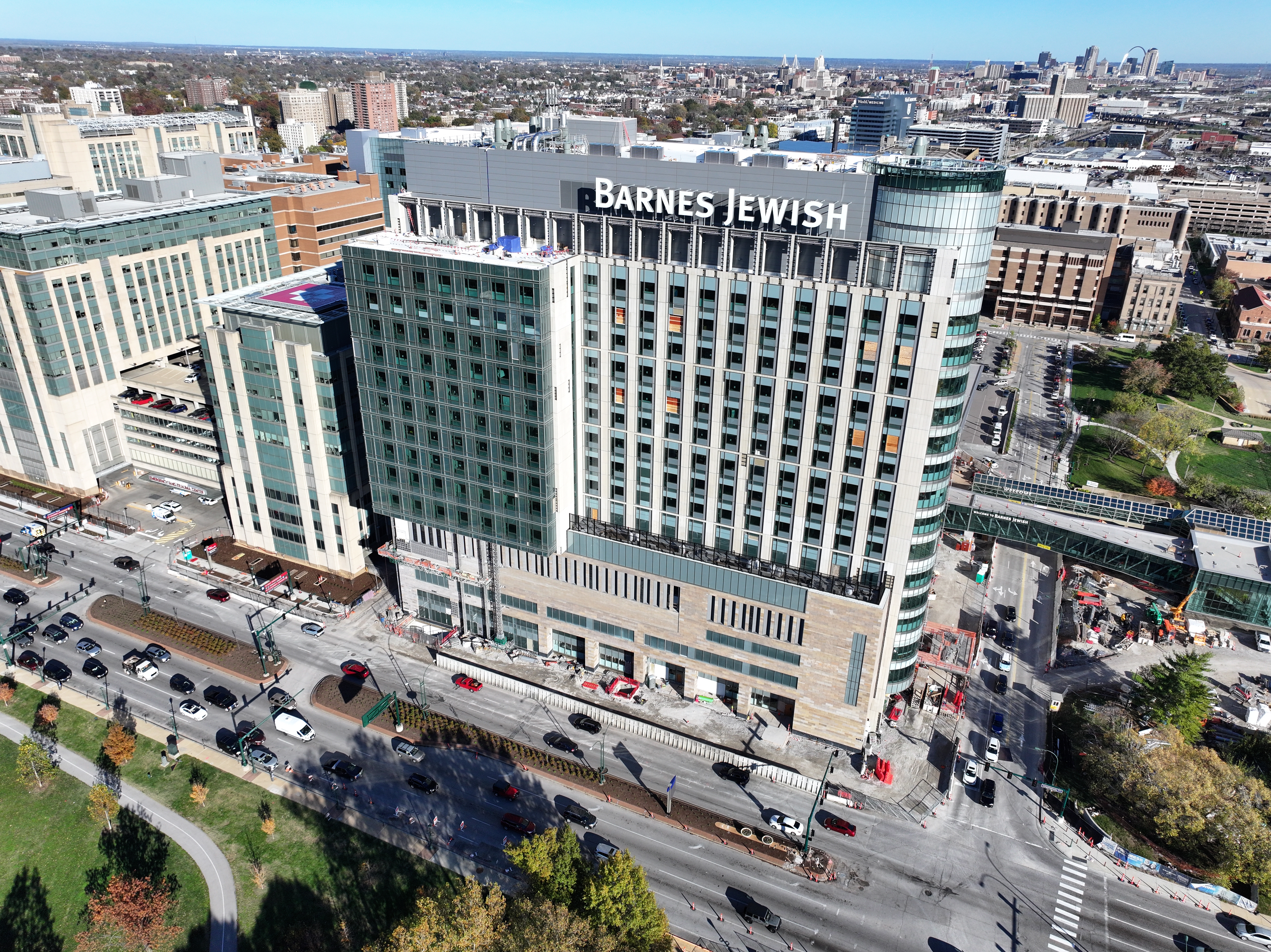
Institutions with large campuses, including schools, hospitals, and business parks, may use LiDAR for planning, documentation, renovation support, or broader property understanding.
In these use cases, the value of LiDAR comes from its ability to provide more than a simple photograph. It adds measurable perspective.
Thermal imaging applications for commercial properties
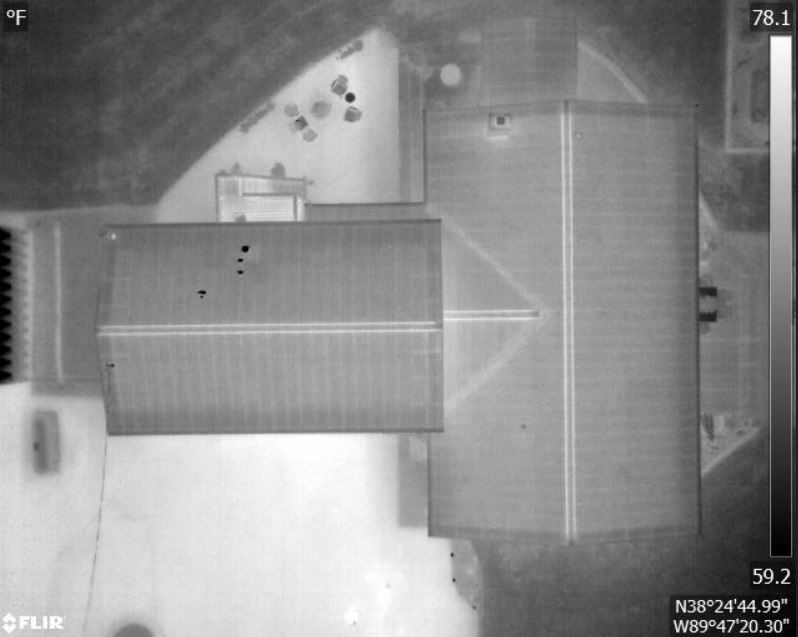
Thermal FLIR infrared drone services are equally valuable when applied to the right environment.
Commercial roof surveys are one of the most common examples, especially where large roof areas are difficult to assess quickly from the ground.
Building envelope reviews can benefit from thermal visibility when heat transfer patterns matter.
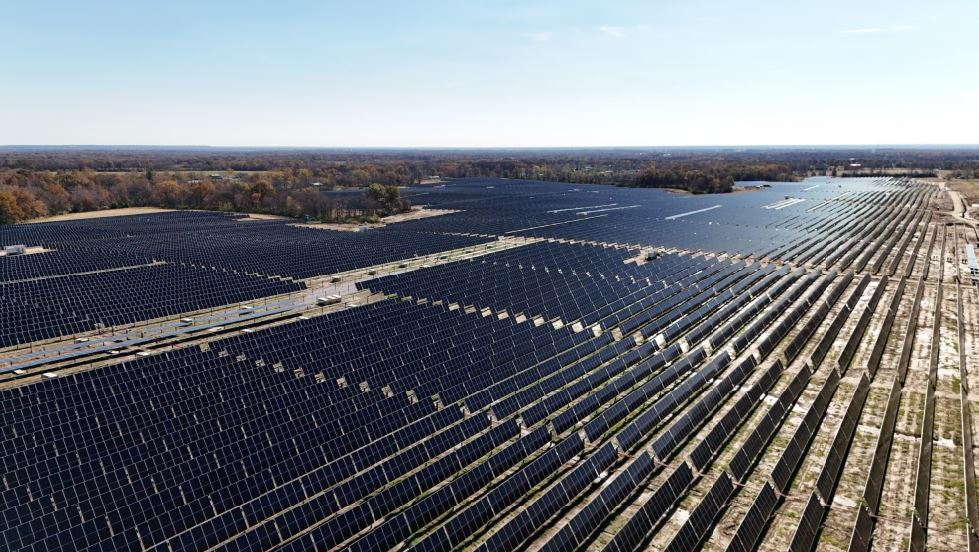
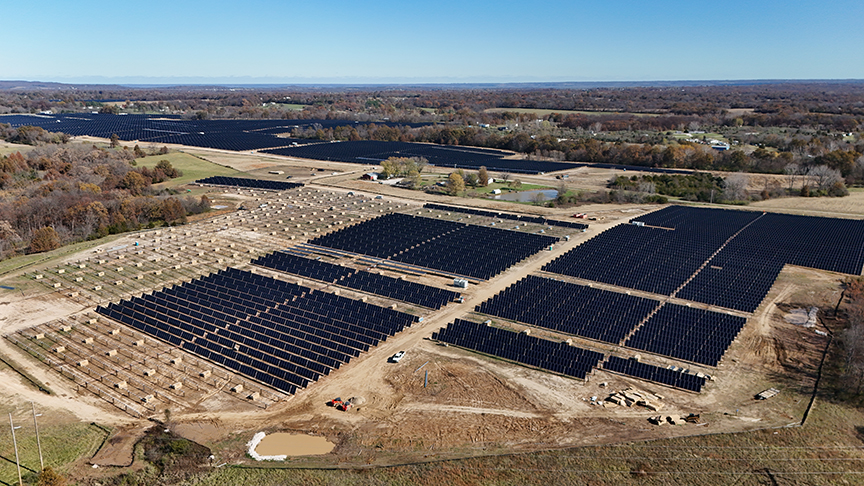
Solar installations may show irregular thermal signatures that help identify potential problem areas.
Mechanical and industrial environments can also benefit when temperature anomalies may point to maintenance needs or performance concerns.
Facility managers and operations teams often find thermal imaging useful because it provides a broader visual screening method across large surfaces and systems.
Again, the purpose is not to draw final technical conclusions from imagery alone. It is to support stronger assessment, communication, and prioritization.
Why production experience matters in this field
Advanced drone imaging is not a commodity service. The equipment matters, but the process matters just as much.
LiDAR assignments require careful attention to flight planning, output goals, site conditions, data density, and post-processing needs.
Thermal assignments require awareness of environmental timing, surface conditions, weather, solar influence, and the operational state of the structure or equipment being observed.
That means successful results depend on much more than piloting skill. They depend on experience, planning, and professional production discipline.
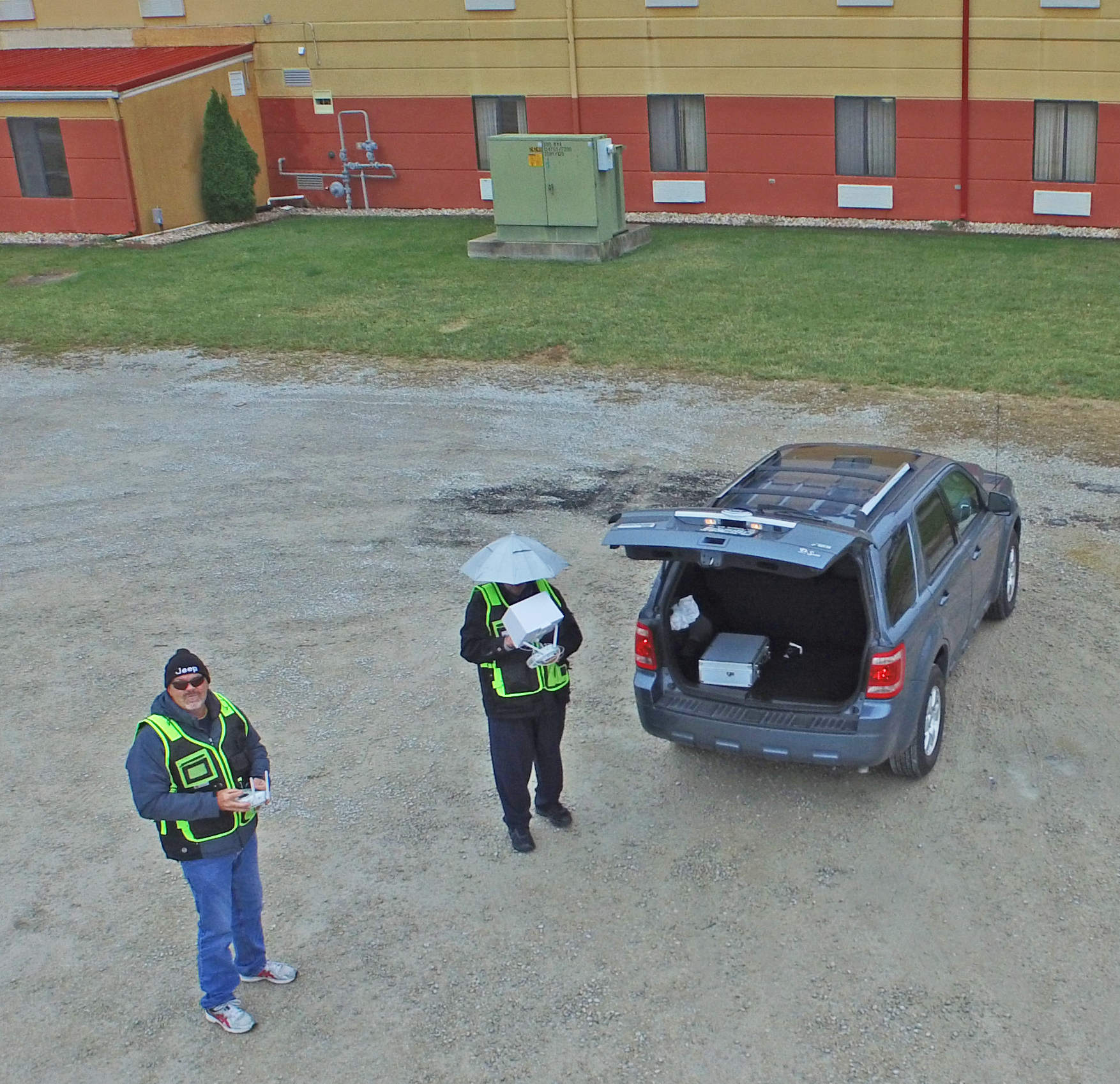
For commercial clients, this matters because the final deliverables need to be usable, organized, and aligned with the objectives of the project. A strong provider must understand how to manage active locations, coordinate around business operations, maintain safety, and deliver material that actually helps the client move forward.
The communication advantage of advanced drone imaging
LiDAR and thermal services are often viewed as technical solutions, but they also have tremendous value in visual communication.
These imaging methods can strengthen proposals, help explain conditions to stakeholders, support internal reporting, enhance presentations, and create highly distinctive content for websites and case studies. For service firms, contractors, developers, and engineering-related companies, that can be a meaningful advantage.
Technical imagery often becomes even more useful when it is integrated into a larger production workflow. That is where an experienced photography and video production team can add value. Raw capture is important, but so is the ability to shape that material into polished assets for real-world business use.
The future of commercial drone work is more informative
Commercial drone services continue to evolve. Clients increasingly expect imaging that is not only visually strong, but also informative and functional. They want visual assets that can support decisions, reveal conditions, and communicate complexity more effectively.
LiDAR and thermal infrared drone work reflect that evolution. They bring a more analytical dimension to aerial image acquisition, helping organizations understand their properties and projects in ways that ordinary visuals alone often cannot.
For many businesses in St. Louis, that makes these services an important next step in how they document, manage, and present their environments.
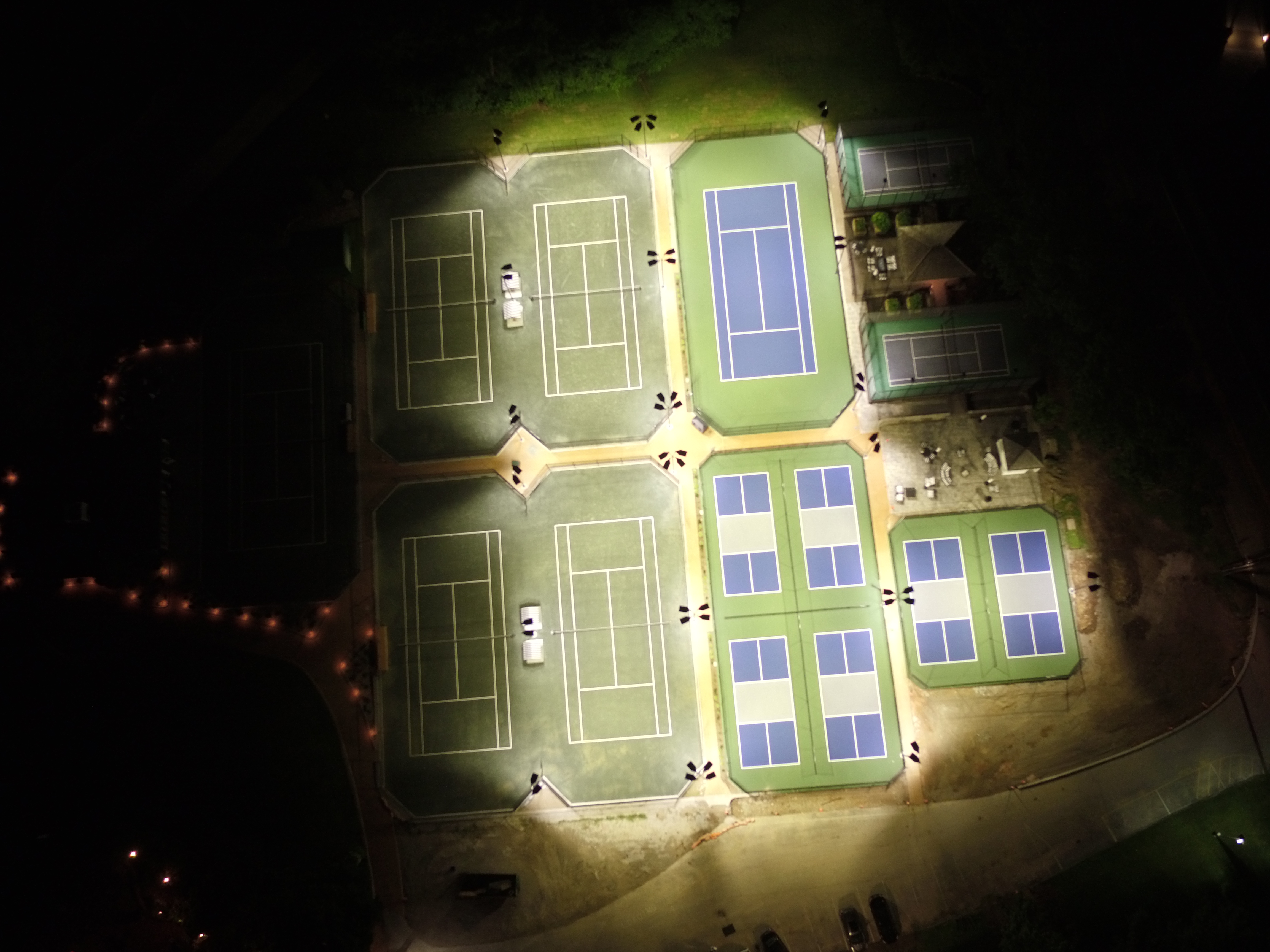
St Louis Photo Studio for LiDAR and Thermal FLIR Infrared Drone Services
At St Louis Photo Studio, we approach advanced drone assignments with the perspective of a full-service commercial photography and video production team. We understand that clients need more than imagery for imagery’s sake. They need visual solutions that serve larger goals, whether that means technical documentation, facility visibility, operational support, or stronger communication.
St Louis Photo Studio is a full-service professional commercial photography and video production company with the right equipment and creative crew service experience for successful image acquisition. We offer full-service studio and location video and photography, as well as editing, post-production and licensed drone services. St Louis Photo Studio can customize your productions for diverse types of media requirements. Repurposing your photography and video branding to gain more traction is another specialty.
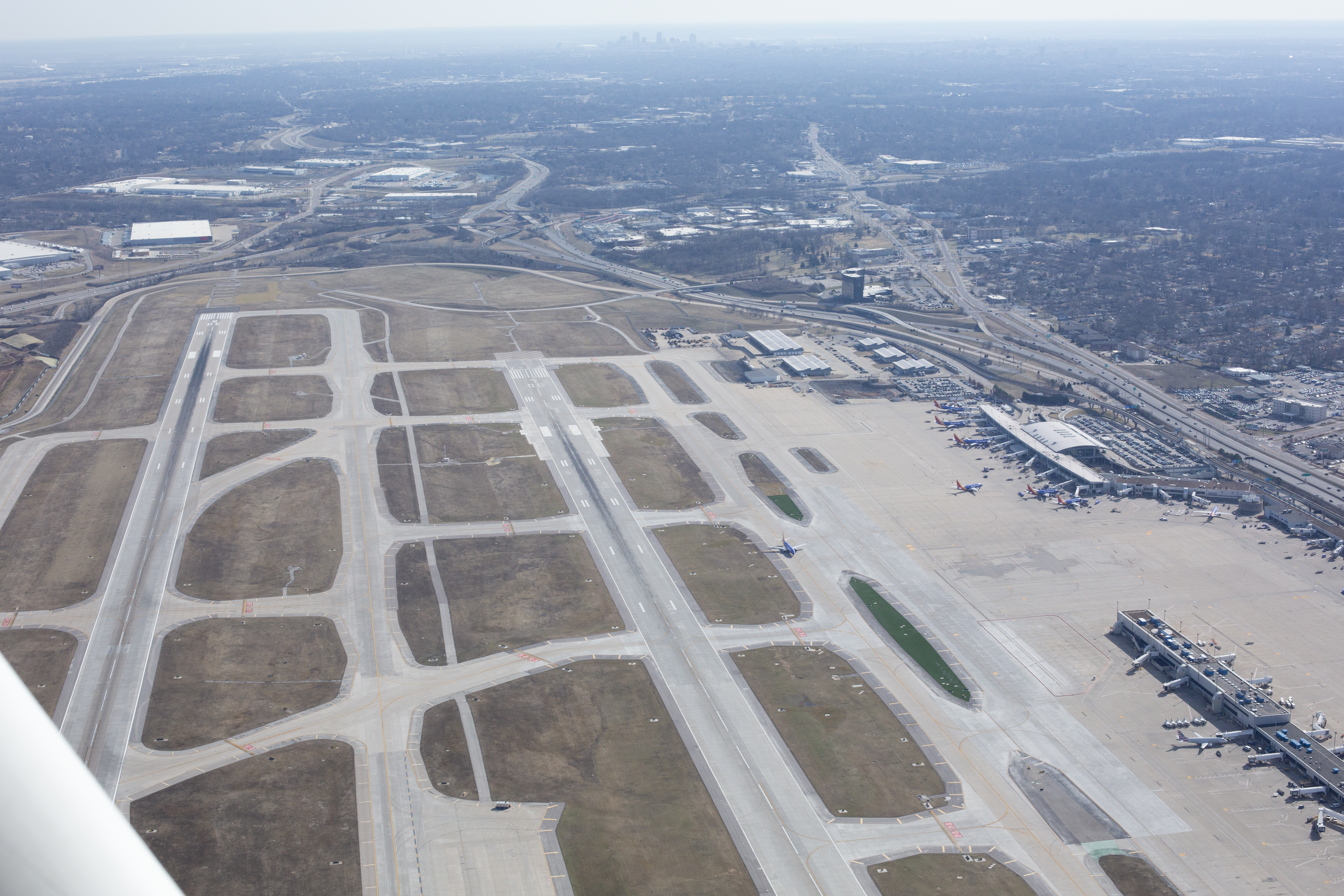
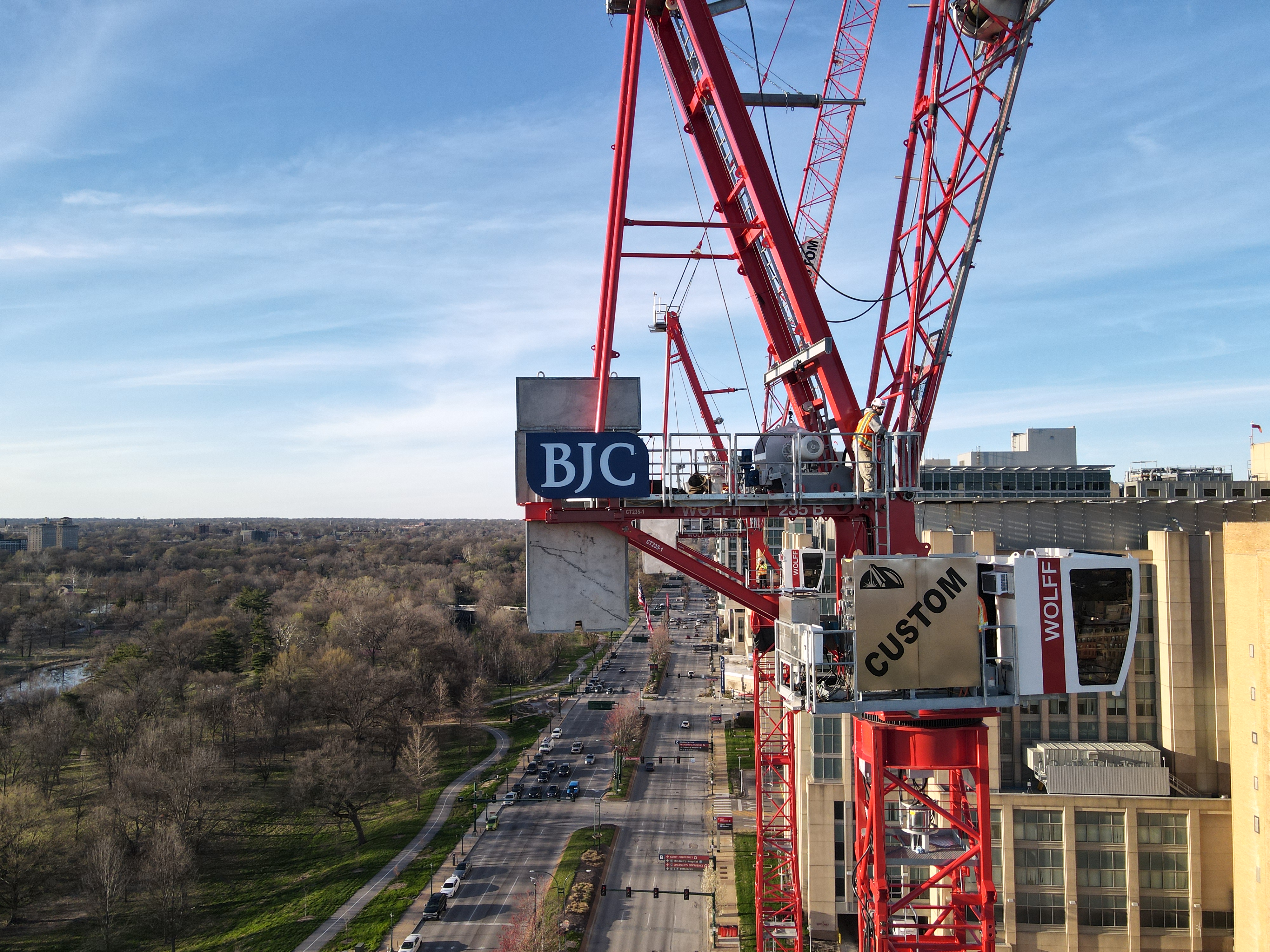
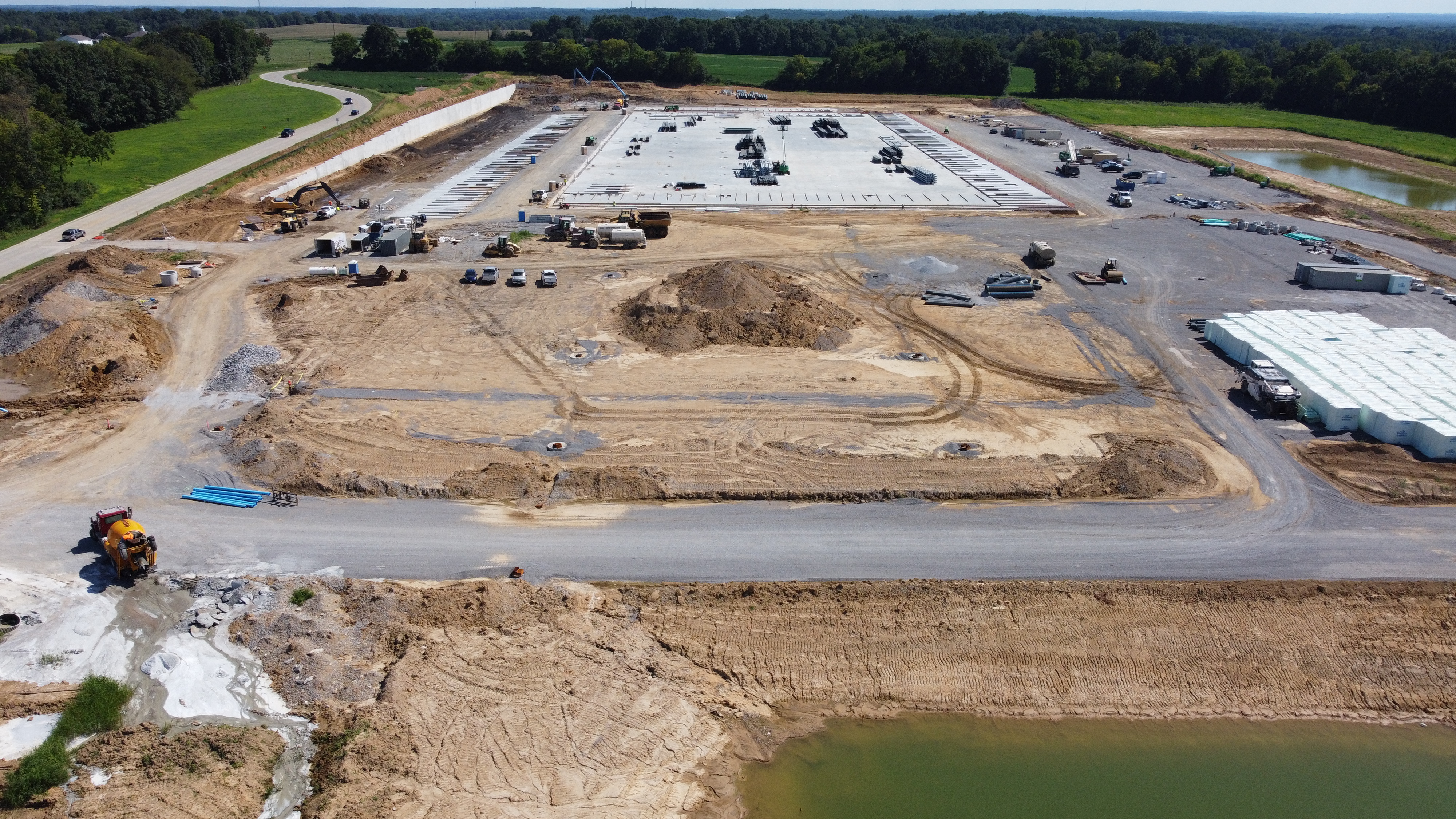
We are well-versed in all file types and styles of media and accompanying software. We use the latest in Artificial Intelligence for all our media services. Our private studio lighting and visual setup is perfect for small productions and interview scenes. Our studio is large enough to incorporate props to round out your set. We support every aspect of your production—from setting up a private, custom interview studio to supplying professional sound and camera operators, as well as providing the right equipment—ensuring your next video production is seamless and successful. We can fly our specialized drones indoors.
Since 1982, St Louis Photo Studio has worked with many businesses, marketing firms, and creative agencies in the St. Louis area for their marketing photography and video. When a project calls for advanced aerial imaging, our team brings the experience, production support, and visual problem-solving needed to deliver results that are both professional and useful.
314-913-5626
Mike Haller
stlouisphotostudio@gmail.com
Studio by Appointment: 4501 Mattis Road St Louis, MO 63128
 St Louis Photo Studio